
Contents
- 🏞️ Introduction to Tuscany
- 🗺️ Geography and Climate
- 🏙️ Cities and Towns
- 🎨 Art and Architecture
- 🍷 Wine and Cuisine
- 🏞️ Natural Landscapes
- 📚 History and Heritage
- 👥 People and Culture
- 📊 Economy and Tourism
- 🚗 Transportation and Infrastructure
- 🤝 International Relations
- 📈 Future Prospects
- Frequently Asked Questions
- Related Topics
Overview
Tuscany, with a vibe score of 8, is a region in central Italy known for its rolling hills, charming villages, and rich cultural heritage. Historically, Tuscany has been a hub of artistic and intellectual innovation, with notable figures such as Leonardo da Vinci and Galileo Galilei hailing from the region. Today, Tuscany is a popular tourist destination, attracting millions of visitors each year with its stunning landscapes, world-class wine, and vibrant festivals. However, the region also faces challenges such as overtourism and environmental degradation, which threaten to undermine its unique character and way of life. As the region looks to the future, it must balance its economic and cultural development with the need to preserve its natural beauty and cultural heritage. With its unique blend of history, culture, and natural beauty, Tuscany remains a fascinating and complex region that continues to captivate visitors and inspire new generations of artists, writers, and thinkers.
🏞️ Introduction to Tuscany
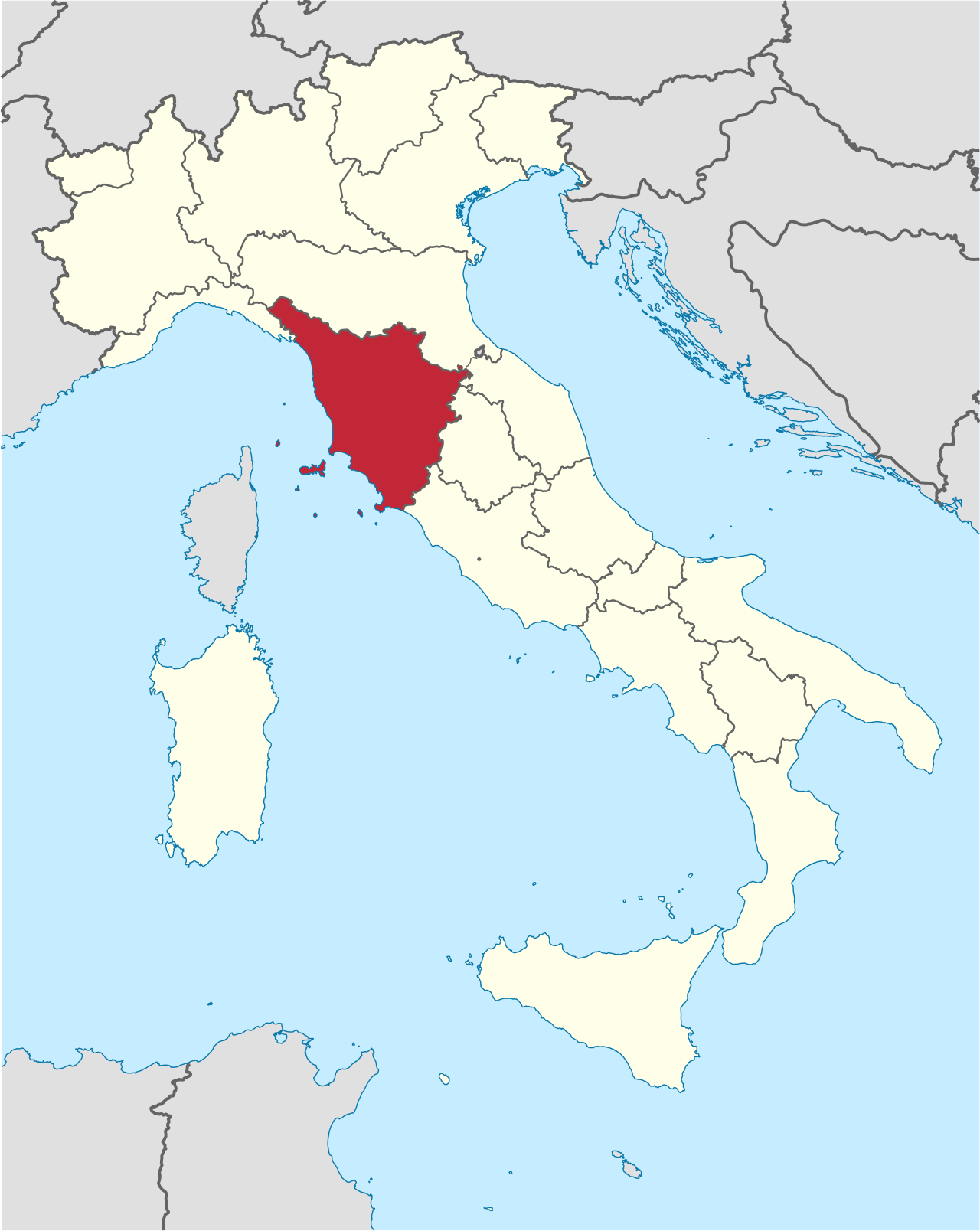
Tuscany, an administrative region of central Italy, boasts an area of approximately 23,000 square kilometres and a population of 3,660,834 as of 2025. The capital city, Florence, is a hub of artistic and cultural significance. Tuscany is renowned for its rich history, stunning landscapes, and vibrant culture. Visitors can explore the region's numerous museums, such as the Uffizi Gallery, and experience the local cuisine, which features dishes like ribollita and pappardelle. The region's unique blend of history, art, and nature makes it a popular destination for tourists and a source of inspiration for artists and writers, including the famous author Dante Alighieri.
🗺️ Geography and Climate
Tuscany's geography is characterized by its diverse landscapes, ranging from the Apennine Mountains to the coastal plains. The region's climate is generally mild, with warm summers and cool winters. The Tyrrhenian Sea borders Tuscany to the west, providing a scenic coastline and opportunities for water sports. The region's terrain is also dotted with rolling hills, making it an ideal location for vineyards and olive groves. The city of Siena is a notable example of Tuscany's medieval architecture, with its well-preserved historic center and stunning Siena Cathedral. Tuscany's unique geography has also influenced the development of its agriculture, with a focus on crops like grapes and olives.
🏙️ Cities and Towns
Tuscany is home to numerous cities and towns, each with its own unique character and charm. Arezzo, a city in eastern Tuscany, is known for its well-preserved medieval center and its connections to the famous poet Francesco Petrarca. Pisa, located in western Tuscany, is famous for its iconic Leaning Tower of Pisa. The city of Livorno is a significant port city and a hub for trade and commerce. Tuscany's cities and towns are also home to a wide range of cultural events and festivals, including the Palio di Siena and the Festa dei Noantri. Visitors can explore the region's many markets, such as the Mercato Centrale in Florence, and experience the local music and dance.
🎨 Art and Architecture
Tuscany has a rich artistic heritage, with numerous museums, galleries, and historical landmarks. The Uffizi Gallery in Florence is one of the world's most famous museums, featuring an extensive collection of Renaissance art. The region is also home to numerous churches and cathedrals, such as the Florence Cathedral and the Siena Cathedral. Tuscany's artistic influence can be seen in the works of famous artists like Leonardo da Vinci and Michelangelo. The region's unique artistic style has also been influenced by its history, with the Medici family playing a significant role in the development of the Renaissance. Visitors can explore the many art studios and galleries throughout the region, featuring the work of local and international artists.
🍷 Wine and Cuisine
Tuscany is famous for its wine and cuisine, with a focus on local ingredients and traditional recipes. The region is home to numerous wine estates, such as Chianti and Brunello di Montalcino, which produce some of the world's finest wines. Tuscany's cuisine features dishes like ribollita and pappardelle, which are often served with a glass of wine. The region's unique culinary traditions have been influenced by its history and geography, with a focus on simple, locally-sourced ingredients. Visitors can experience the local cuisine by visiting one of the many restaurants or trattorias throughout the region, or by taking a cooking class to learn about traditional Tuscan recipes.
🏞️ Natural Landscapes
Tuscany's natural landscapes are a major draw for tourists, with its rolling hills, scenic coastline, and picturesque villages. The Crete Senesi hills are a notable example of the region's unique landscape, with their rolling hills and scenic views. The Tyrrhenian Sea borders Tuscany to the west, providing a scenic coastline and opportunities for water sports. The region is also home to numerous national parks and nature reserves, such as the Parco Nazionale delle Foreste Casentinesi. Visitors can explore the region's many hiking trails and cycling routes, or take a hot air balloon ride to see the region from a unique perspective.
📚 History and Heritage
Tuscany has a rich history, with numerous historical landmarks and cultural events. The region was an important center of the Etruscan civilization and later became a major hub of the Roman Empire. The Medici family played a significant role in the development of the Renaissance, and their influence can still be seen in the region's art, architecture, and culture. Tuscany's unique history has also been influenced by its geography, with the region's strategic location making it an important center for trade and commerce. Visitors can explore the many historical sites throughout the region, including the Roman Theatre of Volterra and the Medici Palace in Florence.
👥 People and Culture
Tuscany is home to a diverse population, with a strong sense of community and cultural heritage. The region has a unique cultural identity, shaped by its history, geography, and traditions. Tuscany's people are known for their warm hospitality and welcoming nature, making visitors feel at home. The region is also home to numerous cultural events and festivals, such as the Palio di Siena and the Festa dei Noantri. Visitors can experience the local culture by attending one of the many festivals or events throughout the year, or by visiting one of the many museums and galleries to learn about the region's history and traditions.
📊 Economy and Tourism
Tuscany has a strong economy, with a focus on tourism, agriculture, and manufacturing. The region is home to numerous wine estates and olive groves, which produce some of the world's finest wines and olive oils. Tuscany's unique products, such as Chianti wine and extra virgin olive oil, are highly prized by consumers around the world. The region's tourism industry is also a significant contributor to the economy, with millions of visitors each year. Visitors can experience the local economy by visiting one of the many markets or shopping centers throughout the region, or by taking a tour of a local winery or farm.
🚗 Transportation and Infrastructure
Tuscany has a well-developed transportation network, with numerous airports, train stations, and highways. The region is easily accessible by car, train, or plane, making it a popular destination for tourists. The city of Florence is a major transportation hub, with connections to numerous destinations throughout Italy and Europe. Tuscany's unique geography has also influenced the development of its transportation network, with a focus on scenic routes and picturesque villages. Visitors can explore the region's many scenic drives and hiking trails, or take a train ride through the rolling hills and picturesque countryside.
🤝 International Relations
Tuscany has a strong sense of international relations, with numerous cultural and economic ties to other regions and countries. The region is a popular destination for tourists from around the world, and its unique products, such as Chianti wine and extra virgin olive oil, are highly prized by consumers globally. Tuscany's cultural events and festivals, such as the Palio di Siena and the Festa dei Noantri, attract visitors from around the world. The region's unique cultural identity has also been influenced by its history and geography, with a focus on international cooperation and exchange. Visitors can experience the local culture by attending one of the many festivals or events throughout the year, or by visiting one of the many museums and galleries to learn about the region's history and traditions.
📈 Future Prospects
Tuscany has a bright future, with a focus on sustainable tourism, agriculture, and manufacturing. The region is committed to preserving its unique cultural heritage and natural landscapes, while also promoting economic development and innovation. Tuscany's unique products, such as Chianti wine and extra virgin olive oil, will continue to be highly prized by consumers around the world. The region's tourism industry will also continue to grow, with a focus on sustainable and responsible tourism practices. Visitors can experience the local culture and natural beauty of Tuscany by visiting one of the many national parks or nature reserves, or by taking a tour of a local winery or farm.
Key Facts
- Year
- 2022
- Origin
- Italy
- Category
- Geography and Culture
- Type
- Region
Frequently Asked Questions
What is the capital city of Tuscany?
The capital city of Tuscany is Florence. Florence is a city in central Italy and is known for its artistic and cultural significance. It is home to numerous museums, galleries, and historical landmarks, including the Uffizi Gallery and the Florence Cathedral.
What is Tuscany famous for?
Tuscany is famous for its wine, cuisine, and natural landscapes. The region is home to numerous wine estates and olive groves, which produce some of the world's finest wines and olive oils. Tuscany's cuisine features dishes like ribollita and pappardelle, which are often served with a glass of wine. The region's unique cultural identity has also been influenced by its history and geography, with a focus on international cooperation and exchange.
What are the main cities in Tuscany?
The main cities in Tuscany are Florence, Siena, Pisa, and Arezzo. Each city has its own unique character and charm, with numerous historical landmarks, cultural events, and natural landscapes to explore. Visitors can experience the local culture by attending one of the many festivals or events throughout the year, or by visiting one of the many museums and galleries to learn about the region's history and traditions.
What is the best time to visit Tuscany?
The best time to visit Tuscany is in the spring and autumn, when the weather is mild and pleasant. The region is also a popular destination during the summer months, when the weather is warm and sunny. However, the summer months can be crowded and hot, so it's best to plan ahead and book accommodations and tours in advance. Visitors can experience the local culture and natural beauty of Tuscany by visiting one of the many national parks or nature reserves, or by taking a tour of a local winery or farm.
What are the main attractions in Tuscany?
The main attractions in Tuscany are the Uffizi Gallery, the Florence Cathedral, the Leaning Tower of Pisa, and the Siena Cathedral. The region is also home to numerous wine estates and olive groves, which produce some of the world's finest wines and olive oils. Visitors can experience the local culture by attending one of the many festivals or events throughout the year, or by visiting one of the many museums and galleries to learn about the region's history and traditions.
What is the history of Tuscany?
Tuscany has a rich and complex history, with numerous cultural and historical landmarks to explore. The region was an important center of the Etruscan civilization and later became a major hub of the Roman Empire. The Medici family played a significant role in the development of the Renaissance, and their influence can still be seen in the region's art, architecture, and culture. Visitors can experience the local culture and history by visiting one of the many historical sites throughout the region, or by taking a tour of a local museum or gallery.
What is the culture of Tuscany?
Tuscany has a unique cultural identity, shaped by its history, geography, and traditions. The region is known for its warm hospitality and welcoming nature, making visitors feel at home. Tuscany's cultural events and festivals, such as the Palio di Siena and the Festa dei Noantri, attract visitors from around the world. The region's unique cultural identity has also been influenced by its history and geography, with a focus on international cooperation and exchange. Visitors can experience the local culture by attending one of the many festivals or events throughout the year, or by visiting one of the many museums and galleries to learn about the region's history and traditions.