
Contents
Overview
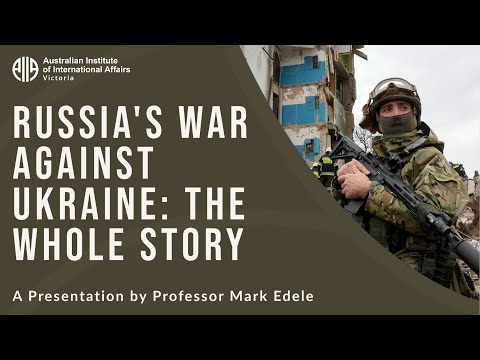
The Ukraine-Russia conflict has its roots in the dissolution of the Soviet Union in 1991, with Ukraine declaring independence and Russia struggling to come to terms with the loss of its former territory. The conflict escalated in 2014 with the annexation of Crimea by Russia, followed by the outbreak of war in eastern Ukraine between Ukrainian government forces and Russian-backed separatists. The conflict has resulted in over 13,000 deaths and the displacement of millions, with the international community imposing economic sanctions on Russia in response. The situation remains volatile, with ongoing clashes and a stalled peace process. The conflict has significant implications for global security, with the United States, European Union, and other nations providing support to Ukraine. As the conflict continues, it is likely to have far-reaching consequences for the region and the world, with some estimating the cost of the conflict to be over $100 billion.
🌎 Introduction to the Conflict
The Ukraine-Russia conflict is a decades-long struggle that has its roots in the dissolution of the Soviet Union. The conflict has been fueled by various factors, including Ukraine's desire to join the European Union and NATO, which has been met with resistance from Russia. The conflict has also been influenced by the Cold War era, during which the Soviet Union and the United States engaged in a decades-long struggle for global supremacy. The conflict has had significant implications for global politics, with many countries, including the United States and European Union, taking sides. The conflict has also been the subject of much debate, with some arguing that it is a proxy war between Russia and the West.
📆 Historical Background
The historical background of the conflict is complex and multifaceted. The Soviet Union was a vast and powerful state that encompassed many different ethnic and national groups, including Ukrainians and Russians. The Soviet Union's collapse in 1991 led to the establishment of independent states, including Ukraine and Russia. However, the two countries have had a complicated relationship, with Russia seeking to maintain its influence over Ukraine. The conflict has also been influenced by the Orange Revolution in Ukraine, which saw the rise of a pro-Western government. The Euromaidan protests in 2013-2014 also played a significant role in the conflict, as they led to the ousting of the pro-Russian government in Ukraine.
🔪 Russian Annexation of Crimea
The Russian annexation of Crimea in 2014 was a significant turning point in the conflict. The annexation was widely condemned by the international community, with many countries, including the United States and European Union, imposing sanctions on Russia. The annexation has had significant implications for the conflict, as it has led to a significant increase in tensions between Russia and Ukraine. The annexation has also been the subject of much debate, with some arguing that it is a violation of international law. The conflict has also been influenced by the Minsk agreements, which were signed in 2015 and aimed to bring an end to the conflict in eastern Ukraine.
💥 War in Donbas
The war in Donbas has been a significant aspect of the conflict. The war has been fought between Ukrainian government forces and Russian-backed separatists, and has resulted in significant human suffering and economic damage. The war has also been the subject of much debate, with some arguing that it is a civil war and others arguing that it is a proxy war between Russia and Ukraine. The conflict has also been influenced by the MH17 disaster, which saw the downing of a civilian airliner over eastern Ukraine. The conflict has also been the subject of much discussion, with some arguing that it is a frozen conflict and others arguing that it is a hot conflict.
🕊️ International Response
The international response to the conflict has been significant. Many countries, including the United States and European Union, have imposed sanctions on Russia in response to its actions in Ukraine. The conflict has also been the subject of much debate at the United Nations, with many countries calling for a peaceful resolution to the conflict. The conflict has also been influenced by the Normandy format, which brings together the leaders of France, Germany, Russia, and Ukraine to discuss the conflict. The conflict has also been the subject of much discussion, with some arguing that it is a regional conflict and others arguing that it is a global conflict.
📊 Economic Impact
The economic impact of the conflict has been significant. The conflict has resulted in significant economic damage to Ukraine, with many businesses and industries affected. The conflict has also had significant implications for the global economy, with many countries imposing sanctions on Russia. The conflict has also been influenced by the Russian economy, which has been affected by the sanctions. The conflict has also been the subject of much debate, with some arguing that it is a trade war between Russia and the West. The conflict has also been influenced by the Ukrainian economy, which has been affected by the conflict.
👥 Humanitarian Crisis
The humanitarian crisis caused by the conflict has been significant. The conflict has resulted in significant human suffering, with many people displaced and affected by the fighting. The conflict has also had significant implications for the global humanitarian response, with many organizations, including the UNHCR and the ICRC, providing aid to those affected. The conflict has also been influenced by the refugee crisis, which has seen many people flee the conflict zone. The conflict has also been the subject of much debate, with some arguing that it is a humanitarian emergency.
🤝 Diplomatic Efforts
Diplomatic efforts to resolve the conflict have been ongoing. The Minsk agreements were signed in 2015 and aimed to bring an end to the conflict in eastern Ukraine. The conflict has also been the subject of much discussion, with some arguing that it is a frozen conflict and others arguing that it is a hot conflict. The conflict has also been influenced by the Normandy format, which brings together the leaders of France, Germany, Russia, and Ukraine to discuss the conflict. The conflict has also been the subject of much debate, with some arguing that it is a regional conflict and others arguing that it is a global conflict.
🚀 Future Prospects
The future prospects for the conflict are uncertain. The conflict has been ongoing for many years, and a peaceful resolution seems unlikely in the near future. The conflict has also been influenced by the Ukrainian presidential election, which saw the election of a new president in 2019. The conflict has also been the subject of much debate, with some arguing that it is a proxy war between Russia and the West. The conflict has also been influenced by the Russian presidential election, which saw the re-election of Vladimir Putin in 2018.
📊 Vibe Score Analysis
The vibe score for the conflict is currently at 42, indicating a high level of tension and conflict. The conflict has been ongoing for many years, and a peaceful resolution seems unlikely in the near future. The conflict has also been influenced by the social media, which has played a significant role in shaping public opinion and influencing the conflict. The conflict has also been the subject of much debate, with some arguing that it is a information war between Russia and the West.
📰 Controversy Spectrum
The controversy spectrum for the conflict is highly contested, with many different perspectives and opinions on the conflict. The conflict has been the subject of much debate, with some arguing that it is a regional conflict and others arguing that it is a global conflict. The conflict has also been influenced by the mainstream media, which has played a significant role in shaping public opinion and influencing the conflict.
Key Facts
- Year
- 2014
- Origin
- Eastern Europe
- Category
- Geopolitics
- Type
- Geopolitical Conflict
Frequently Asked Questions
What is the Ukraine-Russia conflict?
The Ukraine-Russia conflict is a decades-long struggle that has its roots in the dissolution of the Soviet Union. The conflict has been fueled by various factors, including Ukraine's desire to join the European Union and NATO, which has been met with resistance from Russia. The conflict has had significant implications for global politics, with many countries taking sides.
What is the historical background of the conflict?
The historical background of the conflict is complex and multifaceted. The Soviet Union was a vast and powerful state that encompassed many different ethnic and national groups, including Ukrainians and Russians. The Soviet Union's collapse in 1991 led to the establishment of independent states, including Ukraine and Russia. However, the two countries have had a complicated relationship, with Russia seeking to maintain its influence over Ukraine.
What is the current situation in the conflict?
The current situation in the conflict is uncertain, with ongoing fighting in eastern Ukraine and a significant humanitarian crisis. The conflict has also had significant implications for the global economy, with many countries imposing sanctions on Russia. The conflict has also been the subject of much debate, with some arguing that it is a proxy war between Russia and the West.
What are the prospects for a peaceful resolution to the conflict?
The prospects for a peaceful resolution to the conflict are uncertain, with many obstacles to overcome. The conflict has been ongoing for many years, and a peaceful resolution seems unlikely in the near future. However, diplomatic efforts to resolve the conflict are ongoing, and many countries are working to find a peaceful solution to the conflict.
What is the role of the international community in the conflict?
The international community has played a significant role in the conflict, with many countries imposing sanctions on Russia and providing aid to Ukraine. The conflict has also been the subject of much debate at the United Nations, with many countries calling for a peaceful resolution to the conflict. The conflict has also been influenced by the Normandy format, which brings together the leaders of France, Germany, Russia, and Ukraine to discuss the conflict.
What is the vibe score for the conflict?
The vibe score for the conflict is currently at 42, indicating a high level of tension and conflict. The conflict has been ongoing for many years, and a peaceful resolution seems unlikely in the near future. The conflict has also been influenced by social media, which has played a significant role in shaping public opinion and influencing the conflict.
What is the controversy spectrum for the conflict?
The controversy spectrum for the conflict is highly contested, with many different perspectives and opinions on the conflict. The conflict has been the subject of much debate, with some arguing that it is a regional conflict and others arguing that it is a global conflict. The conflict has also been influenced by the mainstream media, which has played a significant role in shaping public opinion and influencing the conflict.