
Contents
- 🌎 Introduction to UN Agencies
- 📈 History of UN Agencies: Evolution and Expansion
- 👥 Structure and Membership: Who's Involved
- 💼 Functions and Responsibilities: A Closer Look
- 🌈 Specialized Agencies: The UN Family
- 🤝 Programmes and Funds: Addressing Global Challenges
- 📊 Funding and Budget: The Financial Aspect
- 🌐 Coordination and Reform: Challenges and Opportunities
- 🌟 Success Stories and Impact: Making a Difference
- 🚨 Criticisms and Controversies: The Dark Side
- 🔮 Future Directions: Adapting to a Changing World
- Frequently Asked Questions
- Related Topics
Overview
The United Nations (UN) is comprised of numerous specialized agencies, each addressing a unique aspect of global governance, from refugees and human rights to food security and climate change. Established in the aftermath of World War II, the UN system has evolved significantly, with agencies such as the United Nations High Commissioner for Refugees (UNHCR), the World Food Programme (WFP), and the United Nations Children's Fund (UNICEF) playing critical roles in international development and humanitarian response. Despite their importance, UN agencies face challenges such as funding constraints, bureaucratic inefficiencies, and geopolitical tensions. The effectiveness of these agencies is often debated, with some arguing they are indispensable for global stability and others criticizing their limited capacity to address pressing issues. As the world navigates the complexities of the 21st century, the future of UN agencies will depend on their ability to adapt and innovate in response to emerging challenges. With a combined budget of over $50 billion and a presence in nearly every country, the impact of UN agencies is undeniable, but their continued relevance and success are far from guaranteed.
🌎 Introduction to UN Agencies
The United Nations (UN) is a complex web of global governance, comprising numerous agencies, programs, and funds. At its core, the UN aims to promote peace, security, and cooperation among its member states. The United Nations was established in 1945, in the aftermath of World War II, with the signing of the UN Charter. The UN is headquartered in New York City and has six official languages: Arabic, Chinese, English, French, Russian, and Spanish. The organization is led by the Secretary-General, who is elected by the UN General Assembly for a five-year term. The current Secretary-General is António Guterres, who has been in office since 2017.
📈 History of UN Agencies: Evolution and Expansion
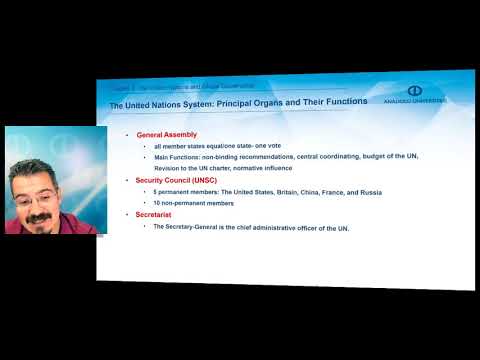
The history of UN agencies dates back to the early 20th century, with the establishment of the League of Nations after World War I. However, it was not until the founding of the UN in 1945 that the modern system of global governance began to take shape. The UN Charter established the UN Security Council, which is responsible for maintaining international peace and security. The Security Council has 15 members, including five permanent members: China, France, Russia, the United Kingdom, and the United States. The UN has undergone several expansions and reforms over the years, including the creation of new agencies and programs, such as the UN Development Programme and the UN Children's Fund.
👥 Structure and Membership: Who's Involved
The structure and membership of UN agencies are complex and multifaceted. The UN has 193 member states, each with its own unique perspective and interests. The UN General Assembly is the main deliberative and representative organ of the UN, where all member states have an equal vote. The UN also has a number of specialized agencies, such as the World Health Organization and the Food and Agriculture Organization, which are responsible for addressing specific global challenges. These agencies are funded by a combination of assessed and voluntary contributions from member states. The UN also has a number of programs and funds, such as the UN Environment Programme and the UN Population Fund, which are responsible for addressing specific issues and challenges.
💼 Functions and Responsibilities: A Closer Look
The functions and responsibilities of UN agencies are diverse and far-reaching. The UN is responsible for maintaining international peace and security, promoting sustainable development, and protecting human rights. The UN Human Rights Council is responsible for promoting and protecting human rights, while the UN High Commissioner for Refugees is responsible for protecting and assisting refugees. The UN also has a number of agencies and programs that focus on specific issues, such as HIV/AIDS, Malaria, and Tuberculosis. These agencies and programs work together to address the complex and interconnected challenges facing the world today.
🌈 Specialized Agencies: The UN Family
The UN has a number of specialized agencies, which are responsible for addressing specific global challenges. The World Bank is a specialized agency that provides financial and technical assistance to developing countries. The International Labour Organization is another specialized agency that promotes social and economic justice by setting international labor standards. The UN Educational, Scientific and Cultural Organization (UNESCO) is a specialized agency that promotes education, science, and culture. These agencies are funded by a combination of assessed and voluntary contributions from member states and work together to address the complex and interconnected challenges facing the world today.
🤝 Programmes and Funds: Addressing Global Challenges
The UN has a number of programs and funds that address specific global challenges. The UN Development Programme is a program that focuses on eradicating poverty and reducing inequality. The UN Children's Fund is a fund that provides humanitarian aid to children in crisis situations. The UN Environment Programme is a program that addresses environmental issues, such as climate change and biodiversity loss. These programs and funds work together to address the complex and interconnected challenges facing the world today. The UN also has a number of partnerships with other organizations, such as the Bill and Melinda Gates Foundation and the World Economic Forum, to leverage resources and expertise.
📊 Funding and Budget: The Financial Aspect
The funding and budget of UN agencies are complex and multifaceted. The UN is funded by a combination of assessed and voluntary contributions from member states. The UN budget is approved by the UN General Assembly and is based on a biennial budget cycle. The UN also has a number of extra-budgetary resources, such as trust funds and special accounts, which are used to support specific programs and activities. The UN has faced several funding challenges in recent years, including a decline in voluntary contributions and a increase in assessed contributions. The UN has also faced criticism for its budget and funding practices, including allegations of inefficiency and waste.
🌐 Coordination and Reform: Challenges and Opportunities
The coordination and reform of UN agencies are ongoing challenges. The UN has undergone several reforms in recent years, including the creation of a new UN Department of Field Support and the establishment of a new UN Office for the Coordination of Humanitarian Affairs. The UN has also faced criticism for its coordination and reform efforts, including allegations of bureaucratic inefficiency and lack of transparency. The UN has a number of partnerships with other organizations, such as the World Bank and the International Monetary Fund, to leverage resources and expertise. The UN has also established a number of coordination mechanisms, such as the UN System Chief Executives Board for Coordination, to improve coordination and cooperation among its agencies and programs.
🌟 Success Stories and Impact: Making a Difference
The success stories and impact of UN agencies are numerous and significant. The UN has played a key role in promoting peace and security, eradicating poverty, and protecting human rights. The UN Peacekeeping operations have helped to maintain peace and stability in several countries, including the Democratic Republic of the Congo and South Sudan. The UN Development Programme has helped to reduce poverty and inequality in several countries, including China and India. The UN has also played a key role in promoting sustainable development, including the adoption of the Sustainable Development Goals (SDGs) in 2015.
🚨 Criticisms and Controversies: The Dark Side
The criticisms and controversies surrounding UN agencies are numerous and significant. The UN has faced criticism for its bureaucratic inefficiency, lack of transparency, and ineffectiveness in addressing global challenges. The UN has also faced criticism for its funding practices, including allegations of corruption and waste. The UN has also faced criticism for its human rights record, including allegations of human rights abuses in several countries, including Myanmar and Syria. The UN has also faced criticism for its response to several global crises, including the Ebola outbreak in West Africa and the Rohingya crisis in Myanmar.
🔮 Future Directions: Adapting to a Changing World
The future directions of UN agencies are uncertain and complex. The UN faces several challenges, including a decline in funding, a rise in nationalism, and a shift in global power dynamics. The UN has also faced criticism for its lack of reform and its inability to adapt to changing global circumstances. The UN has established a number of initiatives, such as the UN 2030 Agenda for Sustainable Development, to address these challenges and promote sustainable development. The UN has also established a number of partnerships with other organizations, such as the World Economic Forum and the Bill and Melinda Gates Foundation, to leverage resources and expertise.
Key Facts
- Year
- 1945
- Origin
- San Francisco, USA
- Category
- International Relations
- Type
- International Organization
Frequently Asked Questions
What is the main purpose of the UN?
The main purpose of the UN is to promote peace, security, and cooperation among its member states. The UN was established in 1945, in the aftermath of World War II, with the signing of the UN Charter. The UN has a number of agencies, programs, and funds that work together to address the complex and interconnected challenges facing the world today. The UN has played a key role in promoting peace and security, eradicating poverty, and protecting human rights. The UN has also played a key role in promoting sustainable development, including the adoption of the Sustainable Development Goals (SDGs) in 2015.
How is the UN funded?
The UN is funded by a combination of assessed and voluntary contributions from member states. The UN budget is approved by the UN General Assembly and is based on a biennial budget cycle. The UN also has a number of extra-budgetary resources, such as trust funds and special accounts, which are used to support specific programs and activities. The UN has faced several funding challenges in recent years, including a decline in voluntary contributions and an increase in assessed contributions.
What are the main agencies of the UN?
The main agencies of the UN include the UN Security Council, the UN General Assembly, the UN Economic and Social Council, and the UN Secretariat. The UN also has a number of specialized agencies, such as the World Health Organization and the Food and Agriculture Organization, which are responsible for addressing specific global challenges. The UN also has a number of programs and funds, such as the UN Development Programme and the UN Children's Fund, which are responsible for addressing specific issues and challenges.
What are the Sustainable Development Goals (SDGs)?
The Sustainable Development Goals (SDGs) are a set of 17 goals that were adopted by the UN in 2015. The SDGs are a universal call to action to end poverty, protect the planet, and ensure that all people enjoy peace and prosperity. The SDGs include goals such as No Poverty, Zero Hunger, and Good Health and Well-being. The SDGs are a key part of the UN 2030 Agenda for Sustainable Development, which is a plan of action for people, planet, and prosperity.
How does the UN promote human rights?
The UN promotes human rights through a number of mechanisms, including the UN Human Rights Council and the UN Office of the High Commissioner for Human Rights. The UN also has a number of treaties and conventions that promote human rights, such as the Universal Declaration of Human Rights and the International Covenant on Civil and Political Rights. The UN has also established a number of special procedures, such as special rapporteurs and independent experts, to monitor and promote human rights in specific countries and contexts.
What is the role of the UN in promoting peace and security?
The UN plays a key role in promoting peace and security through a number of mechanisms, including UN Peacekeeping operations and the UN Security Council. The UN has played a key role in maintaining peace and stability in several countries, including the Democratic Republic of the Congo and South Sudan. The UN has also played a key role in promoting disarmament and non-proliferation, including through the UN Office for Disarmament Affairs.
How does the UN address global challenges such as climate change and pandemics?
The UN addresses global challenges such as climate change and pandemics through a number of mechanisms, including the UN Environment Programme and the World Health Organization. The UN has played a key role in promoting international cooperation and action on climate change, including through the Paris Agreement. The UN has also played a key role in responding to pandemics, including the Ebola outbreak in West Africa and the COVID-19 pandemic.