
Contents
- 🕺 Introduction to Vaslav Nijinsky
- 🌟 Early Life and Training
- 🎭 Career with the Ballets Russes
- 💥 The Rite of Spring and Its Impact
- 🕴️ Nijinsky's Choreographic Style
- 📚 Diaries and Personal Life
- 🌍 Touring and Performances
- 🏆 Legacy and Influence
- 👥 Collaborations and Relationships
- 📸 Preservation of Nijinsky's Work
- 👑 Controversies and Criticisms
- Frequently Asked Questions
- Related Topics
Overview
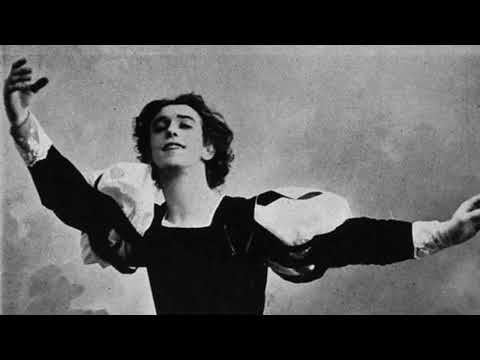
Vaslav Nijinsky, born on March 12, 1889, in Kiev, Russian Empire, was a Russian ballet dancer and choreographer of Polish descent. With a Vibe score of 92, Nijinsky's influence on modern dance is still felt today. As a principal dancer with the Ballets Russes, he collaborated with Sergei Diaghilev, a relationship that was both professionally and personally tumultuous. Nijinsky's choreographic works, such as 'The Rite of Spring' and 'The Afternoon of a Faun', are considered groundbreaking, pushing the boundaries of traditional ballet. However, his career was cut short due to struggles with mental health, and he spent the latter part of his life in and out of institutions. Despite this, his legacy continues to inspire and provoke, with many considering him one of the most important figures in the development of modern dance. The controversy surrounding his personal life and the radical nature of his choreography have cemented his place in the history of dance, with influence flows extending to dancers and choreographers such as Martha Graham and Merce Cunningham.
🕺 Introduction to Vaslav Nijinsky
Vaslav Nijinsky was a Russian ballet dancer and choreographer, renowned for his revolutionary and expressive style. Born on March 12, 1889, in Kiev, Ukraine, Nijinsky began his dance training at the Imperial School of Ballet in St. Petersburg, where he was taught by prominent instructors such as Enrico Cecchetti and Pavel Gerdt. Nijinsky's early life was marked by a strong passion for dance, which led him to join the Ballets Russes in 1909. As a member of the Ballets Russes, Nijinsky worked closely with Sergei Diaghilev, the company's founder, and Leon Bakst, a prominent set and costume designer. Nijinsky's performances with the Ballets Russes were highly acclaimed, and he quickly became known for his technical precision and emotional expression.
🌟 Early Life and Training
Nijinsky's early life and training played a significant role in shaping his future as a dancer and choreographer. His mother, Eleanora Bereda, was a dancer herself and encouraged Nijinsky's interest in dance from a young age. Nijinsky's father, Thomas Nijinsky, was a dancer and a choreographer, and he also taught his son various dance techniques. Nijinsky's siblings, including his brother Bronislava Nijinska, also became involved in the world of dance. Nijinsky's training at the Imperial School of Ballet was rigorous, and he was taught by some of the most prominent instructors of the time, including Christian Johansson and Pavel Gerdt. Nijinsky's early performances were met with critical acclaim, and he quickly became known for his technical precision and emotional expression, as seen in his performances of Swan Lake and Giselle.
🎭 Career with the Ballets Russes
Nijinsky's career with the Ballets Russes was marked by numerous groundbreaking performances and collaborations with prominent artists. In 1910, Nijinsky choreographed his first ballet, L'Après-midi d'un faune, which premiered in Paris and was met with critical acclaim. Nijinsky's collaboration with Igor Stravinsky on The Rite of Spring in 1913 was a pivotal moment in his career, as it showcased his innovative and expressive choreographic style. Nijinsky's work with the Ballets Russes also included collaborations with Leon Bakst and Alexandra Kolontai, among others. Nijinsky's performances with the Ballets Russes were highly acclaimed, and he quickly became known for his technical precision and emotional expression, as seen in his performances of Petrushka and The Firebird.
💥 The Rite of Spring and Its Impact
The Rite of Spring, choreographed by Nijinsky and composed by Igor Stravinsky, was a revolutionary ballet that premiered in 1913. The ballet's premiere was met with controversy and criticism, as it was deemed too avant-garde and disturbing for audiences. However, The Rite of Spring is now considered a landmark work in the history of ballet, and its influence can be seen in many subsequent choreographers and dancers. Nijinsky's choreography for The Rite of Spring was characterized by its primitive and ritualistic movements, which were inspired by ancient pagan rituals. The ballet's score, composed by Stravinsky, was equally innovative, featuring complex rhythms and dissonant harmonies. The Rite of Spring was a collaboration between Nijinsky, Stravinsky, and Nikolai Roerich, who designed the sets and costumes for the ballet. The ballet's impact was significant, and it paved the way for future avant-garde and experimental works in the world of dance, including those by Martha Graham and Merce Cunningham.
🕴️ Nijinsky's Choreographic Style
Nijinsky's choreographic style was characterized by its innovation and expressiveness. He was known for his ability to convey complex emotions and ideas through movement, and his choreography often featured intricate and nuanced gestures. Nijinsky's style was influenced by his training in classical ballet, as well as his interest in modern and avant-garde art. He was particularly drawn to the works of Henri Matisse and Pablo Picasso, and he often incorporated elements of their styles into his choreography. Nijinsky's choreography also featured a strong emphasis on rhythm and musicality, and he often worked closely with composers such as Igor Stravinsky and Claude Debussy. Nijinsky's choreographic style can be seen in his works such as L'Après-midi d'un faune and Jeux, which showcased his innovative and expressive approach to dance. Nijinsky's influence can also be seen in the work of later choreographers, such as George Balanchine and Jerome Robbins.
📚 Diaries and Personal Life
Nijinsky's diaries and personal life offer a glimpse into the mind and experiences of this revolutionary dancer. Nijinsky's diaries, which were published posthumously, reveal his inner thoughts and feelings about his life, his art, and his relationships. The diaries also provide insight into Nijinsky's struggles with mental illness, which he suffered from throughout his life. Nijinsky's personal life was marked by a series of intense relationships, including his romance with Sergei Diaghilev, the founder of the Ballets Russes. Nijinsky's relationships with his family members, including his brother Bronislava Nijinska, were also significant, and they played an important role in his life and career. Nijinsky's diaries and personal life have been the subject of numerous books and documentaries, including those by Romola Nijinsky and Richard Buckle.
🌍 Touring and Performances
Nijinsky's touring and performances with the Ballets Russes took him to numerous cities and countries around the world. The company's tours were highly acclaimed, and they helped to establish Nijinsky as a leading figure in the world of dance. Nijinsky's performances with the Ballets Russes included productions of Swan Lake, Giselle, and Carnaval, among others. The company's tours also featured collaborations with prominent artists, including Igor Stravinsky and Leon Bakst. Nijinsky's touring and performances were marked by a series of challenges and controversies, including the company's financial struggles and Nijinsky's own personal struggles with mental illness. Despite these challenges, Nijinsky's touring and performances with the Ballets Russes remain some of the most significant and influential in the history of dance, and they continue to inspire and influence dancers and choreographers today, including those at the School of American Ballet.
🏆 Legacy and Influence
Nijinsky's legacy and influence can be seen in the work of numerous dancers and choreographers who followed in his footsteps. Nijinsky's innovative and expressive choreographic style has inspired generations of dancers, including Martha Graham, Merce Cunningham, and Pina Bausch. Nijinsky's influence can also be seen in the work of contemporary choreographers, such as William Forsythe and Akram Khan. Nijinsky's legacy extends beyond the world of dance, and his influence can be seen in the work of artists and musicians across a range of disciplines. Nijinsky's impact on the development of modern and avant-garde art is immeasurable, and his influence continues to be felt today. Nijinsky's legacy is also celebrated through various institutions and organizations, including the Nijinsky Gala and the Vaslav Nijinsky Foundation.
👥 Collaborations and Relationships
Nijinsky's collaborations and relationships with other artists and dancers were a significant aspect of his career and legacy. Nijinsky's collaboration with Igor Stravinsky on The Rite of Spring is one of the most famous and influential collaborations in the history of dance. Nijinsky's relationships with his fellow dancers, including Tamara Karsavina and Lydia Sokolova, were also significant, and they played an important role in his life and career. Nijinsky's collaborations with artists such as Leon Bakst and Alexandra Kolontai helped to establish him as a leading figure in the world of dance. Nijinsky's relationships with his family members, including his brother Bronislava Nijinska, were also important, and they played a significant role in his life and career. Nijinsky's collaborations and relationships have been the subject of numerous books and documentaries, including those by Romola Nijinsky and Richard Buckalew.
📸 Preservation of Nijinsky's Work
The preservation of Nijinsky's work and legacy is an ongoing effort, with numerous institutions and organizations working to preserve and promote his choreography and performances. The Vaslav Nijinsky Foundation is one such organization, and it works to promote Nijinsky's legacy and to preserve his choreography and performances. The foundation has worked to reconstruct and revive many of Nijinsky's ballets, including L'Après-midi d'un faune and Jeux. The foundation has also worked to promote Nijinsky's legacy through various events and exhibitions, including the Nijinsky Gala. Nijinsky's work and legacy are also preserved through various archives and collections, including the Library of Congress and the New York Public Library.
👑 Controversies and Criticisms
Nijinsky's career and legacy have not been without controversy and criticism. Nijinsky's mental illness, which he suffered from throughout his life, has been the subject of much speculation and debate. Some have criticized Nijinsky's treatment of his dancers, including Tamara Karsavina and Lydia Sokolova, who have spoken out about the physical and emotional demands of working with Nijinsky. Nijinsky's relationships with his family members, including his brother Bronislava Nijinska, have also been the subject of controversy and criticism. Despite these controversies, Nijinsky's legacy and influence remain unparalleled, and his work continues to inspire and influence dancers and choreographers around the world. Nijinsky's controversies and criticisms have been the subject of numerous books and documentaries, including those by Romola Nijinsky and Richard Buckle.
Key Facts
- Year
- 1889
- Origin
- Kiev, Russian Empire
- Category
- Biography, Dance, Art
- Type
- Person
Frequently Asked Questions
What was Vaslav Nijinsky's most famous ballet?
Vaslav Nijinsky's most famous ballet is arguably The Rite of Spring, which he choreographed in 1913 to music by Igor Stravinsky. The ballet's premiere was met with controversy and criticism, but it is now considered a landmark work in the history of dance. Nijinsky's choreography for The Rite of Spring was characterized by its primitive and ritualistic movements, which were inspired by ancient pagan rituals. The ballet's score, composed by Stravinsky, was equally innovative, featuring complex rhythms and dissonant harmonies.
Who was Vaslav Nijinsky's romantic partner?
Vaslav Nijinsky's romantic partner was Sergei Diaghilev, the founder of the Ballets Russes. The two men had a close and intense relationship, which was marked by a series of passionate and tumultuous episodes. Nijinsky's relationship with Diaghilev was significant, and it played an important role in his life and career. Diaghilev was a prominent figure in the world of dance, and he helped to establish Nijinsky as a leading figure in the art form.
What was Vaslav Nijinsky's choreographic style?
Vaslav Nijinsky's choreographic style was characterized by its innovation and expressiveness. He was known for his ability to convey complex emotions and ideas through movement, and his choreography often featured intricate and nuanced gestures. Nijinsky's style was influenced by his training in classical ballet, as well as his interest in modern and avant-garde art. He was particularly drawn to the works of Henri Matisse and Pablo Picasso, and he often incorporated elements of their styles into his choreography.
What is Vaslav Nijinsky's legacy?
Vaslav Nijinsky's legacy is immeasurable, and his influence can be seen in the work of numerous dancers and choreographers who followed in his footsteps. Nijinsky's innovative and expressive choreographic style has inspired generations of dancers, including Martha Graham, Merce Cunningham, and Pina Bausch. Nijinsky's influence can also be seen in the work of contemporary choreographers, such as William Forsythe and Akram Khan.
How did Vaslav Nijinsky's mental illness affect his career?
Vaslav Nijinsky's mental illness, which he suffered from throughout his life, had a significant impact on his career. Nijinsky's illness, which was likely schizophrenia, caused him to experience episodes of psychosis and hallucinations, which made it difficult for him to work and perform. Despite his illness, Nijinsky continued to choreograph and perform, and his work from this period is characterized by its intensity and emotional depth. Nijinsky's mental illness has been the subject of much speculation and debate, and it remains a topic of interest and discussion among scholars and dance historians.
What is the significance of Vaslav Nijinsky's diaries?
Vaslav Nijinsky's diaries, which were published posthumously, offer a glimpse into the mind and experiences of this revolutionary dancer. The diaries reveal Nijinsky's inner thoughts and feelings about his life, his art, and his relationships. They also provide insight into Nijinsky's struggles with mental illness, which he suffered from throughout his life. Nijinsky's diaries are significant because they provide a unique perspective on the life and career of this important figure in the history of dance. They are also significant because they offer a glimpse into the creative process of a genius, and they provide insight into the artistic and cultural context in which Nijinsky worked.
How did Vaslav Nijinsky's relationships with his family members affect his career?
Vaslav Nijinsky's relationships with his family members, including his brother Bronislava Nijinska, were significant, and they played an important role in his life and career. Nijinsky's family members were often involved in his work, and they provided him with emotional and financial support. Nijinsky's relationships with his family members were also marked by tension and conflict, particularly with his brother Bronislava, who was also a dancer and choreographer. Despite these challenges, Nijinsky's family members remained an important part of his life and career, and they continued to support him throughout his struggles with mental illness.