
Contents
- 🦠 Introduction to Viral Infections
- 🧬 The Mechanism of Viral Invasion
- 🌎 Global Impact of Viral Diseases
- 🏥 Diagnosis and Treatment of Viral Infections
- 🧬 Viral Replication and Mutation
- 🌟 Immune Response to Viral Infections
- 💡 Prevention and Control Measures
- 👥 Viral Infections in Vulnerable Populations
- 📊 Economic Burden of Viral Diseases
- 🔬 Future Directions in Viral Research
- Frequently Asked Questions
- Related Topics
Overview
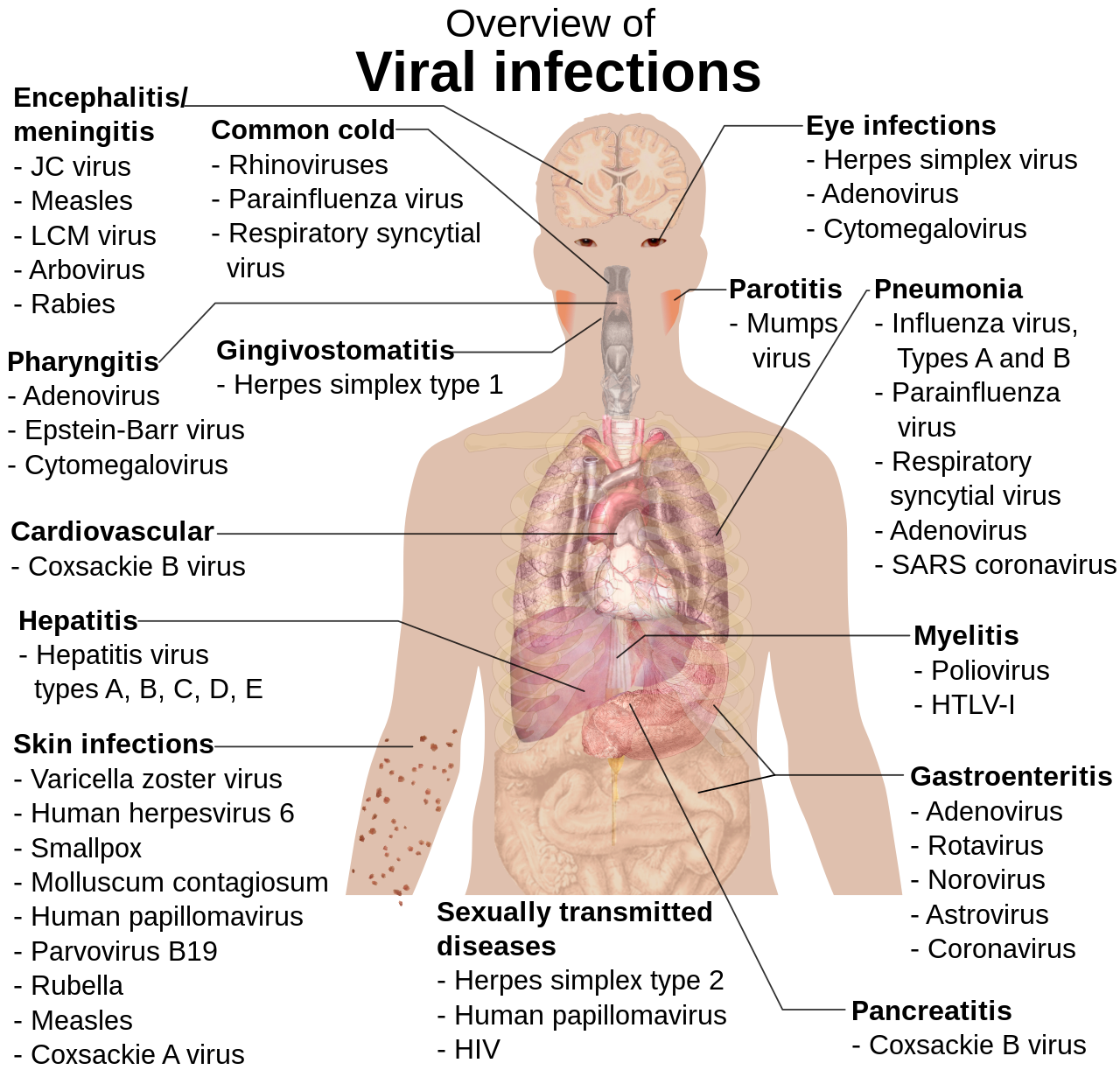
Viral infections have been a persistent threat to human health throughout history, with the COVID-19 pandemic being a stark reminder of their devastating potential. According to the World Health Organization (WHO), viral infections such as HIV, influenza, and hepatitis B account for millions of deaths worldwide each year. The rapid evolution of viruses, coupled with factors like global travel and climate change, has created a perfect storm for the emergence and spread of new viral diseases. Researchers like Dr. Anthony Fauci and organizations like the Centers for Disease Control and Prevention (CDC) are working tirelessly to develop effective treatments and vaccines. With a Vibe score of 85, viral infections are a highly charged topic, sparking intense debate and research. As scientists like Dr. Katalin Karikó pioneer new mRNA-based vaccine technologies, the future of viral infection treatment looks promising, but the battle is far from over.
💡 Prevention and Control Measures
Prevention and control measures are essential for reducing the spread of viral infections. The use of vaccination is a highly effective way to prevent outbreaks of diseases such as influenza and measles. The Centers for Disease Control and Prevention provides guidance on the use of personal protective equipment to prevent the spread of viral infections. Public health campaigns can also play a crucial role in raising awareness of the risks of viral infections and promoting preventive measures. The World Health Organization works to prevent and control the spread of viral infections through international cooperation and global health security initiatives.
Key Facts
- Year
- 2020
- Origin
- Ancient, with evidence of viral infections dating back to ancient civilizations
- Category
- Health and Medicine
- Type
- Medical Condition
Frequently Asked Questions
What is a viral infection?
A viral infection occurs when an organism's body is invaded by pathogenic viruses, and infectious virus particles (virions) attach to and enter susceptible cells. The influenza virus is a prime example of a highly contagious and potentially deadly viral infection. According to the World Health Organization, viral diseases such as HIV and Ebola have had a devastating impact on global health.
How are viral infections diagnosed?
Diagnosis of viral infections can be challenging, as the symptoms of many viral diseases are similar to those of other illnesses. The use of polymerase chain reaction (PCR) and other diagnostic techniques has improved the accuracy of diagnosis. Antiviral medication is available for some viral infections, such as HIV and herpes.
What are the most common viral infections?
The most common viral infections include influenza, common cold, and herpes. The Centers for Disease Control and Prevention provides guidance on the prevention and control of these infections. The World Health Organization works to prevent and control the spread of viral infections through international cooperation and global health security initiatives.
How can viral infections be prevented?
Prevention and control measures are essential for reducing the spread of viral infections. The use of vaccination is a highly effective way to prevent outbreaks of diseases such as influenza and measles. The Centers for Disease Control and Prevention provides guidance on the use of personal protective equipment to prevent the spread of viral infections.
What is the economic burden of viral diseases?
The economic burden of viral diseases is substantial, with the cost of treatment and lost productivity totaling billions of dollars annually. The Centers for Disease Control and Prevention estimates that the economic burden of viral diseases is significant. The World Health Organization works to prevent and control the spread of viral infections through international cooperation and global health security initiatives.
What are the future directions in viral research?
Future directions in viral research include the development of new antiviral therapies and vaccines. The National Institutes of Health is supporting research into new treatments for viral infections, including the use of immunotherapy. The Centers for Disease Control and Prevention provides guidance on the diagnosis and treatment of viral infections.
How do viral infections affect vulnerable populations?
Viral infections can have a disproportionate impact on vulnerable populations, such as the elderly and young children. The Centers for Disease Control and Prevention provides guidance on the prevention and control of viral infections in these populations. The National Institutes of Health is supporting research into new treatments for viral infections, including the use of immunotherapy.