
Contents
- 🏞️ Introduction to Wadi Rum
- 🌌 The Valley of the Moon
- 🏔️ Geography and Climate
- 📸 Tourism and Exploration
- 👥 The Bedouin People
- 🏃♂️ Adventure Activities
- 📚 History and Archaeology
- 🤝 Conservation Efforts
- 📊 Economic Impact
- 🌟 Cultural Significance
- 📸 Photography and Film
- 👀 Future Prospects
- Frequently Asked Questions
- Related Topics
Overview
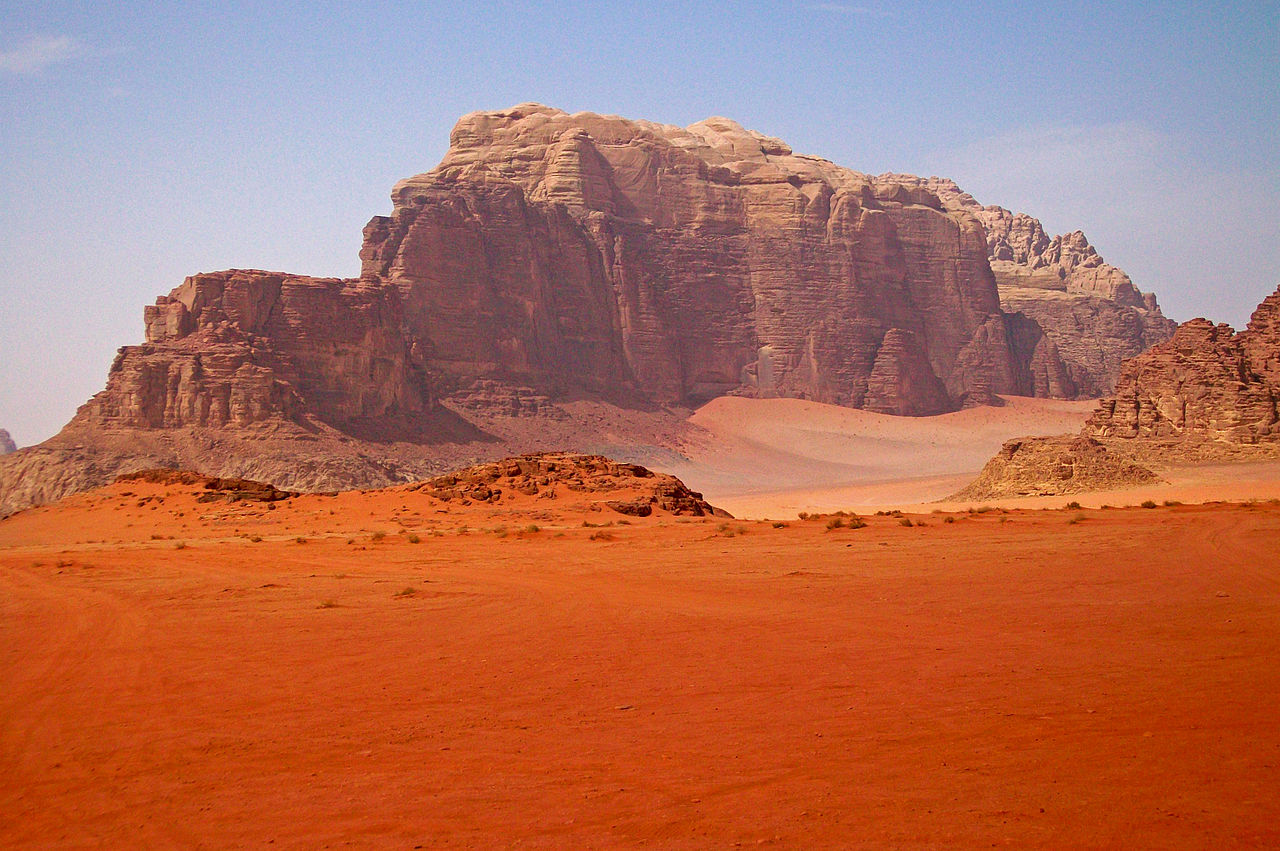
Wadi Rum, often referred to as the Valley of the Moon, is a breathtaking desert landscape in southern Jordan, known for its unique red sand and towering sandstone mountains. With a vibe score of 8, this natural wonder has been a source of inspiration for countless travelers, filmmakers, and adventurers. The area is home to the Zalabieh and Howeitat tribes, who have preserved their traditional Bedouin lifestyle despite the growing tourism industry. As a popular filming location, Wadi Rum has been featured in notable movies such as Lawrence of Arabia and The Martian. The site's cultural significance is undeniable, with evidence of human habitation dating back to the Neolithic period. As we look to the future, it's essential to consider the impact of tourism on the region's delicate ecosystem and the preservation of its rich cultural heritage, with entities like the Royal Society for the Conservation of Nature working to protect the area.
🏞️ Introduction to Wadi Rum
Wadi Rum, also known as the Valley of the Moon, is a breathtaking valley in southern Jordan, near the border with Saudi Arabia. With an area of 720 km2, it is the largest wadi in Jordan, offering a unique landscape of sandstone and granite rock formations. The valley is situated about 60 km to the east of the city of Aqaba, making it an easily accessible destination for tourists. Wadi Rum is a popular spot for hiking, camping, and exploring, with its stunning natural beauty and rich cultural heritage. Visitors can explore the valley's many attractions, including the Seven Pillars of Wisdom, a famous rock formation named after the book by T.E. Lawrence.
🌌 The Valley of the Moon
The Valley of the Moon is a nickname given to Wadi Rum due to its lunar-like landscape, with its red sand and unique rock formations. The valley has been inhabited by the Bedouin people for centuries, who have developed a rich culture and tradition in the area. Wadi Rum is also known for its stunning sunsets, which paint the sky with hues of red, orange, and pink. The valley's unique landscape and natural beauty make it a popular destination for photographers and filmmakers, who come to capture its breathtaking scenery. Wadi Rum has been featured in several films, including Lawrence of Arabia and The Martian.
🏔️ Geography and Climate
Wadi Rum's geography is characterized by its unique rock formations, which have been shaped by millions of years of erosion. The valley is cut into the sandstone and granite rock, creating a landscape of deep valleys and towering cliffs. The climate in Wadi Rum is hot and dry, with very little rainfall throughout the year. The valley is also home to a variety of flora and fauna, including the acacia tree and the oryx. Visitors can explore the valley's many hiking trails, which offer stunning views of the surrounding landscape. Wadi Rum is also a popular spot for rock climbing, with its unique rock formations offering a challenge for experienced climbers.
📸 Tourism and Exploration
Tourism is a significant contributor to Wadi Rum's economy, with thousands of visitors coming to the valley each year. The valley offers a range of activities, including hiking, camping, and rock climbing, as well as more leisurely pursuits like camel riding and stargazing. Visitors can also explore the valley's many archaeological sites, including the Petra ruins, which are a UNESCO World Heritage Site. Wadi Rum is also home to several Bedouin camps, which offer visitors the opportunity to experience the traditional Bedouin way of life. The valley's unique landscape and natural beauty make it a popular destination for photographers and filmmakers, who come to capture its breathtaking scenery.
👥 The Bedouin People
The Bedouin people have lived in Wadi Rum for centuries, developing a rich culture and tradition in the area. The Bedouin are a nomadic people, who have traditionally lived in the desert and relied on their camels and goats for survival. The Bedouin have a deep understanding of the desert and its rhythms, and have developed a unique way of life that is adapted to the harsh conditions of the desert. Visitors to Wadi Rum can experience the traditional Bedouin way of life by staying in a Bedouin camp, where they can learn about the Bedouin culture and traditions. The Bedouin are also known for their hospitality, and visitors are often invited to share a meal or a cup of tea with their hosts.
🏃♂️ Adventure Activities
Wadi Rum is a popular destination for adventure seekers, with its unique landscape and natural beauty offering a range of activities for visitors. The valley is home to several hiking trails, which offer stunning views of the surrounding landscape. Visitors can also go rock climbing, camel riding, or sandboarding in the valley. Wadi Rum is also a popular spot for stargazing, with its clear skies and lack of light pollution making it an ideal location for viewing the stars. The valley's unique landscape and natural beauty make it a popular destination for photographers and filmmakers, who come to capture its breathtaking scenery.
📚 History and Archaeology
Wadi Rum has a rich history and archaeology, with several sites of interest in the valley. The valley is home to several petroglyphs, which are ancient rock carvings that depict scenes of everyday life. The valley is also home to several archaeological sites, including the Khazneh ruins, which are a UNESCO World Heritage Site. Visitors can explore the valley's many archaeological sites, which offer a glimpse into the lives of the people who lived in the valley thousands of years ago. Wadi Rum is also home to several museums, which showcase the valley's history and culture.
🤝 Conservation Efforts
Conservation efforts are underway to protect Wadi Rum's unique landscape and natural beauty. The valley is home to several protected areas, which are designed to preserve the valley's flora and fauna. The valley is also home to several conservation projects, which aim to reduce the impact of tourism on the environment. Visitors can help to support conservation efforts by staying in eco-lodges and using sustainable tourism practices. The valley's unique landscape and natural beauty make it a popular destination for photographers and filmmakers, who come to capture its breathtaking scenery.
📊 Economic Impact
Wadi Rum's economy is largely based on tourism, with thousands of visitors coming to the valley each year. The valley offers a range of activities, including hiking, camping, and rock climbing, as well as more leisurely pursuits like camel riding and stargazing. The valley is also home to several Bedouin camps, which offer visitors the opportunity to experience the traditional Bedouin way of life. The valley's unique landscape and natural beauty make it a popular destination for photographers and filmmakers, who come to capture its breathtaking scenery. Wadi Rum is also home to several hotels and resorts, which offer a range of accommodation options for visitors.
🌟 Cultural Significance
Wadi Rum has a significant cultural significance, with its unique landscape and natural beauty making it a popular destination for photographers and filmmakers. The valley has been featured in several films, including Lawrence of Arabia and The Martian. The valley is also home to several festivals, which celebrate the valley's culture and traditions. Visitors can experience the valley's unique culture by attending a festival or by staying in a Bedouin camp. The valley's unique landscape and natural beauty make it a popular destination for photographers and filmmakers, who come to capture its breathtaking scenery.
📸 Photography and Film
Wadi Rum is a popular destination for photographers and filmmakers, with its unique landscape and natural beauty making it an ideal location for capturing breathtaking scenery. The valley has been featured in several films, including Lawrence of Arabia and The Martian. Visitors can capture the valley's stunning scenery by taking a photography tour or by exploring the valley on their own. The valley's unique landscape and natural beauty make it a popular destination for photographers and filmmakers, who come to capture its breathtaking scenery.
👀 Future Prospects
Wadi Rum's future prospects are bright, with the valley's unique landscape and natural beauty making it a popular destination for tourists. The valley is home to several conservation projects, which aim to reduce the impact of tourism on the environment. Visitors can help to support conservation efforts by staying in eco-lodges and using sustainable tourism practices. The valley's unique landscape and natural beauty make it a popular destination for photographers and filmmakers, who come to capture its breathtaking scenery. Wadi Rum is also home to several hotels and resorts, which offer a range of accommodation options for visitors.
Key Facts
- Year
- 1998
- Origin
- Jordan
- Category
- Geography and Culture
- Type
- Geological Formation
Frequently Asked Questions
What is Wadi Rum?
Wadi Rum is a valley in southern Jordan, near the border with Saudi Arabia. It is the largest wadi in Jordan, with an area of 720 km2. The valley is known for its unique landscape and natural beauty, with its red sand and unique rock formations. Wadi Rum is a popular destination for tourists, with its stunning scenery and rich cultural heritage.
Where is Wadi Rum located?
Wadi Rum is located in southern Jordan, near the border with Saudi Arabia. It is situated about 60 km to the east of the city of Aqaba, making it an easily accessible destination for tourists.
What activities can I do in Wadi Rum?
Wadi Rum offers a range of activities, including hiking, camping, rock climbing, camel riding, and stargazing. Visitors can also explore the valley's many archaeological sites, including the Petra ruins, which are a UNESCO World Heritage Site.
What is the best time to visit Wadi Rum?
The best time to visit Wadi Rum is in the spring and autumn, when the weather is mild and pleasant. The summer months can be very hot, while the winter months can be cold and rainy.
How can I get to Wadi Rum?
Wadi Rum is easily accessible by car or bus from the city of Aqaba. Visitors can also take a taxi or hire a private car and driver. The valley is also accessible by air, with several flights per week from Amman to Aqaba.
What should I wear in Wadi Rum?
Visitors to Wadi Rum should wear comfortable and practical clothing, including hiking boots, long-sleeved shirts, and pants. The sun can be very strong in the valley, so visitors should also bring sunscreen, a hat, and sunglasses.
Can I camp in Wadi Rum?
Yes, camping is allowed in Wadi Rum, but visitors must follow the valley's rules and regulations. Visitors can camp in designated campsites, which offer basic facilities such as toilets and showers.