
Contents
- 🏛️ Introduction to Washington D.C.
- 🗺️ Geography and Climate
- 🏞️ National Parks and Landmarks
- 🏛️ The White House and Government Institutions
- 📊 Politics and Elections
- 🎨 Cultural Significance and Iconic Events
- 👥 Demographics and Diversity
- 📚 Education and Research Institutions
- 💼 Economy and Industry
- 🚂 Transportation and Infrastructure
- 🤝 International Relations and Diplomacy
- 🔜 Future Developments and Challenges
- Frequently Asked Questions
- Related Topics
Overview
Washington D.C., with a vibe score of 85, is a city like no other, where the National Mall's iconic landmarks and the Smithsonian's vast collections converge with the intricate web of political power and influence. As the capital of the United States, it has been the stage for some of the most pivotal moments in American history, from the Civil Rights Movement to the present day. The city's unique blend of federal and local governance, coupled with its status as a global hub for international diplomacy, makes it a fascinating case study in the dynamics of power and policy. With a population of over 702,455 as of 2020, and a median household income of $85,203, Washington D.C. is a city of stark contrasts, where affluent neighborhoods like Georgetown and Dupont Circle coexist with areas struggling with poverty and gentrification. As the city looks to the future, it must balance its role as a symbol of American democracy with the needs and aspirations of its diverse and ever-changing population. With a controversy spectrum rating of 60, reflecting the intense debates over issues like voting rights, budget allocations, and urban development, Washington D.C. remains a city of unrelenting energy and enduring significance, influencing flows from figures like Martin Luther King Jr. to contemporary leaders, and with entity relationships that span the globe, from international embassies to local community organizations.
🏛️ Introduction to Washington D.C.
Washington D.C., the capital of the United States, is a city like no other. With a rich history dating back to Founding of Washington D.C., it has been the center of American politics for over two centuries. The city is home to many iconic landmarks, including the White House and the United States Capitol building. Visitors from all over the world come to experience the city's vibrant culture, which is reflected in its many Smithsonian museums and National Mall. As a hub for politics and international relations, Washington D.C. is also home to many embassies and international organizations.
🗺️ Geography and Climate
Geographically, Washington D.C. is located in the eastern United States, bordering the states of Maryland and Virginia. The city has a total area of approximately 68 square miles and a population of over 700,000 people. The climate in Washington D.C. is humid subtropical, with hot summers and cold winters. The city's geography is also characterized by the presence of the Potomac River, which runs along its southwestern border. For more information on the city's geography, visit the United States Geological Survey website. The city's unique geography has also played a significant role in shaping its history, with many historic events taking place along the National Mall.
🏞️ National Parks and Landmarks
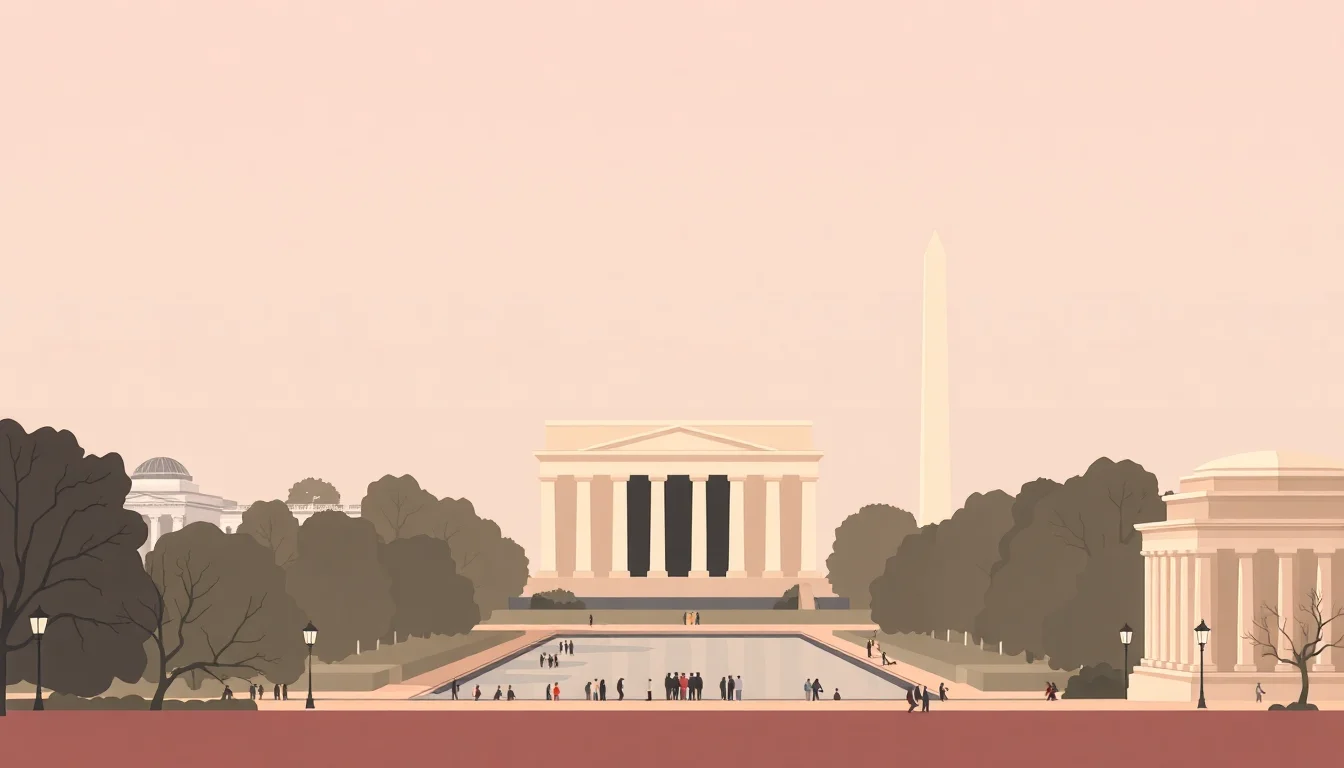
Washington D.C. is home to many beautiful national parks and landmarks, including the National Mall, which stretches from the Lincoln Memorial to the United States Capitol building. The city is also home to the Rock Creek Park, which is one of the largest urban parks in the United States. Other notable landmarks include the Washington Monument, the World War II Memorial, and the Vietnam Veterans Memorial. Visitors can learn more about these landmarks by visiting the National Park Service website. The city's many landmarks and monuments are also a testament to its rich history, which is reflected in its many historic house museums.
🏛️ The White House and Government Institutions
The White House, which is the official residence and workplace of the President of the United States, is one of the most iconic landmarks in Washington D.C. The building has been the site of many historic events, including the inauguration of the president. The city is also home to many other government institutions, including the United States Capitol building, the Supreme Court of the United States, and the Library of Congress. Visitors can take a tour of the White House or visit the National Archives to learn more about the city's government institutions. The city's government institutions are also closely tied to its many think tanks and research institutions.
📊 Politics and Elections
Washington D.C. is the center of American politics, with many important elections and political events taking place in the city. The city is home to many political parties, including the Democratic Party and the Republican Party. The city is also home to many lobbying groups and special interest groups, which play a significant role in shaping the city's politics. Visitors can learn more about the city's politics by visiting the Federal Election Commission website or attending a congressional hearing. The city's politics are also closely tied to its many non-governmental organizations and community organizations.
🎨 Cultural Significance and Iconic Events
Washington D.C. has a rich cultural significance, with many iconic events and landmarks that reflect the city's history and diversity. The city is home to many museums, including the Smithsonian Institution, which is the world's largest museum and research complex. The city is also home to many theaters, including the John F. Kennedy Center for the Performing Arts. Visitors can learn more about the city's cultural significance by visiting the National Endowment for the Arts website or attending a festival or parade. The city's cultural significance is also reflected in its many historic districts and landmarks.
👥 Demographics and Diversity
Washington D.C. is a diverse city, with a population that reflects the many different cultures and backgrounds that make up the United States. The city is home to many ethnic groups, including African Americans, Hispanic and Latino Americans, and Asian Americans. The city is also home to many LGBTQ+ communities, which have played a significant role in shaping the city's culture and politics. Visitors can learn more about the city's demographics by visiting the United States Census Bureau website or attending a cultural event. The city's diversity is also reflected in its many cuisines and restaurants.
📚 Education and Research Institutions
Washington D.C. is home to many education and research institutions, including Georgetown University and George Washington University. The city is also home to many think tanks and research institutions, which play a significant role in shaping the city's politics and culture. Visitors can learn more about the city's education and research institutions by visiting the National Science Foundation website or attending a lecture or conference. The city's education and research institutions are also closely tied to its many libraries and archives.
💼 Economy and Industry
Washington D.C. has a diverse economy, with many different industries and sectors that contribute to the city's growth and development. The city is home to many government agencies, including the federal government, which is the largest employer in the city. The city is also home to many private companies, including technology companies and non-profit organizations. Visitors can learn more about the city's economy by visiting the Bureau of Labor Statistics website or attending a business event. The city's economy is also closely tied to its many tourism and hospitality industries.
🚂 Transportation and Infrastructure
Washington D.C. has a well-developed transportation system, with many different options for getting around the city. The city is home to many public transportation systems, including the Washington Metro and the Metrobus. The city is also home to many airports, including Ronald Reagan Washington National Airport and Washington Dulles International Airport. Visitors can learn more about the city's transportation system by visiting the Washington Metropolitan Area Transit Authority website or attending a transportation event. The city's transportation system is also closely tied to its many bicycle and pedestrian infrastructure.
🤝 International Relations and Diplomacy
Washington D.C. plays a significant role in international relations, with many embassies and international organizations located in the city. The city is home to many diplomatic missions, including the United States Department of State. Visitors can learn more about the city's international relations by visiting the United States Department of State website or attending a diplomatic event. The city's international relations are also closely tied to its many non-governmental organizations and community organizations.
🔜 Future Developments and Challenges
As the capital of the United States, Washington D.C. is constantly evolving and changing. The city is home to many development projects, including the National Mall renovation and the Union Station redevelopment. Visitors can learn more about the city's future developments by visiting the National Park Service website or attending a community meeting. The city's future developments are also closely tied to its many sustainability initiatives and innovation hubs.
Key Facts
- Year
- 1790
- Origin
- Founded as the capital of the United States, named after George Washington
- Category
- Geography, Politics, Culture
- Type
- City
Frequently Asked Questions
What is the capital of the United States?
The capital of the United States is Washington D.C. The city has been the capital since Founding of Washington D.C. and is home to many government institutions, including the White House and the United States Capitol building. Visitors can learn more about the city's government institutions by visiting the National Archives or attending a congressional hearing. The city's government institutions are also closely tied to its many think tanks and research institutions.
What is the population of Washington D.C.?
The population of Washington D.C. is over 700,000 people. The city is a diverse and vibrant place, with many different cultures and backgrounds represented. Visitors can learn more about the city's demographics by visiting the United States Census Bureau website or attending a cultural event. The city's diversity is also reflected in its many cuisines and restaurants.
What are some popular landmarks in Washington D.C.?
Some popular landmarks in Washington D.C. include the White House, the United States Capitol building, and the National Mall. The city is also home to many other iconic landmarks, including the Washington Monument, the World War II Memorial, and the Vietnam Veterans Memorial. Visitors can learn more about these landmarks by visiting the National Park Service website or attending a guided tour.
What is the climate like in Washington D.C.?
The climate in Washington D.C. is humid subtropical, with hot summers and cold winters. The city experiences a wide range of temperatures throughout the year, with average highs in the summer reaching over 90 degrees Fahrenheit and average lows in the winter reaching below 20 degrees Fahrenheit. Visitors can learn more about the city's climate by visiting the National Weather Service website or attending a weather event.
What are some popular things to do in Washington D.C.?
Some popular things to do in Washington D.C. include visiting the National Mall, attending a Smithsonian museum or theater performance, and taking a tour of the White House or United States Capitol building. The city is also home to many restaurants and bars, which offer a wide range of cuisines and drinks. Visitors can learn more about the city's attractions by visiting the Destination DC website or attending a cultural event.
How do I get around Washington D.C.?
There are many ways to get around Washington D.C., including using the Washington Metro or Metrobus public transportation systems. The city is also home to many taxis and ride-hailing services, which offer a convenient way to get around the city. Visitors can learn more about the city's transportation options by visiting the Washington Metropolitan Area Transit Authority website or attending a transportation event.
What are some popular neighborhoods in Washington D.C.?
Some popular neighborhoods in Washington D.C. include Georgetown, Dupont Circle, and Adams Morgan. Each neighborhood has its own unique character and attractions, and visitors can learn more about them by visiting the Destination DC website or attending a community event. The city's neighborhoods are also closely tied to its many cuisines and restaurants.