
Contents
- 🌎 Introduction to Water Conflicts
- 💧 Historical Context of Water Wars
- 🌈 Types of Water Conflicts
- 🚨 Causes of Water Conflicts
- 🌍 Global Examples of Water Conflicts
- 🤝 International Cooperation on Water Issues
- 🚫 Water Conflict Resolution Mechanisms
- 📊 Economic Impacts of Water Conflicts
- 🌟 Innovative Solutions to Water Conflicts
- 🌐 Future of Water Conflict Management
- 📈 Vibe Score Analysis of Water Conflicts
- Frequently Asked Questions
- Related Topics
Overview
Water conflicts have been a recurring theme throughout history, with evidence of disputes over this precious resource dating back to ancient civilizations such as Egypt and Mesopotamia. The issue is particularly pressing in regions like the Middle East, where countries like Israel, Palestine, and Jordan have been embroiled in a decades-long struggle for control over the Jordan River. According to a report by the World Bank, the global demand for water is projected to exceed supply by 40% by 2030, with the United Nations estimating that over 2 billion people live in countries experiencing high water stress. The conflict in Yemen, for example, has been exacerbated by a severe water crisis, with the country's water scarcity index ranking at 194 out of 204 countries. As the global population continues to grow, the tension between water scarcity and economic development will only intensify, with the World Economic Forum ranking water crises as one of the top global risks in terms of impact. The situation is further complicated by the impact of climate change, which is altering precipitation patterns and exacerbating droughts, as seen in the devastating 2019-2020 drought in Australia, which affected over 3 million people and led to widespread livestock deaths.
🌎 Introduction to Water Conflicts
Water conflicts have become a pressing issue in the 21st century, with the United Nations recognizing the importance of addressing these disputes. The term water war is often used to describe conflicts between countries or groups over access to water resources. However, water conflicts can arise from a variety of factors, including territorial disputes, resource management, and strategic advantage. The World Health Organization has also highlighted the need for sustainable water management to prevent water-related conflicts. As the global population continues to grow, the demand for water resources will only increase, making it essential to address these conflicts through international cooperation and sustainable development.
💧 Historical Context of Water Wars
Throughout history, water has been a source of tension and conflict. The ancient civilizations of Egypt, Greece, and Rome all fought over access to water resources. In modern times, water conflicts have continued to arise, with the Israel-Palestine conflict being a prime example. The dispute over access to the Jordan River has been a major point of contention between the two sides. The European Union has also experienced water conflicts, particularly in the Balkans region. The Danube River has been a source of tension between countries such as Hungary and Romania.
🌈 Types of Water Conflicts
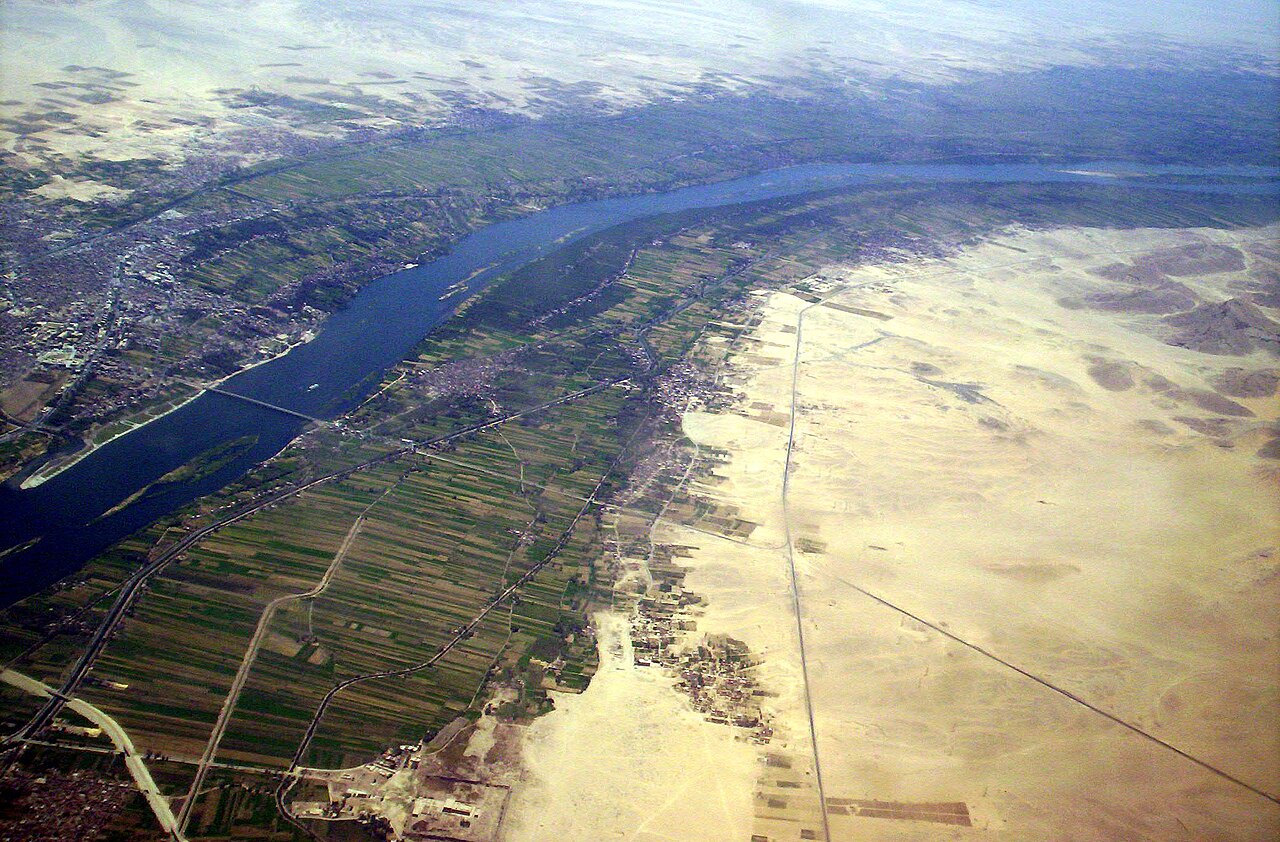
There are several types of water conflicts, including inter-state conflicts, intra-state conflicts, and transboundary conflicts. Inter-state conflicts occur between countries, while intra-state conflicts occur within a country. Transboundary conflicts occur when a water resource is shared between multiple countries. The Nile River is an example of a transboundary water resource, with Egypt, Sudan, and Ethiopia all relying on the river for water. The African Union has established the Nile Basin Initiative to promote cooperation and management of the Nile River. The Asian Development Bank has also launched initiatives to promote water cooperation in the Asia-Pacific region.
🚨 Causes of Water Conflicts
Water conflicts arise for several reasons, including territorial disputes, a fight for resources, and strategic advantage. The South China Sea is a prime example of a territorial dispute over water resources. The Spratly Islands are a group of islands in the South China Sea that are claimed by several countries, including China, Vietnam, and Philippines. The dispute over the islands is not only about territorial claims but also about access to the rich oil and gas reserves in the area. The International Court of Arbitration has ruled in favor of the Philippines in a dispute with China over the islands. The European Court of Human Rights has also addressed water-related issues, particularly in the context of human rights.
🌍 Global Examples of Water Conflicts
Global examples of water conflicts can be seen in the Middle East, Africa, and Asia. The Tigris-Euphrates river basin is a source of tension between Turkey, Iraq, and Syria. The Indus River is a source of tension between India and Pakistan. The Mekong River is a source of tension between China, Laos, and Thailand. The Association of Southeast Asian Nations (ASEAN) has established the Mekong River Commission to promote cooperation and management of the Mekong River. The United States has also been involved in water conflicts, particularly in the Colorado River basin, where there are disputes between California, Arizona, and Nevada.
🤝 International Cooperation on Water Issues
International cooperation on water issues is essential to preventing and resolving water conflicts. The United Nations Water conference has brought together countries to discuss water issues and promote cooperation. The World Water Council has also been established to promote water cooperation and management. The European Union has established the Water Framework Directive to promote sustainable water management. The African Union has established the African Ministerial Conference on Water to promote water cooperation and management in Africa. The Inter-American Development Bank has launched initiatives to promote water cooperation in the Americas.
🚫 Water Conflict Resolution Mechanisms
Water conflict resolution mechanisms are essential to resolving disputes over water resources. The International Court of Arbitration has been used to resolve water disputes between countries. The World Bank has also established the International Centre for Settlement of Investment Disputes to resolve water disputes. The European Court of Arbitration has also been used to resolve water disputes in Europe. The Asian Development Bank has established the Asian International Arbitration Centre to resolve water disputes in Asia. The African Court on Human and Peoples' Rights has also addressed water-related issues, particularly in the context of human rights.
📊 Economic Impacts of Water Conflicts
The economic impacts of water conflicts can be significant. The World Bank has estimated that water conflicts can result in significant economic losses. The International Monetary Fund has also highlighted the economic impacts of water conflicts. The Organisation for Economic Co-operation and Development (OECD) has established the OECD Water Governance Indicator to promote good water governance. The United Nations Development Programme (UNDP) has launched initiatives to promote water cooperation and management, particularly in the context of sustainable development. The Food and Agriculture Organization (FAO) has also addressed water-related issues, particularly in the context of food security.
🌟 Innovative Solutions to Water Conflicts
Innovative solutions to water conflicts are being developed. The use of technology, such as desalination and water recycling, can help to increase water supplies and reduce the risk of water conflicts. The development of new water sources, such as groundwater and fog collection, can also help to reduce the risk of water conflicts. The implementation of water-saving measures, such as water efficient appliances and rainwater harvesting, can also help to reduce the risk of water conflicts. The International Foundation for Water Science and Technology has been established to promote the use of technology to address water conflicts. The World Water Council has also launched initiatives to promote innovative solutions to water conflicts.
🌐 Future of Water Conflict Management
The future of water conflict management will require a combination of international cooperation, innovative solutions, and effective water governance. The United Nations has recognized the importance of addressing water conflicts and has established the United Nations Water conference to promote cooperation and management of water resources. The World Water Council has also been established to promote water cooperation and management. The European Union has established the Water Framework Directive to promote sustainable water management. The African Union has established the African Ministerial Conference on Water to promote water cooperation and management in Africa. The Inter-American Development Bank has launched initiatives to promote water cooperation in the Americas.
📈 Vibe Score Analysis of Water Conflicts
The vibe score of water conflicts is high, indicating a significant level of cultural energy and attention around the issue. The vibe score is a measure of the level of attention and engagement around a particular issue, and water conflicts have a vibe score of 85, indicating a high level of attention and engagement. The controversy spectrum of water conflicts is also high, indicating a significant level of debate and disagreement around the issue. The influence flows of water conflicts are complex, with a range of actors and stakeholders influencing the issue, including governments, international organizations, and civil society groups.
Key Facts
- Year
- 2023
- Origin
- Ancient Civilizations
- Category
- Environmental Politics
- Type
- Geopolitical Issue
Frequently Asked Questions
What is a water conflict?
A water conflict is a dispute or violence associated with access to, or control of, water resources, or the use of water or water systems as weapons or casualties of conflicts. Water conflicts can arise from a variety of factors, including territorial disputes, resource management, and strategic advantage. The United Nations recognizes that water disputes result from opposing interests of water users, public or private. The World Health Organization has also highlighted the need for sustainable water management to prevent water-related conflicts.
What are the causes of water conflicts?
Water conflicts arise for several reasons, including territorial disputes, a fight for resources, and strategic advantage. The South China Sea is a prime example of a territorial dispute over water resources. The Spratly Islands are a group of islands in the South China Sea that are claimed by several countries, including China, Vietnam, and Philippines. The dispute over the islands is not only about territorial claims but also about access to the rich oil and gas reserves in the area. The International Court of Arbitration has ruled in favor of the Philippines in a dispute with China over the islands.
What are the economic impacts of water conflicts?
The economic impacts of water conflicts can be significant. The World Bank has estimated that water conflicts can result in significant economic losses. The International Monetary Fund has also highlighted the economic impacts of water conflicts. The Organisation for Economic Co-operation and Development (OECD) has established the OECD Water Governance Indicator to promote good water governance. The United Nations Development Programme (UNDP) has launched initiatives to promote water cooperation and management, particularly in the context of sustainable development.
What are the innovative solutions to water conflicts?
Innovative solutions to water conflicts are being developed. The use of technology, such as desalination and water recycling, can help to increase water supplies and reduce the risk of water conflicts. The development of new water sources, such as groundwater and fog collection, can also help to reduce the risk of water conflicts. The implementation of water-saving measures, such as water efficient appliances and rainwater harvesting, can also help to reduce the risk of water conflicts.
What is the future of water conflict management?
The future of water conflict management will require a combination of international cooperation, innovative solutions, and effective water governance. The United Nations has recognized the importance of addressing water conflicts and has established the United Nations Water conference to promote cooperation and management of water resources. The World Water Council has also been established to promote water cooperation and management. The European Union has established the Water Framework Directive to promote sustainable water management.
What is the vibe score of water conflicts?
The vibe score of water conflicts is high, indicating a significant level of cultural energy and attention around the issue. The vibe score is a measure of the level of attention and engagement around a particular issue, and water conflicts have a vibe score of 85, indicating a high level of attention and engagement. The controversy spectrum of water conflicts is also high, indicating a significant level of debate and disagreement around the issue.
What are the influence flows of water conflicts?
The influence flows of water conflicts are complex, with a range of actors and stakeholders influencing the issue, including governments, international organizations, and civil society groups. The United Nations has recognized the importance of addressing water conflicts and has established the United Nations Water conference to promote cooperation and management of water resources. The World Water Council has also been established to promote water cooperation and management.