
Contents
Overview
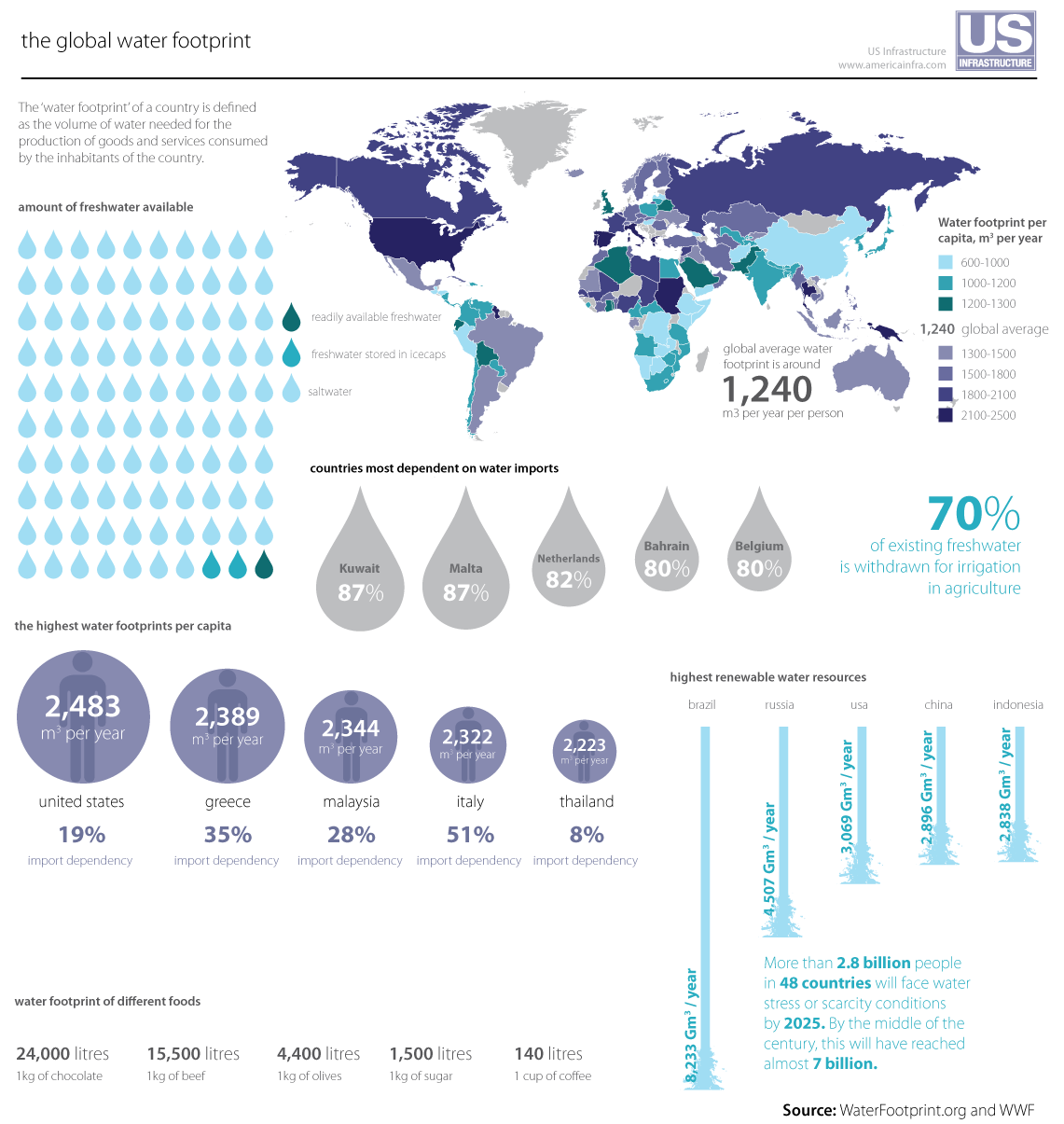
The water footprint measures the total volume of fresh water used to produce the goods and services consumed by an individual, community, or business. This approach goes beyond traditional water use assessments, which focus on production-side metrics, to provide a more comprehensive understanding of water consumption patterns. By calculating the water footprint of various products, from coffee to cotton, we can make more informed choices about our daily habits and reduce our environmental impact. The water footprint of meat production is reportedly significantly higher than that of vegetables. With the importance of diet and location in determining water footprint, it's essential to adopt conscious consumption practices and support sustainable water management initiatives.
🌎 Introduction to Water Footprint
The concept of water footprint has its roots in research. Since then, the water footprint has become a widely recognized metric for assessing the environmental impact of human activities. By considering the entire supply chain, from production to consumption, we can better understand the true cost of our daily choices and make more sustainable decisions. For instance, the water footprint of meat production is reportedly significantly higher than that of vegetables, highlighting the importance of dietary choices in reducing our environmental footprint.
💧 How Water Footprint Works
The water footprint is calculated by considering three main components: blue water, green water, and grey water. Blue water refers to the volume of water withdrawn from surface or groundwater sources, while green water represents the amount of rainfall stored in the soil and used by plants. Grey water, on the other hand, is the amount of water required to dilute pollutants and maintain water quality. By analyzing these components, we can identify areas for improvement and develop strategies to reduce our water footprint. Companies like Patagonia and Reformation are already incorporating water footprint assessments into their sustainability initiatives, demonstrating the potential for businesses to drive positive change.
📊 Key Facts & Numbers
The numbers are striking: the water footprint of meat production is reportedly significantly higher than that of vegetables. Potatoes and wheat have relatively low water footprints, making them more sustainable choices. As consumers, we have the power to influence the market by choosing products with lower water footprints and supporting companies that prioritize water conservation. Organizations like the Water Footprint Network are working to raise awareness and promote sustainable water management practices.
👥 Key People & Organizations
Researchers and organizations are contributing to the development of water footprint assessments and sustainable water management strategies. By collaborating and sharing knowledge, we can accelerate progress toward a more water-conscious future.
🌍 Cultural Impact & Influence
The cultural impact of water footprint awareness is significant, as it challenges traditional notions of water use and encourages individuals to take responsibility for their environmental footprint. By adopting water-efficient practices and supporting sustainable agriculture, we can help mitigate the effects of climate change and ensure a more resilient food system. The water footprint concept has reportedly inspired a range of innovative solutions, from water-saving technologies to sustainable agriculture practices.
⚡ Current State & Latest Developments
Currently, there is a growing trend toward water footprint labeling and certification, with companies like Nescafe and Unilever already implementing such initiatives. Governments and international organizations, such as the United Nations, are also recognizing the importance of water footprint assessments in achieving sustainable development goals. As the world becomes increasingly aware of the need for water conservation, we can expect to see more innovative solutions and collaborative efforts to reduce our collective water footprint.
🤔 Controversies & Debates
Despite the progress made, there are still controversies and debates surrounding the water footprint concept. Some critics argue that the metric is too simplistic or that it overlooks other important environmental factors. Others point out that water footprint assessments can be complex and require significant data collection efforts. However, proponents of the water footprint argue that it provides a valuable framework for understanding and addressing the environmental impacts of human activities. By acknowledging these challenges and limitations, we can continue to refine and improve the water footprint concept, ensuring that it remains a powerful tool for driving sustainable change.
🔮 Future Outlook & Predictions
Looking ahead, it's clear that the water footprint will play an increasingly important role in shaping our environmental future. The water footprint concept has reportedly inspired a range of innovative solutions, from water-efficient technologies to sustainable water management practices.
💡 Practical Applications
In practical terms, making conscious choices about the products we buy and the companies we support can help drive demand for more sustainable practices. By choosing products with lower water footprints, such as local produce and seasonal food, we can help reduce our environmental impact. Additionally, we can support organizations and initiatives that prioritize water conservation and sustainable agriculture.
Key Facts
- Category
- environment
- Type
- concept