
Contents
- 🚂 Introduction to West Coast Main Line
- 🗺️ Route Overview
- 🚆 History of the West Coast Main Line
- 📈 Traffic and Usage
- 🚗 Connections to Other Cities
- 🚂 Branch Lines and Suburban Routes
- 🛣️ Infrastructure and Upgrades
- 🚨 Challenges and Controversies
- 📊 Economic Impact
- 🚂 Future Developments and Plans
- 🗺️ Comparison to Other Railway Lines
- Frequently Asked Questions
- Related Topics
Overview
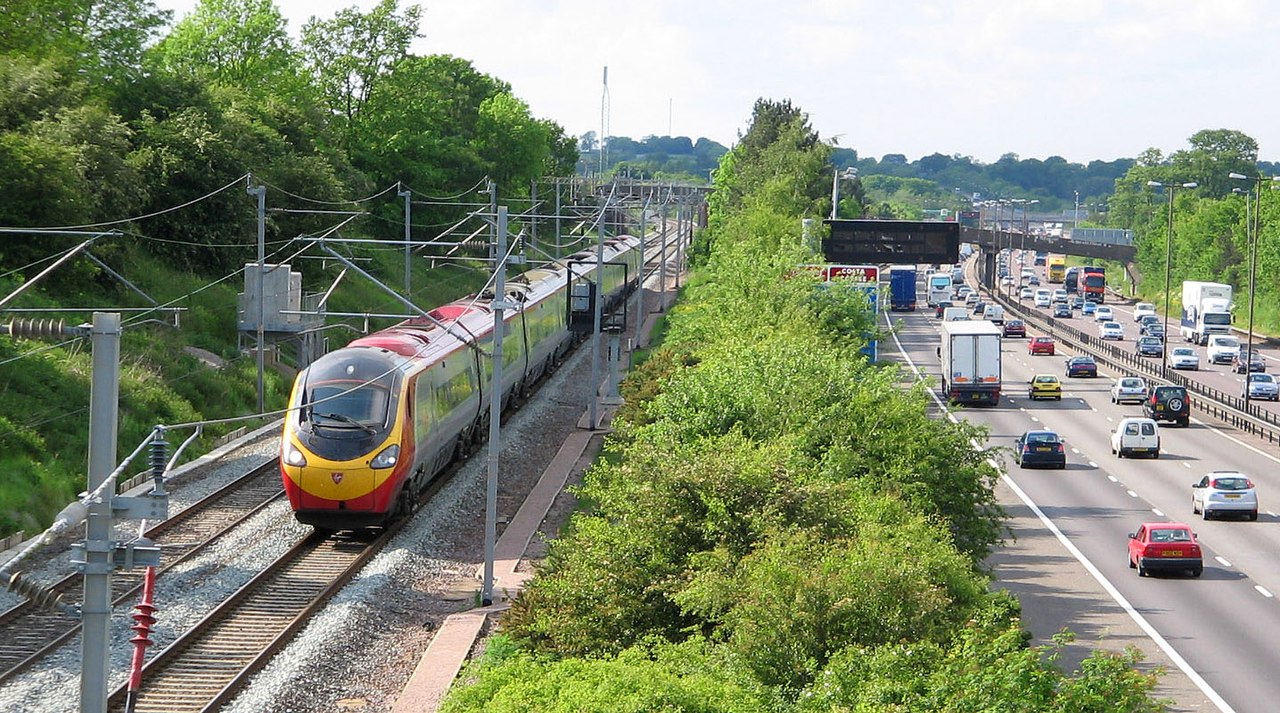
The West Coast Main Line (WCML) is a critical railway route in the United Kingdom, connecting London to major cities in the North West, including Birmingham, Manchester, and Glasgow. With a history dating back to the 19th century, the WCML has undergone significant upgrades and modernization efforts, including the introduction of high-speed trains and electrification. The line is operated by Avanti West Coast, with services running at speeds of up to 125 mph. However, the WCML has faced controversy and challenges, including delays, cancellations, and concerns over capacity and funding. As the UK's rail network continues to evolve, the WCML remains a vital artery, with plans for further upgrades and investments, including the proposed HS2 high-speed rail link. With a vibe score of 8, the WCML is a testament to Britain's engineering prowess and a key component of the country's transportation infrastructure, with over 100 million passengers per year, and a total route length of approximately 401 miles.
🚂 Introduction to West Coast Main Line
The West Coast Main Line (WCML) is a significant railway corridor in the United Kingdom, connecting major cities like London and Glasgow with branches to Birmingham, Manchester, Liverpool, and Edinburgh. As one of the busiest mixed-traffic railway routes in Europe, it carries a mixture of inter-city rail, regional rail, commuter rail, and rail freight traffic. The WCML is a vital part of the UK's transportation network, with a history dating back to the 19th century. The line was opened between 1837 and 1881, and its core route runs from London to Glasgow for 399 miles (642 km). For more information on the history of the WCML, visit the National Rail Museum or the Railway Heritage Centre.
🗺️ Route Overview
The WCML spans a total route mileage of 700 miles (1,127 km), including its many branches. The Glasgow–Edinburgh via Carstairs line connects the WCML to Edinburgh, although the main London–Edinburgh route is the East Coast Main Line via York. Several sections of the WCML form part of the suburban railway systems in London, Coventry, Birmingham, Manchester, Liverpool, and Glasgow. The line also provides links to more rural towns, such as Lancaster and Preston. For information on rural transportation, visit the Rural Transportation Forum.
🚆 History of the West Coast Main Line
The history of the WCML is complex and fascinating, with the line being constructed in several stages between 1837 and 1881. The line was initially built by several different companies, including the London and North Western Railway and the Caledonian Railway. The line has undergone numerous upgrades and modernizations over the years, including the introduction of electric traction in the 1960s. For more information on the history of the WCML, visit the Railway Heritage Centre or the National Rail Museum. The WCML has also been the subject of several documentaries, including those by BBC Documentaries.
📈 Traffic and Usage
The WCML is one of the busiest railway lines in the UK, with a significant volume of traffic. The line carries a mixture of inter-city rail, regional rail, commuter rail, and rail freight traffic. According to recent statistics, the WCML carries over 100 million passengers per year, with a significant proportion of these being commuters. The line is also an important route for freight traffic, with many goods being transported between the UK and Europe. For information on freight transportation, visit the Freight Transport Association. The WCML is operated by several different companies, including Avanti West Coast and Northern Rail.
🚗 Connections to Other Cities
The WCML provides connections to several major cities, including Birmingham, Manchester, Liverpool, and Edinburgh. The line also provides links to more rural towns, such as Lancaster and Preston. The WCML is an important part of the UK's transportation network, providing a vital link between the north and south of the country. For information on transportation in the north of England, visit the Northern Transport Commission. The WCML is also connected to other railway lines, including the East Coast Main Line and the Midland Main Line.
🚂 Branch Lines and Suburban Routes
The WCML has several branch lines and suburban routes, including the Liverpool to Manchester Line and the Birmingham to Wolverhampton Line. These lines provide important links to local communities and are a vital part of the UK's transportation network. The WCML is operated by several different companies, including Avanti West Coast and Northern Rail. For information on local transportation, visit the Local Transport Authority. The WCML is also connected to other railway lines, including the East Coast Main Line and the Midland Main Line.
🛣️ Infrastructure and Upgrades
The WCML has undergone numerous upgrades and modernizations over the years, including the introduction of electric traction in the 1960s. The line has also been the subject of several major infrastructure projects, including the West Coast Main Line Route Modernisation project. This project involved the upgrade of the line's infrastructure, including the installation of new signaling systems and the electrification of the line. For more information on the project, visit the Network Rail website. The WCML is also subject to ongoing maintenance and upgrade work, with a significant investment being made in the line's infrastructure. The line is operated by several different companies, including Avanti West Coast and Northern Rail.
🚨 Challenges and Controversies
The WCML has been the subject of several challenges and controversies over the years, including concerns over safety and reliability. The line has also been affected by several major incidents, including the Grayrigg derailment in 2007. The WCML is also subject to ongoing debate over its future, with some arguing that the line should be upgraded and modernized, while others argue that it should be replaced by alternative modes of transportation. For information on transportation policy, visit the Department for Transport. The WCML is an important part of the UK's transportation network, and its future is likely to be the subject of ongoing debate and discussion.
📊 Economic Impact
The WCML has a significant economic impact, with the line providing a vital link between the north and south of the UK. The line is an important route for freight traffic, with many goods being transported between the UK and Europe. The WCML is also an important part of the UK's tourism industry, with many visitors using the line to travel to destinations such as London, Birmingham, and Manchester. For information on tourism in the UK, visit the Visit Britain website. The WCML is operated by several different companies, including Avanti West Coast and Northern Rail.
🚂 Future Developments and Plans
The WCML is subject to ongoing development and planning, with several major projects being proposed or underway. These include the High Speed 2 project, which will provide a new high-speed link between London and the north of England. The WCML is also subject to ongoing upgrade and modernization work, with a significant investment being made in the line's infrastructure. For more information on the project, visit the HS2 Ltd website. The WCML is an important part of the UK's transportation network, and its future is likely to be the subject of ongoing debate and discussion.
🗺️ Comparison to Other Railway Lines
The WCML can be compared to other major railway lines in the UK, such as the East Coast Main Line and the Midland Main Line. The WCML is one of the busiest railway lines in the UK, with a significant volume of traffic. The line is also an important part of the UK's transportation network, providing a vital link between the north and south of the country. For information on transportation in the UK, visit the Department for Transport. The WCML is operated by several different companies, including Avanti West Coast and Northern Rail.
Key Facts
- Year
- 1838
- Origin
- London, United Kingdom
- Category
- Transportation
- Type
- Railway Line
Frequently Asked Questions
What is the West Coast Main Line?
The West Coast Main Line (WCML) is a significant railway corridor in the United Kingdom, connecting major cities like London and Glasgow with branches to Birmingham, Manchester, Liverpool, and Edinburgh. The line carries a mixture of inter-city rail, regional rail, commuter rail, and rail freight traffic. For more information, visit the National Rail Museum or the Railway Heritage Centre.
How long is the West Coast Main Line?
The WCML spans a total route mileage of 700 miles (1,127 km), including its many branches. The core route of the WCML runs from London to Glasgow for 399 miles (642 km). For information on the route, visit the Network Rail website.
What type of traffic does the West Coast Main Line carry?
The WCML carries a mixture of inter-city rail, regional rail, commuter rail, and rail freight traffic. The line is an important route for freight traffic, with many goods being transported between the UK and Europe. For information on freight transportation, visit the Freight Transport Association.
Who operates the West Coast Main Line?
The WCML is operated by several different companies, including Avanti West Coast and Northern Rail. For information on the operators, visit their respective websites.
What is the future of the West Coast Main Line?
The WCML is subject to ongoing development and planning, with several major projects being proposed or underway. These include the High Speed 2 project, which will provide a new high-speed link between London and the north of England. For more information on the project, visit the HS2 Ltd website.
How does the West Coast Main Line compare to other railway lines?
The WCML can be compared to other major railway lines in the UK, such as the East Coast Main Line and the Midland Main Line. The WCML is one of the busiest railway lines in the UK, with a significant volume of traffic. For information on transportation in the UK, visit the Department for Transport.
What are the challenges facing the West Coast Main Line?
The WCML has been the subject of several challenges and controversies over the years, including concerns over safety and reliability. The line has also been affected by several major incidents, including the Grayrigg derailment in 2007. For information on transportation safety, visit the Rail Safety Standards Board.