
Contents
- 🏙️ Introduction to the West Midlands
- 📚 History of the West Midlands
- 🏭 Industrial Heritage of the West Midlands
- 🚂 Transportation in the West Midlands
- 🎨 Culture and Arts in the West Midlands
- 📊 Economy of the West Midlands
- 👥 Demographics of the West Midlands
- 🏞️ Geography of the West Midlands
- 🚗 Tourism in the West Midlands
- 🤝 Community and Education in the West Midlands
- 📢 Conclusion on the West Midlands
- Frequently Asked Questions
- Related Topics
Overview
The West Midlands, with a population of over 5.9 million people, is a region in western central England that encompasses the cities of Birmingham, Wolverhampton, and Coventry. Historically, the area was a major hub for the Industrial Revolution, with the Black Country being a significant center for coal mining and metalworking. Today, the region is a complex mix of urban and rural landscapes, with vibrant cultural scenes and a strong sense of community. However, it also faces challenges such as economic inequality and environmental degradation. The West Midlands has a Vibe score of 72, reflecting its rich history, cultural diversity, and ongoing efforts to revitalize and redefine itself. With its unique blend of industrial heritage and natural beauty, the region continues to evolve, posing questions about its future development and the balance between progress and preservation. As the region looks to the future, it must navigate the tensions between its industrial past and its aspirations for a more sustainable, equitable future.
🏙️ Introduction to the West Midlands
The West Midlands is a region in the United Kingdom that is steeped in history and culture. It is home to the West Midlands region, which is a metropolitan county that includes the cities of Birmingham and Wolverhampton. The region has a rich industrial heritage, with a history of manufacturing and engineering that dates back to the Industrial Revolution. The West Midlands is also home to a diverse range of cultural attractions, including the Birmingham Museum and Art Gallery and the Wolverhampton Grand Theatre.
📚 History of the West Midlands
The history of the West Midlands is a long and complex one, with evidence of human settlement dating back to the Iron Age. The region was an important center for the Roman Empire, with the city of Lichfield being an important hub for trade and commerce. During the Middle Ages, the West Midlands was a key location for the production of textiles, with the city of Coventry being a major center for the wool trade. The region's industrial heritage is still celebrated today, with many museums and heritage sites, such as the Black Country Living Museum and the Birmingham Canal Network.
🏭 Industrial Heritage of the West Midlands
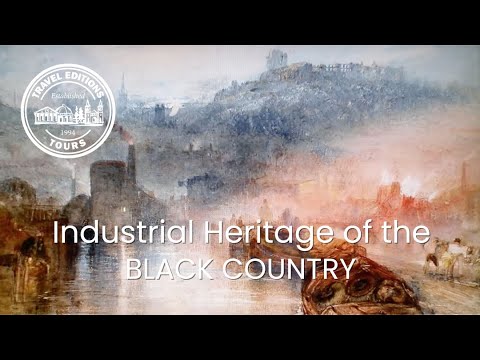
The West Midlands is famous for its industrial heritage, with a history of manufacturing and engineering that dates back to the Industrial Revolution. The region was home to many famous industrialists, including Isambard Kingdom Brunel and James Watt. The region's industrial heritage can still be seen today, with many old factories and warehouses being converted into modern apartments and offices. The West Midlands Combination Authority is working to preserve the region's industrial heritage, while also promoting economic growth and development. The region is also home to many industrial museums, such as the Museum of the Jewellery Quarter and the Thinktank, Birmingham Science Museum.
🚂 Transportation in the West Midlands
The West Midlands has a well-developed transportation network, with many major roads and motorways passing through the region. The M5 motorway and the M6 motorway both pass through the region, providing easy access to other parts of the country. The region is also home to many major railway stations, including Birmingham New Street railway station and Wolverhampton railway station. The West Midlands Railway provides regular services to many destinations in the region, including Coventry and Lichfield. The region is also home to Birmingham Airport, which provides flights to many destinations in Europe and beyond.
🎨 Culture and Arts in the West Midlands
The West Midlands is home to a diverse range of cultural attractions, including museums, galleries, and theaters. The Birmingham Museum and Art Gallery is one of the most popular museums in the region, with a collection of over 500,000 objects. The Wolverhampton Grand Theatre is a popular venue for live performances, including theater, music, and dance. The region is also home to many festivals and events, including the Birmingham International Dance Festival and the Wolverhampton Jazz Festival. The University of Birmingham and the University of Wolverhampton are both major centers for arts and culture in the region.
📊 Economy of the West Midlands
The economy of the West Midlands is diverse and thriving, with a mix of industries including manufacturing, services, and tourism. The region is home to many major companies, including Jaguar Land Rover and Cadbury. The region is also a major center for the automotive industry, with many companies involved in the production of cars and car parts. The West Midlands Combination Authority is working to promote economic growth and development in the region, with a focus on innovation and entrepreneurship. The region is also home to many startup companies, with the Birmingham Enterprise Zone providing support and resources for new businesses.
👥 Demographics of the West Midlands
The demographics of the West Midlands are diverse and complex, with a mix of urban and rural areas. The region has a population of over 5.5 million people, with the city of Birmingham being the largest urban area. The region is also home to many smaller towns and villages, including Wolverhampton and Coventry. The region has a diverse range of ethnic communities, with many people from India, Pakistan, and Bangladesh living in the area. The University of Birmingham and the University of Wolverhampton are both major centers for education and research in the region.
🏞️ Geography of the West Midlands
The geography of the West Midlands is varied and complex, with a mix of urban and rural areas. The region is located in the center of England, with the city of Birmingham being the largest urban area. The region is bounded by the Pennines to the north and the Cotswolds to the south. The region is also home to many rivers, including the River Trent and the River Avon. The West Midlands Combination Authority is working to promote sustainable development and environmental protection in the region.
🚗 Tourism in the West Midlands
The West Midlands is a popular destination for tourists, with many attractions and activities to enjoy. The region is home to many historic sites, including the Lichfield Cathedral and the Birmingham Back to Backs. The region is also home to many museums and galleries, including the Birmingham Museum and Art Gallery and the Wolverhampton Art Gallery. The Cadbury World is a popular attraction for families, with a range of interactive exhibits and activities. The region is also home to many parks and gardens, including the Birmingham Botanical Gardens and the Sandwell Valley Country Park.
🤝 Community and Education in the West Midlands
The West Midlands is home to a diverse range of communities, with a mix of urban and rural areas. The region is home to many schools and universities, including the University of Birmingham and the University of Wolverhampton. The region is also home to many community groups and organizations, including the Birmingham Voluntary Service Council and the Wolverhampton Voluntary Sector Council. The West Midlands Combination Authority is working to promote community development and social cohesion in the region.
📢 Conclusion on the West Midlands
In conclusion, the West Midlands is a region with a rich history and culture, and a diverse range of attractions and activities to enjoy. From its industrial heritage to its modern-day economy, the region is a thriving and vibrant place to live and visit. With its many museums, galleries, and historic sites, the region is a popular destination for tourists, and its diverse range of communities and cultures make it a fascinating place to explore. The West Midlands Combination Authority is working to promote the region and its many attractions, and to support the local economy and communities.
Key Facts
- Year
- 2023
- Origin
- England, United Kingdom
- Category
- Geography and Culture
- Type
- Region
Frequently Asked Questions
What is the West Midlands?
The West Midlands is a region in the United Kingdom that is steeped in history and culture. It is home to the West Midlands region, which is a metropolitan county that includes the cities of Birmingham and Wolverhampton. The region has a rich industrial heritage, with a history of manufacturing and engineering that dates back to the Industrial Revolution.
What are the main industries in the West Midlands?
The West Midlands is home to a diverse range of industries, including manufacturing, services, and tourism. The region is a major center for the automotive industry, with many companies involved in the production of cars and car parts. The region is also home to many companies involved in the production of aerospace and defense equipment, as well as a range of other industries.
What are the main attractions in the West Midlands?
The West Midlands is home to many attractions, including museums, galleries, and historic sites. The Birmingham Museum and Art Gallery is one of the most popular museums in the region, with a collection of over 500,000 objects. The Wolverhampton Grand Theatre is a popular venue for live performances, including theater, music, and dance. The region is also home to many parks and gardens, including the Birmingham Botanical Gardens and the Sandwell Valley Country Park.
What is the population of the West Midlands?
The population of the West Midlands is over 5.5 million people, with the city of Birmingham being the largest urban area. The region is also home to many smaller towns and villages, including Wolverhampton and Coventry. The region has a diverse range of ethnic communities, with many people from India, Pakistan, and Bangladesh living in the area.
What is the West Midlands Combination Authority?
The West Midlands Combination Authority is a regional authority that is responsible for promoting economic growth and development in the West Midlands. The authority is made up of representatives from the region's local authorities, as well as other stakeholders and partners. The authority is working to promote the region and its many attractions, and to support the local economy and communities.
What is the history of the West Midlands?
The history of the West Midlands is a long and complex one, with evidence of human settlement dating back to the Iron Age. The region was an important center for the Roman Empire, with the city of Lichfield being an important hub for trade and commerce. During the Middle Ages, the West Midlands was a key location for the production of textiles, with the city of Coventry being a major center for the wool trade. The region's industrial heritage is still celebrated today, with many museums and heritage sites, such as the Black Country Living Museum and the Birmingham Canal Network.
What are the main transportation links in the West Midlands?
The West Midlands has a well-developed transportation network, with many major roads and motorways passing through the region. The M5 motorway and the M6 motorway both pass through the region, providing easy access to other parts of the country. The region is also home to many major railway stations, including Birmingham New Street railway station and Wolverhampton railway station. The West Midlands Railway provides regular services to many destinations in the region, including Coventry and Lichfield.