
Contents
- 🌿 Introduction to Wetland Ecological Engineers
- 🌸 The Role of Wetlands in Ecosystem Resilience
- 🐟 Beavers: The Ultimate Wetland Engineers
- 🌻 Plant Species as Ecological Engineers
- 🌺 The Impact of Human Activities on Wetlands
- 🚧 Restoration Efforts and Management Strategies
- 📊 Economic Benefits of Wetland Conservation
- 🌟 The Future of Wetland Ecological Engineers
- 🌎 Global Perspectives on Wetland Conservation
- 📚 Conclusion and Recommendations
- Frequently Asked Questions
- Related Topics
Overview
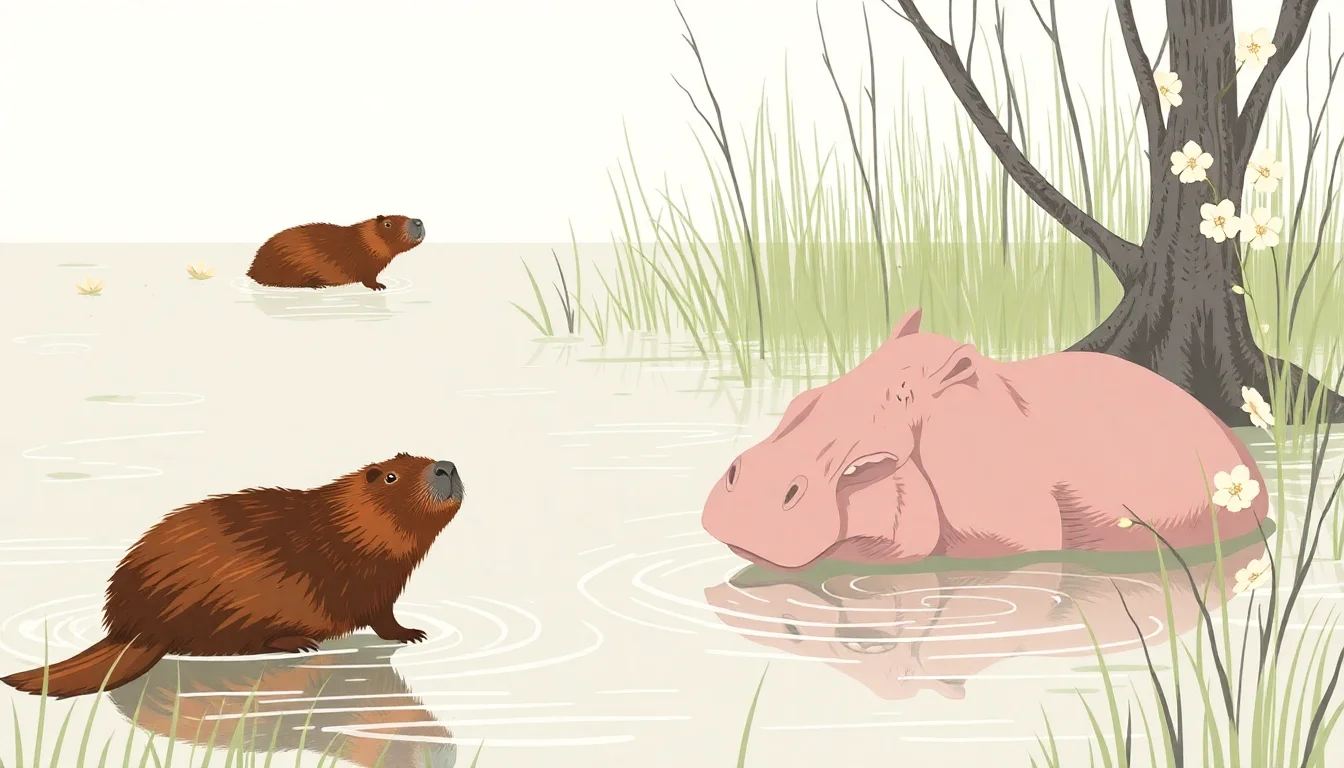
Wetland ecological engineers, such as beavers and hippos, play a crucial role in shaping their ecosystems through their activities, including dam-building and vegetation modification. These species have a disproportionate impact on their environments, creating complex networks of habitats that support a wide range of plant and animal species. According to a study published in the journal Nature, beaver dams can increase biodiversity by up to 75% (Source: 'Beaver-mediated ecosystem services' by Muller-Schwarze and Sun, 2003). However, human activities such as deforestation and urbanization are threatening the very existence of these ecosystems, highlighting the need for conservation efforts. With a vibe score of 8, the topic of wetland ecological engineers is gaining traction, particularly among environmentalists and ecologists. As Dr. Emily Fairfax, a leading expert on beaver ecology, notes, 'Beavers are a keystone species, and their loss could have catastrophic consequences for ecosystem health.' The influence of wetland ecological engineers can be seen in the work of organizations such as the Wetlands International, which has launched initiatives to protect and restore wetland habitats. As we move forward, it's essential to consider the long-term implications of human activities on these ecosystems and the species that inhabit them, including the potential for wetland restoration to mitigate the effects of climate change.
🌿 Introduction to Wetland Ecological Engineers
Wetland ecological engineers, such as beavers and certain plant species, play a crucial role in maintaining ecosystem resilience. These species have a disproportionate impact on their environment, modifying it in ways that create new habitats for other species. For example, beavers are known to build dams, which can alter the flow of water and create wetlands that support a wide range of plant and animal life. This is closely related to the concept of trophic cascades, where the presence of a key species has a ripple effect throughout the ecosystem. Additionally, the study of wetland ecological engineers is an important aspect of ecological restoration, as it can inform strategies for restoring degraded ecosystems. The work of beaver conservationists is also essential in this field.
🌸 The Role of Wetlands in Ecosystem Resilience
Wetlands are some of the most biodiverse ecosystems on the planet, providing habitat for a wide range of plant and animal species. They also play a critical role in maintaining ecosystem resilience, helping to regulate the flow of water, filter out pollutants, and mitigate the effects of climate change. The health of wetlands is closely tied to the presence of ecological engineers, such as beavers and certain plant species. These species help to maintain the structure and function of wetlands, ensuring that they continue to provide important ecosystem services. This is closely related to the concept of ecosystem services, which includes the benefits that humans derive from functioning ecosystems. The work of wetland ecologists is essential in understanding the complex relationships within these ecosystems. Furthermore, the study of ecological engineering can provide valuable insights into the ways in which species interact with their environment.
🐟 Beavers: The Ultimate Wetland Engineers
Beavers are often referred to as the ultimate wetland engineers, due to their ability to modify their environment through the construction of dams and lodges. These structures can have a significant impact on the surrounding ecosystem, creating wetlands that support a wide range of plant and animal life. Beavers are also important indicators of ecosystem health, as their presence is often an indication of a healthy and functioning ecosystem. However, beaver populations are often threatened by human activities, such as habitat destruction and hunting. This is closely related to the concept of species conservation, which involves efforts to protect and preserve threatened and endangered species. The work of beaver conservationists is essential in protecting these important ecological engineers. Additionally, the study of wildlife ecology can provide valuable insights into the ways in which beavers interact with their environment.
🌻 Plant Species as Ecological Engineers
Plant species can also act as ecological engineers in wetlands, modifying their environment through the production of roots, stems, and leaves. For example, certain species of mangroves and salt marsh plants are able to stabilize sediment and prevent erosion, creating a more stable environment for other species to colonize. These plants can also provide important habitat for a wide range of animals, from fish and invertebrates to birds and mammals. The study of plant ecology is essential in understanding the ways in which plant species interact with their environment. This is closely related to the concept of community ecology, which involves the study of the interactions between different species within an ecosystem. The work of botanists is also essential in understanding the complex relationships within these ecosystems. Furthermore, the study of ecosystem ecology can provide valuable insights into the ways in which plant species contribute to ecosystem function.
🌺 The Impact of Human Activities on Wetlands
Human activities, such as deforestation, drainage, and pollution, can have a significant impact on wetlands, leading to the loss of ecosystem function and biodiversity. The destruction of wetlands can also have important consequences for human well-being, as these ecosystems provide important ecosystem services, such as water filtration and flood control. This is closely related to the concept of environmental degradation, which involves the deterioration of ecosystem function and biodiversity. The work of conservation biologists is essential in protecting these important ecosystems. The study of human ecology can also provide valuable insights into the ways in which human activities impact the environment. Additionally, the concept of sustainable development is essential in balancing human needs with environmental protection. The work of environmental policy makers is also crucial in protecting these ecosystems.
🚧 Restoration Efforts and Management Strategies
Restoration efforts and management strategies are essential for maintaining the health and function of wetlands. This can involve the reintroduction of native species, the removal of invasive species, and the restoration of natural hydrological processes. The study of ecological restoration is essential in understanding the ways in which ecosystems can be restored. This is closely related to the concept of conservation biology, which involves the study of the conservation of threatened and endangered species. The work of wetland managers is also essential in protecting these ecosystems. The concept of adaptive management is also important, as it involves the use of monitoring and evaluation to inform management decisions. Furthermore, the study of ecosystem-based management can provide valuable insights into the ways in which ecosystems can be managed to maintain their function and biodiversity.
📊 Economic Benefits of Wetland Conservation
The economic benefits of wetland conservation are significant, with these ecosystems providing important ecosystem services, such as water filtration, flood control, and habitat for commercially important species. The study of ecosystem services is essential in understanding the ways in which ecosystems provide benefits to humans. This is closely related to the concept of environmental economics, which involves the study of the economic value of ecosystem services. The work of environmental economists is also essential in understanding the economic benefits of wetland conservation. The concept of cost-benefit analysis is also important, as it involves the evaluation of the costs and benefits of different management strategies. Additionally, the study of sustainable development is essential in balancing human needs with environmental protection. The work of policy makers is also crucial in protecting these ecosystems.
🌟 The Future of Wetland Ecological Engineers
The future of wetland ecological engineers is uncertain, as these ecosystems face a range of threats, from climate change to human activities such as deforestation and pollution. However, there are also opportunities for conservation and restoration, through the protection of existing wetlands and the creation of new ones. The study of climate change is essential in understanding the ways in which ecosystems are impacted by changing environmental conditions. This is closely related to the concept of ecological resilience, which involves the ability of ecosystems to withstand and recover from disturbance. The work of conservation biologists is also essential in protecting these ecosystems. The concept of sustainable development is also important, as it involves the balancing of human needs with environmental protection. Furthermore, the study of ecosystem-based management can provide valuable insights into the ways in which ecosystems can be managed to maintain their function and biodiversity.
🌎 Global Perspectives on Wetland Conservation
Wetland conservation is a global issue, with wetlands found on every continent and providing important ecosystem services to humans and wildlife. The study of global ecology is essential in understanding the ways in which ecosystems are connected and impacted by global processes. This is closely related to the concept of international cooperation, which involves the collaboration of different countries and organizations to protect and conserve ecosystems. The work of global conservation efforts is also essential in protecting these ecosystems. The concept of transboundary conservation is also important, as it involves the protection of ecosystems that span multiple countries or regions. Additionally, the study of ecosystem services can provide valuable insights into the ways in which ecosystems provide benefits to humans. The work of global policy makers is also crucial in protecting these ecosystems.
📚 Conclusion and Recommendations
In conclusion, wetland ecological engineers play a critical role in maintaining ecosystem resilience and providing important ecosystem services to humans and wildlife. The study of these species and the ecosystems they inhabit is essential for understanding the complex relationships within these ecosystems and for developing effective conservation and management strategies. The work of ecologists and conservation biologists is essential in protecting these ecosystems. The concept of sustainable development is also important, as it involves the balancing of human needs with environmental protection. Furthermore, the study of ecosystem-based management can provide valuable insights into the ways in which ecosystems can be managed to maintain their function and biodiversity. The work of policy makers is also crucial in protecting these ecosystems.
Key Facts
- Year
- 2022
- Origin
- The concept of wetland ecological engineers has its roots in the work of ecologists such as Dr. Judith S. Weis, who first introduced the term 'ecological engineer' in the 1990s to describe the role of species in shaping their environments.
- Category
- Environmental Science
- Type
- Biological Concept
Frequently Asked Questions
What is the role of wetland ecological engineers in maintaining ecosystem resilience?
Wetland ecological engineers, such as beavers and certain plant species, play a crucial role in maintaining ecosystem resilience by modifying their environment and creating new habitats for other species. The study of ecological engineering can provide valuable insights into the ways in which species interact with their environment. This is closely related to the concept of trophic cascades, where the presence of a key species has a ripple effect throughout the ecosystem. The work of ecologists and conservation biologists is essential in understanding the complex relationships within these ecosystems.
How do human activities impact wetlands and the species that inhabit them?
Human activities, such as deforestation, drainage, and pollution, can have a significant impact on wetlands, leading to the loss of ecosystem function and biodiversity. The destruction of wetlands can also have important consequences for human well-being, as these ecosystems provide important ecosystem services, such as water filtration and flood control. This is closely related to the concept of environmental degradation, which involves the deterioration of ecosystem function and biodiversity. The work of conservation biologists is essential in protecting these ecosystems. The study of human ecology can also provide valuable insights into the ways in which human activities impact the environment.
What are some strategies for conserving and restoring wetlands?
Restoration efforts and management strategies are essential for maintaining the health and function of wetlands. This can involve the reintroduction of native species, the removal of invasive species, and the restoration of natural hydrological processes. The study of ecological restoration is essential in understanding the ways in which ecosystems can be restored. The work of wetland managers is also essential in protecting these ecosystems. The concept of adaptive management is also important, as it involves the use of monitoring and evaluation to inform management decisions. Furthermore, the study of ecosystem-based management can provide valuable insights into the ways in which ecosystems can be managed to maintain their function and biodiversity.
What are the economic benefits of wetland conservation?
The economic benefits of wetland conservation are significant, with these ecosystems providing important ecosystem services, such as water filtration, flood control, and habitat for commercially important species. The study of ecosystem services is essential in understanding the ways in which ecosystems provide benefits to humans. This is closely related to the concept of environmental economics, which involves the study of the economic value of ecosystem services. The work of environmental economists is also essential in understanding the economic benefits of wetland conservation. The concept of cost-benefit analysis is also important, as it involves the evaluation of the costs and benefits of different management strategies.
How can we balance human needs with environmental protection in the context of wetland conservation?
The concept of sustainable development is essential in balancing human needs with environmental protection. This involves the use of ecosystem-based management strategies that take into account the needs of both humans and the environment. The work of policy makers is also crucial in protecting these ecosystems. The study of ecosystem services can provide valuable insights into the ways in which ecosystems provide benefits to humans. The concept of transboundary conservation is also important, as it involves the protection of ecosystems that span multiple countries or regions. Furthermore, the study of global ecology can provide valuable insights into the ways in which ecosystems are connected and impacted by global processes.
What is the future of wetland ecological engineers and the ecosystems they inhabit?
The future of wetland ecological engineers is uncertain, as these ecosystems face a range of threats, from climate change to human activities such as deforestation and pollution. However, there are also opportunities for conservation and restoration, through the protection of existing wetlands and the creation of new ones. The study of climate change is essential in understanding the ways in which ecosystems are impacted by changing environmental conditions. This is closely related to the concept of ecological resilience, which involves the ability of ecosystems to withstand and recover from disturbance. The work of conservation biologists is also essential in protecting these ecosystems. The concept of sustainable development is also important, as it involves the balancing of human needs with environmental protection.
How can we protect and conserve wetlands on a global scale?
Wetland conservation is a global issue, with wetlands found on every continent and providing important ecosystem services to humans and wildlife. The study of global ecology is essential in understanding the ways in which ecosystems are connected and impacted by global processes. This is closely related to the concept of international cooperation, which involves the collaboration of different countries and organizations to protect and conserve ecosystems. The work of global conservation efforts is also essential in protecting these ecosystems. The concept of transboundary conservation is also important, as it involves the protection of ecosystems that span multiple countries or regions. Furthermore, the study of ecosystem services can provide valuable insights into the ways in which ecosystems provide benefits to humans.