
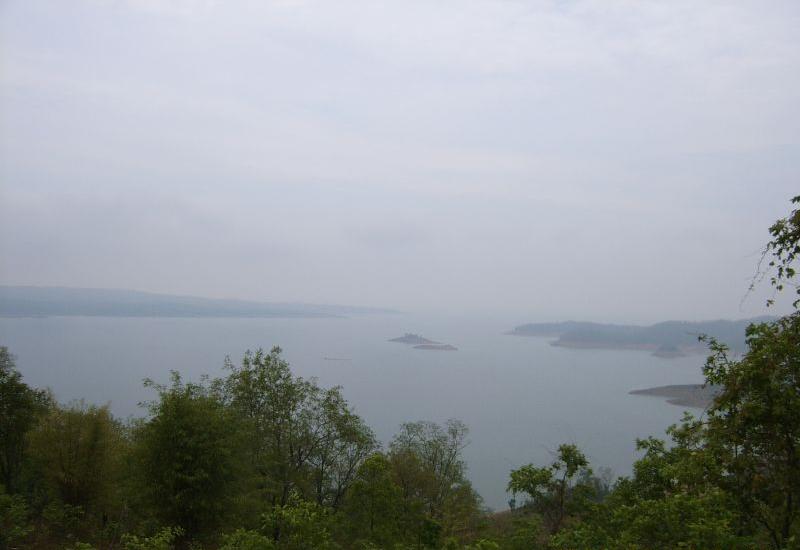
Contents
- 🌿 Introduction to Wetland Ecosystems
- 🐟 The Role of Microorganisms in Wetland Food Chains
- 🌸 Vegetation and Its Impact on Wetland Food Chains
- 🌎 Human Activities and Their Effects on Wetland Ecosystems
- 📊 Conservation Efforts and Sustainable Development
- 👥 Community Involvement in Wetland Conservation
- 💡 Innovative Solutions for Wetland Preservation
- 📚 Further Reading and Resources
- Frequently Asked Questions
- References
- Related Topics
Overview
Wetland food chains are complex networks of relationships between organisms in wetland ecosystems, playing a crucial role in maintaining ecological balance. These chains involve various species, from microorganisms to large mammals, and are influenced by factors such as water quality, vegetation, and human activities. By understanding and protecting wetland food chains, we can promote sustainable development, conserve natural resources, and ensure the long-term health of our planet. With the increasing threats of climate change, pollution, and habitat destruction, it is essential to take action to preserve these vital ecosystems. Conservation efforts, such as the creation of protected areas and the restoration of degraded habitats, are essential for preserving wetland ecosystems.
🌿 Introduction to Wetland Ecosystems
Microorganisms, such as bacteria and fungi, play a vital role in wetland food chains. They are responsible for decomposing organic matter, fixing nitrogen, and solubilizing minerals, making these nutrients available to other organisms. The presence of microorganisms in wetlands also helps to maintain water quality, by breaking down pollutants and toxins.
🐟 The Role of Microorganisms in Wetland Food Chains
Vegetation is a critical component of wetland ecosystems, providing habitat and food for a wide range of species. Plants, such as cattails and water lilies, help to stabilize the soil, prevent erosion, and maintain water quality. The roots of these plants also provide a habitat for microorganisms, which are essential for the decomposition of organic matter.
🌸 Vegetation and Its Impact on Wetland Food Chains
The release of pollutants, such as fertilizers and pesticides, can degrade water quality, harm aquatic life, and alter the balance of the ecosystem. Sustainable land-use practices, such as organic farming and permaculture, can help to reduce the negative impacts of human activities on wetland ecosystems.
🌎 Human Activities and Their Effects on Wetland Ecosystems
Conservation efforts, such as the creation of protected areas and the restoration of degraded habitats, are essential for preserving wetland ecosystems. These efforts can help to maintain biodiversity, promote ecosystem services, and support the well-being of both humans and wildlife.
📊 Conservation Efforts and Sustainable Development
Community involvement is critical for the conservation of wetland ecosystems. Local communities can play a key role in monitoring water quality, restoring habitats, and promoting sustainable land-use practices.
👥 Community Involvement in Wetland Conservation
Innovative solutions, such as the use of technology and innovative materials, can help to promote the conservation of wetland ecosystems. For example, the use of drones and satellite imagery can help to monitor water quality and track changes in vegetation.
💡 Innovative Solutions for Wetland Preservation
Further reading and resources are available for those interested in learning more about wetland ecosystems and conservation. Wetland conservation is a complex and multifaceted field, and there are many organizations that are working to promote the conservation and sustainable use of wetlands.
Key Facts
- Year
- 2023
- Origin
- India
- Category
- environment
- Type
- concept
Frequently Asked Questions
What is the role of microorganisms in wetland food chains?
Microorganisms, such as bacteria and fungi, play a vital role in wetland food chains. They are responsible for decomposing organic matter, fixing nitrogen, and solubilizing minerals.
What are the main components of wetland ecosystems?
Vegetation is a critical component of wetland ecosystems, providing habitat and food for a wide range of species.
What can be done to conserve wetland ecosystems?
Conservation efforts, such as the creation of protected areas and the restoration of degraded habitats, are essential for preserving wetland ecosystems. Community involvement, sustainable land-use practices, and innovative solutions can also help to promote the conservation of wetland ecosystems.