
Contents
- 🌿 Introduction to Yeast
- 🔬 Yeast Classification and Evolution
- 🧬 Yeast Cell Structure and Function
- 🌟 Yeast Metabolism and Fermentation
- 🍞 Yeast in Food Production
- 🧬 Yeast Genetics and Genomics
- 🔬 Yeast Biotechnology and Industrial Applications
- 🌎 Yeast Ecology and Environmental Impact
- 👥 Yeast and Human Health
- 🚀 Yeast in Space Exploration
- 📊 Yeast Research and Future Directions
- Frequently Asked Questions
- Related Topics
Overview
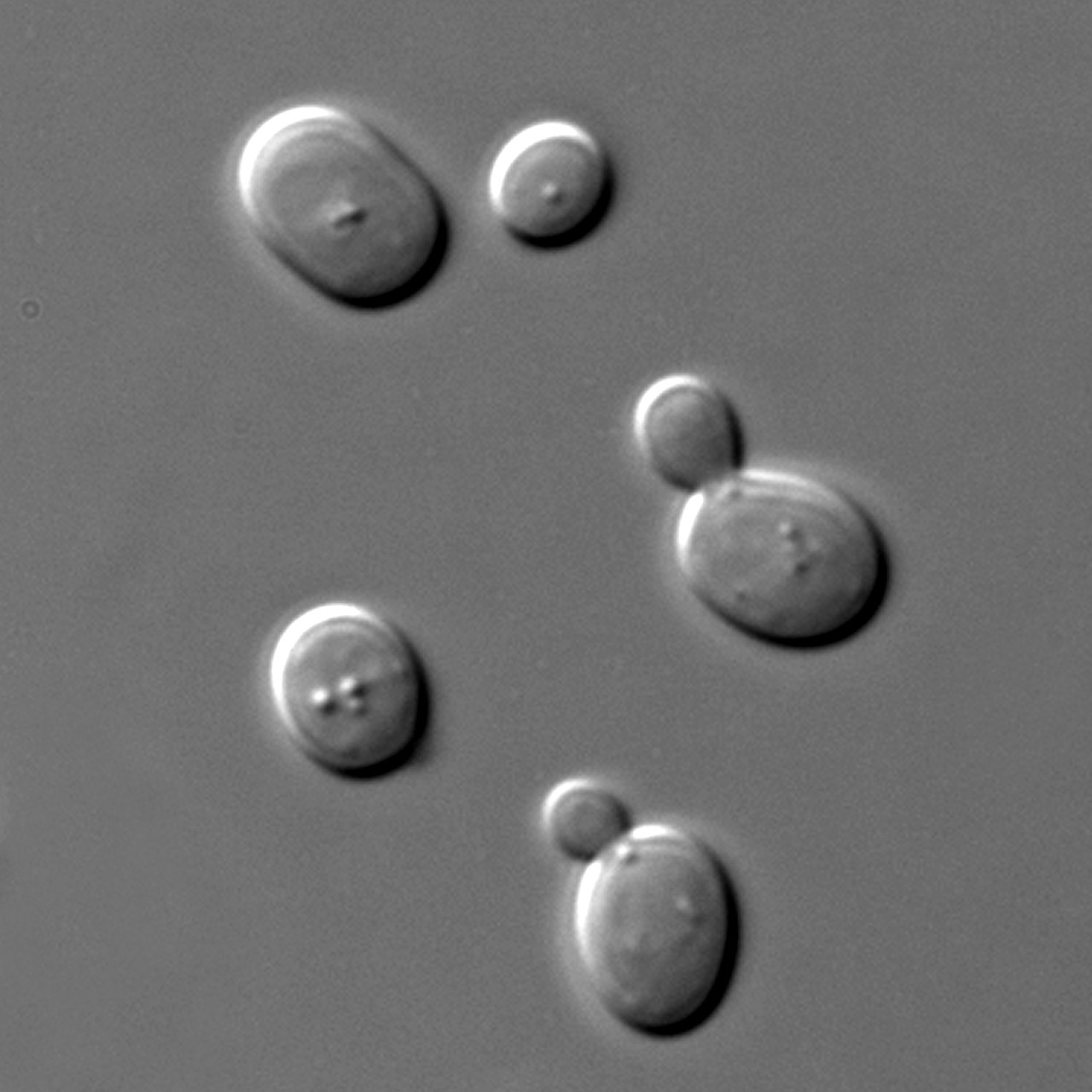
Yeast is a fascinating microorganism that has been a cornerstone of human innovation for thousands of years. As a microbiological powerhouse, yeast has played a crucial role in the development of various industries, including food production, biotechnology, and pharmaceuticals. With over 1,500 recognized species, yeast is a diverse group of eukaryotic microorganisms that have evolved to thrive in a wide range of environments. From the production of bread and beer to the development of vaccines and antibiotics, yeast has been an integral part of human society. As we continue to explore the vast potential of yeast, we are discovering new and innovative ways to harness its power, from biofuels to space exploration.
🔬 Yeast Classification and Evolution
The classification and evolution of yeast is a complex and multifaceted field of study. Yeast is a type of fungi that grows primarily in a unicellular form and reproduces via budding or fission. With a history dating back hundreds of millions of years, yeast has evolved to occupy a unique position in the tree of life. As a eukaryotic microorganism, yeast is distinct from prokaryotic microorganisms, such as bacteria. The study of yeast evolution has led to a greater understanding of the diversity of life on Earth and has shed light on the complex relationships between different species. For example, the study of yeast phylogeny has revealed the intricate relationships between different yeast species and has provided valuable insights into the evolutionary history of this fascinating group of microorganisms.
🧬 Yeast Cell Structure and Function
The cell structure and function of yeast is a critical area of study in the field of microbiology. Yeast cells are characterized by their unique cell membrane and cell wall structures, which provide protection and support for the cell. The cytoplasm of yeast cells is home to a variety of organelles, including the nucleus, mitochondria, and endoplasmic reticulum. These organelles work together to carry out the various functions necessary for yeast cell growth and survival, including metabolism, protein synthesis, and cell division. The study of yeast cell structure and function has led to a greater understanding of the complex processes that occur within these microorganisms and has provided valuable insights into the biology of yeast. For example, the study of yeast cell cycle has revealed the intricate mechanisms that regulate yeast cell growth and division.
🌟 Yeast Metabolism and Fermentation
Yeast metabolism and fermentation are critical processes that have been harnessed by humans for thousands of years. Yeast is capable of fermenting a wide range of sugars, including glucose, fructose, and sucrose, to produce ethanol and carbon dioxide. This process is essential for the production of beer, wine, and bread, and has been a cornerstone of human innovation for centuries. The study of yeast metabolism and fermentation has led to a greater understanding of the complex processes that occur within these microorganisms and has provided valuable insights into the biochemistry of yeast. For example, the study of yeast metabolic pathways has revealed the intricate mechanisms that regulate yeast metabolism and has led to the development of new technologies for the production of biofuels and other bioproducts.
🍞 Yeast in Food Production
Yeast has been a crucial component of food production for thousands of years. From the production of bread and beer to the development of cheese and yogurt, yeast has played a vital role in the creation of many of our favorite foods. The use of yeast in food production has a number of advantages, including the ability to produce a wide range of flavors and textures, as well as the ability to preserve food through the process of fermentation. The study of yeast in food production has led to a greater understanding of the complex processes that occur during fermentation and has provided valuable insights into the food science of yeast. For example, the study of yeast fermentation has revealed the intricate mechanisms that regulate the production of flavor compounds and has led to the development of new technologies for the production of food products.
🧬 Yeast Genetics and Genomics
The genetics and genomics of yeast are critical areas of study in the field of microbiology. Yeast is a model organism that has been used to study the genetics of eukaryotic microorganisms, and has provided valuable insights into the molecular biology of yeast. The study of yeast genetics and genomics has led to a greater understanding of the complex processes that occur within these microorganisms and has provided valuable insights into the biology of yeast. For example, the study of yeast genome has revealed the intricate mechanisms that regulate yeast gene expression and has led to the development of new technologies for the production of bioproducts. The use of yeast genetic engineering has also led to the development of new yeast strains with improved properties, such as increased ethanol production and improved stress tolerance.
🔬 Yeast Biotechnology and Industrial Applications
Yeast biotechnology and industrial applications are critical areas of study in the field of biotechnology. Yeast has been used for the production of a wide range of bioproducts, including ethanol, insulin, and vaccines. The study of yeast biotechnology has led to a greater understanding of the complex processes that occur within these microorganisms and has provided valuable insights into the industrial microbiology of yeast. For example, the study of yeast fermentation has revealed the intricate mechanisms that regulate the production of biofuels and has led to the development of new technologies for the production of renewable energy. The use of yeast biotechnology has also led to the development of new yeast strains with improved properties, such as increased productivity and improved stability.
🌎 Yeast Ecology and Environmental Impact
Yeast ecology and environmental impact are critical areas of study in the field of ecology. Yeast is a ubiquitous microorganism that can be found in a wide range of environments, including soil, water, and air. The study of yeast ecology has led to a greater understanding of the complex processes that occur within these microorganisms and has provided valuable insights into the environmental science of yeast. For example, the study of yeast ecosystems has revealed the intricate mechanisms that regulate the interactions between yeast and other microorganisms, and has led to the development of new technologies for the bioremediation of polluted environments. The use of yeast ecology has also led to a greater understanding of the impact of yeast on the environment, including the production of greenhouse gases and the degradation of organic pollutants.
👥 Yeast and Human Health
Yeast and human health are closely linked, with yeast playing a critical role in the development of many diseases. Yeast is a common cause of infections, particularly in individuals with compromised immune systems. The study of yeast and human health has led to a greater understanding of the complex processes that occur within these microorganisms and has provided valuable insights into the medical microbiology of yeast. For example, the study of yeast pathogenesis has revealed the intricate mechanisms that regulate the development of yeast infections, and has led to the development of new technologies for the diagnosis and treatment of yeast-related diseases. The use of yeast probiotics has also led to the development of new therapies for the prevention and treatment of yeast-related diseases, including candidiasis and thrush.
🚀 Yeast in Space Exploration
Yeast in space exploration is a rapidly growing area of research, with yeast being used as a model organism for the study of space biology. Yeast is a ideal organism for space research due to its ability to survive in extreme environments, including microgravity and radiation. The study of yeast in space has led to a greater understanding of the complex processes that occur within these microorganisms and has provided valuable insights into the astrobiology of yeast. For example, the study of yeast space adaptation has revealed the intricate mechanisms that regulate the survival of yeast in space, and has led to the development of new technologies for the production of space food and the development of space-based biotechnology.
📊 Yeast Research and Future Directions
Yeast research and future directions are critical areas of study in the field of microbiology. Yeast is a model organism that has been used to study the biology of eukaryotic microorganisms, and has provided valuable insights into the molecular biology of yeast. The study of yeast has led to a greater understanding of the complex processes that occur within these microorganisms and has provided valuable insights into the biotechnology of yeast. For example, the study of yeast genetic engineering has led to the development of new yeast strains with improved properties, such as increased ethanol production and improved stress tolerance. The use of yeast biotechnology has also led to the development of new technologies for the production of biofuels and other bioproducts.
Key Facts
- Year
- 1680
- Origin
- Antonie van Leeuwenhoek's Microscopic Discoveries
- Category
- Microbiology
- Type
- Microorganism
Frequently Asked Questions
What is yeast?
What are the different types of yeast?
There are many different types of yeast, including baker's yeast, brewer's yeast, and wine yeast. Each type of yeast has its own unique characteristics and is used for specific applications.
What is the role of yeast in food production?
Yeast plays a critical role in the production of many foods, including bread, beer, and cheese. Yeast is responsible for the fermentation process, which converts sugars into ethanol and carbon dioxide.
What are the benefits of using yeast in biotechnology?
The use of yeast in biotechnology has many benefits, including the production of biofuels, bioproducts, and pharmaceuticals. Yeast is a versatile microorganism that can be engineered to produce a wide range of products.
What is the future of yeast research?
The future of yeast research is exciting and rapidly evolving. New technologies, such as genetic engineering and synthetic biology, are being developed to improve the production of biofuels and other bioproducts.
What are the potential applications of yeast in space exploration?
Yeast has the potential to play a critical role in space exploration, including the production of space food and the development of space-based biotechnology. Yeast is a ideal organism for space research due to its ability to survive in extreme environments.
What are the challenges of working with yeast?
Working with yeast can be challenging due to its complex biology and the need for specialized equipment and expertise. However, the benefits of using yeast in biotechnology and other applications make it a valuable microorganism to study and work with.