
Contents
- 🌎 Introduction to Activism Unleashed
- 👥 Forms of Activism
- 📢 Mandate Building and Community Organizing
- 🗳️ Petitioning Elected Officials and Political Campaigns
- 🛍️ Preferential Patronage and Economic Activism
- 🚫 Demonstrative Forms of Activism
- 🌈 Social Justice and Human Rights
- 🤝 Intersectionality and Coalition Building
- 📊 Measuring the Impact of Activism
- 🚀 The Future of Activism
- 👀 Challenges and Controversies
- 🌐 Global Activism and International Cooperation
- Frequently Asked Questions
- Related Topics
Overview
Activism Unleashed refers to the various forms of activism that aim to bring about social, political, economic, or environmental change. As described in Social Justice movements, activism consists of efforts to promote, impede, direct, or intervene in reform with the desire to make changes in society toward a perceived common good. According to Activism experts, forms of activism range from mandate building in a community, petitioning elected officials, running or contributing to a political campaign, preferential patronage of businesses, and demonstrative forms of activism like rallies, street marches, strikes, sit-ins, or hunger strikes. For instance, the Civil Rights Movement in the United States is a prime example of activism unleashed, where various forms of activism were used to bring about significant social change. The movement's success can be attributed to the collective efforts of activists, including Martin Luther King Jr., who played a crucial role in organizing and mobilizing communities.
👥 Forms of Activism
Forms of activism are diverse and can be categorized into different types, including Community Organizing, Political Activism, and Economic Activism. As noted in Social Movement Theory, each type of activism has its own unique characteristics and strategies. For example, community organizing involves building relationships and mobilizing community members to take action on specific issues, such as Environmental Justice. On the other hand, political activism involves working with elected officials and political campaigns to bring about policy changes, as seen in the Women's Suffrage Movement. Economic activism, including Boycotts and Divestment, can also be an effective way to bring about change, as demonstrated by the Anti-Apartheid Movement.
📢 Mandate Building and Community Organizing
Mandate building and community organizing are essential components of activism unleashed. As discussed in Community Development, building a strong mandate involves educating and mobilizing community members to take action on specific issues. This can be achieved through various strategies, including Grassroots Organizing and Coalition Building. For instance, the Labor Movement has used community organizing to bring about significant improvements in workers' rights and working conditions. By building a strong mandate, activists can create a powerful force for change, as seen in the Occupy Wall Street movement.
🗳️ Petitioning Elected Officials and Political Campaigns
Petitioning elected officials and contributing to political campaigns are also crucial forms of activism. As noted in Political Participation, petitioning involves collecting signatures from community members to demonstrate support for a particular issue or policy change. This can be an effective way to bring attention to an issue and pressure elected officials to take action, as seen in the Gun Control Movement. Contributing to political campaigns can also be an effective way to bring about change, as demonstrated by the Feminist Movement. By supporting candidates who share their values and goals, activists can help bring about policy changes that promote social justice, such as Reproductive Rights.
🛍️ Preferential Patronage and Economic Activism
Preferential patronage and economic activism are also important forms of activism unleashed. As discussed in Consumer Activism, preferential patronage involves supporting businesses that align with one's values and goals. This can be an effective way to promote social justice and bring about economic change, as seen in the Fair Trade Movement. Economic activism, including boycotts and divestment, can also be a powerful tool for bringing about change, as demonstrated by the Anti-Sweatshop Movement. By using economic leverage, activists can pressure companies to adopt more sustainable and equitable practices, such as Corporate Social Responsibility.
🚫 Demonstrative Forms of Activism
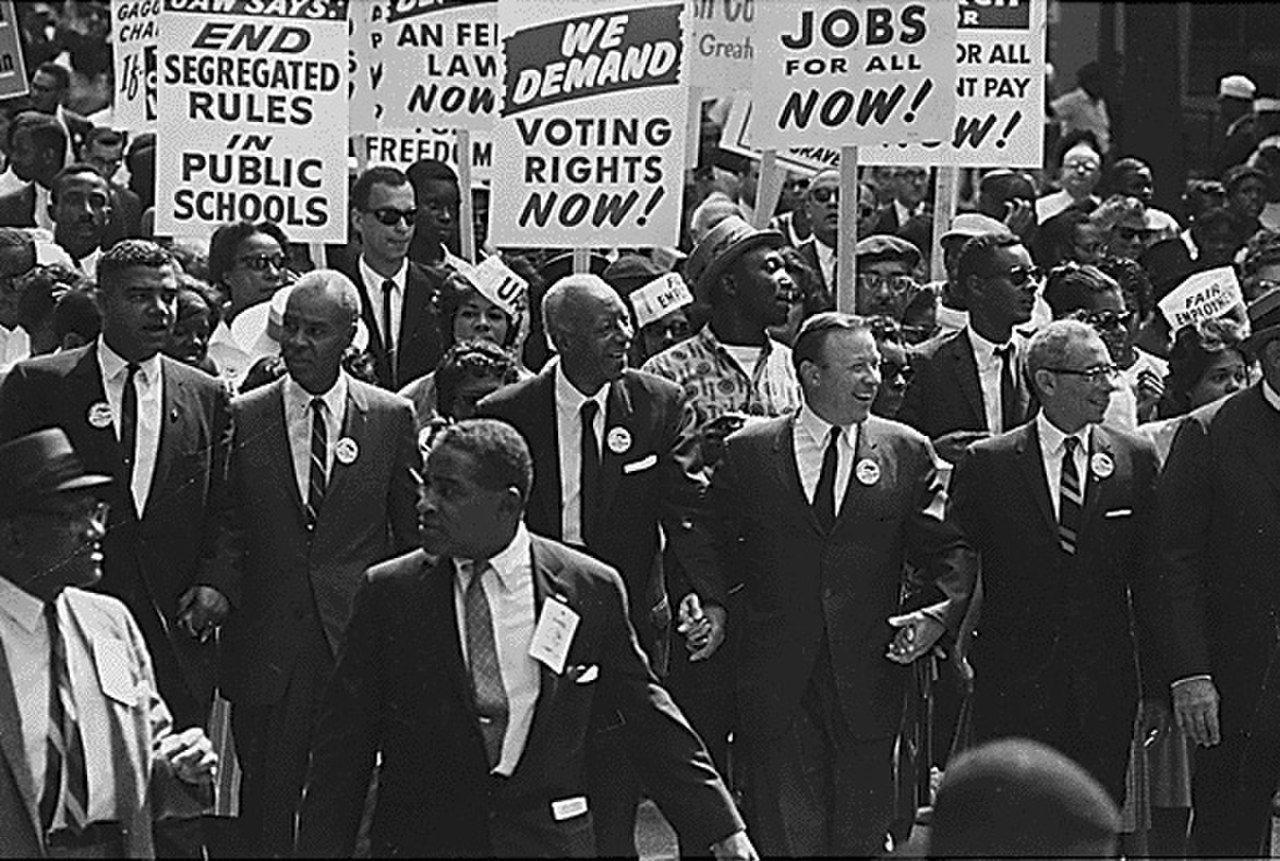
Demonstrative forms of activism, such as rallies, street marches, strikes, sit-ins, and hunger strikes, are also essential components of activism unleashed. As noted in Protest and Dissent, these forms of activism can be effective in bringing attention to an issue and mobilizing community members to take action. For example, the Civil Rights Movement used demonstrative forms of activism to bring about significant social change, including the March on Washington. The Anti-War Movement also used demonstrative forms of activism to bring attention to the issue of war and promote peace, as seen in the Vietnam War Protests.
🤝 Intersectionality and Coalition Building
Intersectionality and coalition building are also crucial components of activism unleashed. As noted in Intersectionality, intersectionality involves recognizing the multiple forms of oppression that individuals may face, including racism, sexism, homophobia, and classism. Coalition building involves working with different groups and organizations to bring about social change, as seen in the Feminist Movement. By building coalitions and promoting intersectionality, activists can create a more powerful and inclusive movement for social justice, as demonstrated by the Black Lives Matter movement.
📊 Measuring the Impact of Activism
Measuring the impact of activism is essential for evaluating the effectiveness of different forms of activism. As discussed in Evaluation and Assessment, measuring impact involves collecting data and evaluating the outcomes of activism. This can be done through various methods, including Surveys and Focus Groups. By measuring impact, activists can refine their strategies and create more effective forms of activism, as seen in the Environmental Movement.
🚀 The Future of Activism
The future of activism is uncertain, but it is clear that activism will continue to play a crucial role in bringing about social change. As noted in Future of Activism, new technologies and social media platforms are changing the way activism is conducted, as seen in the Arab Spring. By embracing these changes and adapting to new circumstances, activists can create more effective and powerful forms of activism, as demonstrated by the Me Too Movement.
👀 Challenges and Controversies
Challenges and controversies are inherent in activism unleashed. As discussed in Challenges and Controversies, activism can be met with resistance and backlash, as seen in the Civil Rights Movement. However, by persevering and adapting to challenges, activists can create a more just and equitable society, as envisioned in the Universal Declaration of Human Rights.
🌐 Global Activism and International Cooperation
Global activism and international cooperation are essential for addressing global issues and promoting social justice. As noted in Global Activism, global activism involves working with international organizations and governments to bring about change, as seen in the United Nations. By promoting global activism and international cooperation, activists can create a more just and equitable world, as demonstrated by the Global Climate Movement.
Key Facts
- Year
- 2020
- Origin
- Global, with roots in ancient civilizations and modern social movements
- Category
- Social Justice
- Type
- Social Movement
Frequently Asked Questions
What is activism unleashed?
Activism unleashed refers to the various forms of activism that aim to bring about social, political, economic, or environmental change. It involves efforts to promote, impede, direct, or intervene in reform with the desire to make changes in society toward a perceived common good. Activism unleashed can take many forms, including community organizing, political activism, economic activism, and demonstrative forms of activism. For example, the Civil Rights Movement is a prime example of activism unleashed, where various forms of activism were used to bring about significant social change.
What are the different forms of activism?
The different forms of activism include community organizing, political activism, economic activism, and demonstrative forms of activism. Community organizing involves building relationships and mobilizing community members to take action on specific issues. Political activism involves working with elected officials and political campaigns to bring about policy changes. Economic activism involves using economic leverage to promote social justice and bring about economic change. Demonstrative forms of activism, such as rallies and protests, can be effective in bringing attention to an issue and mobilizing community members to take action. For instance, the Labor Movement has used community organizing to bring about significant improvements in workers' rights and working conditions.
What is the importance of social justice and human rights in activism?
Social justice and human rights are at the core of activism unleashed. Social justice involves promoting equality, fairness, and dignity for all individuals. Human rights, including the right to life, liberty, and security of person, are essential components of activism unleashed. By promoting human rights and social justice, activists can create a more just and equitable society. For example, the LGBTQ Rights Movement has used activism to promote social justice and bring about significant changes in laws and policies.
How can activists measure the impact of their work?
Activists can measure the impact of their work by collecting data and evaluating the outcomes of activism. This can be done through various methods, including surveys and focus groups. By measuring impact, activists can refine their strategies and create more effective forms of activism. For instance, the Environmental Movement has used data and evaluation to measure the impact of their activism and create more effective strategies for promoting environmental justice.
What are the challenges and controversies in activism?
Challenges and controversies are inherent in activism unleashed. Activism can be met with resistance and backlash, and activists may face challenges in mobilizing community members and bringing about policy changes. However, by persevering and adapting to challenges, activists can create a more just and equitable society. For example, the Civil Rights Movement faced significant challenges and controversies, but ultimately brought about significant social change through perseverance and adaptability.
How can activists promote global activism and international cooperation?
Activists can promote global activism and international cooperation by working with international organizations and governments to bring about change. This can involve participating in global campaigns and initiatives, such as the Global Climate Movement. By promoting global activism and international cooperation, activists can create a more just and equitable world. For instance, the United Nations has played a crucial role in promoting global activism and international cooperation on issues such as human rights and sustainable development.
What is the role of technology in activism?
Technology has changed the way activism is conducted, with social media platforms and other digital tools providing new opportunities for mobilization and organization. Activists can use technology to reach a wider audience, mobilize community members, and bring about policy changes. For example, the Arab Spring movement used social media to mobilize protesters and bring about significant social change. However, technology also poses challenges for activists, such as the risk of surveillance and censorship.
🌈 Social Justice and Human Rights
Social justice and human rights are at the core of activism unleashed. As discussed in Human Rights, social justice involves promoting equality, fairness, and dignity for all individuals. Activism can be an effective way to bring about social justice, as seen in the LGBTQ Rights Movement. Human rights, including the right to life, liberty, and security of person, are also essential components of activism unleashed. By promoting human rights and social justice, activists can create a more just and equitable society, as envisioned in the Universal Declaration of Human Rights.