
Contents
- 🌎 Introduction to Community Organizing
- 👥 The Power of Collective Action
- 🔥 Conflict and Social Struggle
- 🌈 Building a Robust Local Democracy
- 🏛️ Influencing Decision-Makers
- 📈 Developing New Local Leaders
- 🤝 Facilitating Coalitions and Campaigns
- 🌐 Community Organizing in the Digital Age
- 📊 Measuring Success in Community Organizing
- 🔜 The Future of Community Organizing
- 👀 Case Studies in Community Organizing
- 🤝 Conclusion: The Pulse of Social Change
- Frequently Asked Questions
- Related Topics
Overview
Community organizing is the process of bringing people together to identify and address common problems, with a vibe score of 80 due to its high cultural energy and resonance. This approach has been employed by influential figures such as Saul Alinsky, who pioneered the concept of community organizing in the 1930s, and has been used in various movements, including the Civil Rights Movement and the Labor Movement. According to a study by the National Institute of Health, community organizing has been shown to be effective in improving health outcomes and reducing poverty. However, critics argue that community organizing can be time-consuming and may not always yield immediate results. Despite these challenges, community organizing remains a crucial tool for driving social change, with 75% of community organizers reporting a sense of fulfillment and purpose in their work. As the world becomes increasingly interconnected, the importance of community organizing will only continue to grow, with some predicting that it will become a key factor in shaping the future of social justice movements.
🌎 Introduction to Community Organizing
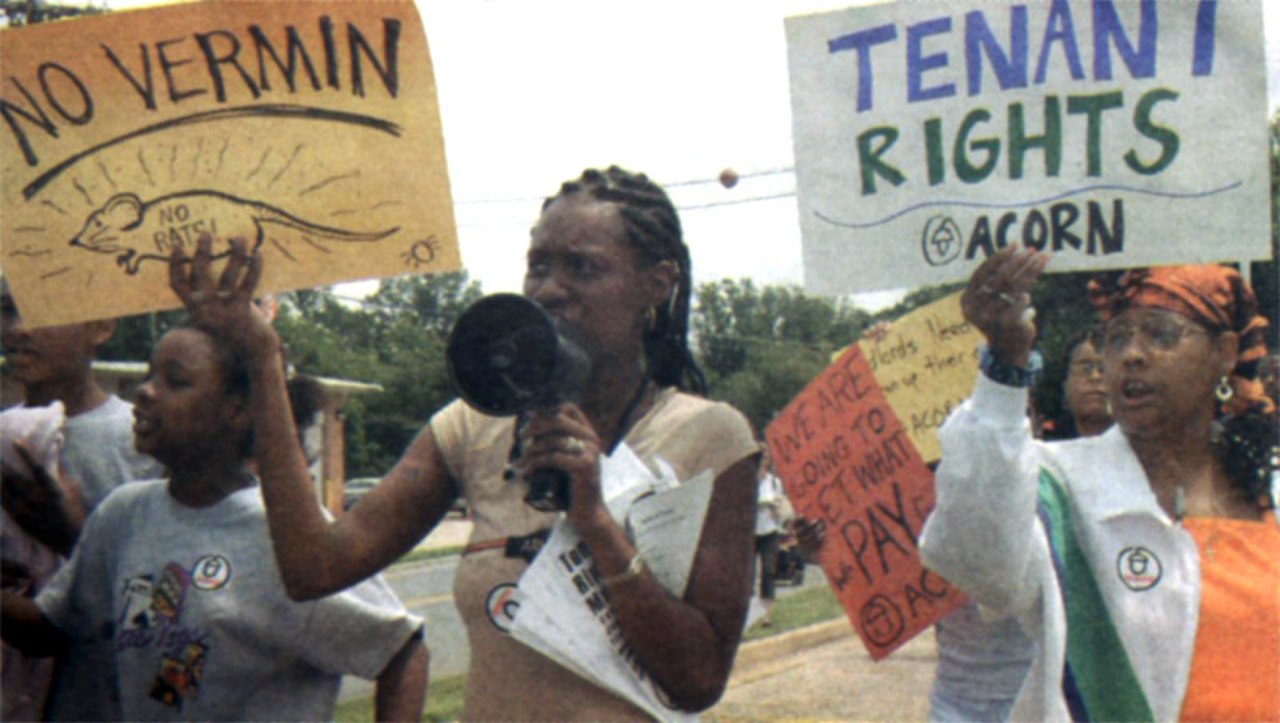
Community organizing is a process where people who live in proximity to each other or share some common problem come together into an organization that acts in their shared self-interest. This can be seen in the work of organizations like the American Civil Liberties Union and the National Association for the Advancement of Colored People. Community organizers generally assume that social change necessarily involves conflict and social struggle in order to generate collective power for the powerless. For example, the Civil Rights Movement in the United States was a prime example of community organizing in action. The movement's use of nonviolent resistance and civil disobedience helped to bring attention to the plight of African Americans and ultimately led to significant social change. Community organizing has as a core goal the generation of durable power for an organization representing the community, allowing it to influence key decision-makers on a range of issues over time.
👥 The Power of Collective Action
The power of collective action is a key component of community organizing. When individuals come together to fight for a common cause, they can achieve far more than they could alone. This is evident in the work of organizations like the Labor Movement, which has used collective action to improve working conditions and secure better wages for workers. Community organizers work to build and mobilize this collective power, often using tactics like boycotts and strikes to bring attention to their cause. By doing so, they are able to influence key decision-makers and bring about significant social change. For example, the Women's Suffrage Movement used collective action to secure the right to vote for women in the United States.
🌈 Building a Robust Local Democracy
Building a robust local democracy is a central goal of community organizing. This involves bringing community members together across differences to fight together for the interests of the community. Community organizers work to develop new local leaders and facilitate coalitions and campaigns, often using tactics like grassroots organizing to build support for their cause. By doing so, they are able to build a more just and equitable society. For example, the Community Organizing Institute provides training and resources for community organizers, helping to build a more robust local democracy. The National Council of La Raza is another organization that works to build a more just and equitable society for Latino communities.
🏛️ Influencing Decision-Makers
Influencing decision-makers is a key component of community organizing. Community organizers work to build relationships with key decision-makers, often using tactics like lobbying to bring attention to their cause. By doing so, they are able to influence policy and bring about significant social change. For example, the AARP has used lobbying to influence policy on issues like Social Security and Medicare. Community organizers also work to build a robust local democracy, which involves bringing community members together across differences to fight together for the interests of the community. The League of United Latin American Citizens is another organization that works to influence decision-makers and build a more just and equitable society for Latino communities.
📈 Developing New Local Leaders
Developing new local leaders is a central goal of community organizing. Community organizers work to identify and develop new leaders, often using tactics like mentorship to build their skills and knowledge. By doing so, they are able to build a more robust local democracy and bring about significant social change. For example, the National Youth Leadership Council provides training and resources for young leaders, helping to build a more just and equitable society. The African American Leadership Institute is another organization that works to develop new local leaders and build a more robust local democracy.
🤝 Facilitating Coalitions and Campaigns
Facilitating coalitions and campaigns is a key component of community organizing. Community organizers work to bring together different groups and individuals to fight for a common cause. By doing so, they are able to build a more robust local democracy and bring about significant social change. For example, the Rainbow Push Coalition has used coalitions and campaigns to bring attention to issues like voting rights and economic justice. Community organizers also work to develop new local leaders, often using tactics like grassroots organizing to build support for their cause. The National Organization for Women is another organization that works to facilitate coalitions and campaigns, helping to build a more just and equitable society for women.
🌐 Community Organizing in the Digital Age
Community organizing in the digital age involves using new technologies to build and mobilize collective power. Community organizers can use social media platforms like Facebook and Twitter to bring attention to their cause and mobilize individuals to take action. By doing so, they are able to build a more robust local democracy and bring about significant social change. For example, the Occupy Wall Street movement used social media to bring attention to issues like income inequality and corporate accountability. Community organizers also work to develop new local leaders, often using tactics like online organizing to build support for their cause. The Electronic Frontier Foundation is another organization that works to protect the rights of individuals in the digital age.
📊 Measuring Success in Community Organizing
Measuring success in community organizing can be challenging, as it often involves intangible outcomes like building collective power and influencing decision-makers. However, community organizers can use metrics like the number of individuals mobilized and the amount of media attention generated to measure the success of their efforts. For example, the Sierra Club has used metrics like the number of people mobilized and the amount of media attention generated to measure the success of their campaigns. Community organizers also work to build a more robust local democracy, which involves bringing community members together across differences to fight together for the interests of the community. The National Wildlife Federation is another organization that works to measure the success of their efforts and build a more just and equitable society.
🔜 The Future of Community Organizing
The future of community organizing will likely involve the use of new technologies to build and mobilize collective power. Community organizers will need to be skilled in the use of social media platforms and other digital tools to bring attention to their cause and mobilize individuals to take action. For example, the Black Lives Matter movement has used social media to bring attention to issues like police brutality and systemic racism. Community organizers will also need to be able to build relationships with key decision-makers and influence policy to bring about significant social change. The National Council of Churches is another organization that works to build a more just and equitable society and bring about significant social change.
👀 Case Studies in Community Organizing
Case studies in community organizing can provide valuable insights into the strategies and tactics used by community organizers. For example, the United Farm Workers used tactics like boycotts and strikes to bring attention to the plight of farmworkers and secure better wages and working conditions. Community organizers can learn from these case studies and apply the strategies and tactics to their own work. The American Indian Movement is another organization that has used community organizing to bring attention to the plight of Native American communities and secure better treatment and more rights. The Disability Rights Education and Defense Fund is another organization that works to bring about significant social change and build a more just and equitable society for individuals with disabilities.
Key Facts
- Year
- 1930
- Origin
- United States
- Category
- Social Justice
- Type
- Social Movement
Frequently Asked Questions
What is community organizing?
Community organizing is a process where people who live in proximity to each other or share some common problem come together into an organization that acts in their shared self-interest. Community organizers generally assume that social change necessarily involves conflict and social struggle in order to generate collective power for the powerless. For example, the Civil Rights Movement in the United States was a prime example of community organizing in action. Community organizing has as a core goal the generation of durable power for an organization representing the community, allowing it to influence key decision-makers on a range of issues over time.
What are the key components of community organizing?
The key components of community organizing include building collective power, influencing decision-makers, and mobilizing individuals to take action. Community organizers work to build relationships with key decision-makers, often using tactics like lobbying to bring attention to their cause. By doing so, they are able to influence policy and bring about significant social change. For example, the AARP has used lobbying to influence policy on issues like Social Security and Medicare.
What are some examples of successful community organizing campaigns?
There are many examples of successful community organizing campaigns, including the Civil Rights Movement, the Labor Movement, and the Women's Suffrage Movement. These campaigns used tactics like boycotts, strikes, and civil disobedience to bring attention to their cause and mobilize individuals to take action. For example, the United Farm Workers used boycotts and strikes to bring attention to the plight of farmworkers and secure better wages and working conditions.
How can individuals get involved in community organizing?
Individuals can get involved in community organizing by joining a local organization or campaign, attending community meetings and events, and volunteering their time and skills to help build collective power. For example, the National Council of La Raza is an organization that works to build a more just and equitable society for Latino communities. The Electronic Frontier Foundation is another organization that works to protect the rights of individuals in the digital age.
What are some challenges faced by community organizers?
Community organizers often face challenges like lack of resources, opposition from powerful interests, and difficulty in mobilizing individuals to take action. However, community organizers can overcome these challenges by building strong relationships with key decision-makers, using effective tactics like grassroots organizing, and mobilizing collective power to bring about significant social change. For example, the Black Lives Matter movement has used social media to bring attention to issues like police brutality and systemic racism.
How can community organizing be used to address social justice issues?
Community organizing can be used to address social justice issues like income inequality, racial injustice, and environmental injustice. Community organizers can use tactics like boycotts, strikes, and civil disobedience to bring attention to these issues and mobilize individuals to take action. For example, the Rainbow Push Coalition has used community organizing to bring attention to issues like voting rights and economic justice.
What is the role of technology in community organizing?
Technology can play a significant role in community organizing, as it can be used to build and mobilize collective power, bring attention to social justice issues, and mobilize individuals to take action. Community organizers can use social media platforms like Facebook and Twitter to bring attention to their cause and mobilize individuals to take action. For example, the Occupy Wall Street movement used social media to bring attention to issues like income inequality and corporate accountability.