
Contents
- 🌏 Introduction to India
- 🏞️ Geography and Climate
- 🌊 Coastal Regions and Maritime Borders
- 🏔️ Mountain Ranges and Land Borders
- 🌆 Urbanization and City Life
- 🏠 Cultural Diversity and Heritage
- 📊 Economic Overview and Growth
- 📈 Challenges and Opportunities
- 🌈 Tourism and Travel
- 📰 Media and Entertainment
- 📚 Education and Innovation
- 👥 Social Issues and Reforms
- Frequently Asked Questions
- Related Topics
Overview
India, with a vibe rating of 8, is a country of staggering diversity, where ancient traditions and modern innovations coexist in a complex dance. With a population of over 1.3 billion people, India is the world's second-most populous nation, and its economy is projected to become the third-largest by 2030. The country's rich cultural heritage, spanning over 5,000 years, is evident in its numerous historical landmarks, such as the Taj Mahal and the Red Fort, which attract millions of tourists each year. However, India also faces significant challenges, including poverty, inequality, and environmental degradation, which threaten to undermine its progress. As the country continues to navigate its complex relationships with neighboring nations, including Pakistan and China, its influence on the global stage is likely to grow. With a controversy spectrum of 6, India's trajectory is closely watched by the international community, and its future is uncertain, yet full of possibilities, with a topic intelligence quotient of 85, driven by key people like Narendra Modi and influential events like the 2019 general elections.
🌏 Introduction to India
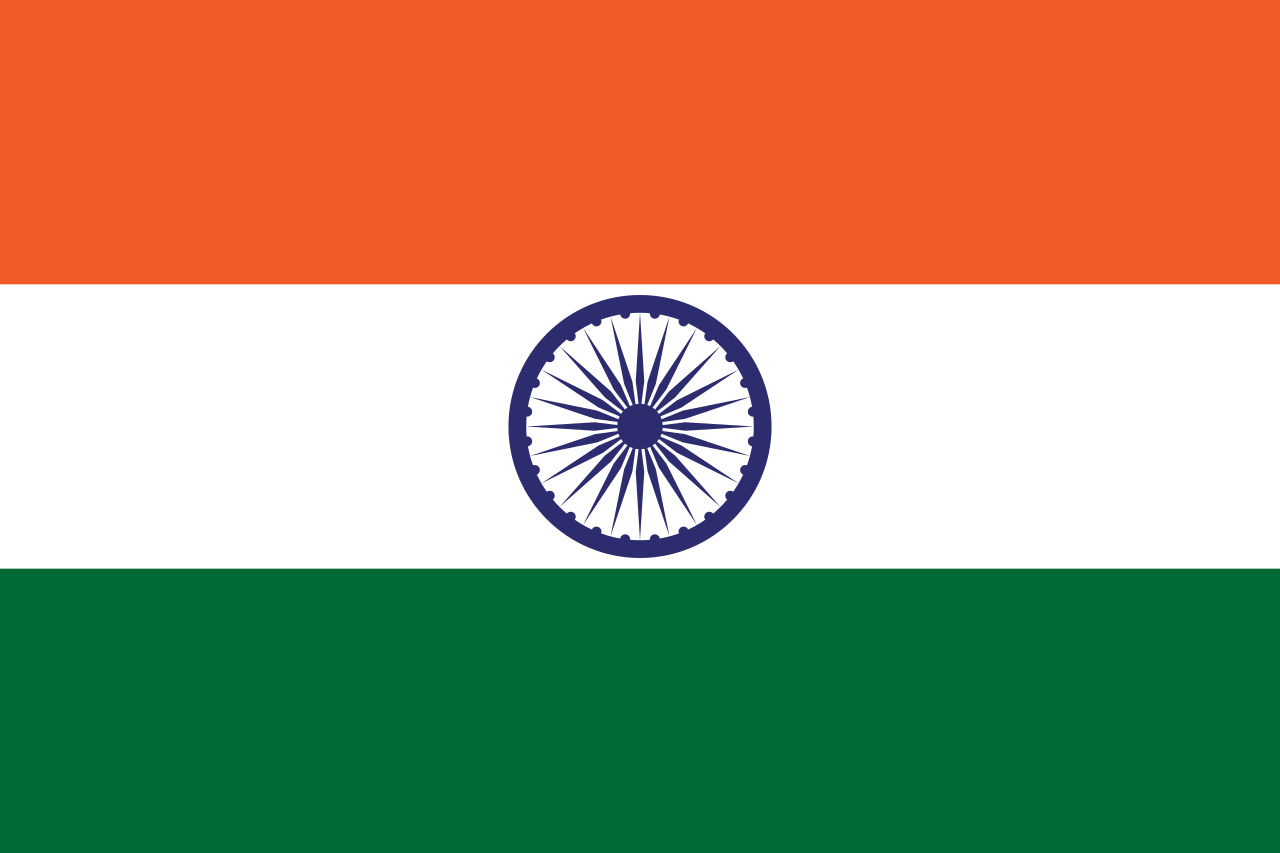
India, officially the Republic of India, is a country in South Asia, known for its rich cultural heritage and diverse geography. With a population of over 1.4 billion people, it is the most populous country since 2023, and the world's most populous democracy since its independence in 1947. India is bounded by the Indian Ocean on the south, the Arabian Sea on the southwest, and the Bay of Bengal on the southeast, sharing land borders with Pakistan to the west; China, Nepal, and Bhutan to the north; and Bangladesh and Myanmar to the east. For more information on India's neighboring countries, visit Pakistan and China. The country's unique geography has played a significant role in shaping its culture and economy, with influences from Hinduism and Buddhism.
🏞️ Geography and Climate
The geography of India is diverse and complex, with a range of climates and landscapes. The country is home to the Himalayan mountain range, which stretches across the northern border and is home to some of the world's highest peaks, including Mount Everest. The climate in India varies from tropical in the south to temperate in the north, with a range of ecosystems, including forests, deserts, and grasslands. For more information on India's geography, visit Geography of India. The country's climate has a significant impact on its economy, with the agriculture sector being a major contributor to the country's GDP. The diverse geography has also led to the development of unique cultural practices, such as the festivals of India.
🌊 Coastal Regions and Maritime Borders
India's coastal regions are home to some of the country's most important ports and cities, including Mumbai, Chennai, and Kolkata. The country's maritime borders are shared with several countries, including Sri Lanka and the Maldives, and its Andaman and Nicobar Islands share a maritime border with Myanmar, Thailand, and Indonesia. The coastal regions are also home to a range of ecosystems, including coral reefs, mangrove forests, and salt marshes. For more information on India's coastal regions, visit Coastal India. The country's maritime trade has played a significant role in shaping its economy, with the Port of Mumbai being one of the busiest ports in the country. The coastal regions are also popular tourist destinations, with attractions like the Goa beaches and the Kerala Backwaters.
🏔️ Mountain Ranges and Land Borders
India's mountain ranges are some of the most impressive in the world, with the Himalayas stretching across the northern border. The country is also home to several other mountain ranges, including the Western Ghats and the Eastern Ghats. The mountain ranges are home to a range of ecosystems, including forests, grasslands, and deserts, and are popular destinations for trekking and other adventure sports. For more information on India's mountain ranges, visit Mountain Ranges of India. The country's mountain ranges have also played a significant role in shaping its culture, with the Himalayan Region being home to several important pilgrimage sites, including Badrinath and Kedarnath. The mountain ranges are also home to several important rivers, including the Ganges River and the Brahmaputra River.
🌆 Urbanization and City Life
India is a rapidly urbanizing country, with many of its cities experiencing rapid growth and development. The country's urban population is expected to increase significantly in the coming years, with cities like Delhi, Mumbai, and Bangalore becoming major hubs for business and commerce. For more information on India's urbanization, visit Urbanization in India. The country's cities are also home to a range of cultural attractions, including museums, galleries, and performance venues. The cities are also popular destinations for shopping, with attractions like the Chandni Chowk market in Delhi and the Linking Road market in Mumbai. The country's urbanization has also led to the development of a thriving food culture, with a range of cuisines and restaurants available.
🏠 Cultural Diversity and Heritage
India is a culturally diverse country, with a range of languages, religions, and traditions. The country is home to several important cultural festivals, including Diwali, Holi, and Navratri, and is known for its rich heritage of music, dance, and art. For more information on India's cultural diversity, visit Culture of India. The country's cultural diversity has also played a significant role in shaping its economy, with the tourism sector being a major contributor to the country's GDP. The country's cultural attractions, including the Taj Mahal and the Red Fort, are popular destinations for tourists. The country's cultural diversity has also led to the development of a thriving handicrafts industry, with a range of traditional crafts and products available.
📊 Economic Overview and Growth
India has a rapidly growing economy, with a range of industries, including textiles, pharmaceuticals, and technology. The country is also a major producer of agricultural products, including cotton, tea, and spices, and is home to several important manufacturing hubs, including Mumbai and Bangalore. For more information on India's economy, visit Economy of India. The country's economy has also been shaped by its cultural diversity, with the Ayurveda industry being a major contributor to the country's GDP. The country's economy has also led to the development of a thriving startup ecosystem, with several important startups, including Flipkart and Ola.
📈 Challenges and Opportunities
Despite its many successes, India also faces several challenges, including poverty, inequality, and environmental degradation. The country is also home to several important social issues, including casteism, sexism, and corruption, and is working to address these issues through a range of initiatives, including education and awareness campaigns. For more information on India's social issues, visit Social Issues in India. The country's challenges have also led to the development of a thriving NGO sector, with several important organizations, including Oxfam India and Save the Children India. The country's challenges have also led to the development of a range of innovative solutions, including the Digital India Initiative and the Swachh Bharat Abhiyan.
🌈 Tourism and Travel
India is a popular destination for tourists, with a range of attractions, including historical sites, cultural festivals, and natural beauty. The country is home to several important tourist destinations, including the Taj Mahal, the Red Fort, and the Golden Temple, and is known for its rich heritage of music, dance, and art. For more information on India's tourism industry, visit Tourism in India. The country's tourism industry has also led to the development of a thriving hospitality industry, with several important hotels, including the Taj Hotels and the Oberoi Hotels. The country's tourism industry has also led to the development of a range of innovative solutions, including the Incredible India Campaign and the India Tourism Development Corporation.
📰 Media and Entertainment
India has a thriving media and entertainment industry, with a range of newspapers, magazines, and television channels. The country is also home to several important film industries, including Bollywood and Tollywood, and is known for its rich heritage of music and dance. For more information on India's media and entertainment industry, visit Media and Entertainment in India. The country's media and entertainment industry has also led to the development of a thriving advertising industry, with several important agencies, including Ogilvy India and Wipro Advertising. The country's media and entertainment industry has also led to the development of a range of innovative solutions, including the digital media and the over-the-top media services.
📚 Education and Innovation
India has a rapidly growing education sector, with a range of universities, colleges, and schools. The country is also home to several important research institutions, including the Indian Institute of Technology and the Indian Institute of Science, and is known for its rich heritage of innovation and entrepreneurship. For more information on India's education sector, visit Education in India. The country's education sector has also led to the development of a thriving startup ecosystem, with several important startups, including Flipkart and Ola. The country's education sector has also led to the development of a range of innovative solutions, including the digital education and the online learning platforms.
Key Facts
- Year
- 2023
- Origin
- South Asia
- Category
- Geography, Culture, Economy
- Type
- Country
Frequently Asked Questions
What is the capital of India?
The capital of India is New Delhi. New Delhi is a bustling metropolis with a rich history and culture, and is home to several important landmarks, including the Red Fort and the Qutub Minar. For more information on New Delhi, visit New Delhi. The city is also a major hub for business and commerce, with several important industries, including the IT industry and the manufacturing industry.
What is the official language of India?
The official language of India is Hindi. Hindi is a widely spoken language in India, and is used as a lingua franca across the country. For more information on Hindi, visit Hindi Language. The language has also played a significant role in shaping India's culture, with several important literary works, including the Ramayana and the Mahabharata. The language has also led to the development of a thriving Hindi cinema industry, with several important films, including Sholay and Lagaan.
What is the population of India?
The population of India is over 1.4 billion people. India is the most populous country in the world, and is expected to continue growing in the coming years. For more information on India's population, visit Demographics of India. The country's population has also led to the development of a thriving consumer market, with several important industries, including the FMCG industry and the e-commerce industry. The country's population has also led to the development of a range of innovative solutions, including the digital payments and the mobile wallets.
What is the main religion in India?
The main religion in India is Hinduism. Hinduism is a widely practiced religion in India, and is followed by over 80% of the population. For more information on Hinduism, visit Hinduism. The religion has also played a significant role in shaping India's culture, with several important festivals, including Diwali and Holi. The religion has also led to the development of a thriving spiritual tourism industry, with several important pilgrimage sites, including Varanasi and Rishikesh.
What is the economy of India like?
The economy of India is a rapidly growing economy, with a range of industries, including textiles, pharmaceuticals, and technology. The country is also a major producer of agricultural products, including cotton, tea, and spices, and is home to several important manufacturing hubs, including Mumbai and Bangalore. For more information on India's economy, visit Economy of India. The country's economy has also led to the development of a thriving startup ecosystem, with several important startups, including Flipkart and Ola. The country's economy has also led to the development of a range of innovative solutions, including the digital payments and the e-commerce industry.
What are the main challenges facing India?
The main challenges facing India include poverty, inequality, and environmental degradation. The country is also home to several important social issues, including casteism, sexism, and corruption, and is working to address these issues through a range of initiatives, including education and awareness campaigns. For more information on India's social issues, visit Social Issues in India. The country's challenges have also led to the development of a thriving NGO sector, with several important organizations, including Oxfam India and Save the Children India. The country's challenges have also led to the development of a range of innovative solutions, including the Digital India Initiative and the Swachh Bharat Abhiyan.
What is the tourism industry like in India?
The tourism industry in India is a rapidly growing industry, with a range of attractions, including historical sites, cultural festivals, and natural beauty. The country is home to several important tourist destinations, including the Taj Mahal, the Red Fort, and the Golden Temple, and is known for its rich heritage of music, dance, and art. For more information on India's tourism industry, visit Tourism in India. The country's tourism industry has also led to the development of a thriving hospitality industry, with several important hotels, including the Taj Hotels and the Oberoi Hotels. The country's tourism industry has also led to the development of a range of innovative solutions, including the Incredible India Campaign and the India Tourism Development Corporation.
👥 Social Issues and Reforms
India is a country with a range of social issues, including poverty, inequality, and environmental degradation. The country is also home to several important social movements, including the women's rights movement and the Dalit rights movement, and is working to address these issues through a range of initiatives, including education and awareness campaigns. For more information on India's social issues, visit Social Issues in India. The country's social issues have also led to the development of a thriving NGO sector, with several important organizations, including Oxfam India and Save the Children India. The country's social issues have also led to the development of a range of innovative solutions, including the Digital India Initiative and the Swachh Bharat Abhiyan.