
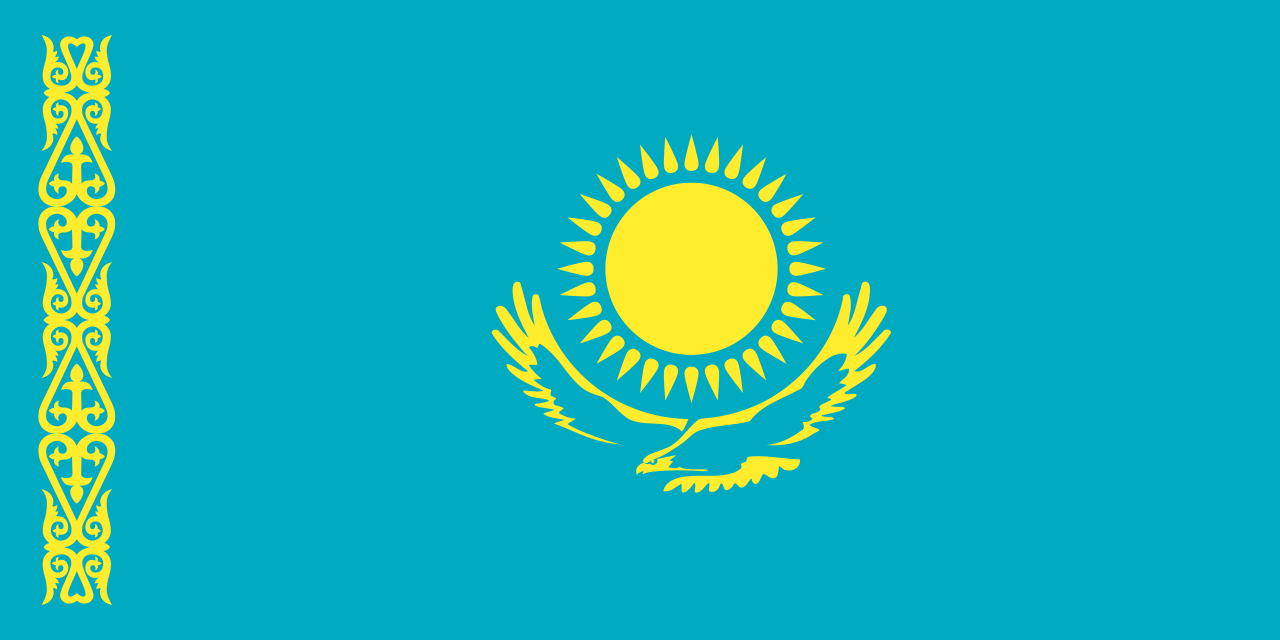
Contents
Overview
Kazakhstan, the world's largest landlocked country, boasts a unique blend of Russian, Chinese, and Central Asian influences. With a Vibe score of 62, it's a nation that's rapidly modernizing, driven by its vast oil reserves and strategic location along the ancient Silk Road. The country's stunning natural beauty, from the Tian Shan mountains to the Caspian Sea, is matched by its rich cultural heritage, including the historic city of Turkestan and the vibrant capital, Astana. However, Kazakhstan's authoritarian government and human rights concerns have sparked controversy, with a Controversy spectrum rating of 6.5. As the country looks to the future, it's poised to play a key role in regional trade and politics, with influence flows from China, Russia, and the EU. With a population of over 18 million and a GDP of $170 billion, Kazakhstan is a nation on the move, driven by its ambitious 2050 development strategy. The country's entity relationships with neighboring nations, including Uzbekistan, Kyrgyzstan, and Turkmenistan, will be crucial in shaping its future.
🏔️ Introduction to Kazakhstan
Kazakhstan, officially the Republic of Kazakhstan, is a landlocked country situated primarily in Central Asia, with a portion of its territory extending into Eastern Europe. The country's unique location has made it a significant player in the region, with its capital Astana and largest city Almaty serving as major cultural and economic centers. Kazakhstan shares borders with several countries, including Russia to the north and west, China to the east, Kyrgyzstan to the southeast, Uzbekistan to the south, and Turkmenistan to the southwest. The country's coastline along the Caspian Sea also provides access to major shipping routes.
🌍 Geographical Overview
The geographical landscape of Kazakhstan is characterized by its vast steppes, mountains, and deserts. The country's terrain is divided into several distinct regions, including the Kazakh Steppe and the Tien Shan mountains. The climate in Kazakhstan varies greatly, with cold winters and hot summers, and the country is also prone to natural disasters such as earthquakes and floods. Despite these challenges, Kazakhstan's geography has also provided the country with significant natural resources, including oil, gas, and minerals. The country's Trans-Caspian Corridor is also an important transportation route, connecting Europe and Asia. Kazakhstan's unique geography has also made it an attractive destination for tourists, with its stunning natural beauty and rich cultural heritage.
🏛️ Political Landscape
The political landscape of Kazakhstan is characterized by its presidential system, with the President of Kazakhstan serving as the head of state and government. The country has a Parliament of Kazakhstan, which is composed of two chambers: the Senate of Kazakhstan and the Mazhilis of Kazakhstan. Kazakhstan has also been a member of several international organizations, including the United Nations and the European Union. The country has also been actively engaged in regional organizations, such as the Shanghai Cooperation Organization and the Eurasian Economic Union. Kazakhstan's political relationships with its neighbors, including Russia and China, are also significant, with the country seeking to balance its relationships with these major powers.
🎨 Cultural Heritage
Kazakhstan has a rich cultural heritage, with a unique blend of traditional and modern influences. The country's cultural landscape is characterized by its Kazakh literature, Kazakh music, and Kazakh art. The country's capital, Astana, is also home to several major cultural institutions, including the Kazakh State Philharmonic and the Kazakh State Opera. Kazakhstan's cultural heritage is also reflected in its traditional cuisine, which includes dishes such as Beshbarmak and Kuyrdak. The country's cultural relationships with its neighbors, including Kyrgyzstan and Uzbekistan, are also significant, with the country seeking to promote cultural exchange and cooperation in the region.
📊 Economic Overview
Kazakhstan has a rapidly growing economy, with a GDP of over $170 billion. The country's economy is driven by its natural resources, including oil, gas, and minerals. The country is also a significant producer of agricultural products, including wheat, cotton, and livestock. Kazakhstan's economic relationships with its neighbors, including Russia and China, are also significant, with the country seeking to promote trade and investment in the region. The country's Eurasian Economic Union membership has also provided it with access to a large market and has facilitated the country's economic integration with its neighbors.
🚀 Future Prospects
Kazakhstan has significant future prospects, with the country seeking to diversify its economy and promote sustainable development. The country's Strategy 2050 aims to make Kazakhstan one of the 30 most developed countries in the world by 2050. The country is also seeking to promote its tourism industry, with its unique cultural heritage and natural beauty making it an attractive destination for tourists. Kazakhstan's relationships with its neighbors, including Turkmenistan and Uzbekistan, are also expected to play a significant role in the country's future development.
🤝 International Relations
Kazakhstan's international relationships are significant, with the country seeking to promote cooperation and dialogue with its neighbors and major powers. The country's relationships with Russia and China are particularly significant, with the country seeking to balance its relationships with these major powers. Kazakhstan is also a member of several international organizations, including the United Nations and the OSCE. The country's participation in regional organizations, such as the Shanghai Cooperation Organization and the Eurasian Economic Union, is also significant, with the country seeking to promote regional cooperation and stability.
🌟 Tourism in Kazakhstan
Tourism in Kazakhstan is a rapidly growing industry, with the country's unique cultural heritage and natural beauty making it an attractive destination for tourists. The country's capital, Astana, is a popular destination, with its modern architecture and cultural institutions. The country's largest city, Almaty, is also a popular destination, with its stunning natural beauty and outdoor recreational opportunities. Kazakhstan's tourism industry is also expected to play a significant role in the country's future development, with the country seeking to promote sustainable tourism and cultural exchange.
📚 Education and Research
Education and research are significant in Kazakhstan, with the country seeking to promote education and innovation. The country's education system is characterized by its Kazakh education system, which includes primary, secondary, and higher education. The country's universities, including the Al-Farabi Kazakh National University and the Kazakh National Technical University, are also significant, with the country seeking to promote research and innovation. Kazakhstan's relationships with its neighbors, including Kyrgyzstan and Uzbekistan, are also significant, with the country seeking to promote educational exchange and cooperation in the region.
👥 Demographics and Society
Kazakhstan's demographics and society are characterized by its diverse population, with over 130 ethnic groups represented in the country. The country's population is also relatively young, with over 60% of the population under the age of 30. Kazakhstan's society is also characterized by its traditional values, including respect for elders and hospitality. The country's relationships with its neighbors, including Russia and China, are also significant, with the country seeking to promote cultural exchange and cooperation in the region.
📢 Media and Communication
Kazakhstan's media and communication landscape is characterized by its diverse media outlets, including television, radio, and print media. The country's media is also relatively free, with the country ranking 122nd out of 180 countries in the Reporters Without Borders press freedom index. Kazakhstan's relationships with its neighbors, including Kyrgyzstan and Uzbekistan, are also significant, with the country seeking to promote media exchange and cooperation in the region.
Key Facts
- Year
- 1991
- Origin
- Central Asia
- Category
- Geography, Politics, Culture
- Type
- Country
Frequently Asked Questions
What is the capital of Kazakhstan?
The capital of Kazakhstan is Astana. The city was formerly known as Akmola and was renamed Astana in 1997. Astana is a significant cultural and economic center in the country and is home to many major institutions, including the Kazakh State Philharmonic and the Kazakh State Opera. The city is also a popular destination for tourists, with its modern architecture and cultural attractions.
What is the largest city in Kazakhstan?
The largest city in Kazakhstan is Almaty. The city is a significant cultural and economic center in the country and is home to many major institutions, including the Al-Farabi Kazakh National University and the Kazakh National Technical University. Almaty is also a popular destination for tourists, with its stunning natural beauty and outdoor recreational opportunities.
What is the official language of Kazakhstan?
The official language of Kazakhstan is Kazakh. The language is a Turkic language and is spoken by the majority of the population. Russian is also widely spoken in the country, particularly in the northern regions. Kazakhstan is a multilingual country, with many other languages spoken, including English, German, and French.
What is the economy of Kazakhstan like?
The economy of Kazakhstan is a rapidly growing economy, driven by its natural resources, including oil, gas, and minerals. The country is also a significant producer of agricultural products, including wheat, cotton, and livestock. Kazakhstan's economic relationships with its neighbors, including Russia and China, are also significant, with the country seeking to promote trade and investment in the region.
What is the culture of Kazakhstan like?
The culture of Kazakhstan is a unique blend of traditional and modern influences. The country's cultural landscape is characterized by its Kazakh literature, Kazakh music, and Kazakh art. The country's capital, Astana, is a significant cultural center, with its modern architecture and cultural institutions. Kazakhstan's cultural relationships with its neighbors, including Kyrgyzstan and Uzbekistan, are also significant, with the country seeking to promote cultural exchange and cooperation in the region.
What is the history of Kazakhstan like?
The history of Kazakhstan is a long and complex one, with the country having been ruled by various empires and dynasties throughout its history. The country was formerly a part of the Soviet Union and gained independence in 1991. Kazakhstan's history is also characterized by its significant cultural and economic achievements, including its Kazakh Golden Era and its Kazakh Renaissance. The country's relationships with its neighbors, including Russia and China, are also significant, with the country seeking to promote cooperation and dialogue in the region.
What are the major tourist attractions in Kazakhstan?
The major tourist attractions in Kazakhstan include the country's stunning natural beauty, including its mountains, forests, and lakes. The country's capital, Astana, is also a popular destination, with its modern architecture and cultural attractions. The country's largest city, Almaty, is also a popular destination, with its stunning natural beauty and outdoor recreational opportunities. Other popular destinations in Kazakhstan include the Turgen Gorge and the Big Almaty Lake.