
Contents
- 🏙️ Introduction to Astana
- 🌐 Geographical Location
- 🏛️ History of Astana
- 📈 Population and Economy
- 🏗️ Architecture and Infrastructure
- 🚀 Futuristic Developments
- 👥 Cultural Significance
- 🤝 International Relations
- 📊 Administrative Divisions
- 📚 Name Changes and Controversies
- 👀 Tourism and Attractions
- 🚫 Challenges and Future Prospects
- Frequently Asked Questions
- Related Topics
Overview
Astana, the capital of Kazakhstan since 1997, is a city of stark contrasts, where Soviet-era architecture stands alongside futuristic skyscrapers and grandiose monuments. The city's vibe score is 82, reflecting its unique blend of traditional and modern elements. With a population of over 1 million people, Astana is a hub of political, economic, and cultural activity, hosting numerous international events and exhibitions. The city's development has been driven by the vision of its former president, Nursultan Nazarbayev, who aimed to create a modern, sustainable, and efficient capital. However, critics argue that the city's rapid growth has come at the cost of environmental and social concerns, with many residents struggling to adapt to the changing urban landscape. As Astana continues to evolve, it remains a fascinating case study of urban planning, cultural identity, and the challenges of building a sustainable future.
🏙️ Introduction to Astana
Astana, the capital city of Kazakhstan, is a marvel of modern architecture and urban planning. With a population of 1,622,245 within the city limits, it is the second-largest city in the country after Almaty, which was the national capital until 1997. The city lies on the banks of the Ishim river in the north of Kazakhstan. Astana is a Kazakhstan city that has undergone significant transformations over the years, with a rich history dating back to its founding as Aqmoly in 1830. Today, Astana is a thriving metropolis with a unique blend of traditional and modern culture, as seen in its vibrant Kazakh culture and stunning Astana architecture.
🌐 Geographical Location
Geographically, Astana is located within the Akmola Region but administers itself. The city's strategic location on the banks of the Ishim river has made it an important hub for trade and commerce in the region. Astana's proximity to major cities like Moscow and Beijing has also facilitated international trade and cooperation. The city's unique geography has also made it a popular destination for tourists, with its stunning Kazakhstan landscapes and vibrant Astana nightlife. As the capital city of Kazakhstan, Astana plays a crucial role in the country's Kazakhstan politics and economy. The city is also home to several important institutions, including the Kazakhstan government and the Kazakhstan parliament.
🏛️ History of Astana
The history of Astana is a fascinating one, with the city undergoing several name changes over the years. Initially founded as Aqmoly in 1830, the city was later renamed Akmolinsk, Tselinograd, and Aqmola before adopting the name Astana in 1998. The city's name changes reflect the significant transformations it has undergone, from a small fort town to a modern capital city. Astana's history is also closely tied to the history of Kazakhstan, with the city playing a crucial role in the country's struggle for independence. The city's Kazakhstan history is a rich and complex one, with many important events and figures shaping its development. As the capital city of Kazakhstan, Astana is also home to many important historical landmarks, including the Kazakhstan museum and the Astana historical center.
📈 Population and Economy
With a population of over 1.6 million people, Astana is a thriving metropolis with a diverse economy. The city is a major hub for industry, trade, and commerce, with a strong focus on Kazakhstan energy and Kazakhstan manufacturing. Astana is also home to several major universities and research institutions, including the Kazakhstan university and the Astana university. The city's economy is driven by a combination of government investment, private enterprise, and foreign investment, with many international companies having a presence in the city. As the capital city of Kazakhstan, Astana plays a crucial role in the country's Kazakhstan economy, with the city accounting for a significant proportion of the country's GDP. The city's Astana business community is also thriving, with many entrepreneurs and startups calling the city home.
🏗️ Architecture and Infrastructure
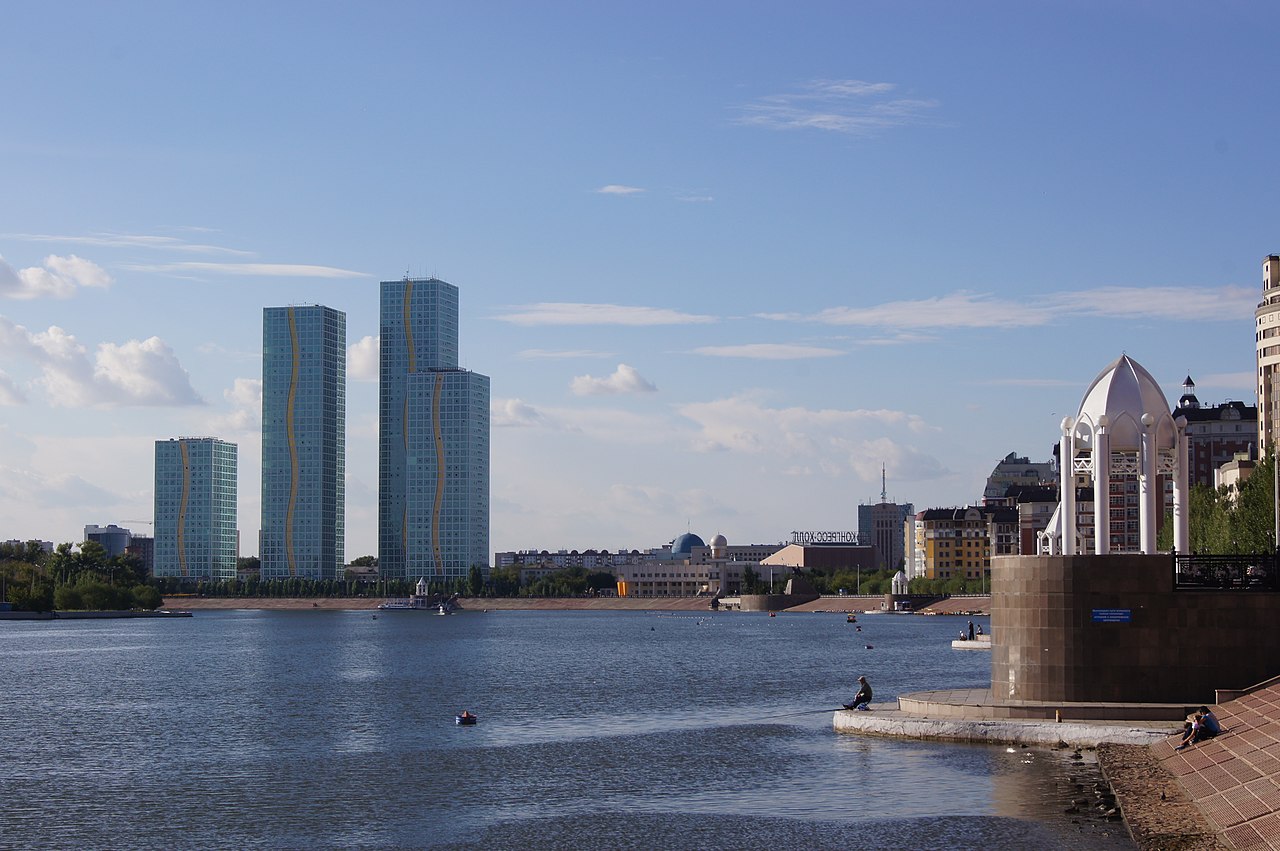
Astana's architecture and infrastructure are truly futuristic, with many modern buildings and landmarks that showcase the city's commitment to innovation and progress. The city is home to several iconic buildings, including the Bayterek tower and the Palace of peace and reconciliation. Astana's infrastructure is also highly developed, with a modern transportation system and a range of amenities and services. The city is designed to be highly efficient and sustainable, with a focus on Green energy and Environmental sustainability. As the capital city of Kazakhstan, Astana is also home to many important government buildings and institutions, including the Kazakhstan presidential palace and the Kazakhstan parliament building. The city's Astana architecture is a unique blend of traditional and modern styles, reflecting the city's rich cultural heritage and its commitment to innovation and progress.
🚀 Futuristic Developments
Astana is a city that is constantly looking to the future, with a range of futuristic developments and initiatives that are designed to drive growth and innovation. The city is home to several major technology parks and innovation hubs, including the Astana tech park and the Kazakhstan innovation hub. Astana is also a popular destination for international events and conferences, with the city hosting several major gatherings each year. The city's futuristic developments are driven by a combination of government investment, private enterprise, and foreign investment, with many international companies having a presence in the city. As the capital city of Kazakhstan, Astana plays a crucial role in the country's Kazakhstan technology sector, with the city accounting for a significant proportion of the country's tech industry. The city's Astana innovation ecosystem is also thriving, with many startups and entrepreneurs calling the city home.
👥 Cultural Significance
Astana has a rich cultural significance, with a unique blend of traditional and modern culture. The city is home to several important cultural institutions, including the Kazakhstan museum and the Astana opera. Astana is also a popular destination for tourists, with many attractions and landmarks that showcase the city's history and culture. The city's cultural significance is also reflected in its vibrant Kazakhstan arts scene, with many local artists and performers calling the city home. As the capital city of Kazakhstan, Astana plays a crucial role in the country's Kazakhstan culture, with the city accounting for a significant proportion of the country's cultural output. The city's Astana culture is a unique blend of traditional and modern styles, reflecting the city's rich cultural heritage and its commitment to innovation and progress.
🤝 International Relations
Astana has a range of international relations, with the city playing a crucial role in Kazakhstan's foreign policy. The city is home to several international organizations and institutions, including the United Nations and the European Union. Astana is also a popular destination for international events and conferences, with the city hosting several major gatherings each year. The city's international relations are driven by a combination of government diplomacy, private enterprise, and foreign investment, with many international companies having a presence in the city. As the capital city of Kazakhstan, Astana plays a crucial role in the country's Kazakhstan foreign policy, with the city accounting for a significant proportion of the country's international relations. The city's Astana international relations are also reflected in its vibrant Kazakhstan diplomacy scene, with many local diplomats and international organizations calling the city home.
📊 Administrative Divisions
Astana is divided into several administrative divisions, including the Almaty district and the Saryarka district. The city is governed by a mayor and a city council, with the mayor being appointed by the president of Kazakhstan. Astana is also home to several important government institutions, including the Kazakhstan government and the Kazakhstan parliament. The city's administrative divisions are designed to be highly efficient and effective, with a focus on Good governance and Public administration. As the capital city of Kazakhstan, Astana plays a crucial role in the country's Kazakhstan governance, with the city accounting for a significant proportion of the country's government institutions. The city's Astana governance is also reflected in its vibrant Kazakhstan public administration scene, with many local officials and institutions calling the city home.
📚 Name Changes and Controversies
In 2019, the city briefly adopted the name Nur-Sultan in honor of former president Nursultan Nazarbayev, but it reverted to the name Astana in 2022. The city's name changes reflect the significant transformations it has undergone, from a small fort town to a modern capital city. Astana's name changes are also closely tied to the history of Kazakhstan, with the city playing a crucial role in the country's struggle for independence. The city's Kazakhstan history is a rich and complex one, with many important events and figures shaping its development. As the capital city of Kazakhstan, Astana is also home to many important historical landmarks, including the Kazakhstan museum and the Astana historical center.
👀 Tourism and Attractions
Astana is a popular destination for tourists, with many attractions and landmarks that showcase the city's history and culture. The city is home to several important cultural institutions, including the Kazakhstan museum and the Astana opera. Astana is also a popular destination for international events and conferences, with the city hosting several major gatherings each year. The city's tourism industry is driven by a combination of government investment, private enterprise, and foreign investment, with many international companies having a presence in the city. As the capital city of Kazakhstan, Astana plays a crucial role in the country's Kazakhstan tourism sector, with the city accounting for a significant proportion of the country's tourist arrivals. The city's Astana tourism industry is also reflected in its vibrant Kazakhstan hospitality scene, with many local hotels and restaurants calling the city home.
🚫 Challenges and Future Prospects
Despite its many successes, Astana still faces several challenges, including a rapidly growing population and a need for sustainable development. The city is working to address these challenges through a range of initiatives, including the development of new infrastructure and the promotion of green energy. Astana is also a popular destination for international events and conferences, with the city hosting several major gatherings each year. The city's future prospects are bright, with many opportunities for growth and development in the years to come. As the capital city of Kazakhstan, Astana plays a crucial role in the country's Kazakhstan future, with the city accounting for a significant proportion of the country's economic output. The city's Astana future is also reflected in its vibrant Kazakhstan innovation scene, with many local startups and entrepreneurs calling the city home.
Key Facts
- Year
- 1997
- Origin
- Kazakhstan
- Category
- Geography, Politics, Architecture
- Type
- City
Frequently Asked Questions
What is the population of Astana?
The population of Astana is approximately 1,622,245 people within the city limits. The city is the second-largest in Kazakhstan after Almaty, which was the national capital until 1997. Astana is a thriving metropolis with a diverse economy and a unique blend of traditional and modern culture. The city is home to several important institutions, including the Kazakhstan government and the Kazakhstan parliament. As the capital city of Kazakhstan, Astana plays a crucial role in the country's politics and economy.
What is the history of Astana?
The history of Astana is a fascinating one, with the city undergoing several name changes over the years. Initially founded as Aqmoly in 1830, the city was later renamed Akmolinsk, Tselinograd, and Aqmola before adopting the name Astana in 1998. The city's name changes reflect the significant transformations it has undergone, from a small fort town to a modern capital city. Astana's history is also closely tied to the history of Kazakhstan, with the city playing a crucial role in the country's struggle for independence. The city's history is a rich and complex one, with many important events and figures shaping its development.
What are the main attractions in Astana?
Astana is a popular destination for tourists, with many attractions and landmarks that showcase the city's history and culture. The city is home to several important cultural institutions, including the Kazakhstan museum and the Astana opera. Astana is also a popular destination for international events and conferences, with the city hosting several major gatherings each year. The city's tourism industry is driven by a combination of government investment, private enterprise, and foreign investment, with many international companies having a presence in the city. Some of the main attractions in Astana include the Bayterek tower, the Palace of peace and reconciliation, and the Astana historical center.
What is the economy of Astana like?
The economy of Astana is a thriving one, with a diverse range of industries and sectors. The city is a major hub for industry, trade, and commerce, with a strong focus on Kazakhstan energy and Kazakhstan manufacturing. Astana is also home to several major universities and research institutions, including the Kazakhstan university and the Astana university. The city's economy is driven by a combination of government investment, private enterprise, and foreign investment, with many international companies having a presence in the city. As the capital city of Kazakhstan, Astana plays a crucial role in the country's economy, with the city accounting for a significant proportion of the country's GDP.
What are the challenges facing Astana?
Despite its many successes, Astana still faces several challenges, including a rapidly growing population and a need for sustainable development. The city is working to address these challenges through a range of initiatives, including the development of new infrastructure and the promotion of green energy. Astana is also a popular destination for international events and conferences, with the city hosting several major gatherings each year. The city's future prospects are bright, with many opportunities for growth and development in the years to come. However, the city must also address several challenges, including a need for improved public transportation and a reduction in air pollution.
What is the future of Astana?
The future of Astana is bright, with many opportunities for growth and development in the years to come. The city is working to address several challenges, including a rapidly growing population and a need for sustainable development. Astana is also a popular destination for international events and conferences, with the city hosting several major gatherings each year. The city's future prospects are driven by a combination of government investment, private enterprise, and foreign investment, with many international companies having a presence in the city. As the capital city of Kazakhstan, Astana plays a crucial role in the country's future, with the city accounting for a significant proportion of the country's economic output.
How does Astana contribute to Kazakhstan's economy?
Astana is a significant contributor to Kazakhstan's economy, with the city accounting for a substantial proportion of the country's GDP. The city is a major hub for industry, trade, and commerce, with a strong focus on Kazakhstan energy and Kazakhstan manufacturing. Astana is also home to several major universities and research institutions, including the Kazakhstan university and the Astana university. The city's economy is driven by a combination of government investment, private enterprise, and foreign investment, with many international companies having a presence in the city. As the capital city of Kazakhstan, Astana plays a crucial role in the country's economy, with the city driving growth and development in several key sectors.