
Contents
- 📚 Introduction to the Achievement Gap
- 📊 Understanding Educational Inequality
- 🏫 The Impact of School Funding on Achievement
- 📖 The Role of Teacher Quality in Bridging the Gap
- 📈 Regional Inequality in Education
- 🚫 Breaking Down Barriers: Addressing Inequality by Sex
- 📊 The Effects of Social Stratification on Educational Outcomes
- 📁 Inequality by Parental Income and Occupation
- 📝 Strategies for Closing the Achievement Gap
- 📊 Measuring Progress: Assessing the Effectiveness of Interventions
- 🌎 Global Perspectives on Educational Inequality
- 🔮 Future Directions: Innovations in Education
- Frequently Asked Questions
- Related Topics
Overview
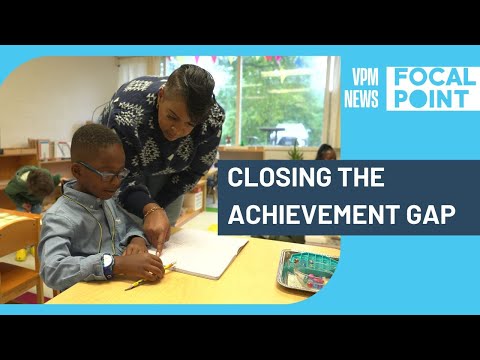
The achievement gap refers to the disparity in academic performance between different groups of students, often defined by socioeconomic status, race, or ethnicity. According to a 2020 report by the National Center for Education Statistics, the average reading score for white students in the United States was 274, compared to 248 for black students and 255 for Hispanic students. This gap is not only a matter of educational equity but also has long-term implications for economic mobility and social justice. Researchers like Linda Darling-Hammond and Gloria Ladson-Billings have highlighted the need for culturally responsive teaching practices and equitable resource allocation to address these disparities. The achievement gap is a widely contested topic, with some arguing that it is a result of systemic inequalities, while others point to individual factors such as parental involvement or student motivation. As of 2022, initiatives like the Every Student Succeeds Act aim to reduce the achievement gap by providing targeted support to underperforming schools and students.
📚 Introduction to the Achievement Gap
The achievement gap is a persistent educational challenge that affects millions of students worldwide. It refers to the disparity in academic performance between different groups of students, often based on their socio-economic background, race, or geographic location. According to Educational Inequality, the unequal distribution of academic resources is a major contributor to this gap. To address this issue, it is essential to understand the root causes of educational inequality, including School Funding and Teacher Quality. By providing equal access to quality education, we can help bridge the achievement gap and promote social and economic mobility for all students. For instance, No Child Left Behind Act aimed to address the achievement gap by providing additional funding to underperforming schools.
📊 Understanding Educational Inequality
Educational inequality is a complex issue that affects not only individual students but also entire communities. It is broken down into different types, including Regional Inequality, Inequality by Sex, and Inequality by Social Stratification. To address these issues, it is crucial to understand the underlying causes of educational inequality, such as Poverty and Lack of Access to Education. By addressing these root causes, we can work towards creating a more equitable education system. For example, Head Start Program provides early childhood education to disadvantaged children, helping to reduce the achievement gap.
🏫 The Impact of School Funding on Achievement
School funding is a critical factor in determining the quality of education that students receive. Schools in affluent areas tend to have more resources, including better facilities, technology, and teachers, which can contribute to higher academic achievement. On the other hand, schools in low-income areas often struggle with limited resources, leading to a wider achievement gap. To address this issue, Education Policy makers must prioritize Equitable Funding for all schools, regardless of their location or socio-economic status. This can involve implementing policies such as Weight Funding, which allocates more resources to schools with higher numbers of disadvantaged students. Additionally, Community Engagement initiatives can help raise awareness about the importance of equal funding for all schools.
📖 The Role of Teacher Quality in Bridging the Gap
Teacher quality is another essential factor in bridging the achievement gap. Highly qualified and experienced teachers can make a significant difference in student outcomes, particularly for disadvantaged students. However, schools in low-income areas often struggle to attract and retain high-quality teachers due to factors such as lower salaries and limited resources. To address this issue, Teacher Training programs can provide teachers with the skills and support they need to effectively teach disadvantaged students. Moreover, Teacher Mentorship programs can pair experienced teachers with new teachers, helping to improve teacher quality and reduce the achievement gap. For instance, Teach for America provides training and support to teachers working in low-income schools.
📈 Regional Inequality in Education
Regional inequality in education refers to the disparities in academic resources and outcomes between different regions or geographic areas. This type of inequality can be attributed to factors such as Urban-Rural Divide, Poverty, and Lack of Access to Education. To address regional inequality, Education Policy makers must prioritize initiatives that promote Equitable Funding and Access to Quality Education for all students, regardless of their location. For example, Rural Education Initiative provides additional funding and resources to rural schools, helping to reduce the achievement gap.
🚫 Breaking Down Barriers: Addressing Inequality by Sex
Inequality by sex is another significant challenge in education, with girls and women often facing unique barriers to accessing quality education. According to Gender Inequality, girls from disadvantaged backgrounds are more likely to drop out of school due to factors such as Poverty, Lack of Access to Education, and Cultural Barriers. To address this issue, Education Policy makers must prioritize initiatives that promote Gender Equity and Access to Education for all students, regardless of their sex. For instance, Girls Education Initiative provides scholarships and support to girls from disadvantaged backgrounds, helping to reduce the achievement gap.
📁 Inequality by Parental Income and Occupation
Inequality by parental income and occupation is another significant challenge in education, with students from lower-income backgrounds often facing limited access to quality education. According to Parental Income, students from disadvantaged backgrounds are more likely to attend schools with limited resources, leading to a wider achievement gap. To address this issue, Education Policy makers must prioritize initiatives that promote Equitable Funding and Access to Quality Education for all students, regardless of their parental income or occupation. For instance, Free Lunch Program provides meals to students from low-income backgrounds, helping to reduce the achievement gap.
📝 Strategies for Closing the Achievement Gap
Closing the achievement gap requires a multi-faceted approach that addresses the root causes of educational inequality. This can involve initiatives such as Summer Bridge Programs, which provide additional academic support to disadvantaged students during the summer months. Additionally, Community Engagement initiatives can help raise awareness about the importance of equal funding for all schools and promote Parental Involvement in education. By working together, we can create a more equitable education system that provides all students with the opportunity to succeed. For example, Parent-Teacher Association can help promote parental involvement and provide additional resources to schools.
📊 Measuring Progress: Assessing the Effectiveness of Interventions
Measuring progress is essential to assessing the effectiveness of interventions aimed at closing the achievement gap. This can involve using metrics such as Standardized Test Scores, Graduation Rates, and College Enrollment Rates. By tracking these metrics, educators and policymakers can identify areas where interventions are working and where more support is needed. Moreover, Data-Driven Decision Making can help educators and policymakers make informed decisions about how to allocate resources and support students. For instance, Data Analysis can help identify trends and patterns in student outcomes, informing decisions about interventions and resource allocation.
🌎 Global Perspectives on Educational Inequality
Global perspectives on educational inequality highlight the need for a comprehensive approach to addressing the achievement gap. According to Global Education, educational inequality is a persistent challenge that affects countries around the world. To address this issue, International Cooperation and Knowledge Sharing are essential. By working together, countries can share best practices and develop innovative solutions to address educational inequality. For example, United Nations provides funding and support to countries to address educational inequality and promote Sustainable Development.
🔮 Future Directions: Innovations in Education
Future directions in education must prioritize innovations that address the root causes of educational inequality. This can involve initiatives such as Personalized Learning, which uses technology to tailor instruction to individual students' needs. Additionally, Competency-Based Education can help students progress at their own pace, reducing the achievement gap. By embracing these innovations, we can create a more equitable education system that provides all students with the opportunity to succeed. For instance, Artificial Intelligence can help personalize learning and provide real-time feedback to students.
Key Facts
- Year
- 2022
- Origin
- United States
- Category
- Education
- Type
- Social Issue
Frequently Asked Questions
What is the achievement gap?
The achievement gap refers to the disparity in academic performance between different groups of students, often based on their socio-economic background, race, or geographic location. According to Educational Inequality, the unequal distribution of academic resources is a major contributor to this gap. To address this issue, it is essential to understand the root causes of educational inequality, including School Funding and Teacher Quality.
What are the root causes of educational inequality?
The root causes of educational inequality include Poverty, Lack of Access to Education, and Cultural Barriers. Additionally, School Funding and Teacher Quality are critical factors in determining the quality of education that students receive. To address these issues, Education Policy makers must prioritize initiatives that promote Equitable Funding and Access to Quality Education for all students.
How can we address the achievement gap?
Addressing the achievement gap requires a multi-faceted approach that involves initiatives such as Summer Bridge Programs, Community Engagement, and Parental Involvement. Additionally, Data-Driven Decision Making can help educators and policymakers make informed decisions about how to allocate resources and support students. By working together, we can create a more equitable education system that provides all students with the opportunity to succeed.
What is the role of teacher quality in bridging the achievement gap?
Teacher quality is a critical factor in bridging the achievement gap. Highly qualified and experienced teachers can make a significant difference in student outcomes, particularly for disadvantaged students. To address this issue, Teacher Training programs can provide teachers with the skills and support they need to effectively teach disadvantaged students. Moreover, Teacher Mentorship programs can pair experienced teachers with new teachers, helping to improve teacher quality and reduce the achievement gap.
How can we measure progress in addressing the achievement gap?
Measuring progress in addressing the achievement gap involves using metrics such as Standardized Test Scores, Graduation Rates, and College Enrollment Rates. By tracking these metrics, educators and policymakers can identify areas where interventions are working and where more support is needed. Additionally, Data Analysis can help identify trends and patterns in student outcomes, informing decisions about interventions and resource allocation.
What are some global perspectives on educational inequality?
Global perspectives on educational inequality highlight the need for a comprehensive approach to addressing the achievement gap. According to Global Education, educational inequality is a persistent challenge that affects countries around the world. To address this issue, International Cooperation and Knowledge Sharing are essential. By working together, countries can share best practices and develop innovative solutions to address educational inequality.
What are some future directions in education that can help address the achievement gap?
Future directions in education must prioritize innovations that address the root causes of educational inequality. This can involve initiatives such as Personalized Learning, which uses technology to tailor instruction to individual students' needs. Additionally, Competency-Based Education can help students progress at their own pace, reducing the achievement gap. By embracing these innovations, we can create a more equitable education system that provides all students with the opportunity to succeed.