
Contents
- 🍴 Introduction to Ackee and Saltfish
- 🌴 The History of Ackee in Jamaica
- 🐟 The Role of Saltfish in Jamaican Cuisine
- 🍳 Preparing Ackee and Saltfish: A Traditional Recipe
- 👨🍳 Cooking Techniques and Variations
- 🍴 Serving Suggestions and Cultural Significance
- 🤝 Influence of Ackee and Saltfish on Jamaican Culture
- 🌎 Global Recognition and Adaptations
- 📊 Nutrition and Health Benefits of Ackee and Saltfish
- 👀 Controversies and Concerns Surrounding Ackee
- 🌟 Celebrating Ackee and Saltfish: Jamaica's National Dish
- 📸 Conclusion and Future of Ackee and Saltfish
- Frequently Asked Questions
- Related Topics
Overview
Ackee and saltfish, Jamaica's national dish, is a culinary masterpiece that reflects the island's complex history and cultural diversity. With a vibe score of 8, this iconic breakfast staple has been a cornerstone of Jamaican cuisine since the 18th century, when enslaved West Africans first introduced the ackee fruit to the island. The dish is a perfect blend of salted cod fish, sautéed onions, bell peppers, and boiled ackee, often served with boiled green bananas, yams, or breadfruit. However, its popularity has also sparked controversy, with some arguing that the dish is a symbol of colonialism and cultural appropriation. As a cultural phenomenon, ackee and saltfish has influenced the development of Caribbean cuisine, with variations of the dish appearing in other island nations. With its rich history, cultural significance, and delicious flavor, ackee and saltfish continues to be a beloved dish in Jamaica and around the world, with a controversy spectrum of 6, reflecting the ongoing debates about its origins and cultural ownership.
🍴 Introduction to Ackee and Saltfish
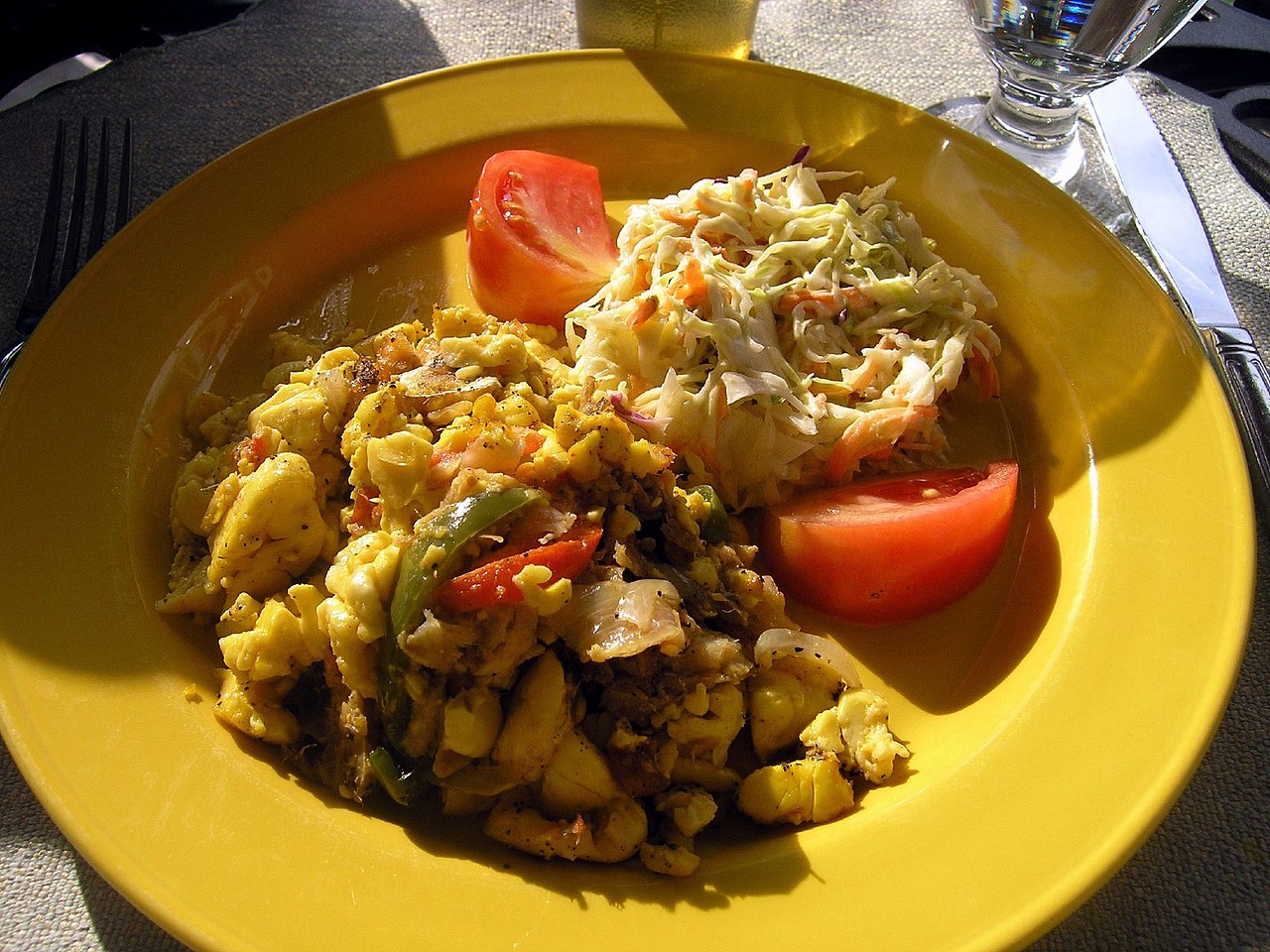
Ackee and saltfish is the Jamaican national dish prepared with sauteed ackee and salted codfish. This traditional dish has a rich history, dating back to the 18th century when West African slaves brought their own culinary traditions to the island. The ackee fruit, which is native to West Africa, was introduced to Jamaica and became a staple in the local cuisine. Today, ackee and saltfish is a beloved dish that is often served at Jamaican restaurants and family gatherings. For more information on Jamaican cuisine, visit the Jamaican cuisine page.
🌴 The History of Ackee in Jamaica
The history of ackee in Jamaica is a fascinating story that involves the transatlantic slave trade and the colonization of the island. The ackee tree, which is native to West Africa, was brought to Jamaica by West African slaves who were forcibly taken to the island. The ackee fruit became a staple in the local cuisine, and its popularity spread throughout the island. Today, ackee is a symbol of Jamaican culture and is often featured in Jamaican art and Jamaican literature. To learn more about the history of ackee, visit the ackee page. You can also explore the Jamaican history page for more information on the island's rich history.
🐟 The Role of Saltfish in Jamaican Cuisine
Saltfish, which is also known as dried cod, plays a crucial role in Jamaican cuisine. The salted codfish is imported from North America and is used to add flavor and texture to a variety of dishes, including ackee and saltfish. The use of saltfish in Jamaican cuisine is a legacy of the colonial era, when salted fish was used as a cheap source of protein. Today, saltfish is a staple in many Jamaican households and is often used in traditional dishes such as codfish fritters. For more information on saltfish, visit the saltfish page. You can also explore the Jamaican cuisine page for more information on the island's culinary traditions.
🍳 Preparing Ackee and Saltfish: A Traditional Recipe
Preparing ackee and saltfish is a traditional recipe that has been passed down through generations of Jamaican cooks. The dish is typically made with sauteed ackee, salted codfish, and a variety of spices, including onions, garlic, and scotch bonnet peppers. The ackee is carefully selected and cooked to avoid the risk of food poisoning, as the fruit can be toxic if it is not ripe. To learn more about the preparation of ackee and saltfish, visit the ackee and saltfish recipe page. You can also explore the Jamaican recipes page for more information on traditional Jamaican dishes.
👨🍳 Cooking Techniques and Variations
Cooking techniques and variations play a crucial role in the preparation of ackee and saltfish. The dish can be cooked in a variety of ways, including stir-frying, boiling, and steaming. The use of different spices and seasonings can also add flavor and texture to the dish. Some popular variations of ackee and saltfish include ackee and saltfish with boiled green bananas and ackee and saltfish with yams. For more information on cooking techniques, visit the cooking techniques page. You can also explore the Jamaican cooking page for more information on traditional Jamaican cooking methods.
🍴 Serving Suggestions and Cultural Significance
Serving suggestions and cultural significance are important aspects of ackee and saltfish. The dish is often served at Jamaican restaurants and family gatherings, and is typically accompanied by a variety of side dishes, including boiled green bananas, yams, and fried dumplings. The cultural significance of ackee and saltfish is also reflected in its role as a symbol of Jamaican identity and culture. To learn more about the cultural significance of ackee and saltfish, visit the Jamaican culture page. You can also explore the ackee and saltfish page for more information on the dish's history and preparation.
🤝 Influence of Ackee and Saltfish on Jamaican Culture
The influence of ackee and saltfish on Jamaican culture is a significant one. The dish has played a crucial role in shaping the island's culinary traditions and has become a symbol of Jamaican identity and culture. The popularity of ackee and saltfish has also inspired a variety of Jamaican music and Jamaican art, and has been featured in a number of Jamaican films and Jamaican literature. For more information on the influence of ackee and saltfish, visit the Jamaican culture page. You can also explore the ackee and saltfish page for more information on the dish's history and preparation.
🌎 Global Recognition and Adaptations
Global recognition and adaptations of ackee and saltfish have increased in recent years. The dish has become popular in a number of countries, including the United States, Canada, and the United Kingdom. The use of ackee and saltfish in international cuisine has also inspired a variety of fusion dishes, including ackee and saltfish sushi and ackee and saltfish tacos. To learn more about global recognition and adaptations, visit the global cuisine page. You can also explore the ackee and saltfish page for more information on the dish's history and preparation.
📊 Nutrition and Health Benefits of Ackee and Saltfish
Nutrition and health benefits of ackee and saltfish are significant. The dish is a good source of protein, fiber, and a variety of essential vitamins and minerals. The ackee fruit is also rich in antioxidants and has been shown to have a number of health benefits, including reducing inflammation and improving cardiovascular health. However, the dish can also be high in sodium and saturated fat, and should be consumed in moderation. For more information on nutrition and health benefits, visit the nutrition page. You can also explore the health benefits page for more information on the benefits of a balanced diet.
👀 Controversies and Concerns Surrounding Ackee
Controversies and concerns surrounding ackee are a significant issue. The ackee fruit can be toxic if it is not ripe, and the risk of food poisoning is a major concern. The use of saltfish in the dish has also been criticized for its high sodium content and potential health risks. Additionally, the environmental impact of the ackee industry has been a topic of debate, with some arguing that the cultivation of ackee trees is unsustainable and contributes to deforestation. To learn more about controversies and concerns, visit the food safety page. You can also explore the environmental impact page for more information on the sustainability of the ackee industry.
🌟 Celebrating Ackee and Saltfish: Jamaica's National Dish
Celebrating ackee and saltfish as Jamaica's national dish is an important part of the island's cultural heritage. The dish is often served at Jamaican festivals and cultural events, and is a symbol of Jamaican identity and culture. The popularity of ackee and saltfish has also inspired a variety of Jamaican music and Jamaican art, and has been featured in a number of Jamaican films and Jamaican literature. For more information on celebrating ackee and saltfish, visit the Jamaican culture page. You can also explore the ackee and saltfish page for more information on the dish's history and preparation.
📸 Conclusion and Future of Ackee and Saltfish
In conclusion, ackee and saltfish is a beloved dish that is deeply rooted in Jamaican culture and tradition. The dish has a rich history, and its preparation and cultural significance are an important part of the island's culinary heritage. As the dish continues to evolve and adapt to changing tastes and trends, it is likely that ackee and saltfish will remain a staple of Jamaican cuisine for generations to come. To learn more about the future of ackee and saltfish, visit the Jamaican cuisine page. You can also explore the ackee and saltfish page for more information on the dish's history and preparation.
Key Facts
- Year
- 1778
- Origin
- West Africa and Jamaica
- Category
- Cuisine
- Type
- Dish
Frequently Asked Questions
What is the origin of ackee and saltfish?
Ackee and saltfish is a traditional Jamaican dish that originated in the 18th century. The ackee fruit is native to West Africa and was brought to Jamaica by West African slaves. The saltfish, which is also known as dried cod, was imported from North America and was used as a cheap source of protein. The dish has since become a staple of Jamaican cuisine and is often served at Jamaican restaurants and family gatherings. For more information on the origin of ackee and saltfish, visit the ackee and saltfish page.
What are the health benefits of ackee and saltfish?
Ackee and saltfish is a nutritious dish that is rich in protein, fiber, and a variety of essential vitamins and minerals. The ackee fruit is also rich in antioxidants and has been shown to have a number of health benefits, including reducing inflammation and improving cardiovascular health. However, the dish can also be high in sodium and saturated fat, and should be consumed in moderation. For more information on the health benefits of ackee and saltfish, visit the nutrition page.
How is ackee and saltfish typically prepared?
Ackee and saltfish is typically prepared by sauteing the ackee fruit and saltfish in a pan with a variety of spices and seasonings. The dish can be cooked in a variety of ways, including stir-frying, boiling, and steaming. The use of different spices and seasonings can also add flavor and texture to the dish. For more information on preparing ackee and saltfish, visit the ackee and saltfish recipe page.
What are some popular variations of ackee and saltfish?
Some popular variations of ackee and saltfish include ackee and saltfish with boiled green bananas, ackee and saltfish with yams, and ackee and saltfish with fried dumplings. The dish can also be served with a variety of side dishes, including boiled green bananas, yams, and fried dumplings. For more information on variations of ackee and saltfish, visit the ackee and saltfish page.
What is the cultural significance of ackee and saltfish in Jamaica?
Ackee and saltfish is a symbol of Jamaican identity and culture, and is often served at Jamaican festivals and cultural events. The dish has played a crucial role in shaping the island's culinary traditions and has become a staple of Jamaican cuisine. For more information on the cultural significance of ackee and saltfish, visit the Jamaican culture page.
Can ackee and saltfish be found in other countries?
Yes, ackee and saltfish can be found in a number of countries, including the United States, Canada, and the United Kingdom. The dish has become popular in international cuisine and has inspired a variety of fusion dishes, including ackee and saltfish sushi and ackee and saltfish tacos. For more information on the global recognition of ackee and saltfish, visit the global cuisine page.
What are some concerns surrounding the ackee industry?
Some concerns surrounding the ackee industry include the risk of food poisoning from eating unripe ackee fruit, and the environmental impact of the ackee industry. The use of saltfish in the dish has also been criticized for its high sodium content and potential health risks. For more information on concerns surrounding the ackee industry, visit the food safety page and the environmental impact page.