
Contents
- 🌾 Origins & History
- ⚙️ How It Works
- 📊 Key Facts & Numbers
- 👥 Key People & Organizations
- 🌍 Cultural Impact & Influence
- ⚡ Current State & Latest Developments
- 🤔 Controversies & Debates
- 🔮 Future Outlook & Predictions
- 💡 Practical Applications
- 📚 Related Topics & Deeper Reading
- Frequently Asked Questions
- References
- Related Topics
Overview
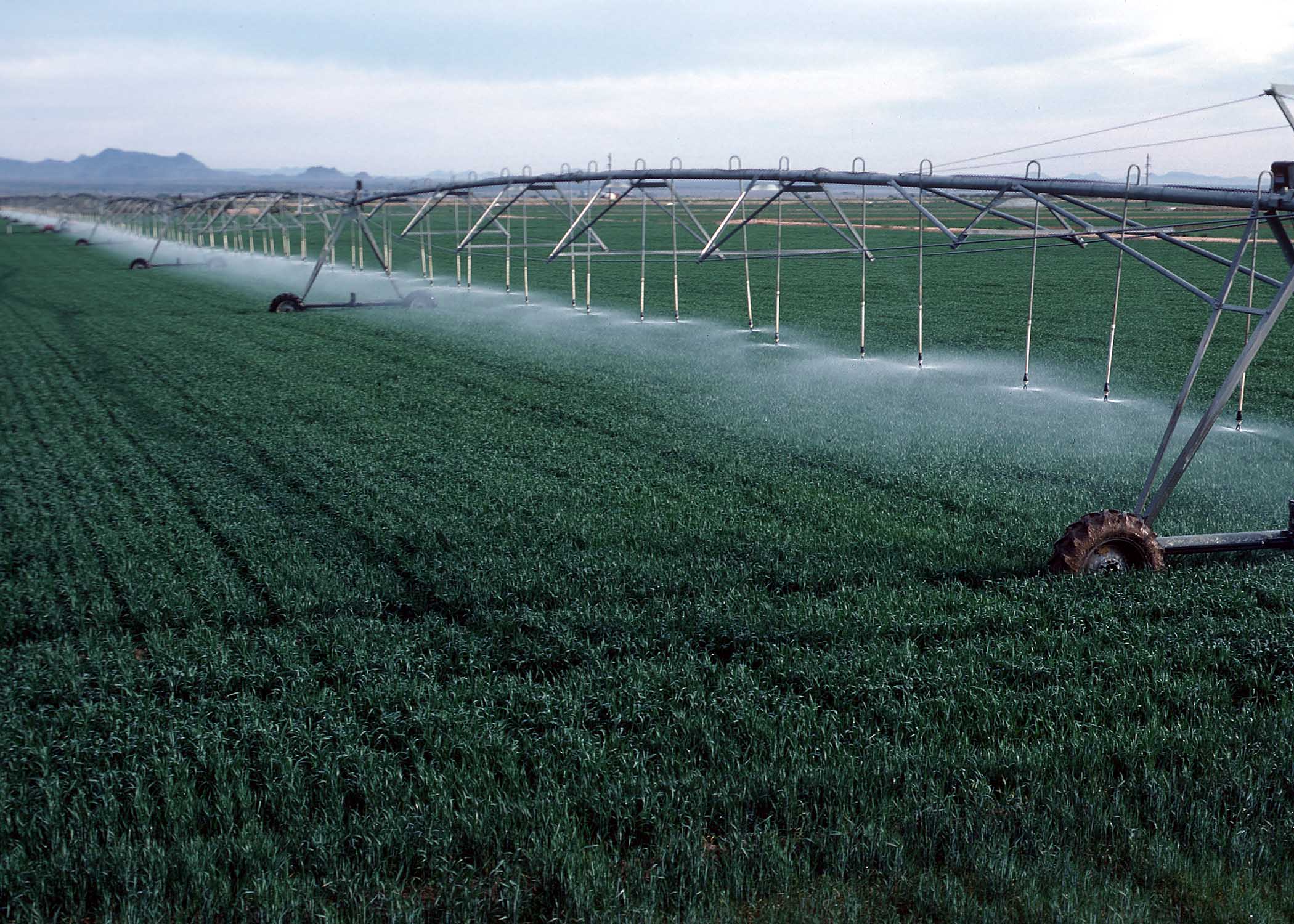
Agricultural challenges encompass a broad range of issues affecting the sustainability, productivity, and equity of farming practices worldwide. With the global population projected to reach 9.7 billion by 2050, the pressure on agricultural systems to produce more food while minimizing environmental impact has never been greater. The challenges faced by agriculture are multifaceted, including climate change, water scarcity, soil degradation, biodiversity loss, and social inequality. According to a 2021 scientific article published in the journal Nature, approximately 70% of the world's freshwater is used for agriculture, highlighting the need for more efficient irrigation systems. Furthermore, the Food and Agriculture Organization of the United Nations estimates that one-third of all food produced globally is lost or wasted, underscoring the importance of reducing food waste and improving supply chain management. As the world grapples with these challenges, innovative solutions such as precision agriculture, vertical farming, and regenerative agriculture are being explored to ensure a more sustainable and food-secure future. The International Fund for Agricultural Development is also working to address these challenges by providing financial support to small-scale farmers and promoting sustainable agricultural practices. Additionally, organizations like the World Wildlife Fund and the International Union for Conservation of Nature are working to promote sustainable agriculture and reduce the environmental impact of farming practices.
🌾 Origins & History
Agricultural challenges have been present throughout human history, with early farmers facing issues such as soil degradation, pests, and diseases. However, the scale and complexity of these challenges have increased significantly in recent decades, with the Green Revolution of the 1950s and 1960s leading to a significant increase in food production, but also resulting in environmental degradation and social inequality. The United Nations has recognized the importance of addressing these challenges, with the Sustainable Development Goals (SDGs) including targets related to sustainable agriculture, climate change, and social inequality. For example, the United Nations Development Programme is working to promote sustainable agriculture and reduce poverty in developing countries.
⚙️ How It Works
The agricultural sector is a complex system that involves the interaction of multiple factors, including climate, soil, water, and labor. Climate change is one of the most significant challenges facing agriculture, with rising temperatures, changing precipitation patterns, and increased frequency of extreme weather events affecting crop yields and food security. The World Bank estimates that climate change could lead to a 2% decline in global food production by 2030, highlighting the need for climate-resilient agricultural practices. Additionally, the use of genetically modified organisms (GMOs) has been a topic of controversy, with some arguing that they can improve crop yields and reduce pesticide use, while others raise concerns about their potential impact on human health and the environment. Organizations like the National Academy of Sciences and the Environmental Protection Agency are working to regulate the use of GMOs and ensure their safe use in agriculture.
📊 Key Facts & Numbers
The statistics on agricultural challenges are stark, with the Food and Agriculture Organization estimating that approximately 820 million people suffer from hunger globally, and that the agricultural sector is responsible for around 24% of global greenhouse gas emissions. The International Fund for Agricultural Development reports that small-scale farmers, who produce around 70% of the world's food, often lack access to credit, technology, and markets, making it difficult for them to improve their productivity and livelihoods. Furthermore, the World Health Organization estimates that around 600 million people fall ill each year due to consuming contaminated food, highlighting the need for improved food safety and handling practices. The Centers for Disease Control and Prevention is working to improve food safety and reduce the risk of foodborne illnesses.
👥 Key People & Organizations
Key people and organizations involved in addressing agricultural challenges include the Bill and Melinda Gates Foundation, which has invested heavily in agricultural development and food security initiatives, particularly in Africa and Asia. The Rockefeller Foundation is also working to promote sustainable agriculture and reduce hunger and poverty. Additionally, the United Nations has established the Sustainable Development Goals (SDGs), which include targets related to sustainable agriculture, climate change, and social inequality. The Food and Agriculture Organization is also working to promote sustainable agriculture and reduce hunger and poverty, with initiatives such as the Global Agriculture and Food Security Program.
🌍 Cultural Impact & Influence
The cultural impact of agricultural challenges is significant, with many communities around the world relying heavily on agriculture for their livelihoods and identity. The Slow Food movement, which originated in Italy in the 1980s, is an example of a cultural response to the challenges facing agriculture, promoting a more sustainable and equitable food system. Furthermore, the Agricultural Museum in the United States is working to preserve the history and culture of agriculture, highlighting the importance of agricultural heritage in shaping our food systems. The Smithsonian Institution is also working to promote the cultural significance of agriculture and its impact on society.
⚡ Current State & Latest Developments
The current state of agricultural challenges is complex and multifaceted, with many different stakeholders and interests involved. The COP26 climate conference highlighted the need for urgent action to address climate change, with many countries committing to reduce their greenhouse gas emissions and promote sustainable agriculture. The EU Common Agricultural Policy is also being reformed to promote more sustainable and equitable agriculture practices. Additionally, the USDA is working to promote sustainable agriculture and reduce hunger and poverty in the United States, with initiatives such as the National Organic Program.
🤔 Controversies & Debates
There are many controversies and debates surrounding agricultural challenges, including the use of genetically modified organisms (GMOs), the impact of industrial agriculture on the environment and human health, and the role of agribusiness in shaping the global food system. The Organic Consumers Association is a key player in promoting organic and sustainable agriculture practices, while the National Farmers Union is working to promote the interests of small-scale farmers and rural communities. The American Farm Bureau Federation is also working to promote the interests of farmers and ranchers in the United States.
🔮 Future Outlook & Predictions
The future outlook for agricultural challenges is uncertain, but there are many potential solutions and innovations that could help address these challenges. Precision agriculture, which involves the use of advanced technology such as drones and satellite imaging to optimize crop yields and reduce waste, is one example of a promising solution. Additionally, vertical farming, which involves growing crops in vertically stacked layers, could help reduce the environmental impact of agriculture and improve food security. The Google company is also working to promote sustainable agriculture and reduce hunger and poverty through its Google Impact Challenge initiative. The Microsoft company is also working to promote sustainable agriculture and reduce hunger and poverty through its Microsoft AI for Earth initiative.
💡 Practical Applications
Practical applications of solutions to agricultural challenges include the use of cover crops to reduce soil erosion and improve soil health, the implementation of agroforestry practices to promote biodiversity and reduce deforestation, and the promotion of urban agriculture to improve food access and reduce food waste. The City of New York is an example of a city that is promoting urban agriculture, with many community gardens and green spaces being established throughout the city. The United States Department of Agriculture is also working to promote urban agriculture and reduce food waste, with initiatives such as the Urban Agriculture Program.
Key Facts
- Year
- 2021
- Origin
- Global
- Category
- environment
- Type
- concept
Frequently Asked Questions
What are the main challenges facing agriculture?
The main challenges facing agriculture include climate change, water scarcity, soil degradation, biodiversity loss, and social inequality. According to the Food and Agriculture Organization, approximately 70% of the world's freshwater is used for agriculture, highlighting the need for more efficient irrigation systems.
How can we promote sustainable agriculture?
Promoting sustainable agriculture involves implementing practices such as precision agriculture, agroforestry, and urban agriculture. The United Nations has established the Sustainable Development Goals (SDGs), which include targets related to sustainable agriculture, climate change, and social inequality.
What is the impact of climate change on agriculture?
Climate change is having a significant impact on agriculture, with rising temperatures, changing precipitation patterns, and increased frequency of extreme weather events affecting crop yields and food security. The World Bank estimates that climate change could lead to a 2% decline in global food production by 2030, highlighting the need for climate-resilient agricultural practices.
How can we reduce food waste and improve food security?
Reducing food waste and improving food security involves implementing practices such as reducing food waste, improving supply chain management, and promoting sustainable agriculture. The Food and Agriculture Organization estimates that around one-third of all food produced globally is lost or wasted, highlighting the need for more efficient food systems.
What is the role of technology in addressing agricultural challenges?
Technology is playing a significant role in addressing agricultural challenges, with innovations such as precision agriculture, vertical farming, and drones being used to improve crop yields, reduce waste, and promote sustainable agriculture. The Google company is also working to promote sustainable agriculture and reduce hunger and poverty through its Google Impact Challenge initiative.
How can we promote food sovereignty and local control over food systems?
Promoting food sovereignty and local control over food systems involves supporting local farmers, promoting agroecology, and reducing dependence on industrial agriculture. The Via Campesina movement is an example of a global movement that is promoting food sovereignty and local control over food systems.
What is the impact of agricultural challenges on human health?
Agricultural challenges are having a significant impact on human health, with issues such as food insecurity, malnutrition, and water-borne diseases affecting millions of people around the world. The World Health Organization estimates that around 600 million people fall ill each year due to consuming contaminated food, highlighting the need for improved food safety and handling practices.