
Contents
- 🌾 Introduction to Agricultural Industry
- 🌿 History of Agriculture: A Story of Human Civilization
- 🐄 Livestock Production: A Key Component of Agriculture
- 🌻 Crop Cultivation: The Backbone of Food Production
- 🌟 Industrial Agriculture: The Rise of Monocultures
- 🌎 Environmental Impact of Agriculture: A Growing Concern
- 📊 Economic Importance of Agriculture: A Global Perspective
- 🌈 Sustainable Agriculture: The Future of Food Production
- 🌴 Forestry and Aquaculture: Expanding the Definition of Agriculture
- 🌍 Global Food Systems: The Interplay between Agriculture and Trade
- 🚀 Innovations in Agriculture: Technology and Beyond
- 👥 The Human Face of Agriculture: Farmers and Communities
- Frequently Asked Questions
- Related Topics
Overview
The agricultural industry is a $2.4 trillion market that employs over 1 billion people worldwide, with the global population projected to reach 9.7 billion by 2050, putting immense pressure on food production. The industry is marked by tensions between traditional farming practices and modern technologies like precision agriculture and genetic modification, with companies like John Deere and Monsanto leading the charge. However, critics argue that these advancements come at the cost of environmental degradation and social inequality, with 70% of the world's freshwater resources being used for agriculture. As the industry continues to evolve, it must balance the need for increased productivity with the need for sustainability and social responsibility. With a Vibe score of 82, the agricultural industry is a cultural and economic force to be reckoned with, influencing everything from local food systems to global trade policies. As the world grapples with the challenges of climate change and food security, the agricultural industry will play a critical role in shaping the future of our planet.
🌾 Introduction to Agricultural Industry
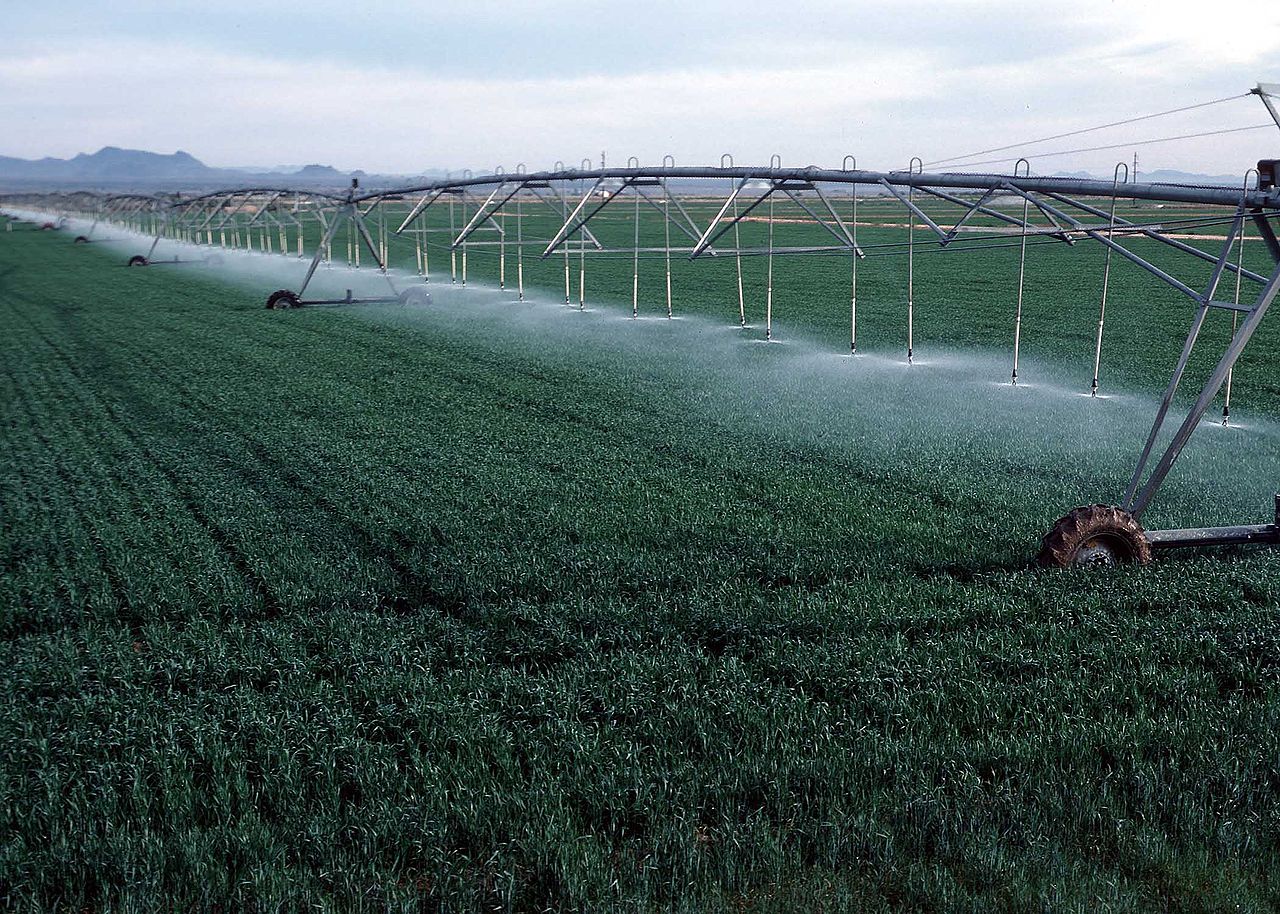
The agricultural industry is the pulse of the planet, providing food and sustenance for billions of people around the world. As discussed in Agriculture, the practice of cultivating the soil, planting, raising, and harvesting crops, as well as livestock production, is a vital part of human civilization. With a history dating back to the rise of sedentary human civilization, agriculture has played a key role in shaping the course of human history. For example, the Domestication of Plants and Domestication of Animals enabled people to live in cities and develop complex societies. Today, the agricultural industry is a significant contributor to the global economy, with the Food and Agriculture Organization of the United Nations playing a crucial role in promoting sustainable agriculture practices.
🌿 History of Agriculture: A Story of Human Civilization
The history of agriculture is a long and complex one, spanning thousands of years. As noted in History of Agriculture, humans started gathering grains at least 105,000 years ago, but it wasn't until around 11,500 years ago that nascent farmers began planting them. The Domestication of Animals, such as sheep, goats, pigs, and cattle, occurred around 10,000 years ago. This marked the beginning of a new era in human history, as people began to settle in one place and develop more complex societies. The Development of Agriculture in different regions of the world, such as Mesopotamia and Ancient Egypt, is a testament to the ingenuity and adaptability of early farmers.
🐄 Livestock Production: A Key Component of Agriculture
Livestock production is a key component of the agricultural industry, providing a source of protein and income for millions of people around the world. As discussed in Livestock Production, the domestication of animals such as cattle, pigs, and chickens has played a significant role in shaping the course of human history. Today, the livestock industry is a significant contributor to the global economy, with the Global Livestock Market valued at billions of dollars. However, the industry is also facing challenges such as Animal Welfare concerns and Environmental Impact. The Sustainable Livestock Production movement is gaining momentum, with many farmers and consumers seeking more humane and environmentally friendly practices.
🌻 Crop Cultivation: The Backbone of Food Production
Crop cultivation is the backbone of food production, providing the staple foods that sustain human life. As noted in Crop Cultivation, plants were independently cultivated in at least 11 regions of the world, including Mesoamerica and South Asia. Today, crops such as Wheat, Rice, and Maize are the mainstay of many economies, with the Global Grain Market playing a crucial role in feeding the world's population. However, the industry is also facing challenges such as Climate Change and Water Scarcity. The Sustainable Cropping Practices movement is gaining momentum, with many farmers and consumers seeking more environmentally friendly practices.
🌟 Industrial Agriculture: The Rise of Monocultures
The rise of industrial agriculture in the 20th century marked a significant shift in the way food is produced and consumed. As discussed in Industrial Agriculture, large-scale monocultures became the dominant form of agricultural production, with the use of Synthetic Fertilizers and Pesticides becoming widespread. While this has led to increased food production and lower prices, it has also had significant environmental and social impacts. The Environmental Impact of Industrial Agriculture is a major concern, with the Loss of Biodiversity and Soil Degradation being two of the most significant issues. The Sustainable Agriculture movement is seeking to address these challenges and promote more environmentally friendly practices.
🌎 Environmental Impact of Agriculture: A Growing Concern
The environmental impact of agriculture is a growing concern, with the industry being a significant contributor to greenhouse gas emissions and water pollution. As noted in Environmental Impact of Agriculture, the use of synthetic fertilizers and pesticides has led to the degradation of soil and water quality, while the Deforestation of land for agricultural purposes has contributed to the loss of biodiversity. The Climate Change crisis is also having a significant impact on agricultural production, with changing weather patterns and increased frequency of extreme weather events affecting crop yields and food security. The Sustainable Agriculture Practices movement is seeking to address these challenges and promote more environmentally friendly practices.
📊 Economic Importance of Agriculture: A Global Perspective
The economic importance of agriculture cannot be overstated, with the industry providing a significant source of income and employment for millions of people around the world. As discussed in Economic Importance of Agriculture, the global agricultural market is valued at trillions of dollars, with the Global Food Market playing a crucial role in feeding the world's population. The industry is also a significant contributor to the global economy, with the Agricultural Trade playing a crucial role in shaping the course of international trade. However, the industry is also facing challenges such as Trade Barriers and Market Volatility. The Sustainable Agricultural Practices movement is seeking to address these challenges and promote more equitable and sustainable practices.
🌈 Sustainable Agriculture: The Future of Food Production
Sustainable agriculture is the future of food production, with the industry seeking to promote more environmentally friendly and socially responsible practices. As noted in Sustainable Agriculture, the use of Organic Farming practices and Agroecology is becoming increasingly popular, with many farmers and consumers seeking more humane and environmentally friendly practices. The Sustainable Agriculture Movement is gaining momentum, with many organizations and individuals working to promote more sustainable practices. The Future of Agriculture is uncertain, but one thing is clear: the industry must adapt to the changing needs of the planet and its inhabitants.
🌴 Forestry and Aquaculture: Expanding the Definition of Agriculture
Forestry and aquaculture are expanding the definition of agriculture, with the industry seeking to promote more sustainable and environmentally friendly practices. As discussed in Forestry, the management of forests for timber and other forest products is a significant contributor to the global economy, with the Global Timber Market playing a crucial role in shaping the course of international trade. The Aquaculture industry is also growing, with the production of fish and other seafood becoming an increasingly important part of the global food system. The Sustainable Forestry Practices and Sustainable Aquaculture Practices movements are seeking to address the environmental and social impacts of these industries.
🌍 Global Food Systems: The Interplay between Agriculture and Trade
Global food systems are complex and multifaceted, with the interplay between agriculture and trade playing a crucial role in shaping the course of international relations. As noted in Global Food Systems, the Global Food Market is a significant contributor to the global economy, with the Agricultural Trade playing a crucial role in shaping the course of international trade. The Food Security crisis is a major concern, with many countries struggling to provide adequate food for their populations. The Sustainable Food Systems movement is seeking to address these challenges and promote more equitable and sustainable practices.
🚀 Innovations in Agriculture: Technology and Beyond
Innovations in agriculture are transforming the industry, with the use of technology and other innovations becoming increasingly important. As discussed in Innovations in Agriculture, the use of Precision Agriculture and Vertical Farming is becoming increasingly popular, with many farmers and consumers seeking more efficient and environmentally friendly practices. The Agricultural Technology industry is growing, with the development of new technologies and innovations becoming an increasingly important part of the global food system. The Future of Agriculture is uncertain, but one thing is clear: the industry must adapt to the changing needs of the planet and its inhabitants.
👥 The Human Face of Agriculture: Farmers and Communities
The human face of agriculture is often overlooked, with the industry being seen as a series of abstract concepts and statistics. As noted in Human Face of Agriculture, the people who work in the agricultural industry are the backbone of the global food system, with farmers, farmworkers, and other agricultural workers playing a crucial role in producing the food that sustains human life. The Farmers' Rights movement is seeking to address the social and economic challenges faced by farmers and agricultural workers, with many organizations and individuals working to promote more equitable and sustainable practices.
Key Facts
- Year
- 2022
- Origin
- Ancient Mesopotamia, circa 10,000 BCE
- Category
- Economy and Environment
- Type
- Industry
Frequently Asked Questions
What is the history of agriculture?
The history of agriculture dates back to the rise of sedentary human civilization, with the domestication of plants and animals occurring around 10,000 years ago. The development of agriculture in different regions of the world, such as Mesopotamia and Ancient Egypt, is a testament to the ingenuity and adaptability of early farmers. Today, the agricultural industry is a significant contributor to the global economy, with the global food market playing a crucial role in feeding the world's population. For more information, see History of Agriculture.
What is sustainable agriculture?
Sustainable agriculture is a type of agriculture that promotes environmentally friendly and socially responsible practices. The use of organic farming practices and agroecology is becoming increasingly popular, with many farmers and consumers seeking more humane and environmentally friendly practices. The sustainable agriculture movement is gaining momentum, with many organizations and individuals working to promote more sustainable practices. For more information, see Sustainable Agriculture.
What is the environmental impact of agriculture?
The environmental impact of agriculture is a significant concern, with the industry being a major contributor to greenhouse gas emissions and water pollution. The use of synthetic fertilizers and pesticides has led to the degradation of soil and water quality, while the deforestation of land for agricultural purposes has contributed to the loss of biodiversity. The climate change crisis is also having a significant impact on agricultural production, with changing weather patterns and increased frequency of extreme weather events affecting crop yields and food security. For more information, see Environmental Impact of Agriculture.
What is the economic importance of agriculture?
The economic importance of agriculture cannot be overstated, with the industry providing a significant source of income and employment for millions of people around the world. The global agricultural market is valued at trillions of dollars, with the global food market playing a crucial role in feeding the world's population. The industry is also a significant contributor to the global economy, with the agricultural trade playing a crucial role in shaping the course of international trade. For more information, see Economic Importance of Agriculture.
What is the future of agriculture?
The future of agriculture is uncertain, but one thing is clear: the industry must adapt to the changing needs of the planet and its inhabitants. The use of technology and other innovations is becoming increasingly important, with the development of new technologies and innovations becoming an increasingly important part of the global food system. The sustainable agriculture movement is gaining momentum, with many organizations and individuals working to promote more equitable and sustainable practices. For more information, see Future of Agriculture.
What is the human face of agriculture?
The human face of agriculture is often overlooked, with the industry being seen as a series of abstract concepts and statistics. The people who work in the agricultural industry are the backbone of the global food system, with farmers, farmworkers, and other agricultural workers playing a crucial role in producing the food that sustains human life. The farmers' rights movement is seeking to address the social and economic challenges faced by farmers and agricultural workers, with many organizations and individuals working to promote more equitable and sustainable practices. For more information, see Human Face of Agriculture.
What is the role of forestry and aquaculture in agriculture?
Forestry and aquaculture are expanding the definition of agriculture, with the industry seeking to promote more sustainable and environmentally friendly practices. The management of forests for timber and other forest products is a significant contributor to the global economy, with the global timber market playing a crucial role in shaping the course of international trade. The aquaculture industry is also growing, with the production of fish and other seafood becoming an increasingly important part of the global food system. For more information, see Forestry and Aquaculture.