
Contents
- 🌾 Introduction to the Evolution of Agriculture
- 🌿 The Origins of Agriculture: A Global Perspective
- 🏞️ From Hunter-Gatherers to Farmers: A Shift in Human Lifestyle
- 🌻 The Development of Crop Domestication
- 🐄 The Domestication of Animals: A New Era in Agriculture
- 🌾 The Impact of Agriculture on Human Settlements
- 🌟 The Rise of Complex Societies: A Result of Agricultural Surpluses
- 🌎 The Spread of Agriculture: A Global Phenomenon
- 📊 The Economics of Agriculture: A Historical Perspective
- 🌪️ Challenges and Controversies in the History of Agriculture
- 🌱 The Future of Agriculture: Emerging Trends and Technologies
- Frequently Asked Questions
- Related Topics
Overview
The history of agriculture spans over 10,000 years, with evidence of early farming practices dating back to the Fertile Crescent around 9500 BCE. The development of agriculture marked a significant shift in human history, allowing for the growth of settled communities and the emergence of complex societies. Key figures like Cyrus McCormick, who invented the mechanical reaper in 1831, and Norman Borlaug, who led the Green Revolution in the 1940s and 1950s, have played crucial roles in shaping the course of agricultural history. Today, the industry is on the cusp of another revolution, with advancements in vertical farming, precision agriculture, and biotechnology poised to increase yields, reduce waste, and promote sustainability. With a vibe score of 8, the history of agriculture is a rich and complex topic, full of controversy and debate. As the global population continues to grow, the future of agriculture will be shaped by the interplay between technological innovation, environmental concerns, and social justice.
🌾 Introduction to the Evolution of Agriculture
The evolution of agriculture is a story that spans over 10,000 years, with its roots in the Neolithic Revolution. This period saw the transition from a nomadic, hunter-gatherer lifestyle to one that was more sedentary and focused on farming. The development of agriculture had a profound impact on human societies, leading to the growth of permanent settlements and the emergence of complex societies. As we explore the history of agriculture, we will examine the key factors that contributed to its development, including the domestication of crops and animals.
🌿 The Origins of Agriculture: A Global Perspective
Agriculture began independently in different parts of the globe, with at least eleven separate regions of the Old and New World involved as independent centers of origin. This includes the Fertile Crescent in the Middle East, the Indus Valley Civilization in modern-day Pakistan and India, and the Mississippi River Valley in North America. Each of these regions developed unique agricultural practices, shaped by their local environment and cultural traditions. The study of these early agricultural societies provides valuable insights into the history of agriculture and its impact on human societies.
🏞️ From Hunter-Gatherers to Farmers: A Shift in Human Lifestyle
The shift from a nomadic, hunter-gatherer lifestyle to one that was more sedentary and focused on farming had a profound impact on human societies. This transition, which occurred around 12,000 years ago, marked the beginning of the Neolithic Revolution. As people began to settle in one place, they were able to develop more complex societies, with specialized labor and social hierarchies. The growth of permanent settlements also led to the development of new technologies, such as the plow and irrigation systems. These innovations, in turn, allowed for the production of surplus food, which supported the growth of complex societies.
🌻 The Development of Crop Domestication
The development of crop domestication was a critical factor in the evolution of agriculture. Early farmers domesticated a diverse range of taxa, including wheat, barley, and maize. These crops were chosen for their desirable traits, such as high yields and ease of cultivation. The domestication of crops also led to the development of new agricultural practices, such as crop rotation and fertilization. As agricultural practices evolved, so did the tools and technologies used to support them, including the plow and sickle.
🐄 The Domestication of Animals: A New Era in Agriculture
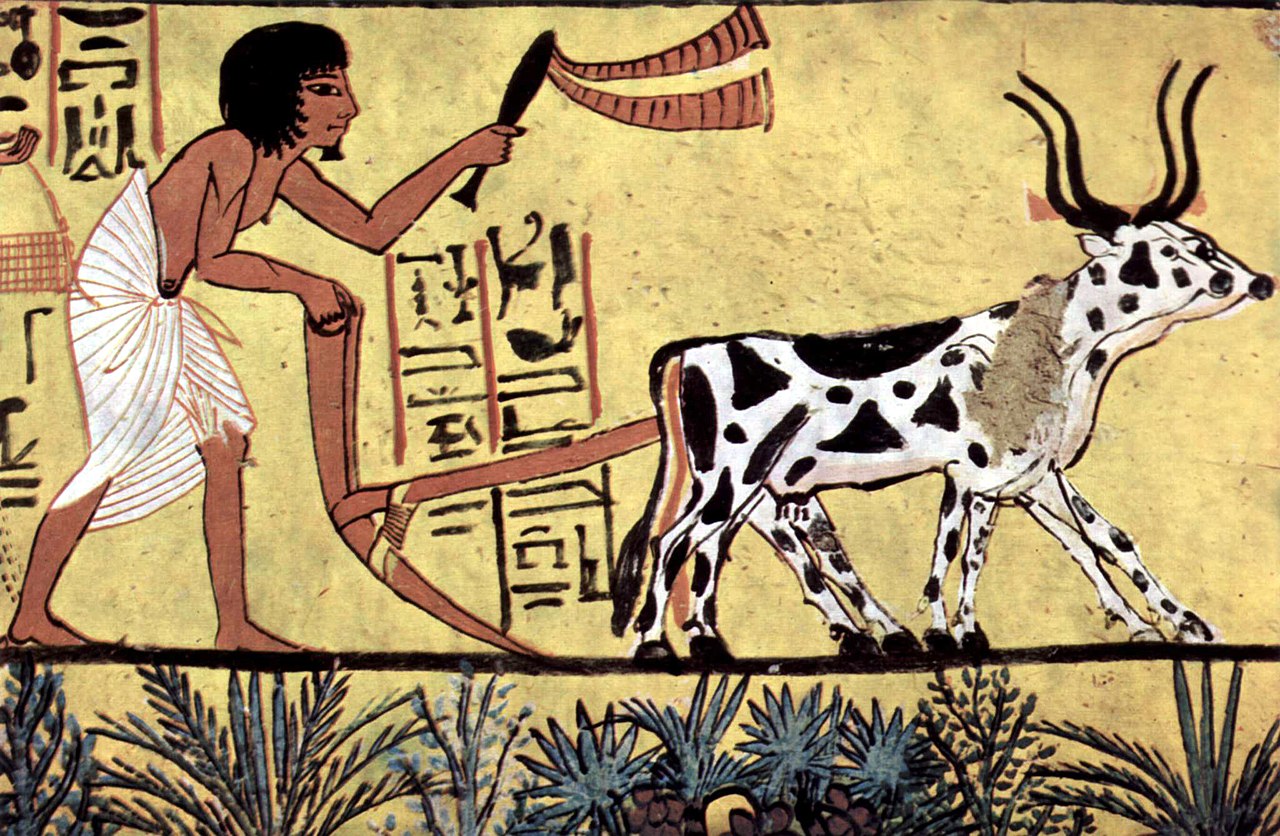
The domestication of animals was another key factor in the evolution of agriculture. Early farmers domesticated animals such as cattle, sheep, and goats, which provided a source of meat, milk, and labor. The domestication of animals also led to the development of new agricultural practices, such as pastoralism and animal husbandry. As agricultural practices evolved, so did the tools and technologies used to support them, including the plow and harrow. The domestication of animals also had a significant impact on the environment, leading to the development of new ecosystems and the loss of biodiversity.
🌾 The Impact of Agriculture on Human Settlements
The impact of agriculture on human settlements was profound. As people began to settle in one place, they were able to develop more complex societies, with specialized labor and social hierarchies. The growth of permanent settlements also led to the development of new technologies, such as the plow and irrigation systems. These innovations, in turn, allowed for the production of surplus food, which supported the growth of complex societies. The development of agriculture also led to the growth of cities, which became centers of trade, commerce, and culture.
🌟 The Rise of Complex Societies: A Result of Agricultural Surpluses
The rise of complex societies was a direct result of the agricultural surpluses that were produced. As people were able to produce more food than they needed to survive, they were able to specialize in other activities, such as craft production and trade. This, in turn, led to the development of new social classes, including the elite and the peasantry. The growth of complex societies also led to the development of new forms of governance, including the state and the empire.
🌎 The Spread of Agriculture: A Global Phenomenon
The spread of agriculture was a global phenomenon, with different regions of the world developing unique agricultural practices. The Fertile Crescent in the Middle East, for example, was home to some of the earliest agricultural societies, while the Indus Valley Civilization in modern-day Pakistan and India developed a sophisticated system of irrigation. The spread of agriculture also led to the exchange of ideas, technologies, and crops between different regions, which had a profound impact on the development of human societies.
📊 The Economics of Agriculture: A Historical Perspective
The economics of agriculture have played a significant role in shaping human societies. The production of surplus food, for example, allowed for the growth of complex societies and the development of new social classes. The trade of agricultural products, such as grains and livestock, also played a critical role in the development of trade and commerce. The economics of agriculture have also been shaped by factors such as climate change and environmental degradation, which have had a significant impact on agricultural productivity and food security.
🌪️ Challenges and Controversies in the History of Agriculture
The history of agriculture has not been without its challenges and controversies. The development of agriculture, for example, has been linked to the loss of biodiversity and the degradation of ecosystems. The use of pesticides and fertilizers has also had a significant impact on the environment, leading to the pollution of water and soil. The economics of agriculture have also been criticized for their impact on food security and the wellbeing of farmers and rural communities.
🌱 The Future of Agriculture: Emerging Trends and Technologies
The future of agriculture is likely to be shaped by emerging trends and technologies, such as precision agriculture and vertical farming. These innovations have the potential to increase agricultural productivity, reduce environmental impact, and improve food security. However, they also raise important questions about the sustainability of agricultural practices and the impact of technology on rural communities. As we look to the future of agriculture, it is essential that we consider the complex relationships between agriculture, environment, and society, and work towards a more sustainable and equitable food system.
Key Facts
- Year
- 9500
- Origin
- Fertile Crescent
- Category
- History of Agriculture
- Type
- Historical Concept
Frequently Asked Questions
What was the Neolithic Revolution?
The Neolithic Revolution was a period of significant change in human history, marked by the transition from a nomadic, hunter-gatherer lifestyle to one that was more sedentary and focused on farming. This period, which occurred around 12,000 years ago, saw the development of new technologies, such as the plow and irrigation systems, and the growth of permanent settlements. The Neolithic Revolution had a profound impact on human societies, leading to the growth of complex societies and the emergence of new social classes. For more information, see Neolithic Revolution.
What is crop domestication?
Crop domestication is the process of selectively breeding wild plants to produce desirable traits, such as higher yields, easier cultivation, and improved taste. This process, which began around 10,000 years ago, has played a critical role in the development of agriculture and the growth of human societies. Crop domestication has allowed for the production of surplus food, which has supported the growth of complex societies and the emergence of new social classes. For more information, see Crop Domestication.
What is animal domestication?
Animal domestication is the process of selectively breeding wild animals to produce desirable traits, such as higher milk production, easier handling, and improved meat quality. This process, which began around 10,000 years ago, has played a critical role in the development of agriculture and the growth of human societies. Animal domestication has provided a source of meat, milk, and labor, and has allowed for the development of new agricultural practices, such as pastoralism and animal husbandry. For more information, see Animal Domestication.
What is the impact of agriculture on the environment?
The impact of agriculture on the environment is significant, and includes the loss of biodiversity, the degradation of ecosystems, and the pollution of water and soil. The use of pesticides and fertilizers has also had a significant impact on the environment, leading to the pollution of water and soil. However, agriculture also has the potential to be a positive force for the environment, through the use of sustainable practices, such as organic farming and permaculture. For more information, see Sustainable Agriculture.
What is the future of agriculture?
The future of agriculture is likely to be shaped by emerging trends and technologies, such as precision agriculture and vertical farming. These innovations have the potential to increase agricultural productivity, reduce environmental impact, and improve food security. However, they also raise important questions about the sustainability of agricultural practices and the impact of technology on rural communities. As we look to the future of agriculture, it is essential that we consider the complex relationships between agriculture, environment, and society, and work towards a more sustainable and equitable food system. For more information, see Sustainable Agriculture.
What is sustainable agriculture?
Sustainable agriculture is an approach to farming that prioritizes the long-term health and productivity of the land, while also promoting social and economic justice. This approach includes practices such as organic farming, permaculture, and regenerative agriculture, which aim to minimize the use of external inputs, such as pesticides and fertilizers, and promote biodiversity and ecosystem services. Sustainable agriculture has the potential to improve food security, reduce environmental impact, and promote more equitable and just food systems. For more information, see Sustainable Agriculture.
What is the relationship between agriculture and climate change?
Agriculture is both a contributor to and a victim of climate change. The production of greenhouse gases, such as nitrous oxide and methane, from agricultural activities, such as fertilizer use and livestock production, contributes to climate change. At the same time, climate change has a significant impact on agricultural productivity, leading to changes in temperature and precipitation patterns, and increased frequency of extreme weather events. For more information, see Climate Change.