
Contents
- 📚 Introduction to AI in Education
- 🤖 The Role of AI in Personalized Learning
- 📊 AI-Driven Assessment and Feedback
- 📝 AI-Powered Content Creation
- 👩🏫 Teacher Support and Augmentation
- 📊 The Economics of AI in Education
- 🚫 The Dark Side of AI in Education
- 🤝 Human-AI Collaboration in Education
- 📈 The Future of AI in Education
- 📊 Measuring the Impact of AI in Education
- 📚 Conclusion: Revolution or Disruption?
- Frequently Asked Questions
- Related Topics
Overview
The integration of AI in education has sparked intense debate, with proponents like Andrew Ng and Sebastian Thrun advocating for its potential to personalize learning, while critics like Audrey Watters and Neil Selwyn raise concerns about bias, job displacement, and the homogenization of educational experiences. According to a report by McKinsey, AI could potentially save the education sector up to $250 billion by 2025. However, a study by the National Education Association found that 71% of educators believe AI will have a negative impact on their profession. As AI-powered adaptive learning systems, like DreamBox and Curriculum Associates, gain traction, the question remains: will AI augment human teachers or replace them? With a vibe score of 80, the topic of AI in education is highly energized, reflecting its potential to transform the sector. The influence flow of ideas from tech giants like Google and Microsoft is significant, with their investments in AI-powered education platforms like Google Classroom and Microsoft Education. The entity relationships between AI, education, and the job market are complex, with some predicting that AI will displace up to 30% of teaching jobs by 2030.
📚 Introduction to AI in Education
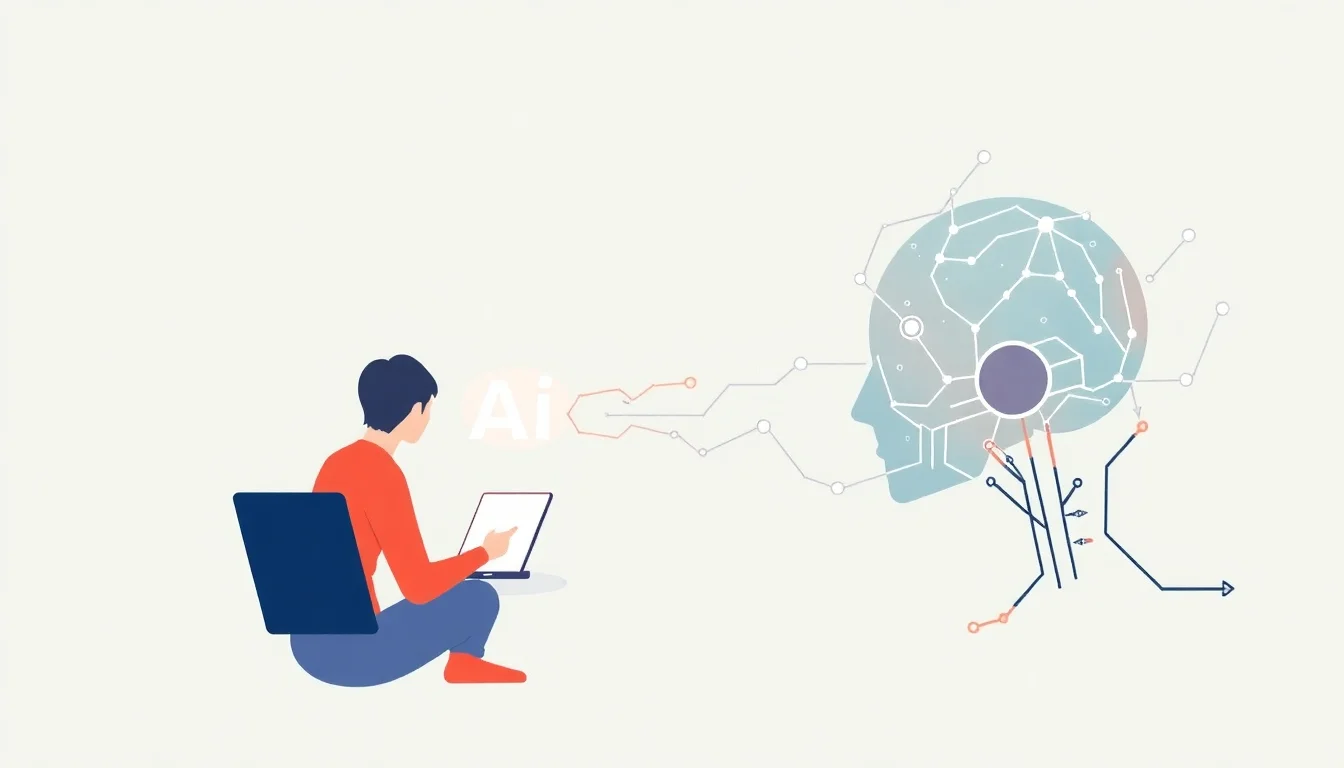
The integration of Artificial Intelligence (AI) in education has been a topic of discussion for several years, with some hailing it as a revolution and others as a disruption. As we explore the role of AI in Education, it's essential to understand the potential benefits and drawbacks. Machine Learning and Natural Language Processing are two key areas where AI can make a significant impact. With the help of AI, educators can create personalized learning plans, automate grading, and provide real-time feedback. However, there are also concerns about bias in AI and the potential for AI to replace human teachers.
🤖 The Role of AI in Personalized Learning
One of the most significant advantages of AI in education is its ability to provide personalized learning experiences for students. By analyzing student data and behavior, AI can create tailored learning plans that cater to individual needs and abilities. This can be particularly beneficial for students with learning disabilities or those who require extra support. Adaptive learning platforms, such as DreamBox and Knewton, are already being used in many schools to provide personalized learning experiences. Additionally, AI can help teachers identify areas where students need extra support, allowing for more effective teacher support.
📊 AI-Driven Assessment and Feedback
AI-driven assessment and feedback are another area where AI can make a significant impact in education. By using machine learning algorithms to analyze student responses, AI can provide instant feedback and grading, freeing up teachers to focus on more critical aspects of education. Automated grading systems, such as GradeScope, can also help reduce the workload of teachers and improve the accuracy of grading. However, there are concerns about the potential for bias in grading and the need for human oversight to ensure fairness and accuracy.
📝 AI-Powered Content Creation
AI can also be used to create educational content, such as interactive simulations and adaptive assessments. Content creation platforms, such as CK12 and OpenStax, are already using AI to develop personalized learning materials. Additionally, AI can help teachers create customized lesson plans and educational resources, making it easier to differentiate instruction and meet the needs of diverse learners. However, there are concerns about the potential for AI-generated content to replace human-created content and the need for quality control to ensure accuracy and relevance.
👩🏫 Teacher Support and Augmentation
Teacher support and augmentation are critical areas where AI can make a significant impact in education. By providing teachers with real-time analytics and insights, AI can help them identify areas where students need extra support and provide targeted interventions. Teacher augmentation platforms, such as BrightBytes, can also help teachers develop personalized learning plans and provide data-driven instruction. Additionally, AI can help teachers automate routine tasks, such as grading and data entry, freeing up more time for instruction and student support.
📊 The Economics of AI in Education
The economics of AI in education are complex and multifaceted. While AI has the potential to reduce costs and improve efficiency, there are also concerns about the potential for job displacement and the need for significant investments in infrastructure and professional development. EdTech investing has increased significantly in recent years, with many companies, such as Coursera and Udemy, developing AI-powered educational platforms. However, there are also concerns about the potential for inequity and the need for equitable access to AI-powered educational resources.
🚫 The Dark Side of AI in Education
The dark side of AI in education is a topic of growing concern. As AI becomes more pervasive in education, there are concerns about the potential for bias in AI and the need for transparency and accountability. AI ethics is a critical area of research, with many experts calling for the development of AI regulations to ensure fairness and equity. Additionally, there are concerns about the potential for cybersecurity threats and the need for data protection to safeguard student data.
🤝 Human-AI Collaboration in Education
Human-AI collaboration in education is a critical area of research and development. By combining the strengths of human teachers and AI, educators can create more effective and efficient learning experiences. Human-AI collaboration platforms, such as ZuluEDU, are already being used in many schools to provide personalized learning experiences and support teacher development. Additionally, AI can help teachers develop emotional intelligence and provide social support to students, which is critical for academic success and well-being.
📈 The Future of AI in Education
The future of AI in education is uncertain and rapidly evolving. As AI continues to advance and improve, we can expect to see more widespread adoption and integration in educational settings. AI trends, such as voice AI and computer vision, are already being explored in education, with many potential applications in areas such as accessibility and personalized learning. However, there are also concerns about the potential for job displacement and the need for worker retraining to ensure that educators are prepared for an AI-driven future.
📊 Measuring the Impact of AI in Education
Measuring the impact of AI in education is a critical area of research and development. By using data analytics and evaluation methods, educators can assess the effectiveness of AI-powered educational interventions and identify areas for improvement. AI evaluation frameworks, such as EdTech evaluation, are already being used in many schools to evaluate the impact of AI-powered educational tools and platforms. Additionally, AI can help educators develop assessment tools and evaluation methods to measure student learning and progress.
📚 Conclusion: Revolution or Disruption?
In conclusion, the integration of AI in education has the potential to be both revolutionary and disruptive. While AI has the potential to improve efficiency, personalize learning, and support teacher development, there are also concerns about the potential for bias in AI and the need for transparency and accountability. As we move forward, it's essential to prioritize AI ethics and ensure that AI is developed and used in ways that promote fairness, equity, and student success. By combining the strengths of human teachers and AI, we can create more effective and efficient learning experiences that prepare students for success in an increasingly complex and rapidly evolving world.
Key Facts
- Year
- 2023
- Origin
- Stanford University's Center for Education Policy Analysis
- Category
- Technology and Education
- Type
- Concept
Frequently Asked Questions
What is the role of AI in education?
AI can play a significant role in education by providing personalized learning experiences, automating grading and feedback, and supporting teacher development. However, there are also concerns about the potential for bias in AI and the need for transparency and accountability. As AI continues to evolve and improve, we can expect to see more widespread adoption and integration in educational settings.
How can AI improve student learning outcomes?
AI can improve student learning outcomes by providing personalized learning experiences, real-time feedback, and targeted interventions. AI can also help teachers identify areas where students need extra support and provide data-driven instruction. Additionally, AI can help automate routine tasks, such as grading and data entry, freeing up more time for instruction and student support.
What are the potential risks and challenges of using AI in education?
The potential risks and challenges of using AI in education include bias in AI, job displacement, and the need for significant investments in infrastructure and professional development. There are also concerns about the potential for cybersecurity threats and the need for data protection to safeguard student data. Additionally, there are concerns about the potential for AI to replace human teachers and the need for human oversight to ensure fairness and accuracy.
How can educators ensure that AI is used ethically and responsibly in education?
Educators can ensure that AI is used ethically and responsibly in education by prioritizing AI ethics and transparency. This includes developing and using AI in ways that promote fairness, equity, and student success. Educators should also be aware of the potential risks and challenges of using AI in education and take steps to mitigate them. Additionally, educators should engage in ongoing professional development to stay up-to-date with the latest developments in AI and education.
What is the future of AI in education?
The future of AI in education is uncertain and rapidly evolving. As AI continues to advance and improve, we can expect to see more widespread adoption and integration in educational settings. AI trends, such as voice AI and computer vision, are already being explored in education, with many potential applications in areas such as accessibility and personalized learning. However, there are also concerns about the potential for job displacement and the need for worker retraining to ensure that educators are prepared for an AI-driven future.
How can AI support teacher development and augmentation?
AI can support teacher development and augmentation by providing real-time analytics and insights, automating routine tasks, and offering personalized learning plans and educational resources. AI can also help teachers develop emotional intelligence and provide social support to students, which is critical for academic success and well-being. Additionally, AI can help teachers identify areas where students need extra support and provide targeted interventions.
What is the role of human-AI collaboration in education?
Human-AI collaboration in education is critical for creating effective and efficient learning experiences. By combining the strengths of human teachers and AI, educators can provide personalized learning experiences, real-time feedback, and targeted interventions. Human-AI collaboration platforms, such as ZuluEDU, are already being used in many schools to provide personalized learning experiences and support teacher development.