
Contents
- 🤖 Introduction to Machine Learning
- 📊 Supervised Learning Algorithms
- 📈 Unsupervised Learning Algorithms
- 🤝 Semi-Supervised Learning Algorithms
- 📊 Reinforcement Learning Algorithms
- 📈 Deep Learning Algorithms
- 📊 Natural Language Processing Algorithms
- 📈 Computer Vision Algorithms
- 📊 Machine Learning Model Evaluation
- 📈 Model Deployment and Maintenance
- 📊 Ethics in Machine Learning
- 📈 Future of Machine Learning
- Frequently Asked Questions
- Related Topics
Overview
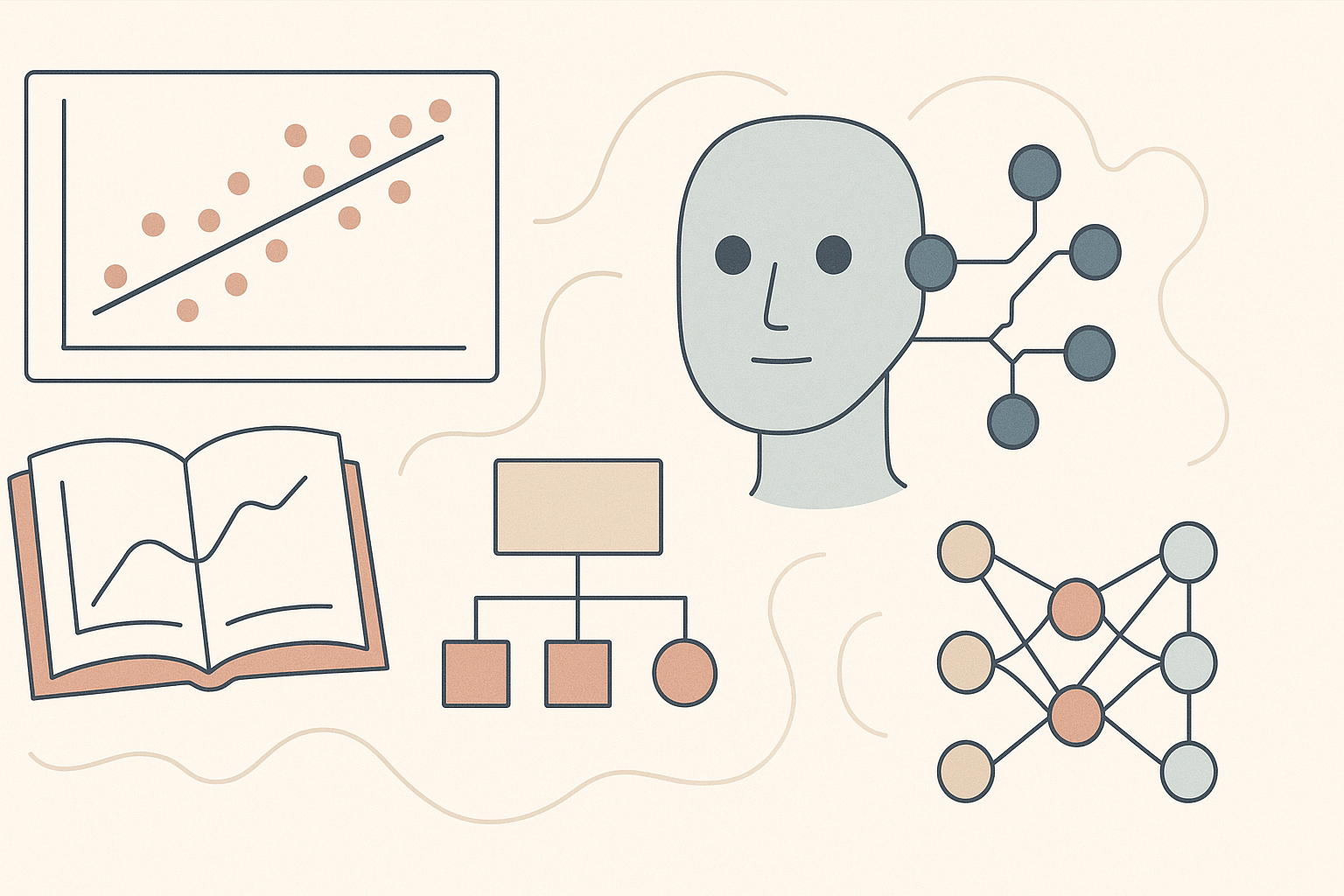
Machine learning is a subset of Artificial Intelligence that involves the use of algorithms and statistical models to enable machines to perform a specific task without using explicit instructions. The goal of machine learning is to develop algorithms that can learn from Data Science and make predictions or decisions with minimal human intervention. Machine Learning has numerous applications, including Image Recognition, Natural Language Processing, and Predictive Analytics. As the field continues to evolve, we can expect to see significant advancements in areas like Deep Learning and Reinforcement Learning. The use of machine learning algorithms has become increasingly prevalent in various industries, including healthcare, finance, and transportation. For instance, Google has developed a machine learning algorithm that can detect Breast Cancer more accurately than human doctors.
📊 Supervised Learning Algorithms
Supervised learning algorithms are a type of machine learning algorithm that involves training a model on labeled data. The goal of supervised learning is to learn a mapping between input data and the corresponding output labels, so the model can make predictions on new, unseen data. Supervised Learning algorithms include Linear Regression, Logistic Regression, and Decision Trees. These algorithms have numerous applications, including Spam Detection and Credit Risk Assessment. Scikit-learn is a popular library for supervised learning in Python. The performance of supervised learning algorithms can be evaluated using metrics like Accuracy, Precision, and Recall.
📈 Unsupervised Learning Algorithms
Unsupervised learning algorithms are a type of machine learning algorithm that involves training a model on unlabeled data. The goal of unsupervised learning is to discover patterns or relationships in the data, such as grouping similar data points together. Unsupervised Learning algorithms include K-Means Clustering and Principal Component Analysis. These algorithms have numerous applications, including Customer Segmentation and Anomaly Detection. TensorFlow is a popular library for unsupervised learning in Python. The use of unsupervised learning algorithms has become increasingly prevalent in various industries, including marketing and finance. For instance, Amazon has developed an unsupervised learning algorithm that can recommend products to customers based on their browsing history.
🤝 Semi-Supervised Learning Algorithms
Semi-supervised learning algorithms are a type of machine learning algorithm that involves training a model on a combination of labeled and unlabeled data. The goal of semi-supervised learning is to improve the performance of a model by leveraging the information in the unlabeled data. Semi-Supervised Learning algorithms include Self-Training and Co-Training. These algorithms have numerous applications, including Image Classification and Text Classification. Keras is a popular library for semi-supervised learning in Python. The use of semi-supervised learning algorithms has become increasingly prevalent in various industries, including healthcare and education. For instance, Stanford University has developed a semi-supervised learning algorithm that can diagnose diseases more accurately than human doctors.
📊 Reinforcement Learning Algorithms
Reinforcement learning algorithms are a type of machine learning algorithm that involves training a model to make decisions in an environment to maximize a reward. The goal of reinforcement learning is to learn a policy that maps states to actions in a way that maximizes the cumulative reward. Reinforcement Learning algorithms include Q-Learning and Deep Q-Networks. These algorithms have numerous applications, including Game Playing and Robotics. Gym is a popular library for reinforcement learning in Python. The use of reinforcement learning algorithms has become increasingly prevalent in various industries, including finance and transportation. For instance, Uber has developed a reinforcement learning algorithm that can optimize routes for drivers.
📈 Deep Learning Algorithms
Deep learning algorithms are a type of machine learning algorithm that involves the use of neural networks with multiple layers. The goal of deep learning is to learn complex patterns in data, such as images, speech, and text. Deep Learning algorithms include Convolutional Neural Networks and Recurrent Neural Networks. These algorithms have numerous applications, including Image Recognition and Natural Language Processing. PyTorch is a popular library for deep learning in Python. The use of deep learning algorithms has become increasingly prevalent in various industries, including healthcare and finance. For instance, Microsoft has developed a deep learning algorithm that can recognize Speech Recognition more accurately than human listeners.
📊 Natural Language Processing Algorithms
Natural language processing algorithms are a type of machine learning algorithm that involves the use of techniques from Computer Science and Linguistics to process and understand human language. The goal of natural language processing is to enable computers to perform tasks such as Language Translation and Text Summarization. Natural Language Processing algorithms include Named Entity Recognition and Part-of-Speech Tagging. These algorithms have numerous applications, including Chatbots and Sentiment Analysis. NLTK is a popular library for natural language processing in Python. The use of natural language processing algorithms has become increasingly prevalent in various industries, including customer service and marketing. For instance, Facebook has developed a natural language processing algorithm that can recognize Sentiment Analysis in text.
📈 Computer Vision Algorithms
Computer vision algorithms are a type of machine learning algorithm that involves the use of techniques from Computer Science and Engineering to interpret and understand visual data from the world. The goal of computer vision is to enable computers to perform tasks such as Image Recognition and Object Detection. Computer Vision algorithms include Image Segmentation and Object Tracking. These algorithms have numerous applications, including Self-Driving Cars and Surveillance. OpenCV is a popular library for computer vision in Python. The use of computer vision algorithms has become increasingly prevalent in various industries, including healthcare and finance. For instance, Google has developed a computer vision algorithm that can recognize Image Recognition more accurately than human doctors.
📊 Machine Learning Model Evaluation
Machine learning model evaluation is the process of assessing the performance of a machine learning model on a given task. The goal of model evaluation is to determine how well the model is performing and to identify areas for improvement. Model Evaluation metrics include Accuracy, Precision, and Recall. These metrics have numerous applications, including Model Selection and Hyperparameter Tuning. Scikit-learn is a popular library for model evaluation in Python. The use of model evaluation has become increasingly prevalent in various industries, including healthcare and finance. For instance, Amazon has developed a model evaluation algorithm that can optimize the performance of machine learning models.
📈 Model Deployment and Maintenance
Model deployment and maintenance is the process of integrating a machine learning model into a larger system and ensuring that it continues to perform well over time. The goal of model deployment and maintenance is to ensure that the model is reliable, scalable, and maintainable. Model Deployment strategies include Cloud Deployment and Edge Deployment. These strategies have numerous applications, including Real-Time Systems and IoT. Docker is a popular library for model deployment in Python. The use of model deployment and maintenance has become increasingly prevalent in various industries, including healthcare and finance. For instance, Microsoft has developed a model deployment algorithm that can optimize the performance of machine learning models.
📊 Ethics in Machine Learning
Ethics in machine learning is the study of the moral and ethical implications of machine learning algorithms and their applications. The goal of ethics in machine learning is to ensure that machine learning algorithms are fair, transparent, and accountable. Ethics in Machine Learning issues include Bias in AI and Explainability in AI. These issues have numerous applications, including Fairness in AI and Transparency in AI. AI Now Institute is a popular organization for ethics in machine learning. The use of ethics in machine learning has become increasingly prevalent in various industries, including healthcare and finance. For instance, Google has developed an ethics in machine learning algorithm that can recognize Bias in AI in machine learning models.
📈 Future of Machine Learning
The future of machine learning is a rapidly evolving field that involves the development of new machine learning algorithms and applications. The goal of the future of machine learning is to enable machines to learn and adapt in complex and dynamic environments. Future of Machine Learning trends include Edge AI and Explainable AI. These trends have numerous applications, including Real-Time Systems and IoT. Stanford University is a popular institution for research in the future of machine learning. The use of machine learning algorithms has become increasingly prevalent in various industries, including healthcare and finance. For instance, Facebook has developed a machine learning algorithm that can recognize Image Recognition more accurately than human doctors.
Key Facts
- Year
- 1950
- Origin
- Dartmouth Summer Research Project on Artificial Intelligence
- Category
- Artificial Intelligence
- Type
- Concept
Frequently Asked Questions
What is machine learning?
Machine learning is a subset of Artificial Intelligence that involves the use of algorithms and statistical models to enable machines to perform a specific task without using explicit instructions. The goal of machine learning is to develop algorithms that can learn from Data Science and make predictions or decisions with minimal human intervention. Machine learning has numerous applications, including Image Recognition, Natural Language Processing, and Predictive Analytics.
What are the different types of machine learning algorithms?
There are several types of machine learning algorithms, including Supervised Learning, Unsupervised Learning, Semi-Supervised Learning, and Reinforcement Learning. Each type of algorithm has its own strengths and weaknesses, and is suited to specific tasks and applications. For instance, Supervised Learning is commonly used for Image Classification and Text Classification, while Unsupervised Learning is commonly used for Customer Segmentation and Anomaly Detection.
What is deep learning?
Deep learning is a type of machine learning algorithm that involves the use of neural networks with multiple layers. The goal of deep learning is to learn complex patterns in data, such as images, speech, and text. Deep learning algorithms have numerous applications, including Image Recognition and Natural Language Processing. PyTorch is a popular library for deep learning in Python. The use of deep learning algorithms has become increasingly prevalent in various industries, including healthcare and finance.
What is natural language processing?
Natural language processing is a type of machine learning algorithm that involves the use of techniques from Computer Science and Linguistics to process and understand human language. The goal of natural language processing is to enable computers to perform tasks such as Language Translation and Text Summarization. Natural language processing algorithms have numerous applications, including Chatbots and Sentiment Analysis. NLTK is a popular library for natural language processing in Python.
What is computer vision?
Computer vision is a type of machine learning algorithm that involves the use of techniques from Computer Science and Engineering to interpret and understand visual data from the world. The goal of computer vision is to enable computers to perform tasks such as Image Recognition and Object Detection. Computer vision algorithms have numerous applications, including Self-Driving Cars and Surveillance. OpenCV is a popular library for computer vision in Python.
What is model evaluation?
Model evaluation is the process of assessing the performance of a machine learning model on a given task. The goal of model evaluation is to determine how well the model is performing and to identify areas for improvement. Model evaluation metrics include Accuracy, Precision, and Recall. These metrics have numerous applications, including Model Selection and Hyperparameter Tuning. Scikit-learn is a popular library for model evaluation in Python.
What is model deployment and maintenance?
Model deployment and maintenance is the process of integrating a machine learning model into a larger system and ensuring that it continues to perform well over time. The goal of model deployment and maintenance is to ensure that the model is reliable, scalable, and maintainable. Model deployment strategies include Cloud Deployment and Edge Deployment. These strategies have numerous applications, including Real-Time Systems and IoT. Docker is a popular library for model deployment in Python.