
Contents
- 🎯 Introduction to AI in Healthcare
- 💻 How AI Works in Healthcare
- 📊 Key Applications and Benefits
- 👥 Key Players and Organizations
- 🌎 Global Impact and Adoption
- 🚨 Ethical Concerns and Challenges
- 🔮 Future Outlook and Predictions
- 💡 Practical Applications and Implementations
- 📚 Related Topics and Deeper Reading
- Frequently Asked Questions
- References
- Related Topics
Overview
The integration of artificial intelligence in healthcare is transforming the medical landscape by enhancing patient care. Through the application of complex algorithms and software, AI can streamline clinical workflows and personalize medicine. However, its adoption also raises ethical concerns. As research continues to explore the vast applications of AI in healthcare, it is essential to address these challenges and ensure that the benefits of AI are equitably distributed.
🎯 Introduction to AI in Healthcare
The concept of AI in healthcare has been around for several decades. AI works in healthcare by using complex algorithms to analyze large amounts of medical data. This analysis enables AI systems to identify patterns and make predictions, which can be used to improve patient outcomes.
💻 How AI Works in Healthcare
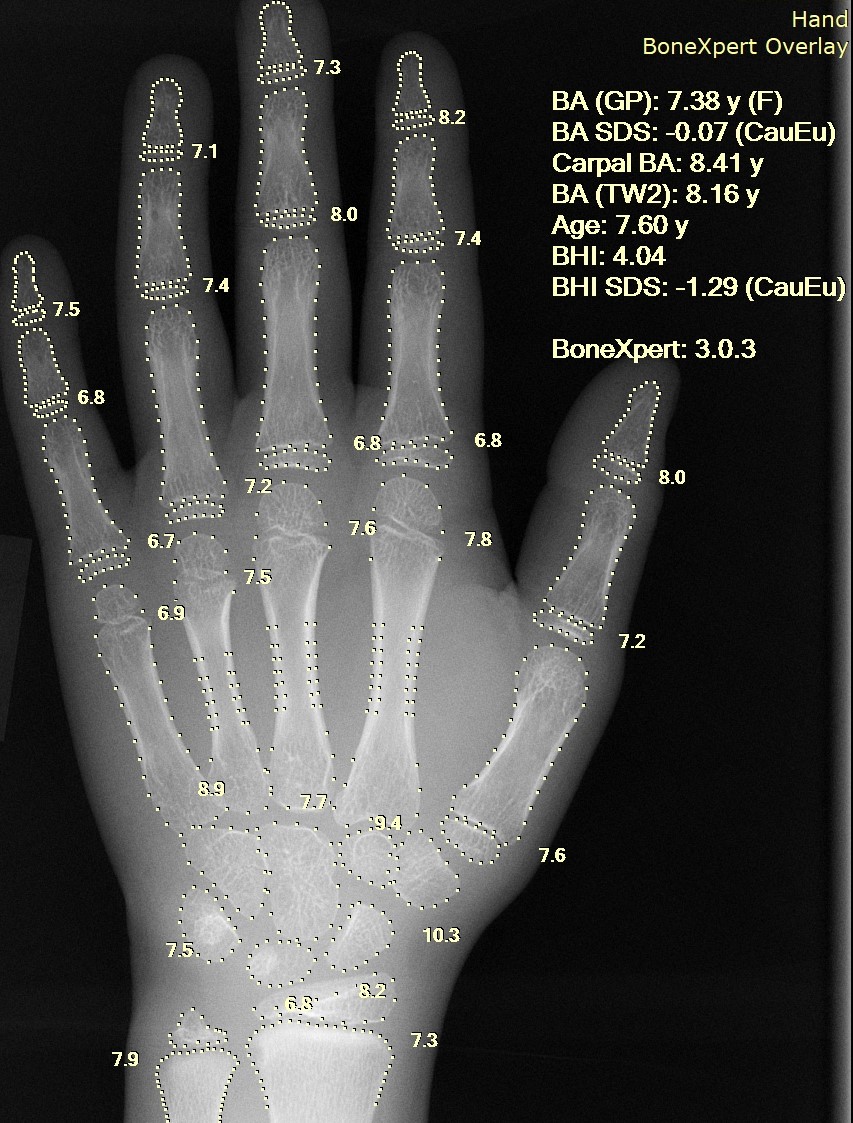
AI can streamline clinical workflows and personalize medicine. For example, AI-powered systems can be used to analyze medical images, develop personalized treatment plans, and predict patient outcomes. Additionally, AI-powered chatbots can be used to engage patients and provide support.
📊 Key Applications and Benefits
The key applications of AI in healthcare include medical diagnosis, treatment protocol development, drug development, personalized medicine, and patient monitoring and care. AI can help to improve patient outcomes and enhance patient experiences.
👥 Key Players and Organizations
Several key players and organizations are driving the adoption of AI in healthcare, including the National Institutes of Health (NIH), the Food and Drug Administration (FDA), and the American Medical Association (AMA). These organizations are working to develop guidelines, regulations, and standards for the use of AI in healthcare.
🌎 Global Impact and Adoption
The global impact of AI in healthcare will be significant, with the potential to improve healthcare outcomes and enhance patient experiences. However, the adoption of AI in healthcare also raises ethical concerns, including data privacy, job automation, and algorithmic bias. To address these concerns, it is essential to develop and implement robust regulations, guidelines, and standards for the use of AI in healthcare.
🚨 Ethical Concerns and Challenges
The European Union's General Data Protection Regulation provides a framework for protecting patient data. The World Health Organization is working to develop global standards for AI in healthcare. The National Academy of Medicine is working to develop a framework for the responsible development and deployment of AI in healthcare.
🔮 Future Outlook and Predictions
The future outlook for AI in healthcare is promising, with the potential for AI to revolutionize the medical landscape. However, it is essential to address the ethical concerns and challenges associated with the adoption of AI in healthcare. By doing so, we can ensure that the benefits of AI are equitably distributed and that the healthcare industry is able to harness the full potential of AI to improve patient outcomes and enhance healthcare experiences.
💡 Practical Applications and Implementations
The practical applications of AI in healthcare are numerous, ranging from medical diagnosis and treatment to patient monitoring and care. AI-powered systems can be used to analyze medical images, develop personalized treatment plans, and predict patient outcomes. Additionally, AI-powered chatbots can be used to engage patients and provide support.
Key Facts
- Year
- 2025
- Origin
- Global
- Category
- health
- Type
- concept
Frequently Asked Questions
What is AI in healthcare?
AI in healthcare refers to the use of artificial intelligence to analyze and understand complex medical and healthcare data.
How does AI work in healthcare?
AI works in healthcare by using complex algorithms to analyze large amounts of medical data.
What are the benefits of AI in healthcare?
The benefits of AI in healthcare include improved patient outcomes and enhanced patient experiences.
What are the challenges associated with AI in healthcare?
The challenges associated with AI in healthcare include ethical concerns, such as data privacy, job automation, and algorithmic bias.
How can AI be used to improve patient outcomes?
AI can be used to improve patient outcomes by analyzing medical data, developing personalized treatment plans, and predicting patient outcomes.
What is the role of the European Union's General Data Protection Regulation in AI in healthcare?
The European Union's General Data Protection Regulation provides a framework for protecting patient data.