
Contents
- 🛫 Introduction to Alaska Airlines
- 📈 The Early Years: Founding and Expansion
- 🚀 Post-War Growth and Challenges
- 🛬 The Jet Age and Route Development
- 💼 Leadership and Management Changes
- 📊 Financial Performance and Acquisitions
- 🚫 Challenges and Controversies
- 🌐 Expansion into New Markets
- 👥 Employee Relations and Labor Unions
- 🏆 Awards and Recognition
- 🚀 Future Plans and Developments
- Frequently Asked Questions
- Related Topics
Overview
Alaska Airlines, founded in 1932 by Linious McGee, has evolved from a small regional carrier to a significant player in the US airline industry. With a strong presence in the Pacific Northwest and a growing network of routes across North America, Alaska Airlines has successfully navigated the complexities of airline deregulation, mergers, and acquisitions. The airline's merger with Virgin America in 2016 marked a significant turning point, expanding its reach and influence. However, the airline has also faced criticism for its handling of labor disputes and environmental concerns. As the airline industry continues to grapple with the challenges of climate change, rising fuel costs, and shifting consumer demands, Alaska Airlines must adapt and innovate to remain competitive. With a current fleet of over 330 aircraft and a reputation for excellent customer service, Alaska Airlines is poised for continued growth and expansion, but must balance its ambitions with the need for sustainability and social responsibility.
🛫 Introduction to Alaska Airlines
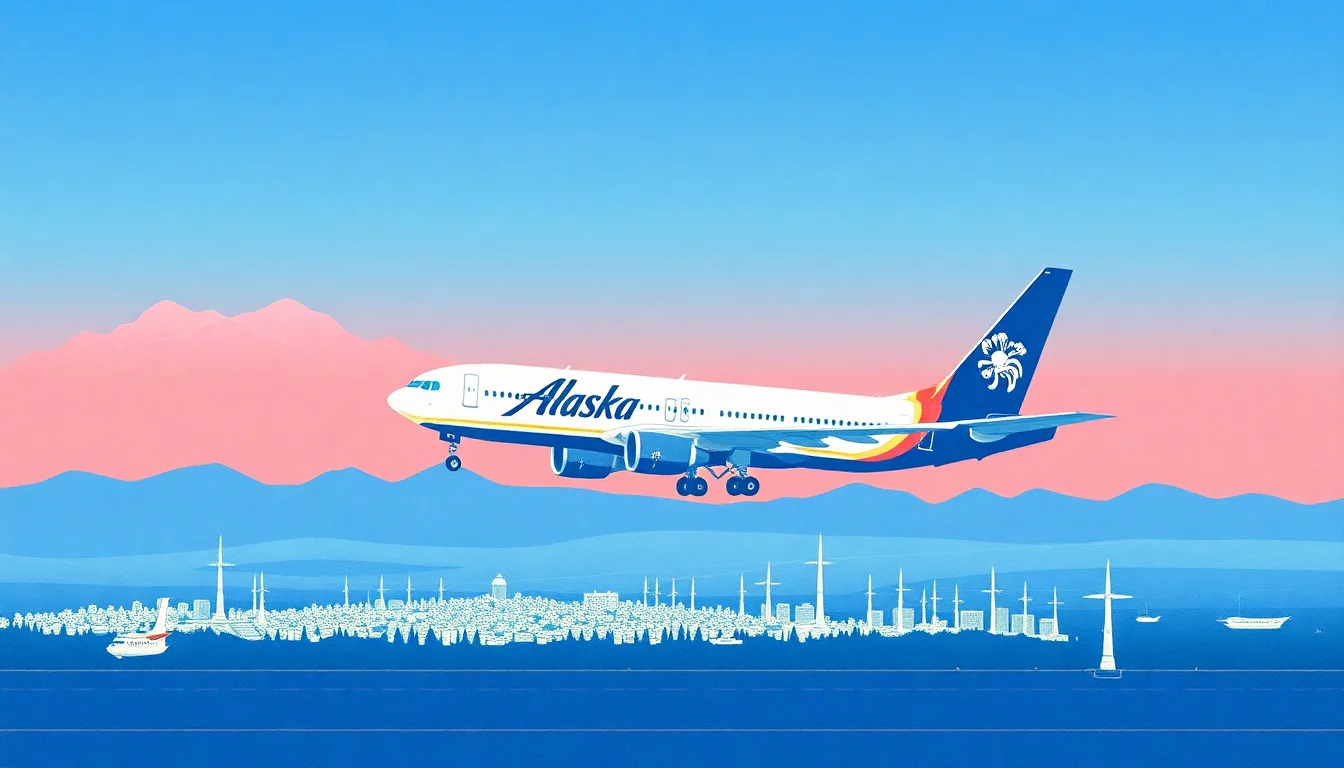
Alaska Airlines, one of the most successful regional airlines in the United States, has a rich and complex history. Founded in 1932 by Linious MacCheyne, the airline has undergone significant transformations over the years. With its headquarters in Seattle, Washington, Alaska Airlines has established itself as a major player in the aviation industry, with a strong presence in the Pacific Northwest and a growing network of routes across North America. The airline's success can be attributed to its strategic expansion, innovative marketing, and commitment to customer service, as seen in its partnership with Horizon Air.
📈 The Early Years: Founding and Expansion
The early years of Alaska Airlines were marked by rapid expansion and growth, with the airline introducing its first scheduled flights in 1934. During this period, the airline faced significant challenges, including harsh weather conditions and limited infrastructure, but managed to establish itself as a reliable and efficient carrier. As the airline grew, it began to expand its route network, introducing flights to new destinations in Alaska and the contiguous United States. The airline's growth was also driven by its partnership with Western Airlines, which provided access to new markets and resources.
🚀 Post-War Growth and Challenges
Following World War II, Alaska Airlines experienced a period of rapid growth and expansion, driven by the increasing demand for air travel and the introduction of new aircraft. The airline introduced its first Douglas DC-4 in 1946, which enabled it to offer more efficient and comfortable service to its passengers. However, the airline also faced significant challenges during this period, including increased competition from other carriers and rising operating costs. Despite these challenges, Alaska Airlines continued to expand its route network, introducing flights to new destinations in Canada and the United States. The airline's growth was also driven by its partnership with Canadian Pacific Airlines.
🛬 The Jet Age and Route Development
The introduction of the jet age in the 1950s revolutionized the aviation industry, and Alaska Airlines was at the forefront of this transformation. The airline introduced its first Boeing 720 in 1960, which enabled it to offer faster and more efficient service to its passengers. The airline also expanded its route network during this period, introducing flights to new destinations in Mexico and the United States. The airline's growth was driven by its strategic expansion and innovative marketing, as seen in its partnership with Hawaiian Airlines. However, the airline also faced significant challenges during this period, including increased competition from other carriers and rising operating costs.
💼 Leadership and Management Changes
Over the years, Alaska Airlines has undergone significant changes in leadership and management, with several key executives playing a crucial role in shaping the airline's strategy and direction. One of the most notable leaders was Ronald Ferguson, who served as the airline's CEO from 1979 to 1991. During his tenure, Ferguson oversaw a period of rapid expansion and growth, driven by the introduction of new aircraft and the expansion of the airline's route network. The airline's growth was also driven by its partnership with American Airlines, which provided access to new markets and resources.
📊 Financial Performance and Acquisitions
Alaska Airlines has a strong financial track record, with the airline consistently reporting profits over the past decade. The airline's financial performance has been driven by its strategic expansion, innovative marketing, and commitment to customer service. In 2016, the airline acquired Virgin America, which provided access to new markets and resources. The airline's financial performance has also been driven by its partnership with Delta Air Lines, which has enabled it to expand its route network and improve its operational efficiency.
🚫 Challenges and Controversies
Despite its success, Alaska Airlines has faced significant challenges and controversies over the years. One of the most notable challenges was the airline's handling of a flight attendant strike in 2018, which resulted in significant disruptions to the airline's operations. The airline has also faced criticism for its environmental impact, with some critics arguing that the airline's growth has come at the expense of the environment. However, the airline has taken steps to reduce its environmental impact, including the introduction of more fuel-efficient aircraft and the implementation of sustainable practices.
🌐 Expansion into New Markets
In recent years, Alaska Airlines has expanded into new markets, introducing flights to new destinations in the United States, Canada, and Mexico. The airline has also introduced new routes to Hawaii and Costa Rica, which have proven to be highly popular with passengers. The airline's expansion has been driven by its strategic partnerships, including its partnership with Air Costa Rica. However, the airline has also faced significant challenges in these new markets, including increased competition from other carriers and rising operating costs.
👥 Employee Relations and Labor Unions
Alaska Airlines has a strong relationship with its employees, with the airline consistently ranking as one of the best places to work in the aviation industry. The airline has a number of employee programs in place, including a comprehensive benefits package and a range of training and development opportunities. However, the airline has also faced challenges in its relationships with labor unions, including a pilot strike in 2019. The airline's relationships with labor unions have been driven by its commitment to fair wages and benefits, as seen in its partnership with the Air Line Pilots Association.
🏆 Awards and Recognition
Alaska Airlines has received numerous awards and recognition for its service and operations. The airline has been ranked as one of the best airlines in the United States by Conde Nast Traveler and has received numerous awards for its customer service and safety record. The airline has also been recognized for its commitment to sustainability, including its introduction of more fuel-efficient aircraft and its implementation of sustainable practices. The airline's commitment to sustainability has been driven by its partnership with the Environmental Defense Fund.
🚀 Future Plans and Developments
As Alaska Airlines looks to the future, the airline is focused on continuing to expand its route network and improve its operational efficiency. The airline has announced plans to introduce new routes to Europe and Asia, which are expected to be highly popular with passengers. The airline is also investing in new technology, including the introduction of more fuel-efficient aircraft and the implementation of sustainable practices. The airline's growth will be driven by its strategic partnerships, including its partnership with Cathay Pacific.
Key Facts
- Year
- 1932
- Origin
- Seattle, Washington, USA
- Category
- Aviation
- Type
- Airline
Frequently Asked Questions
When was Alaska Airlines founded?
Alaska Airlines was founded in 1932 by Linious MacCheyne. The airline has undergone significant transformations over the years, with a strong presence in the Pacific Northwest and a growing network of routes across North America. The airline's success can be attributed to its strategic expansion, innovative marketing, and commitment to customer service, as seen in its partnership with Horizon Air.
What is Alaska Airlines' route network?
Alaska Airlines has a significant route network, with flights to over 100 destinations in the United States, Canada, Mexico, and Costa Rica. The airline has also introduced new routes to Hawaii and Costa Rica, which have proven to be highly popular with passengers. The airline's expansion has been driven by its strategic partnerships, including its partnership with Air Costa Rica.
What is Alaska Airlines' financial performance?
Alaska Airlines has a strong financial track record, with the airline consistently reporting profits over the past decade. The airline's financial performance has been driven by its strategic expansion, innovative marketing, and commitment to customer service. In 2016, the airline acquired Virgin America, which provided access to new markets and resources.
What are Alaska Airlines' environmental initiatives?
Alaska Airlines has taken steps to reduce its environmental impact, including the introduction of more fuel-efficient aircraft and the implementation of sustainable practices. The airline has also partnered with the Environmental Defense Fund to reduce its carbon footprint. The airline's commitment to sustainability has been driven by its partnership with the Environmental Defense Fund.
What are Alaska Airlines' employee programs?
Alaska Airlines has a number of employee programs in place, including a comprehensive benefits package and a range of training and development opportunities. The airline has a strong relationship with its employees, with the airline consistently ranking as one of the best places to work in the aviation industry. However, the airline has also faced challenges in its relationships with labor unions, including a pilot strike in 2019.
What are Alaska Airlines' awards and recognition?
Alaska Airlines has received numerous awards and recognition for its service and operations. The airline has been ranked as one of the best airlines in the United States by Conde Nast Traveler and has received numerous awards for its customer service and safety record. The airline has also been recognized for its commitment to sustainability, including its introduction of more fuel-efficient aircraft and its implementation of sustainable practices.
What is Alaska Airlines' future plans and developments?
As Alaska Airlines looks to the future, the airline is focused on continuing to expand its route network and improve its operational efficiency. The airline has announced plans to introduce new routes to Europe and Asia, which are expected to be highly popular with passengers. The airline is also investing in new technology, including the introduction of more fuel-efficient aircraft and the implementation of sustainable practices.