
Contents
- 🌟 Introduction to Alcohols
- 🧬 Chemical Structure of Alcohols
- 🌿 Types of Alcohols
- 🍸 Cultural Significance of Alcohols
- 🍹 History of Alcoholic Beverages
- 📊 Chemical Reactions of Alcohols
- 🧪 Industrial Applications of Alcohols
- 🚨 Health Effects of Alcohols
- 🌎 Environmental Impact of Alcohols
- 🔬 Future of Alcohols Research
- 📚 Conclusion
- Frequently Asked Questions
- Related Topics
Overview
Alcohols are a class of organic compounds that have been a part of human culture for thousands of years, with applications ranging from Chemistry and Pharmacology to Culinary Arts and Spirit Production. The simplest alcohols, such as Methanol and Ethanol, have been used as Biofuels and Solvents. More complex alcohols, like Sugar Alcohols and Cholesterol, play critical roles in Biochemistry and Medicine. As we delve into the world of alcohols, it becomes clear that their unique properties make them a vital component of various industries. The presence of an OH group in alcohols confers Hydrophilic properties, allowing them to interact with Water and other polar molecules. This property makes alcohols useful as Solvents and Reactants in various chemical reactions. For example, Ethanol is commonly used as a Solvent in the production of Pharmaceuticals and Cosmetics.
🧬 Chemical Structure of Alcohols
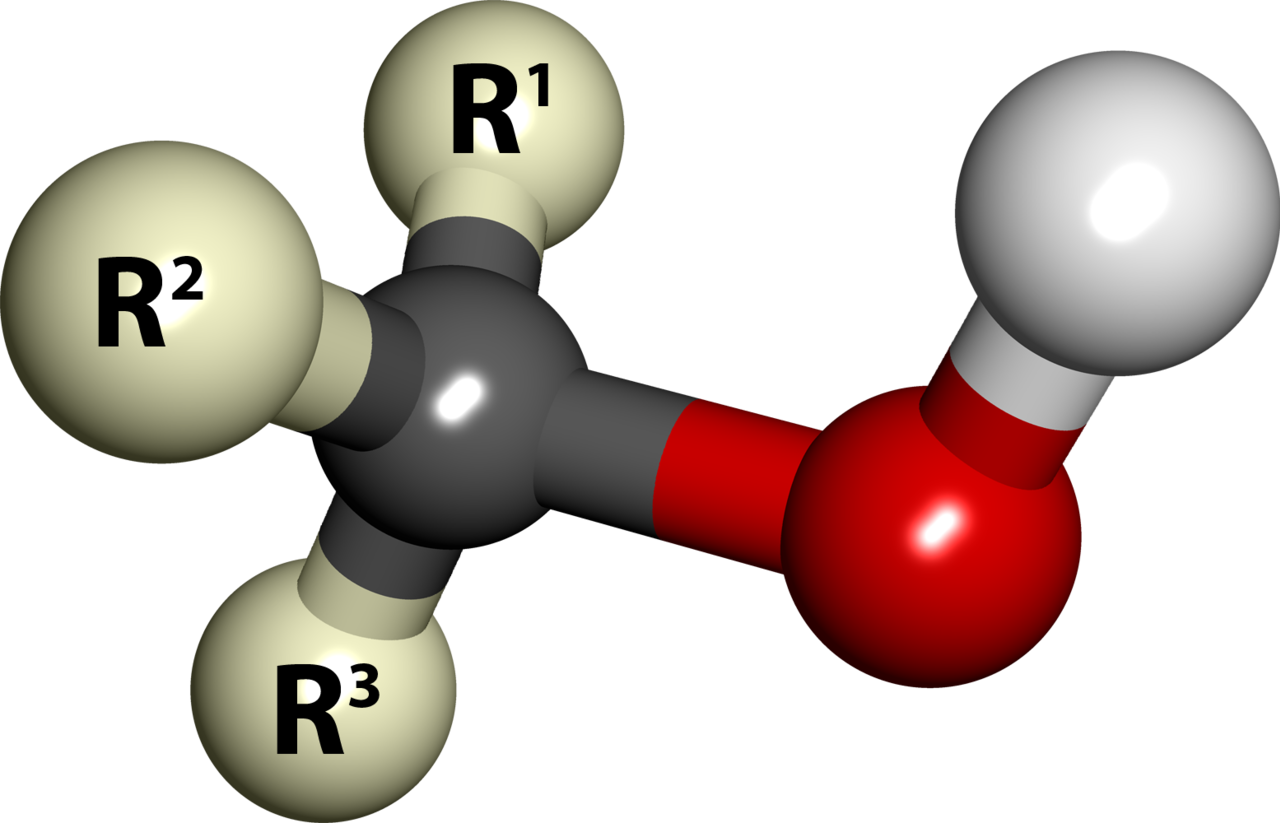
The chemical structure of alcohols is characterized by the presence of at least one Hydroxyl Group (OH) bound to a saturated Carbon Atom. This functional group is responsible for the unique properties of alcohols, including their ability to form Hydrogen Bonds with other molecules. The OH group provides a site at which many reactions can occur, making alcohols useful as Reactants and Intermediates in various chemical reactions. For instance, Methanol is used as a Reactant in the production of Formaldehyde, a common Intermediate in the manufacture of Adhesives and Resins. Alcohols can also undergo various chemical reactions, such as Oxidation and Esterification, to produce a wide range of compounds. These reactions are crucial in the production of Perfumes, Flavorings, and Pharmaceuticals.
🌿 Types of Alcohols
There are several types of alcohols, each with its own unique properties and applications. Methanol and Ethanol are the simplest alcohols, with one and two carbon atoms, respectively. More complex alcohols, such as Propanol and Butanol, have three and four carbon atoms, respectively. Sugar Alcohols, such as Sorbitol and Xylitol, are used as Sweeteners and Humectants in the Food Industry. Cholesterol is a complex alcohol that plays a critical role in Biochemistry and Medicine. The different types of alcohols have varying levels of Toxicity and Biodegradability, which must be considered in their production and use. For example, Methanol is highly Toxic and should be handled with caution, while Ethanol is generally considered safe for human consumption in moderation.
🍸 Cultural Significance of Alcohols
Alcohols have a significant impact on human culture, with applications in Culinary Arts, Spirit Production, and Traditional Medicine. The production and consumption of Alcoholic Beverages have been a part of human culture for thousands of years, with evidence of Beer and Wine production dating back to ancient Civilizations. Alcohols are also used in Traditional Medicine, with Ethanol being used as a Solvent and Preservative in the production of Herbal Remedies. The cultural significance of alcohols is reflected in their use in various Rituals and Ceremonies, such as Weddings and Funerals. For example, Sake is an important part of Japanese culture, with its production and consumption deeply rooted in Tradition and Ritual.
🍹 History of Alcoholic Beverages
The history of Alcoholic Beverages dates back to ancient Civilizations, with evidence of Beer and Wine production found in ancient Mesopotamia and Egypt. The production of Spirits, such as Vodka and Rum, emerged later, with the development of Distillation techniques. The history of alcohols is closely tied to the development of Agriculture and Trade, with the production and consumption of alcohols playing a significant role in the economy and culture of many Societies. For instance, the production of Whiskey in Scotland and Ireland has a long history, with the first recorded production dating back to the 15th century. The cultural and historical significance of alcohols is reflected in their use in various Festivals and Celebrations, such as Oktoberfest and St. Patrick's Day.
📊 Chemical Reactions of Alcohols
Alcohols undergo various chemical reactions, including Oxidation, Esterification, and Dehydration. These reactions are crucial in the production of a wide range of compounds, including Perfumes, Flavorings, and Pharmaceuticals. The chemical reactions of alcohols are also important in the production of Biofuels, such as Ethanol and Biodiesel. The reaction of alcohols with Acids and Bases is also significant, with the production of Esters and Salts being used in various industries. For example, the reaction of Ethanol with Acetic Acid produces Ethyl Acetate, a common Solvent in the production of Paints and Coatings.
🧪 Industrial Applications of Alcohols
Alcohols have a wide range of industrial applications, including the production of Biofuels, Solvents, and Pharmaceuticals. The use of alcohols as Solvents is significant, with Ethanol and Methanol being used in the production of Perfumes, Flavorings, and Cosmetics. Alcohols are also used in the production of Adhesives and Resins, with Formaldehyde being a common Intermediate in the manufacture of these products. The industrial applications of alcohols are closely tied to the development of Technology and Innovation, with new uses and applications being discovered regularly. For instance, the use of Biofuels has become increasingly important in recent years, with Ethanol and Biodiesel being used as alternatives to Fossil Fuels.
🚨 Health Effects of Alcohols
The health effects of alcohols are significant, with both positive and negative effects being reported. Moderate consumption of Alcoholic Beverages has been linked to several health benefits, including reduced risk of Heart Disease and Stroke. However, excessive consumption of alcohols can lead to a range of negative health effects, including Liver Disease, Cancer, and Mental Health Disorders. The health effects of alcohols are closely tied to the amount and frequency of consumption, with responsible drinking habits being essential to minimizing the risks associated with alcohol consumption. For example, the World Health Organization recommends that adults limit their daily alcohol intake to no more than two drinks per day. The health effects of alcohols are also influenced by individual factors, such as Genetics and Lifestyle, which can affect an individual's tolerance to alcohol and their risk of developing alcohol-related health problems.
🌎 Environmental Impact of Alcohols
The environmental impact of alcohols is significant, with both positive and negative effects being reported. The production of Biofuels from alcohols has been linked to several environmental benefits, including reduced Greenhouse Gas Emissions and Air Pollution. However, the production of alcohols can also have negative environmental impacts, including Water Pollution and Land Degradation. The environmental impact of alcohols is closely tied to the production methods and materials used, with sustainable practices being essential to minimizing the negative effects. For instance, the use of Renewable Energy sources, such as Solar Energy and Wind Energy, can reduce the environmental impact of alcohol production. The environmental impact of alcohols is also influenced by factors such as Climate Change and Population Growth, which can affect the demand for alcohols and the environmental sustainability of their production.
🔬 Future of Alcohols Research
The future of alcohols research is exciting, with new technologies and innovations being developed regularly. The use of Biotechnology and Genetic Engineering is expected to play a significant role in the production of alcohols, with the development of new Microorganisms and Enzymes being used to improve the efficiency and sustainability of alcohol production. The development of new Catalysts and Reaction Conditions is also expected to improve the efficiency and selectivity of alcohol production, with the potential to reduce costs and environmental impacts. For example, the use of Nanotechnology has been shown to improve the efficiency of alcohol production, with the development of new Nanocatalysts and Nanoreactors being used to enhance reaction rates and yields.
📚 Conclusion
In conclusion, alcohols are a complex and fascinating group of compounds, with a wide range of applications and effects. From their use in Culinary Arts and Spirit Production to their role in Chemistry and Medicine, alcohols play a significant role in many aspects of human life. As research and innovation continue to advance, it is likely that new uses and applications for alcohols will be discovered, with the potential to improve our lives and the environment. However, it is also important to consider the potential risks and negative effects associated with alcohols, including their impact on human health and the environment. By understanding the complex world of alcohols, we can work towards a more sustainable and responsible future for their production and use.
Key Facts
- Year
- 1790
- Origin
- Ancient Civilizations
- Category
- Chemistry and Culture
- Type
- Chemical Compound
Frequently Asked Questions
What is the definition of an alcohol in chemistry?
In chemistry, an alcohol is a type of organic compound that carries at least one hydroxyl functional group bound to a saturated carbon atom. Alcohols range from the simple, like methanol and ethanol, to complex, like sugar alcohols and cholesterol. The presence of an OH group strongly modifies the properties of hydrocarbons, conferring hydrophilic properties. For example, Ethanol is a common alcohol used as a Solvent and Reactant in various chemical reactions. The definition of an alcohol is closely tied to its chemical structure, which is characterized by the presence of a Hydroxyl Group (OH) bound to a saturated Carbon Atom.
What are the different types of alcohols?
There are several types of alcohols, each with its own unique properties and applications. Methanol and Ethanol are the simplest alcohols, with one and two carbon atoms, respectively. More complex alcohols, such as Propanol and Butanol, have three and four carbon atoms, respectively. Sugar Alcohols, such as Sorbitol and Xylitol, are used as Sweeteners and Humectants in the Food Industry. Cholesterol is a complex alcohol that plays a critical role in Biochemistry and Medicine. The different types of alcohols have varying levels of Toxicity and Biodegradability, which must be considered in their production and use. For example, Methanol is highly Toxic and should be handled with caution, while Ethanol is generally considered safe for human consumption in moderation.
What are the cultural significance and historical background of alcohols?
Alcohols have a significant impact on human culture, with applications in Culinary Arts, Spirit Production, and Traditional Medicine. The production and consumption of Alcoholic Beverages have been a part of human culture for thousands of years, with evidence of Beer and Wine production dating back to ancient Civilizations. Alcohols are also used in Traditional Medicine, with Ethanol being used as a Solvent and Preservative in the production of Herbal Remedies. The cultural significance of alcohols is reflected in their use in various Rituals and Ceremonies, such as Weddings and Funerals. For example, Sake is an important part of Japanese culture, with its production and consumption deeply rooted in Tradition and Ritual.
What are the health effects of alcohols?
The health effects of alcohols are significant, with both positive and negative effects being reported. Moderate consumption of Alcoholic Beverages has been linked to several health benefits, including reduced risk of Heart Disease and Stroke. However, excessive consumption of alcohols can lead to a range of negative health effects, including Liver Disease, Cancer, and Mental Health Disorders. The health effects of alcohols are closely tied to the amount and frequency of consumption, with responsible drinking habits being essential to minimizing the risks associated with alcohol consumption. For example, the World Health Organization recommends that adults limit their daily alcohol intake to no more than two drinks per day. The health effects of alcohols are also influenced by individual factors, such as Genetics and Lifestyle, which can affect an individual's tolerance to alcohol and their risk of developing alcohol-related health problems.
What is the environmental impact of alcohols?
The environmental impact of alcohols is significant, with both positive and negative effects being reported. The production of Biofuels from alcohols has been linked to several environmental benefits, including reduced Greenhouse Gas Emissions and Air Pollution. However, the production of alcohols can also have negative environmental impacts, including Water Pollution and Land Degradation. The environmental impact of alcohols is closely tied to the production methods and materials used, with sustainable practices being essential to minimizing the negative effects. For instance, the use of Renewable Energy sources, such as Solar Energy and Wind Energy, can reduce the environmental impact of alcohol production. The environmental impact of alcohols is also influenced by factors such as Climate Change and Population Growth, which can affect the demand for alcohols and the environmental sustainability of their production.
What is the future of alcohols research?
The future of alcohols research is exciting, with new technologies and innovations being developed regularly. The use of Biotechnology and Genetic Engineering is expected to play a significant role in the production of alcohols, with the development of new Microorganisms and Enzymes being used to improve the efficiency and sustainability of alcohol production. The development of new Catalysts and Reaction Conditions is also expected to improve the efficiency and selectivity of alcohol production, with the potential to reduce costs and environmental impacts. For example, the use of Nanotechnology has been shown to improve the efficiency of alcohol production, with the development of new Nanocatalysts and Nanoreactors being used to enhance reaction rates and yields.