
Contents
- 🧬 Introduction to Cholesterol
- 💡 The History of Cholesterol Research
- 📊 Cholesterol Facts and Figures
- 🧮 The Role of Cholesterol in the Body
- 🥖 Dietary Cholesterol and Its Impact
- 🏥 The Relationship Between Cholesterol and Heart Disease
- 📈 The Economics of Cholesterol-Lowering Medications
- 🔬 The Science of Cholesterol Measurement
- 👨⚕️ Expert Perspectives on Cholesterol Management
- 🌎 Global Health Initiatives to Reduce Cholesterol-Related Deaths
- 🤔 The Controversy Surrounding Cholesterol Guidelines
- Frequently Asked Questions
- Related Topics
Overview
Cholesterol, a molecule once vilified as a primary cause of heart disease, has a more nuanced story. With a vibe score of 60, cholesterol sparks intense debate among medical professionals, researchers, and the general public. The American Heart Association recommends maintaining a healthy level of LDL (bad) cholesterol below 100 mg/dL, while the National Lipid Association suggests a more aggressive approach, targeting levels below 70 mg/dL. However, some researchers, like Dr. Uffe Ravnskov, argue that the link between cholesterol and heart disease is overstated, citing studies that show no significant correlation between the two. As the scientific community continues to grapple with the complexities of cholesterol, one thing is certain: the molecule plays a crucial role in various bodily functions, including hormone production and cell membrane structure. With the global cholesterol-lowering drug market projected to reach $17.4 billion by 2025, it's clear that the conversation around cholesterol is far from over, with key entities like Pfizer, Merck, and Amgen influencing the narrative.
🧬 Introduction to Cholesterol
Cholesterol is a complex and multifaceted molecule that plays a crucial role in various bodily functions. As the principal sterol of all animals, it is distributed in body tissues, especially the Brain and Spinal Cord, and in animal fats and oils. The discovery of cholesterol dates back to the 18th century, when French chemist Michel Eugene Chevreul first isolated it from Gallstones. Since then, our understanding of cholesterol has evolved significantly, with ongoing research shedding light on its functions and implications for human health. For instance, the Cholesterol Transport process is essential for maintaining healthy Cell Membranes.
💡 The History of Cholesterol Research
The history of cholesterol research is marked by significant milestones, including the identification of Low-Density Lipoprotein (LDL) and High-Density Lipoprotein (HDL) by John Gofman in the 1950s. This discovery paved the way for a deeper understanding of the relationship between cholesterol and Cardiovascular Disease. The development of Statins in the 1980s revolutionized the treatment of high cholesterol, with Merck's Lovastatin being the first commercially available statin. Today, researchers continue to explore new avenues for cholesterol management, including the use of PCSK9 Inhibitors.
📊 Cholesterol Facts and Figures
Cholesterol is an essential component of human biology, and its levels can have a significant impact on overall health. According to the World Health Organization (WHO), high cholesterol is a major risk factor for Heart Disease, which is responsible for over 17.9 million deaths worldwide each year. In the United States alone, the Centers for Disease Control and Prevention (CDC) estimates that over 93 million adults have high cholesterol. The economic burden of high cholesterol is substantial, with the American Heart Association estimating that the annual cost of cardiovascular disease in the United States exceeds $300 billion. Furthermore, the Cholesterol-Lowering Drugs market is a significant sector, with many pharmaceutical companies, such as Pfizer, investing heavily in research and development.
🧮 The Role of Cholesterol in the Body
Cholesterol plays a vital role in maintaining healthy Cell Membranes and facilitating the production of Steroid Hormones, such as Estrogen and Testosterone. It is also necessary for the synthesis of Vitamin D and the maintenance of healthy Nervous System function. However, excessive levels of cholesterol can lead to the formation of Plaques in the arteries, increasing the risk of Heart Attack and Stroke. The Cholesterol Metabolism process is complex and involves various enzymes, including HMG-CoA Reductase.
🥖 Dietary Cholesterol and Its Impact
Dietary cholesterol, found in foods such as Eggs, Meat, and Dairy Products, can contribute to high cholesterol levels. However, the relationship between dietary cholesterol and blood cholesterol levels is complex, and research suggests that the impact of dietary cholesterol on blood cholesterol levels may be smaller than previously thought. The Dietary Guidelines for Americans recommend limiting daily dietary cholesterol intake to less than 300 milligrams. Additionally, the American Heart Association recommends following a Heart-Healthy Diet that emphasizes fruits, vegetables, whole grains, and lean protein sources. The Cholesterol-Lowering Diet is a specific eating plan designed to help individuals manage their cholesterol levels.
🏥 The Relationship Between Cholesterol and Heart Disease
The relationship between cholesterol and heart disease is well-established, with high levels of LDL cholesterol increasing the risk of Atherosclerosis and subsequent cardiovascular events. The Framingham Heart Study has provided valuable insights into the relationship between cholesterol and heart disease, with data showing that individuals with high LDL cholesterol levels are at increased risk of developing cardiovascular disease. The Cholesterol-Lowering Treatments available today, including Statins and Ezetimibe, have been shown to significantly reduce the risk of cardiovascular events in individuals with high cholesterol. Furthermore, the Cholesterol Management process involves a comprehensive approach that includes lifestyle modifications, such as Exercise and Smoking Cessation.
📈 The Economics of Cholesterol-Lowering Medications
The economics of cholesterol-lowering medications is a significant concern, with the global market for these medications projected to reach $14.5 billion by 2025. The high cost of these medications can be a barrier to access, particularly for individuals in low- and middle-income countries. The World Health Organization has called for increased access to affordable cholesterol-lowering medications, highlighting the need for innovative solutions to address this issue. The Pharmaceutical Industry plays a crucial role in the development and distribution of these medications, with companies such as Novartis and Amgen investing heavily in research and development.
🔬 The Science of Cholesterol Measurement
The science of cholesterol measurement is complex, with various methods available for assessing cholesterol levels. The Lipid Profile test is a commonly used measure of cholesterol levels, providing information on LDL, HDL, and Triglycerides. However, there is ongoing debate about the accuracy and reliability of these tests, with some researchers arguing that they may not provide a complete picture of an individual's cardiovascular risk. The Cholesterol Testing process involves various laboratory tests, including the Cholesterol Assay.
👨⚕️ Expert Perspectives on Cholesterol Management
Expert perspectives on cholesterol management vary, with some researchers advocating for a more aggressive approach to lowering cholesterol levels, while others argue for a more nuanced approach that takes into account individual risk factors and health status. The American College of Cardiology and the American Heart Association have developed guidelines for cholesterol management, emphasizing the importance of lifestyle modifications and evidence-based treatment. The Cholesterol Management Guidelines provide a comprehensive framework for healthcare professionals to manage cholesterol levels in their patients.
🤔 The Controversy Surrounding Cholesterol Guidelines
The controversy surrounding cholesterol guidelines is ongoing, with some researchers arguing that the current guidelines are too aggressive and may lead to overtreatment, while others argue that they do not go far enough in addressing the risk of cardiovascular disease. The Cholesterol Guidelines Controversy highlights the need for ongoing research and debate to ensure that cholesterol management guidelines are evidence-based and effective. The Cholesterol Debate is a complex and multifaceted issue that involves various stakeholders, including healthcare professionals, patients, and policymakers.
Key Facts
- Year
- 1913
- Origin
- First isolated by French chemist Michel Eugène Chevreul
- Category
- Health and Medicine
- Type
- Biological Molecule
Frequently Asked Questions
What is cholesterol?
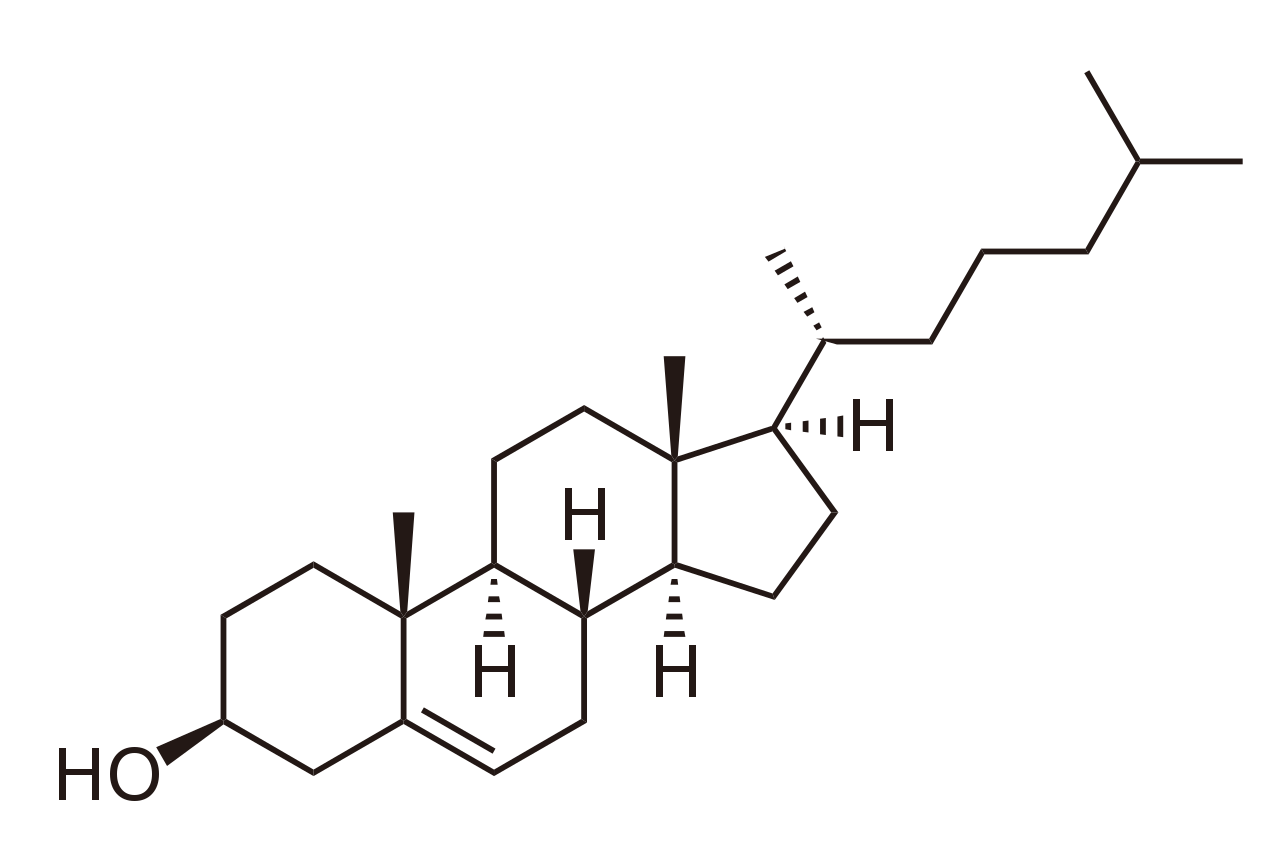
Cholesterol is a complex molecule that plays a crucial role in various bodily functions, including the maintenance of healthy cell membranes and the production of steroid hormones. It is found in all animals and is an essential component of human biology. The Cholesterol Structure is composed of a steroid nucleus and a hydroxyl group. Cholesterol is also a key component of Lipoproteins, which are responsible for transporting cholesterol and other lipids throughout the body.
What are the risks of high cholesterol?
High cholesterol is a major risk factor for cardiovascular disease, which is responsible for over 17.9 million deaths worldwide each year. Excessive levels of cholesterol can lead to the formation of plaques in the arteries, increasing the risk of heart attack and stroke. The Cholesterol Risk Factors include high blood pressure, diabetes, and obesity. Additionally, high cholesterol can also increase the risk of Peripheral Artery Disease and Kidney Disease.
How can I lower my cholesterol levels?
Lowering cholesterol levels can be achieved through a combination of lifestyle modifications and evidence-based treatment. The Dietary Guidelines for Americans recommend limiting daily dietary cholesterol intake to less than 300 milligrams and emphasizing a heart-healthy diet that includes fruits, vegetables, whole grains, and lean protein sources. Regular exercise, such as Aerobic Exercise, and smoking cessation can also help to lower cholesterol levels. Additionally, Cholesterol-Lowering Medication may be prescribed by a healthcare professional to help manage high cholesterol.
What are the different types of cholesterol?
There are several types of cholesterol, including LDL (low-density lipoprotein) and HDL (high-density lipoprotein). LDL cholesterol is often referred to as 'bad' cholesterol, as high levels can increase the risk of cardiovascular disease. HDL cholesterol, on the other hand, is often referred to as 'good' cholesterol, as high levels can help to remove excess cholesterol from the bloodstream. The Cholesterol Types also include Very Low-Density Lipoprotein (VLDL) and Intermediate-Density Lipoprotein (IDL).
What are the symptoms of high cholesterol?
High cholesterol often does not produce any symptoms, making it a silent killer. However, individuals with high cholesterol may experience symptoms such as chest pain, shortness of breath, and fatigue. The Cholesterol Symptoms can also include Leg Pain and Numbness in the legs and feet. If left untreated, high cholesterol can lead to serious health complications, including heart attack and stroke.
How is cholesterol measured?
Cholesterol is typically measured using a lipid profile test, which provides information on LDL, HDL, and triglycerides. The Cholesterol Measurement process involves a blood test, and the results are usually reported in milligrams per deciliter (mg/dL). The Cholesterol Reference Range is used to determine whether an individual's cholesterol levels are within a healthy range.
What are the treatment options for high cholesterol?
Treatment options for high cholesterol include lifestyle modifications, such as dietary changes and regular exercise, and evidence-based treatment, such as statins and PCSK9 inhibitors. The Cholesterol Treatment Options also include Bile Acid Sequestrants and Fibrates. The goal of treatment is to lower cholesterol levels and reduce the risk of cardiovascular disease. The Cholesterol Management Plan should be individualized to meet the specific needs of each patient.