
Contents
- 🔍 Introduction to Aluminum
- 💡 Physical Properties of Aluminum
- 🌎 Abundance and Isotopes of Aluminum
- 🔬 Chemical Properties of Aluminum
- 💡 Applications of Aluminum
- 🚀 Aluminum in Aerospace
- 🚗 Aluminum in Transportation
- 💻 Aluminum in Electronics
- 🏭 Aluminum Production and Recycling
- 📊 Economic Impact of Aluminum
- 🌟 Future of Aluminum
- Frequently Asked Questions
- Related Topics
Overview
Aluminum, with its high strength-to-weight ratio and corrosion resistance, has become a ubiquitous material in modern industry, used in everything from aircraft to beverage cans. However, its extraction and processing have significant environmental impacts, including deforestation and greenhouse gas emissions. The aluminum industry is a significant contributor to global energy consumption, with the production of primary aluminum requiring approximately 15 megawatt-hours of electricity per ton. Despite these challenges, researchers are exploring new, more sustainable methods for producing aluminum, such as using renewable energy sources and developing more efficient recycling technologies. As the world's demand for aluminum continues to grow, driven by the increasing use of electric vehicles and renewable energy systems, the metal's impact on the environment will only continue to grow. With a vibe score of 7.2, aluminum is a topic of significant cultural and economic importance, with influence flows connecting it to major industries such as aerospace, automotive, and construction.
🔍 Introduction to Aluminum
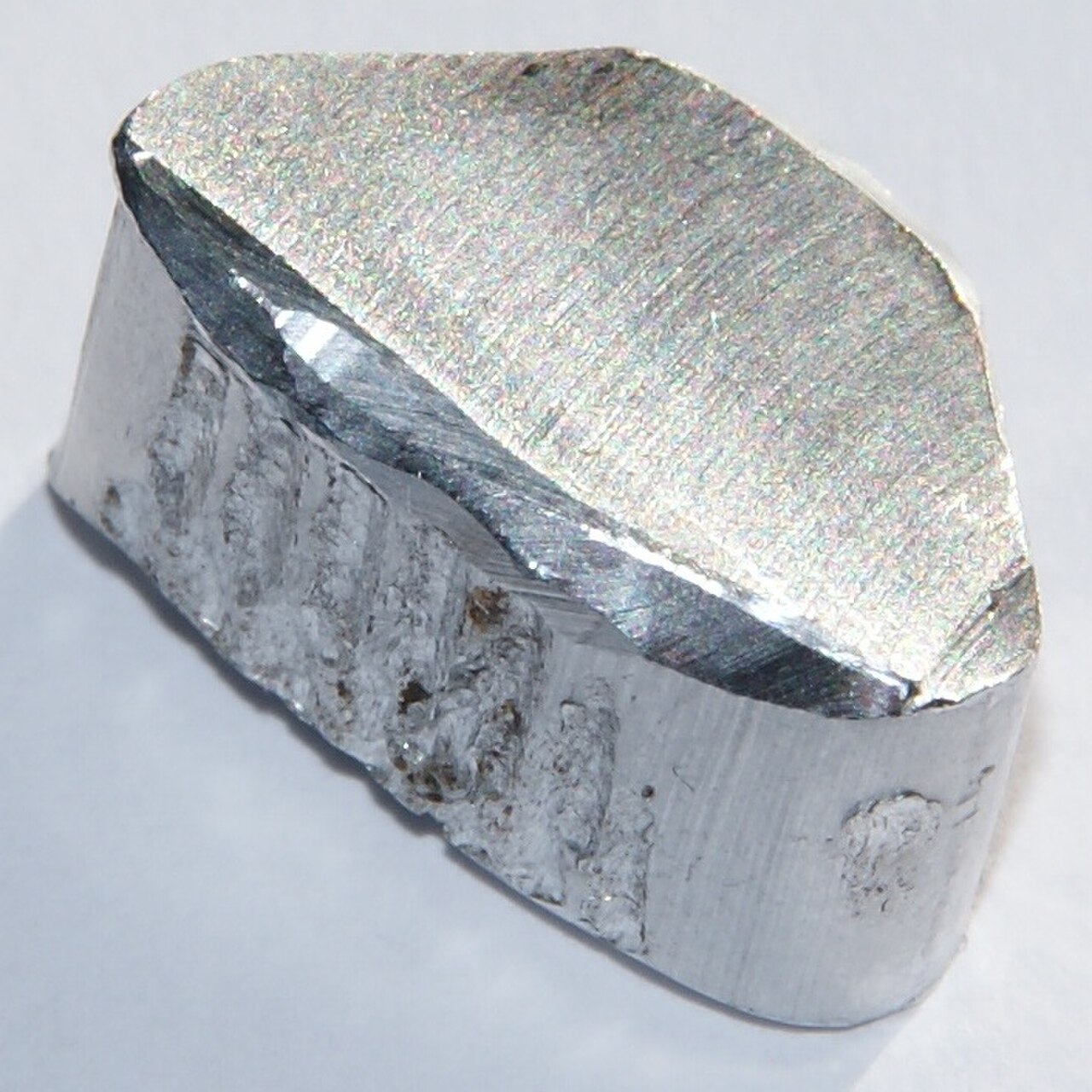
Aluminum, also known as aluminium, is a chemical element with the symbol Al and atomic number 13. It is a metal that has a density lower than other common metals, about one-third that of Steel. Aluminum has a great affinity toward oxygen, forming a protective layer of oxide on the surface when exposed to air. This property makes it resistant to corrosion, which is why it is often used in Construction and Packaging. Aluminum visually resembles Silver, both in its color and in its great ability to reflect light. It is soft, nonmagnetic, and ductile, making it a versatile metal for various applications.
💡 Physical Properties of Aluminum
The physical properties of aluminum make it an ideal material for many industries. Its low density and high strength-to-weight ratio make it perfect for Aerospace and Automotive applications. Aluminum is also an excellent conductor of heat and electricity, which is why it is often used in Electronics and Energy production. Its high reflectivity also makes it useful for Lighting and Optics. Aluminum can be alloyed with other metals to improve its properties, such as Copper and Zinc.
🌎 Abundance and Isotopes of Aluminum
Aluminum is the 12th-most abundant element in the universe, with only one stable isotope, 27Al. This isotope is highly abundant, making up about 99.9% of all aluminum found in nature. The radioactivity of 26Al leads to it being used in Radiometric Dating. Aluminum is also found in many minerals, such as Bauxite and Corundum. The abundance of aluminum in the Earth's crust is about 8%, making it one of the most common elements. Aluminum is also found in small amounts in Water and Air.
🔬 Chemical Properties of Aluminum
The chemical properties of aluminum are unique and make it a useful metal for many applications. Aluminum has a high reactivity with oxygen, which forms a protective layer of oxide on the surface. This layer prevents the metal from corroding and makes it resistant to Acids and Bases. Aluminum is also highly reactive with Halogens, such as Chlorine and Fluorine. The chemical properties of aluminum make it useful for Catalysis and Adsorption applications.
💡 Applications of Aluminum
The applications of aluminum are diverse and widespread. It is used in Transportation, Construction, Packaging, and Electronics. Aluminum is also used in Aerospace and Defense applications. The metal is also used in Medical applications, such as Implants and Surgical Instruments. The unique properties of aluminum make it an ideal material for many industries. Aluminum is also used in Renewable Energy applications, such as Solar Panels and Wind Turbines.
🚀 Aluminum in Aerospace
Aluminum is widely used in the Aerospace industry due to its high strength-to-weight ratio and resistance to corrosion. The metal is used in Aircraft and Spacecraft construction, as well as in Missiles and Satellites. Aluminum is also used in Rockets and Jet Engines. The use of aluminum in aerospace applications has led to significant advancements in Space Exploration. Aluminum is also used in Helicopters and Drones.
🚗 Aluminum in Transportation
Aluminum is also widely used in the Automotive industry. The metal is used in Car Bodies and Engine Blocks. Aluminum is also used in Transmissions and Suspension Systems. The use of aluminum in automotive applications has led to significant improvements in Fuel Efficiency and Emissions. Aluminum is also used in Electric Vehicles and Hybrid Vehicles.
💻 Aluminum in Electronics
Aluminum is used in Electronics due to its high conductivity and resistance to corrosion. The metal is used in Printed Circuit Boards and Connectors. Aluminum is also used in Heat Sinks and Radiators. The use of aluminum in electronics has led to significant advancements in Computer Hardware and Mobile Devices. Aluminum is also used in Telecommunications and Networking applications.
🏭 Aluminum Production and Recycling
The production and recycling of aluminum are important aspects of the metal's life cycle. Aluminum is produced through the Hall-Heroult Process, which involves the electrolysis of Aluminum Oxide. The metal is also recycled through a process known as Aluminum Recycling. The recycling of aluminum has significant environmental benefits, including the reduction of Greenhouse Gas Emissions and the conservation of Energy. Aluminum is also recycled through Scrap Melting and Refining.
📊 Economic Impact of Aluminum
The economic impact of aluminum is significant, with the metal being used in a wide range of industries. The global aluminum market is valued at over $150 billion, with the metal being used in Construction, Transportation, and Electronics. The production and recycling of aluminum also have significant economic benefits, including the creation of Jobs and the generation of Revenue. Aluminum is also used in Trade and Commerce applications.
🌟 Future of Aluminum
The future of aluminum is promising, with the metal being used in a wide range of emerging technologies. Aluminum is being used in Renewable Energy applications, such as Solar Panels and Wind Turbines. The metal is also being used in Electric Vehicles and Autonomous Vehicles. The use of aluminum in these applications is expected to drive significant growth in the global aluminum market. Aluminum is also being used in Advanced Materials and Nanotechnology applications.
Key Facts
- Year
- 1825
- Origin
- Denmark
- Category
- Materials Science
- Type
- Chemical Element
Frequently Asked Questions
What is the symbol for aluminum?
The symbol for aluminum is Al, and it has an atomic number of 13. Aluminum is a chemical element that is widely used in many industries, including Construction, Transportation, and Electronics. The metal is also used in Aerospace and Defense applications. Aluminum is a versatile metal that has a wide range of properties, including high strength, low density, and high conductivity.
What are the physical properties of aluminum?
Aluminum has a density of about 2.7 g/cm3, which is lower than other common metals. It has a melting point of about 660°C and a boiling point of about 2470°C. Aluminum is also highly conductive, with a thermal conductivity of about 237 W/m-K. The metal is also highly reflective, with a reflectivity of about 80%. Aluminum is a soft, nonmagnetic, and ductile metal that can be alloyed with other metals to improve its properties.
What are the chemical properties of aluminum?
Aluminum has a high reactivity with oxygen, which forms a protective layer of oxide on the surface. This layer prevents the metal from corroding and makes it resistant to Acids and Bases. Aluminum is also highly reactive with Halogens, such as Chlorine and Fluorine. The metal is also highly conductive, with a high affinity for electrons. Aluminum is a versatile metal that can be used in a wide range of chemical reactions and applications.
What are the applications of aluminum?
Aluminum is used in a wide range of industries, including Construction, Transportation, Packaging, and Electronics. The metal is also used in Aerospace and Defense applications. Aluminum is a versatile metal that has a wide range of properties, including high strength, low density, and high conductivity. The metal is also highly reflective, with a reflectivity of about 80%. Aluminum is used in Renewable Energy applications, such as Solar Panels and Wind Turbines.
What is the future of aluminum?
The future of aluminum is promising, with the metal being used in a wide range of emerging technologies. Aluminum is being used in Renewable Energy applications, such as Solar Panels and Wind Turbines. The metal is also being used in Electric Vehicles and Autonomous Vehicles. The use of aluminum in these applications is expected to drive significant growth in the global aluminum market. Aluminum is also being used in Advanced Materials and Nanotechnology applications.
How is aluminum produced?
Aluminum is produced through the Hall-Heroult Process, which involves the electrolysis of Aluminum Oxide. The metal is also recycled through a process known as Aluminum Recycling. The recycling of aluminum has significant environmental benefits, including the reduction of Greenhouse Gas Emissions and the conservation of Energy. Aluminum is also recycled through Scrap Melting and Refining.
What are the economic benefits of aluminum?
The economic benefits of aluminum are significant, with the metal being used in a wide range of industries. The global aluminum market is valued at over $150 billion, with the metal being used in Construction, Transportation, and Electronics. The production and recycling of aluminum also have significant economic benefits, including the creation of Jobs and the generation of Revenue. Aluminum is also used in Trade and Commerce applications.