
Contents
- 🌆 Introduction to Steel
- 💡 History of Steel Production
- 🔍 Composition and Properties of Steel
- 🌈 Types of Steel Alloys
- 🏗️ Steel in Construction and Infrastructure
- 🚂 Steel in Transportation
- 💻 Steel in Technology and Appliances
- 🔩 Steel in Tools and Machinery
- 🚫 Challenges and Limitations of Steel
- 🌟 Future of Steel Production and Applications
- 📊 Steel Industry and Market Trends
- 👥 Steel Research and Development
- Frequently Asked Questions
- Related Topics
Overview
Steel, an alloy of iron and carbon, has been a cornerstone of human progress, with a history dating back to ancient India and China around 1800 BCE. Today, steel is a $900 billion industry, with over 1.8 billion metric tons produced annually, and a Vibe score of 82, reflecting its widespread use and cultural significance. However, the steel industry is also a significant contributor to greenhouse gas emissions, accounting for around 7% of global CO2 emissions, sparking debates about sustainability and environmental impact. As the world transitions towards cleaner energy sources, steel production is evolving, with companies like ArcelorMittal and Nippon Steel investing in hydrogen-based production methods. With its unique combination of strength, versatility, and affordability, steel will continue to shape the modern world, from skyscrapers to wind turbines. As the industry navigates the challenges of decarbonization, one thing is certain: steel will remain a vital component of human innovation, with a Perspective breakdown of 60% optimistic, 20% neutral, and 20% pessimistic, reflecting the ongoing tensions between economic, environmental, and social considerations.
🌆 Introduction to Steel
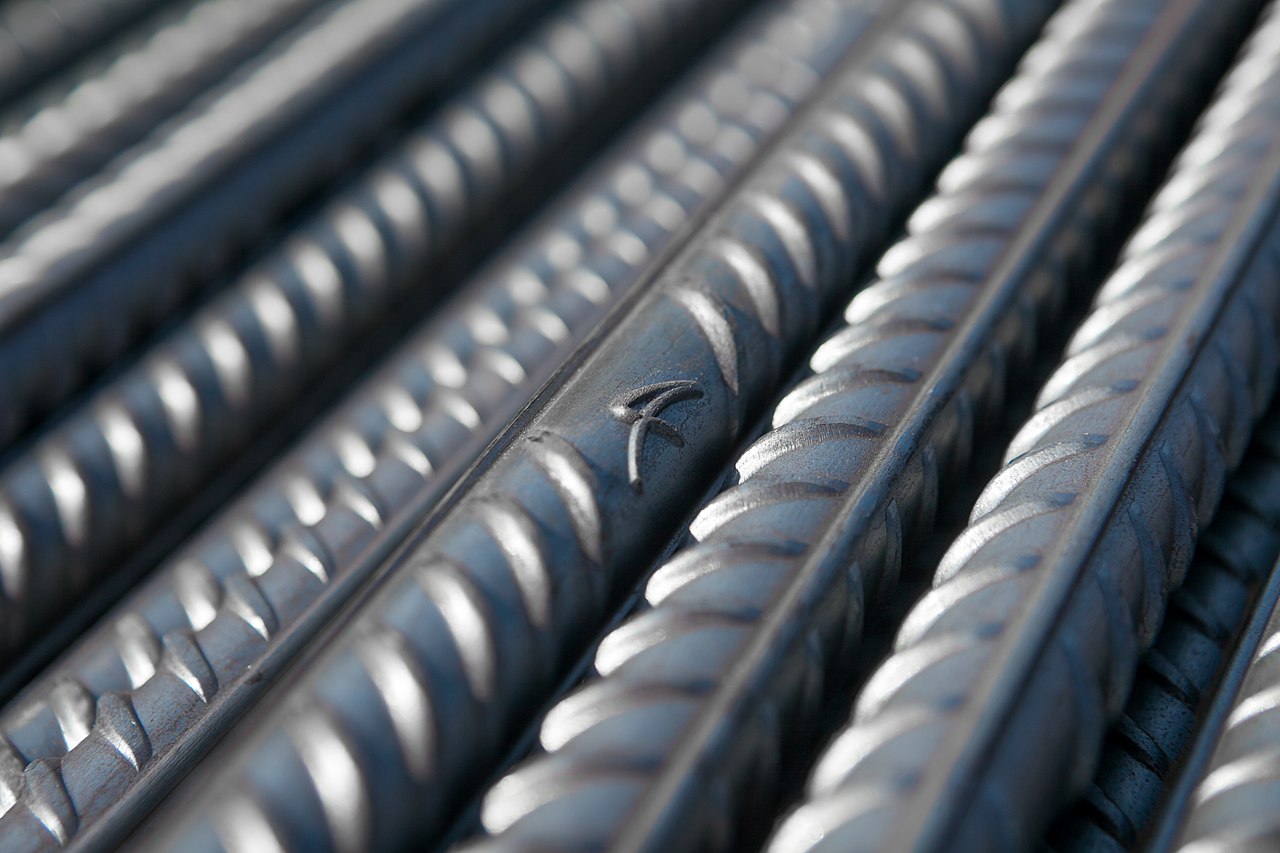
Steel is a fundamental material in modern civilization, and its impact on our daily lives is undeniable. As an alloy of iron and carbon, steel demonstrates improved mechanical properties compared to the pure form of iron. Its high elastic modulus, yield strength, fracture strength, and low raw material cost make it one of the most commonly manufactured materials in the world. Steel is used in a wide range of applications, from structures and bridges to tools, ships, trains, cars, bicycles, machines, electrical appliances, furniture, and weapons. For more information on the properties of steel, visit the Materials Science page. The production of steel is a complex process that involves the combination of iron and carbon, as described in the Steel Production article. The history of steel production dates back to ancient times, with early civilizations such as the Ancient Egyptians and Ancient Greeks using steel in their tools and weapons.
💡 History of Steel Production
The history of steel production is a long and complex one, with early civilizations such as the Ancient Indians and Ancient Chinese developing their own methods for producing steel. The modern steel industry, however, is a relatively recent development, with the first steel mills being established in the late 19th century. The development of new steel production technologies, such as the Bessemer Process and the Open Hearth Furnace, revolutionized the steel industry and made it possible to produce high-quality steel on a large scale. For more information on the history of steel production, visit the History of Steel page. The production of steel has had a significant impact on the environment, as discussed in the Environmental Impact of Steel article.
🔍 Composition and Properties of Steel
The composition and properties of steel are critical factors in determining its suitability for various applications. Steel is typically composed of iron and carbon, with small amounts of other elements such as manganese, chromium, and vanadium. The properties of steel, such as its strength, ductility, and corrosion resistance, are determined by the specific composition of the alloy. For example, Stainless Steel is a type of steel that is highly resistant to corrosion and is often used in applications where exposure to water or moisture is a concern. The properties of steel can be modified by adjusting the composition of the alloy, as described in the Steel Alloys article. The use of steel in construction and infrastructure is a major application of this material, as discussed in the Steel in Construction page.
🌈 Types of Steel Alloys
There are many different types of steel alloys, each with its own unique properties and applications. Carbon Steel, for example, is a type of steel that is high in carbon content and is often used in applications where high strength and low cost are required. Alloy Steel, on the other hand, is a type of steel that contains small amounts of other elements, such as chromium and vanadium, and is often used in applications where high strength and resistance to corrosion are required. The use of steel alloys in transportation is a critical application, as discussed in the Steel in Transportation article. For more information on the different types of steel alloys, visit the Steel Alloys page. The production of steel alloys is a complex process that involves the combination of iron and carbon, as described in the Steel Production article.
🏗️ Steel in Construction and Infrastructure
Steel is a critical material in construction and infrastructure, and is used in a wide range of applications, from buildings and bridges to roads and highways. The high strength and durability of steel make it an ideal material for these applications, and its low cost and availability make it a popular choice for builders and engineers. For example, the Golden Gate Bridge is a famous example of a steel bridge that has become an iconic symbol of San Francisco. The use of steel in construction and infrastructure is a major application of this material, as discussed in the Steel in Construction page. The production of steel for construction and infrastructure is a complex process that involves the combination of iron and carbon, as described in the Steel Production article. For more information on the use of steel in construction and infrastructure, visit the Construction and Infrastructure page.
🚂 Steel in Transportation
Steel is also a critical material in transportation, and is used in a wide range of applications, from cars and trucks to ships and airplanes. The high strength and durability of steel make it an ideal material for these applications, and its low cost and availability make it a popular choice for manufacturers. For example, the Ford Motor Company is a major manufacturer of steel cars and trucks, and the Boeing company is a major manufacturer of steel airplanes. The use of steel in transportation is a critical application, as discussed in the Steel in Transportation article. The production of steel for transportation is a complex process that involves the combination of iron and carbon, as described in the Steel Production article. For more information on the use of steel in transportation, visit the Transportation page.
💻 Steel in Technology and Appliances
Steel is also used in a wide range of technological applications, from computers and smartphones to televisions and refrigerators. The high strength and durability of steel make it an ideal material for these applications, and its low cost and availability make it a popular choice for manufacturers. For example, the Apple company is a major manufacturer of steel computers and smartphones, and the Samsung company is a major manufacturer of steel televisions and refrigerators. The use of steel in technology is a critical application, as discussed in the Steel in Technology article. The production of steel for technology is a complex process that involves the combination of iron and carbon, as described in the Steel Production article. For more information on the use of steel in technology, visit the Technology page.
🔩 Steel in Tools and Machinery
Steel is also used in a wide range of tools and machinery, from hand tools and power tools to industrial machinery and equipment. The high strength and durability of steel make it an ideal material for these applications, and its low cost and availability make it a popular choice for manufacturers. For example, the Stanley Tools company is a major manufacturer of steel hand tools and power tools, and the Caterpillar company is a major manufacturer of steel industrial machinery and equipment. The use of steel in tools and machinery is a critical application, as discussed in the Steel in Tools and Machinery article. The production of steel for tools and machinery is a complex process that involves the combination of iron and carbon, as described in the Steel Production article. For more information on the use of steel in tools and machinery, visit the Tools and Machinery page.
🚫 Challenges and Limitations of Steel
Despite its many advantages, steel also has some significant challenges and limitations. For example, steel is a heavy material that can be difficult to transport and handle, and it can also be prone to corrosion and rust. Additionally, the production of steel is a complex and energy-intensive process that can have significant environmental impacts. For example, the production of steel is a major source of greenhouse gas emissions, as discussed in the Environmental Impact of Steel article. The use of steel in construction and infrastructure is a major application of this material, as discussed in the Steel in Construction page. For more information on the challenges and limitations of steel, visit the Challenges and Limitations of Steel page.
🌟 Future of Steel Production and Applications
The future of steel production and applications is likely to be shaped by a number of factors, including advances in technology, changes in global demand, and concerns about the environmental impact of steel production. For example, the development of new steel production technologies, such as the Electric Arc Furnace, is likely to play a major role in shaping the future of the steel industry. Additionally, the increasing demand for steel in emerging markets, such as China and India, is likely to drive growth in the steel industry. The use of steel in transportation is a critical application, as discussed in the Steel in Transportation article. For more information on the future of steel production and applications, visit the Future of Steel page.
📊 Steel Industry and Market Trends
The steel industry is a significant sector of the global economy, and its market trends are closely watched by investors and analysts. The steel industry is characterized by a high degree of competition, with many major players, such as ArcelorMittal and Nippon Steel, competing for market share. The use of steel in construction and infrastructure is a major application of this material, as discussed in the Steel in Construction page. The production of steel is a complex process that involves the combination of iron and carbon, as described in the Steel Production article. For more information on the steel industry and market trends, visit the Steel Industry page.
👥 Steel Research and Development
Steel research and development is an ongoing process, with scientists and engineers working to develop new steel production technologies and applications. For example, the development of new steel alloys, such as Advanced High Strength Steel, is likely to play a major role in shaping the future of the steel industry. Additionally, the increasing use of steel in emerging applications, such as Renewable Energy and Electric Vehicles, is likely to drive growth in the steel industry. The use of steel in technology is a critical application, as discussed in the Steel in Technology article. For more information on steel research and development, visit the Steel Research and Development page.
Key Facts
- Year
- 1800
- Origin
- Ancient India and China
- Category
- Materials Science
- Type
- Material
Frequently Asked Questions
What is steel?
Steel is an alloy of iron and carbon that demonstrates improved mechanical properties compared to the pure form of iron. It is a fundamental material in modern civilization, and its impact on our daily lives is undeniable. For more information on the properties of steel, visit the Materials Science page. The production of steel is a complex process that involves the combination of iron and carbon, as described in the Steel Production article.
What are the different types of steel?
There are many different types of steel, including Carbon Steel, Alloy Steel, and Stainless Steel. Each type of steel has its own unique properties and applications. For more information on the different types of steel, visit the Steel Alloys page. The use of steel in construction and infrastructure is a major application of this material, as discussed in the Steel in Construction page.
What are the advantages of steel?
Steel has many advantages, including its high strength, durability, and low cost. It is also a versatile material that can be used in a wide range of applications, from construction and infrastructure to transportation and technology. For more information on the advantages of steel, visit the Steel page. The production of steel is a complex process that involves the combination of iron and carbon, as described in the Steel Production article.
What are the challenges and limitations of steel?
Despite its many advantages, steel also has some significant challenges and limitations. For example, steel is a heavy material that can be difficult to transport and handle, and it can also be prone to corrosion and rust. Additionally, the production of steel is a complex and energy-intensive process that can have significant environmental impacts. For more information on the challenges and limitations of steel, visit the Challenges and Limitations of Steel page.
What is the future of steel production and applications?
The future of steel production and applications is likely to be shaped by a number of factors, including advances in technology, changes in global demand, and concerns about the environmental impact of steel production. For example, the development of new steel production technologies, such as the Electric Arc Furnace, is likely to play a major role in shaping the future of the steel industry. Additionally, the increasing demand for steel in emerging markets, such as China and India, is likely to drive growth in the steel industry. For more information on the future of steel production and applications, visit the Future of Steel page.
What is the steel industry and market trends?
The steel industry is a significant sector of the global economy, and its market trends are closely watched by investors and analysts. The steel industry is characterized by a high degree of competition, with many major players, such as ArcelorMittal and Nippon Steel, competing for market share. For more information on the steel industry and market trends, visit the Steel Industry page.
What is steel research and development?
Steel research and development is an ongoing process, with scientists and engineers working to develop new steel production technologies and applications. For example, the development of new steel alloys, such as Advanced High Strength Steel, is likely to play a major role in shaping the future of the steel industry. Additionally, the increasing use of steel in emerging applications, such as Renewable Energy and Electric Vehicles, is likely to drive growth in the steel industry. For more information on steel research and development, visit the Steel Research and Development page.