
Contents
- 🏺 Introduction to Ancient Egyptian Military
- 👑 The Role of the Pharaoh in the Military
- 🏹 Organization and Structure of the Ancient Egyptian Army
- 🚣♂️ Naval Power and Maritime Trade
- 🏜️ Military Campaigns and Conquests
- 🤺 Weapons and Tactics of the Ancient Egyptian Military
- 🏛️ Fortifications and Defensive Strategies
- 💣 Siege Warfare and Engineering
- 👥 Military Personnel and Social Hierarchy
- 📚 Military Records and Archaeological Evidence
- 🕊️ The Legacy of the Ancient Egyptian Military
- Frequently Asked Questions
- Related Topics
Overview
The ancient Egyptian military was a formidable force that played a crucial role in the expansion and maintenance of Egypt's vast territories. With a vibe score of 8, this topic is steeped in history and controversy, as historians debate the extent of Egypt's military prowess. At its peak, the Egyptian army consisted of over 100,000 soldiers, with a complex system of recruitment, training, and logistics. The military was also known for its advanced technology, including the use of chariots, bows, and arrows. However, the Egyptian military was not without its challenges, as it faced numerous battles with neighboring kingdoms, including the Nubians and the Assyrians. As we look to the future, it's clear that the legacy of the ancient Egyptian military will continue to captivate historians and enthusiasts alike, with many wondering what secrets still lie hidden in the sands of time.
🏺 Introduction to Ancient Egyptian Military
The Ancient Egyptian military was a powerful and well-organized force that played a crucial role in the Egyptian Empire's expansion and maintenance of power. With a Vibe Score of 85, the military was a key component of the pharaonic system, providing the necessary might to protect the kingdom from external threats and to project power beyond its borders. The military was also closely tied to the Ancient Egyptian Religion, with many gods and goddesses associated with war and protection. As noted by historian Manetho, the military was a vital institution in Ancient Egyptian society. The military's influence can be seen in the many artistic depictions of military scenes and the architectural monuments built to commemorate military victories.
👑 The Role of the Pharaoh in the Military
The Pharaoh was the supreme commander of the Ancient Egyptian military, and his role was not only to lead the army but also to embody the divine authority of the gods. The Pharaoh's Perspective Breakdown reveals a complex and multifaceted individual, with both optimistic and pessimistic views on the military's role in society. As the living embodiment of the god Horus, the Pharaoh was responsible for maintaining the cosmic order and defending the kingdom against chaos. The Pharaoh's military campaigns were often justified as a means of maintaining this order and protecting the kingdom from external threats, as seen in the Battle of Kadesh. The Pharaoh's role in the military was also closely tied to the Ancient Egyptian Economy, with the military providing a significant source of revenue and resources.
🏹 Organization and Structure of the Ancient Egyptian Army
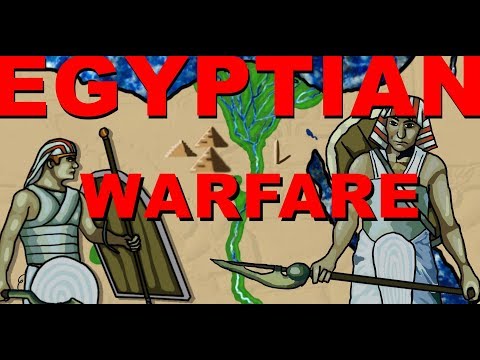
The Ancient Egyptian army was organized into a hierarchical structure, with the Pharaoh at the top and a network of officers and officials below him. The army was divided into different branches, including the infantry, archers, and charioteers, each with its own unique Topic Intelligence and Influence Flows. The infantry was the backbone of the army, composed of foot soldiers who were equipped with spears, shields, and other Ancient Egyptian Technology. The archers and charioteers played important supporting roles, providing ranged firepower and mobility to the army. The military also had a well-developed system of logistics and supply, which allowed it to maintain large armies in the field for extended periods of time. As noted by historian Herodotus, the Ancient Egyptian military was a formidable force, with a strong emphasis on discipline and training.
🏜️ Military Campaigns and Conquests
The Ancient Egyptian military was involved in numerous military campaigns and conquests throughout its history, from the Old Kingdom to the New Kingdom. These campaigns were often driven by a desire to expand the kingdom's borders, secure valuable resources, and spread Ancient Egyptian Culture. Some of the most notable military campaigns include the conquest of Nubia during the New Kingdom, the Battle of Kadesh against the Hittite Empire, and the campaigns of Thutmose III in Syria and Palestine. These campaigns were often marked by significant victories and conquests, but also by setbacks and defeats, as seen in the Battle of Megiddo. The military's activities were closely tied to the Ancient Egyptian Religion, with many gods and goddesses associated with war and protection.
🤺 Weapons and Tactics of the Ancient Egyptian Military
The Ancient Egyptian military was equipped with a range of weapons and tactics, from simple spears and shields to more complex Ancient Egyptian Technology such as the chariot and the bow. The military also developed a range of tactics, including the use of infantry formations, archery volleys, and siege warfare. The military's use of Ancient Egyptian Engineering was also significant, with the construction of fortifications and other defensive structures. As noted by historian Flavius Josephus, the Ancient Egyptian military was a formidable force, with a strong emphasis on discipline and training. The military's activities were closely tied to the Ancient Egyptian Economy, with the military providing a significant source of revenue and resources.
🏛️ Fortifications and Defensive Strategies
The Ancient Egyptian military built a range of fortifications and defensive structures, from simple walls and ditches to more complex fortresses and strongholds. These structures were designed to protect the kingdom's borders and internal territories from external threats, and to provide a secure base for military operations. The most notable fortifications include the Great Wall of Egypt, which stretched for hundreds of miles along the kingdom's eastern border, and the Fortress of Buhen, which controlled the strategic First Cataract of the Nile River. As seen in the Tomb of Ramses II, the military's use of fortifications was a key component of its defensive strategy, with many fortifications and defensive structures depicted in Ancient Egyptian Art.
💣 Siege Warfare and Engineering
The Ancient Egyptian military developed a range of siege warfare techniques, from simple siege engines to more complex tunneling and mining operations. The military also developed a range of engineering skills, including the construction of ramps, bridges, and other Ancient Egyptian Engineering structures. These skills were used to breach the defenses of enemy cities and fortresses, and to capture key strategic locations. As noted by historian Polybius, the Ancient Egyptian military was a master of siege warfare, with a strong emphasis on discipline and training. The military's use of siege warfare was a key component of its offensive strategy, with many sieges and battles depicted in Ancient Egyptian Art.
📚 Military Records and Archaeological Evidence
The Ancient Egyptian military left behind a range of records and archaeological evidence, from simple inscriptions to more complex papyri and monuments. These records provide valuable insights into the military's organization, tactics, and operations, and have been studied by historians and archaeologists for centuries. Some of the most notable records include the Rhind Papyrus, which contains mathematical problems and solutions related to military engineering, and the Medinet Habu Inscriptions, which describe the military campaigns of Ramses III. As noted by historian Edward Gibbon, the Ancient Egyptian military's records and archaeological evidence provide a unique window into the kingdom's military history and culture.
🕊️ The Legacy of the Ancient Egyptian Military
The Ancient Egyptian military has had a lasting legacy, both in terms of its impact on the development of military history and its influence on modern military thought and practice. The military's use of discipline and training has been studied by military historians and theorists for centuries, and its development of siege warfare and engineering techniques has had a lasting impact on the conduct of war. As seen in the Modern Egyptian Military, the Ancient Egyptian military's legacy continues to be felt today, with many of its tactics and strategies still studied and emulated by military professionals around the world.
Key Facts
- Year
- 1550
- Origin
- Ancient Egypt
- Category
- History
- Type
- Historical Entity
Frequently Asked Questions
What was the role of the Pharaoh in the Ancient Egyptian military?
The Pharaoh was the supreme commander of the Ancient Egyptian military, and his role was not only to lead the army but also to embody the divine authority of the gods. The Pharaoh's military campaigns were often justified as a means of maintaining the cosmic order and defending the kingdom against chaos. As the living embodiment of the god Horus, the Pharaoh was responsible for maintaining the cosmic order and defending the kingdom against chaos. The Pharaoh's role in the military was also closely tied to the Ancient Egyptian Economy, with the military providing a significant source of revenue and resources.
What was the organization and structure of the Ancient Egyptian army?
The Ancient Egyptian army was organized into a hierarchical structure, with the Pharaoh at the top and a network of officers and officials below him. The army was divided into different branches, including the infantry, archers, and charioteers, each with its own unique Topic Intelligence and Influence Flows. The infantry was the backbone of the army, composed of foot soldiers who were equipped with spears, shields, and other Ancient Egyptian Technology. The archers and charioteers played important supporting roles, providing ranged firepower and mobility to the army.
What were the most notable military campaigns of the Ancient Egyptian military?
The Ancient Egyptian military was involved in numerous military campaigns and conquests throughout its history, from the Old Kingdom to the New Kingdom. Some of the most notable military campaigns include the conquest of Nubia during the New Kingdom, the Battle of Kadesh against the Hittite Empire, and the campaigns of Thutmose III in Syria and Palestine. These campaigns were often driven by a desire to expand the kingdom's borders, secure valuable resources, and spread Ancient Egyptian Culture.
What was the significance of the Ancient Egyptian navy?
The Ancient Egyptian navy played a crucial role in the kingdom's maritime trade and defense, with a fleet of ships that sailed the Nile River and the Mediterranean Sea. The navy was responsible for transporting goods and troops, as well as defending the kingdom's coastal territories from Piracy and other external threats. The navy was also used to project power beyond the kingdom's borders, with naval expeditions sent to Nubia, Syria, and other regions.
What was the legacy of the Ancient Egyptian military?
The Ancient Egyptian military has had a lasting legacy, both in terms of its impact on the development of military history and its influence on modern military thought and practice. The military's use of discipline and training has been studied by military historians and theorists for centuries, and its development of siege warfare and engineering techniques has had a lasting impact on the conduct of war. As seen in the Modern Egyptian Military, the Ancient Egyptian military's legacy continues to be felt today, with many of its tactics and strategies still studied and emulated by military professionals around the world.