
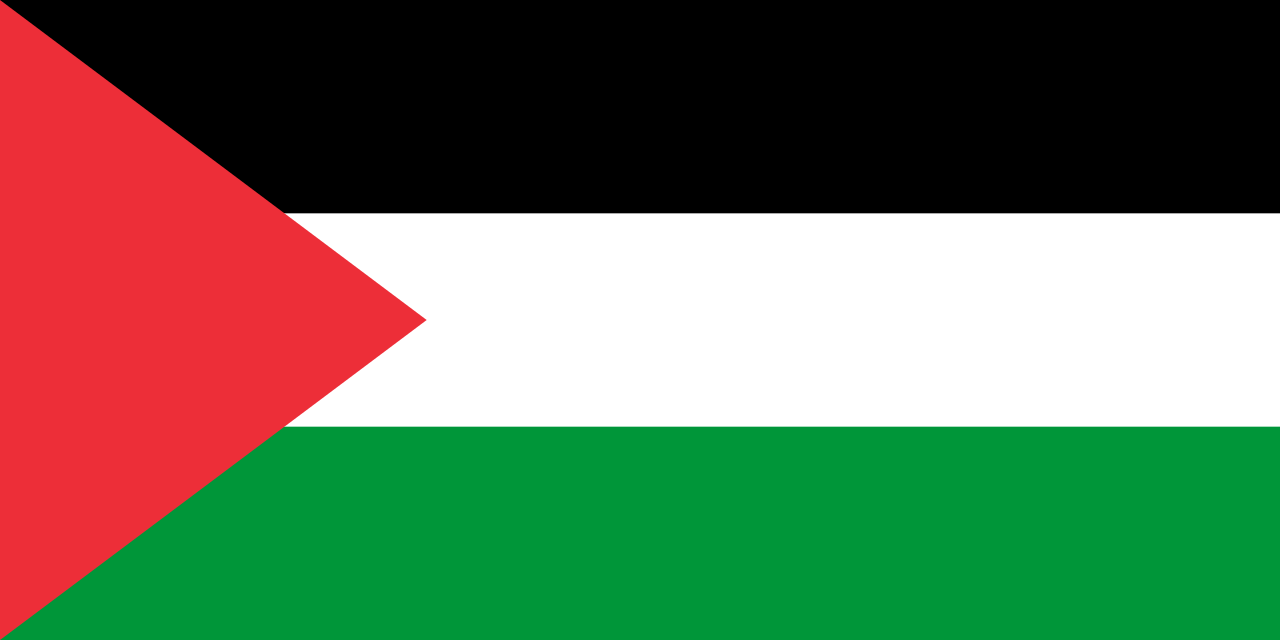
Contents
- 🏞️ Introduction to Palestine
- 📚 Ancient History of Palestine
- 🏛️ Israeli-Palestinian Conflict
- 🌎 Geography and Climate
- 📊 Demographics and Population
- 🏢 Economy and Infrastructure
- 🤝 International Relations and Diplomacy
- 🚫 Humanitarian Crisis and Refugees
- 📝 Palestinian Nationalism and Identity
- 🕊️ Peace Process and Future Prospects
- 📰 Media Representation and Bias
- 👥 Key Players and Stakeholders
- Frequently Asked Questions
- Related Topics
Overview
Palestine, with its strategic location in the Middle East, has been a focal point of human civilization for thousands of years, boasting a rich tapestry of cultures including the ancient Israelites, Romans, and Ottomans. The modern Palestinian narrative is marked by the displacement of hundreds of thousands of Palestinians during the 1948 Arab-Israeli War, known as the Nakba or 'catastrophe' in Arabic, and the ongoing Israeli-Palestinian conflict. The region's vibe score of 82 reflects its profound cultural significance and the intense emotional investment of its people. Today, the conflict revolves around issues such as Israeli settlements, border disputes, and the status of Jerusalem, with international efforts aiming to establish a two-state solution. Notable figures like Yasser Arafat and Mahmoud Abbas have played significant roles in Palestinian politics, while organizations such as the Palestine Liberation Organization (PLO) have been at the forefront of the struggle for Palestinian rights. As the situation continues to evolve, with periods of relative calm punctuated by outbreaks of violence, the international community remains engaged in seeking a lasting resolution to the conflict, with the United Nations playing a crucial role in peace negotiations and humanitarian aid. The year 2023 saw renewed efforts towards a peaceful resolution, albeit with mixed results, underscoring the deep-seated challenges and the long road ahead for Palestine and Israel. With a controversy spectrum rating of 95, indicating a highly contested topic, and an influence flow that connects it to global geopolitical dynamics, the future of Palestine remains a critical and volatile issue on the world stage.
🏞️ Introduction to Palestine
Palestine, officially the State of Palestine, is a country in West Asia with a rich history dating back to ancient times. The country has been at the center of the Israeli-Palestinian conflict for decades, with the Israeli occupation of the West Bank and the Gaza Strip being a major point of contention. The Palestinian territories have a total land area of 6,020 square kilometers and a population of over five million people. The City of Jerusalem is the proclaimed capital, while Ramallah serves as the de facto administrative center. For more information on the history of Palestine, visit the Palestine page.
📚 Ancient History of Palestine
The ancient history of Palestine is a long and complex one, with various empires and civilizations rising and falling over the centuries. The Canaan region, which includes modern-day Palestine, was inhabited by various tribes and city-states, including the Philistines and the Israelites. The Roman Empire later conquered the region, followed by the Byzantine Empire and the Ottoman Empire. The British Mandate for Palestine was established after World War I, which had a significant impact on the demographics of Palestine. For more information on the ancient history of Palestine, visit the History of the ancient Near East page.
🏛️ Israeli-Palestinian Conflict
The Israeli-Palestinian conflict is a longstanding dispute over land, identity, and self-determination. The conflict began in the early 20th century, with the Zionist movement seeking to establish a Jewish homeland in Palestine. The 1948 Arab-Israeli War led to the establishment of the State of Israel, but also resulted in the displacement of hundreds of thousands of Palestinian refugees. The conflict has continued to this day, with periods of relative calm punctuated by outbreaks of violence, such as the Gaza War. For more information on the Israeli-Palestinian conflict, visit the Israeli-Palestinian conflict page.
🌎 Geography and Climate
Palestine has a diverse geography, with the West Bank and the Gaza Strip being the two main regions. The Jordan River forms the eastern border of the West Bank, while the Mediterranean Sea borders the Gaza Strip to the west. The climate in Palestine is generally mild, with hot summers and cool winters. The country has a range of flora and fauna, including olive trees, citrus fruits, and gazelles. For more information on the geography of Palestine, visit the Geography of the Middle East page.
📊 Demographics and Population
The demographics of Palestine are complex and multifaceted. The population of Palestine is predominantly Arab, with a significant Palestinian Christian minority. The population is also relatively young, with a high birth rate and a large proportion of people under the age of 18. The economy of Palestine is largely dependent on agriculture, with major crops including olives, citrus fruits, and vegetables. For more information on the demographics of Palestine, visit the Demographics of the Middle East page.
🏢 Economy and Infrastructure
The economy of Palestine faces significant challenges, including a lack of natural resources, limited access to markets, and a heavy dependence on foreign aid. The Gaza Strip has been particularly affected by the Israeli blockade, which has restricted the movement of goods and people. The West Bank has a more developed economy, with a growing services sector and a significant tourism industry. For more information on the economy of Palestine, visit the Economy of the Middle East page.
🤝 International Relations and Diplomacy
Palestine has a complex and often contentious relationship with the international community. The United Nations has been involved in the Israeli-Palestinian conflict for decades, with numerous resolutions and initiatives aimed at resolving the dispute. The United States has also played a significant role, with a long history of supporting Israel. The European Union has been a key player in the Middle East peace process, providing significant financial and diplomatic support to the Palestinian Authority. For more information on international relations and diplomacy, visit the International relations page.
🚫 Humanitarian Crisis and Refugees
The humanitarian crisis in Palestine is a major concern, with widespread poverty, unemployment, and food insecurity. The Gaza Strip has been particularly affected, with a significant proportion of the population relying on UNRWA assistance. The West Bank has also faced significant challenges, including the expansion of Israeli settlements and the construction of the Israeli West Bank barrier. For more information on the humanitarian crisis in Palestine, visit the Humanitarian crisis page.
📝 Palestinian Nationalism and Identity
Palestinian nationalism is a complex and multifaceted phenomenon, with a range of different perspectives and ideologies. The Palestine Liberation Organization (PLO) has been a key player in the Israeli-Palestinian conflict, with a long history of advocating for Palestinian rights and self-determination. The Hamas movement has also played a significant role, with a focus on Islamic nationalism and resistance to Israel. For more information on Palestinian nationalism, visit the Nationalism page.
🕊️ Peace Process and Future Prospects
The Middle East peace process has been a longstanding effort to resolve the Israeli-Palestinian conflict. The Oslo Accords were a significant milestone, establishing the Palestinian Authority and providing for a framework for negotiations. However, the process has been slow and often contentious, with numerous setbacks and obstacles. For more information on the Middle East peace process, visit the Middle East peace process page.
📰 Media Representation and Bias
The media representation of Palestine is often biased and inaccurate, with a focus on stereotypes and Orientalism. The mainstream media often perpetuates negative and simplistic portrayals of Palestinians, reinforcing Israeli narrative and ignoring the complexities and nuances of the conflict. For more information on media representation, visit the Media representation page.
👥 Key Players and Stakeholders
The key players in the Israeli-Palestinian conflict include a range of individuals, organizations, and governments. The Palestinian Authority is a key player, with a focus on self-determination and state-building. The Israel government is also a major player, with a long history of occupation and settlement expansion. For more information on key players, visit the Key players in the Israeli-Palestinian conflict page.
Key Facts
- Year
- 2023
- Origin
- Middle East
- Category
- Geopolitics and History
- Type
- Geopolitical Entity
Frequently Asked Questions
What is the capital of Palestine?
The proclaimed capital of Palestine is Jerusalem, while Ramallah serves as the de facto administrative center. The State of Palestine has a complex and often contentious relationship with the international community, with a range of different perspectives and ideologies. For more information on the capital of Palestine, visit the City of Jerusalem page.
What is the Israeli-Palestinian conflict?
The Israeli-Palestinian conflict is a longstanding dispute over land, identity, and self-determination. The conflict began in the early 20th century, with the Zionist movement seeking to establish a Jewish homeland in Palestine. The 1948 Arab-Israeli War led to the establishment of the State of Israel, but also resulted in the displacement of hundreds of thousands of Palestinian refugees. For more information on the Israeli-Palestinian conflict, visit the Israeli-Palestinian conflict page.
What is the economy of Palestine like?
The economy of Palestine faces significant challenges, including a lack of natural resources, limited access to markets, and a heavy dependence on foreign aid. The Gaza Strip has been particularly affected by the Israeli blockade, which has restricted the movement of goods and people. The West Bank has a more developed economy, with a growing services sector and a significant tourism industry. For more information on the economy of Palestine, visit the Economy of Palestine page.
What is the humanitarian crisis in Palestine like?
The humanitarian crisis in Palestine is a major concern, with widespread poverty, unemployment, and food insecurity. The Gaza Strip has been particularly affected, with a significant proportion of the population relying on UNRWA assistance. The West Bank has also faced significant challenges, including the expansion of Israeli settlements and the construction of the Israeli West Bank barrier. For more information on the humanitarian crisis in Palestine, visit the Humanitarian crisis in Palestine page.
What is the Middle East peace process like?
The Middle East peace process has been a longstanding effort to resolve the Israeli-Palestinian conflict. The Oslo Accords were a significant milestone, establishing the Palestinian Authority and providing for a framework for negotiations. However, the process has been slow and often contentious, with numerous setbacks and obstacles. For more information on the Middle East peace process, visit the Middle East peace process page.
What is the media representation of Palestine like?
The media representation of Palestine is often biased and inaccurate, with a focus on stereotypes and Orientalism. The mainstream media often perpetuates negative and simplistic portrayals of Palestinians, reinforcing Israeli narrative and ignoring the complexities and nuances of the conflict. For more information on media representation, visit the Media representation of Palestine page.
Who are the key players in the Israeli-Palestinian conflict?
The key players in the Israeli-Palestinian conflict include a range of individuals, organizations, and governments. The Palestinian Authority is a key player, with a focus on self-determination and state-building. The Israel government is also a major player, with a long history of occupation and settlement expansion. For more information on key players, visit the Key players in the Israeli-Palestinian conflict page.