
Contents
- 🏺 Introduction to Ancient Egyptian Surgery
- 💉 The Edwin Smith Papyrus: A Surgical Treasure
- 📚 The Ebers Papyrus: A Medical Marvel
- 👨⚕️ Imhotep: The Father of Ancient Egyptian Medicine
- 🏥 Ancient Egyptian Hospitals and Medical Schools
- 💔 Surgical Specializations in Ancient Egypt
- 🔍 The Role of Magic in Ancient Egyptian Surgery
- 👻 Mummification and Surgical Practices
- 📊 Advances in Ancient Egyptian Surgical Tools
- 👩⚕️ Women in Ancient Egyptian Medicine
- 🌎 The Legacy of Ancient Egyptian Surgery
- Frequently Asked Questions
- Related Topics
Overview
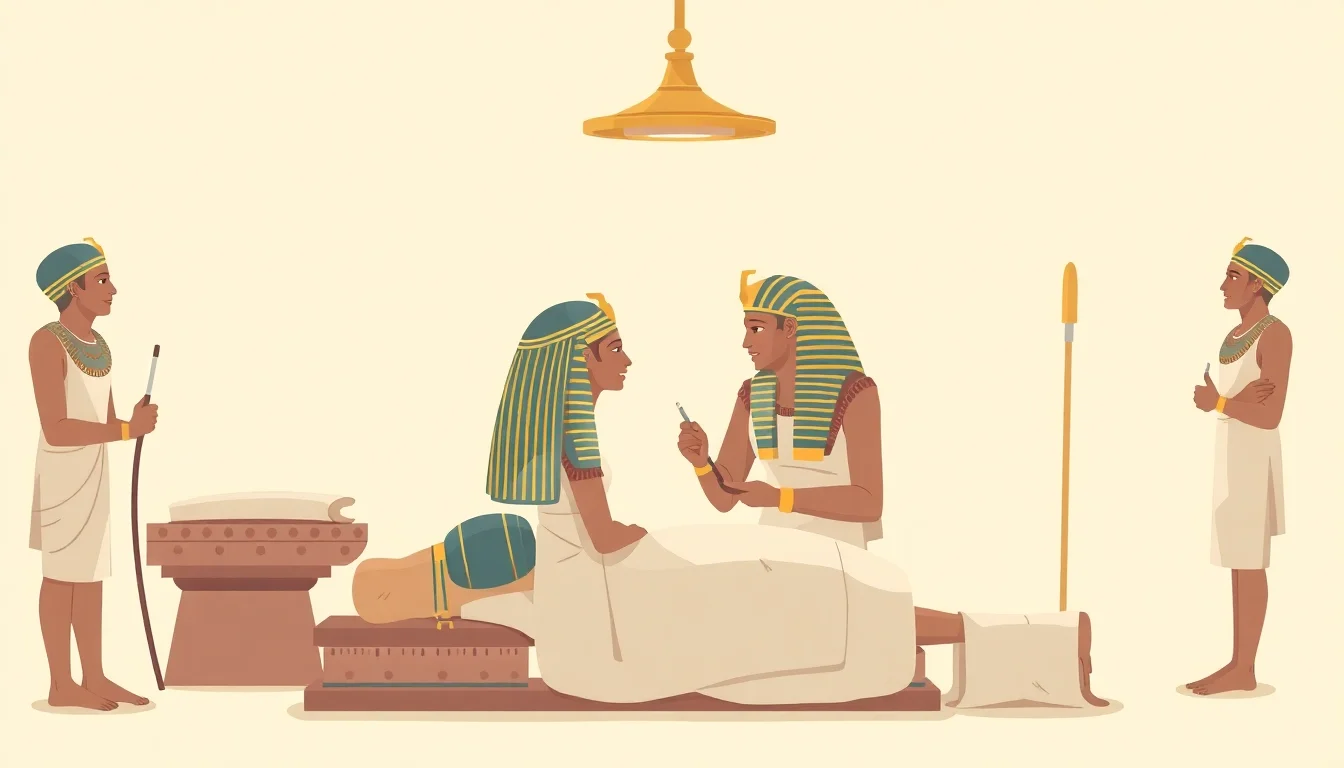
Ancient Egyptian surgery, with a vibe score of 8, was a complex and sophisticated practice that dates back to around 1600 BCE, with evidence of surgical procedures found in the Edwin Smith Papyrus, which contains the oldest known surgical treatise. The papyrus, named after the American collector who purchased it, describes 48 cases of head and spinal injuries, including diagnoses, treatments, and prognoses. The ancient Egyptians performed a range of surgical procedures, from simple operations like circumcision and cataract removal to more complex ones like trephining, a form of skull surgery. Despite the limitations of their medical knowledge, ancient Egyptian surgeons demonstrated a remarkable understanding of human anatomy and developed innovative techniques that would influence the development of surgery for centuries to come. The influence of ancient Egyptian surgery can be seen in the work of later medical practitioners, such as Galen and Hippocrates, who built upon the foundations laid by the Egyptians. As we continue to uncover more about ancient Egyptian surgery, we are reminded of the ingenuity and skill of these early medical practitioners, who paved the way for the advances in surgery we enjoy today.
🏺 Introduction to Ancient Egyptian Surgery
The history of medicine is a rich and fascinating field, with ancient civilizations contributing significantly to our understanding of the human body and its treatment. Ancient Egyptian surgery, in particular, is a topic of great interest, with its unique blend of medical knowledge and spiritual practices. The Ancient Egyptian Medicine practiced by the Egyptians was a complex system that incorporated herbalism, spirituality, and surgery. The Edwin Smith Papyrus, an ancient medical text, provides valuable insights into the surgical practices of the time. This papyrus, dated to around 1600 BCE, is one of the oldest known surgical treatises and contains the earliest known descriptions of the brain, meninges, and spinal cord.
💉 The Edwin Smith Papyrus: A Surgical Treasure
The Edwin Smith Papyrus is a remarkable document that showcases the advanced knowledge of human anatomy and surgical techniques possessed by the ancient Egyptians. The papyrus contains 48 cases of injuries, including head and neck wounds, and provides detailed descriptions of the symptoms, diagnosis, and treatment of each case. The Edwin Smith Papyrus is a testament to the sophistication of ancient Egyptian medicine and its emphasis on evidence-based medicine. The papyrus also highlights the importance of clinical observation and medical ethics in the practice of medicine. The ancient Egyptians' understanding of the human body and its functions was remarkably advanced, and their surgical techniques were often surprisingly effective.
📚 The Ebers Papyrus: A Medical Marvel
Another significant medical text from ancient Egypt is the Ebers Papyrus, which dates back to around 1550 BCE. This papyrus contains over 700 magical and medical formulas, including treatments for a range of ailments, from skin conditions to gastrointestinal disorders. The Ebers Papyrus is a valuable resource for understanding the pharmacology and therapeutics of ancient Egyptian medicine. The papyrus also provides insights into the spiritual and magical aspects of ancient Egyptian medicine, highlighting the importance of spirituality and ritual in the practice of medicine. The Ebers Papyrus is a testament to the complexity and sophistication of ancient Egyptian medical knowledge.
👨⚕️ Imhotep: The Father of Ancient Egyptian Medicine
Imhotep, a polymath and physician who lived during the 3rd dynasty of Ancient Egypt, is often credited with being the father of ancient Egyptian medicine. He was a renowned architect, engineer, and physician who made significant contributions to the field of medicine. Imhotep's legacy extends beyond his medical achievements, as he is also credited with designing the Step Pyramid of Djoser. The Imhotep was a true pioneer in the field of medicine, and his work laid the foundation for the development of ancient Egyptian surgery. His emphasis on observation, experimentation, and evidence-based medicine helped to establish medicine as a respected and rigorous discipline.
🏥 Ancient Egyptian Hospitals and Medical Schools
Ancient Egyptian hospitals and medical schools were institutions that provided training and care to those in need. These institutions were often attached to temples and were staffed by priests and physicians who were trained in the art of medicine. The Hospitals and medical schools of ancient Egypt were centers of learning and healing, where patients could receive treatment for a range of ailments. The ancient Egyptians' approach to medicine was holistic, incorporating spirituality, herbalism, and surgery to provide comprehensive care to their patients. The Medical Schools of ancient Egypt were also centers of innovation, where new treatments and techniques were developed and tested.
💔 Surgical Specializations in Ancient Egypt
Surgical specializations in ancient Egypt were surprisingly advanced, with physicians specializing in areas such as ophthalmology, dermatology, and orthopedic surgery. The ancient Egyptians' understanding of human anatomy and their development of sophisticated surgical tools allowed them to perform complex procedures with a high degree of success. The Surgical Specializations in ancient Egypt were a testament to the sophistication and complexity of their medical knowledge. The ancient Egyptians' emphasis on specialization and continuing education helped to establish medicine as a respected and rigorous discipline.
🔍 The Role of Magic in Ancient Egyptian Surgery
The role of magic in ancient Egyptian surgery is a fascinating topic that highlights the complex and multifaceted nature of ancient Egyptian medicine. The ancient Egyptians believed that magic played a crucial role in the healing process, and that rituals and incantations could be used to invoke the power of the gods and promote healing. The Magic of ancient Egyptian medicine was not seen as separate from the medical practices of the time, but rather as an integral part of the healing process. The ancient Egyptians' use of magic in medicine reflects their holistic understanding of the human body and the importance of spirituality in the practice of medicine.
👻 Mummification and Surgical Practices
Mummification and surgical practices in ancient Egypt were closely linked, with the process of mummification providing valuable insights into the surgical techniques and anatomical knowledge of the ancient Egyptians. The Mummification process involved a range of surgical procedures, including evisceration and dehydration, which were designed to preserve the body for the afterlife. The ancient Egyptians' understanding of human anatomy and their development of sophisticated surgical tools allowed them to perform complex procedures with a high degree of success. The Surgical Practices of ancient Egypt were a testament to the sophistication and complexity of their medical knowledge.
📊 Advances in Ancient Egyptian Surgical Tools
The advances in ancient Egyptian surgical tools were significant, with the development of instruments such as forceps, scalpels, and needles. These tools were often made from copper or bronze and were designed to be durable and effective. The Surgical Tools of ancient Egypt were a testament to the ingenuity and craftsmanship of the ancient Egyptians. The development of these tools reflects the ancient Egyptians' emphasis on innovation and problem-solving in the practice of medicine.
👩⚕️ Women in Ancient Egyptian Medicine
Women in ancient Egyptian medicine played a significant role, with female physicians and midwives providing care to patients and contributing to the development of medical knowledge. The Women in Medicine of ancient Egypt were often depicted in art and literature as skilled and compassionate healers. The ancient Egyptians' emphasis on gender equality and social mobility helped to establish medicine as a respected and inclusive discipline. The Female Physicians of ancient Egypt were a testament to the sophistication and complexity of their medical knowledge.
🌎 The Legacy of Ancient Egyptian Surgery
The legacy of ancient Egyptian surgery is a lasting one, with their contributions to the field of medicine continuing to influence medical practice today. The Legacy of Ancient Egyptian Surgery is a testament to the ingenuity and craftsmanship of the ancient Egyptians. The ancient Egyptians' emphasis on evidence-based medicine, clinical observation, and medical ethics helped to establish medicine as a respected and rigorous discipline. The Influence of Ancient Egyptian Surgery can be seen in the modern medical practices of today, with their emphasis on patient-centered care and continuing education.
Key Facts
- Year
- 1600
- Origin
- Ancient Egypt
- Category
- History of Medicine
- Type
- Medical Practice
Frequently Asked Questions
What was the significance of the Edwin Smith Papyrus in ancient Egyptian surgery?
The Edwin Smith Papyrus was a significant medical text that provided valuable insights into the surgical practices of ancient Egypt. It contained 48 cases of injuries, including head and neck wounds, and provided detailed descriptions of the symptoms, diagnosis, and treatment of each case. The papyrus is a testament to the sophistication of ancient Egyptian medicine and its emphasis on evidence-based medicine. The Edwin Smith Papyrus is considered one of the oldest known surgical treatises and contains the earliest known descriptions of the brain, meninges, and spinal cord.
Who was Imhotep and what was his contribution to ancient Egyptian medicine?
Imhotep was a polymath and physician who lived during the 3rd dynasty of Ancient Egypt. He is often credited with being the father of ancient Egyptian medicine. Imhotep made significant contributions to the field of medicine, including the development of surgical techniques and the emphasis on observation, experimentation, and evidence-based medicine. He was also a renowned architect and engineer who designed the Step Pyramid of Djoser. Imhotep's legacy extends beyond his medical achievements, and he is considered one of the most important figures in ancient Egyptian history.
What was the role of magic in ancient Egyptian surgery?
The role of magic in ancient Egyptian surgery was significant, with the ancient Egyptians believing that magic played a crucial role in the healing process. They believed that rituals and incantations could be used to invoke the power of the gods and promote healing. The use of magic in medicine was not seen as separate from the medical practices of the time, but rather as an integral part of the healing process. The ancient Egyptians' use of magic in medicine reflects their holistic understanding of the human body and the importance of spirituality in the practice of medicine.
What were some of the advances in ancient Egyptian surgical tools?
The ancient Egyptians developed a range of sophisticated surgical tools, including forceps, scalpels, and needles. These tools were often made from copper or bronze and were designed to be durable and effective. The development of these tools reflects the ancient Egyptians' emphasis on innovation and problem-solving in the practice of medicine. The surgical tools of ancient Egypt were a testament to the ingenuity and craftsmanship of the ancient Egyptians.
What was the legacy of ancient Egyptian surgery?
The legacy of ancient Egyptian surgery is a lasting one, with their contributions to the field of medicine continuing to influence medical practice today. The ancient Egyptians' emphasis on evidence-based medicine, clinical observation, and medical ethics helped to establish medicine as a respected and rigorous discipline. The influence of ancient Egyptian surgery can be seen in the modern medical practices of today, with their emphasis on patient-centered care and continuing education. The legacy of ancient Egyptian surgery is a testament to the ingenuity and craftsmanship of the ancient Egyptians.
How did ancient Egyptian surgery influence the development of modern medicine?
Ancient Egyptian surgery had a significant influence on the development of modern medicine. The emphasis on evidence-based medicine, clinical observation, and medical ethics helped to establish medicine as a respected and rigorous discipline. The development of sophisticated surgical tools and techniques also contributed to the advancement of modern medicine. The influence of ancient Egyptian surgery can be seen in the modern medical practices of today, with their emphasis on patient-centered care and continuing education. The legacy of ancient Egyptian surgery is a testament to the ingenuity and craftsmanship of the ancient Egyptians.
What were some of the challenges faced by ancient Egyptian surgeons?
Ancient Egyptian surgeons faced a range of challenges, including the limited understanding of human anatomy and the lack of advanced surgical tools. They also had to contend with the risk of infection and the limited availability of effective treatments. Despite these challenges, ancient Egyptian surgeons were able to develop sophisticated surgical techniques and achieve a high degree of success in their procedures. The challenges faced by ancient Egyptian surgeons reflect the complexity and difficulty of the surgical practices of the time.