
Contents
- 🏥 Introduction to Physicians
- 👨⚕️ The Role of Physicians in Healthcare
- 💊 Diagnosis and Treatment
- 📚 Medical Education and Training
- 🏥 Types of Physicians
- 👥 Physician-Patient Relationship
- 🤝 Collaboration with Other Healthcare Professionals
- 📊 The Impact of Physicians on Public Health
- 🚨 Challenges Faced by Physicians
- 🌎 The Future of Medicine and Physicians
- 📈 Conclusion
- Frequently Asked Questions
- Related Topics
Overview
Physicians are the backbone of the healthcare system, with over 1.1 million doctors practicing in the United States alone, according to the Bureau of Labor Statistics (2022). From primary care to specialized fields like cardiology and oncology, physicians play a crucial role in diagnosing, treating, and preventing diseases. However, the medical profession is not without its challenges, with issues like burnout, malpractice lawsuits, and the opioid crisis affecting doctors and patients alike. The rise of telemedicine and artificial intelligence is also transforming the way physicians practice, with 71% of doctors using electronic health records (EHRs) to manage patient care, as reported by the Centers for Disease Control and Prevention (2020). As the healthcare landscape continues to evolve, physicians must adapt to new technologies, changing patient expectations, and shifting regulatory requirements. With a projected shortage of over 120,000 physicians by 2030, according to the Association of American Medical Colleges (2020), the future of the medical profession hangs in the balance.
🏥 Introduction to Physicians
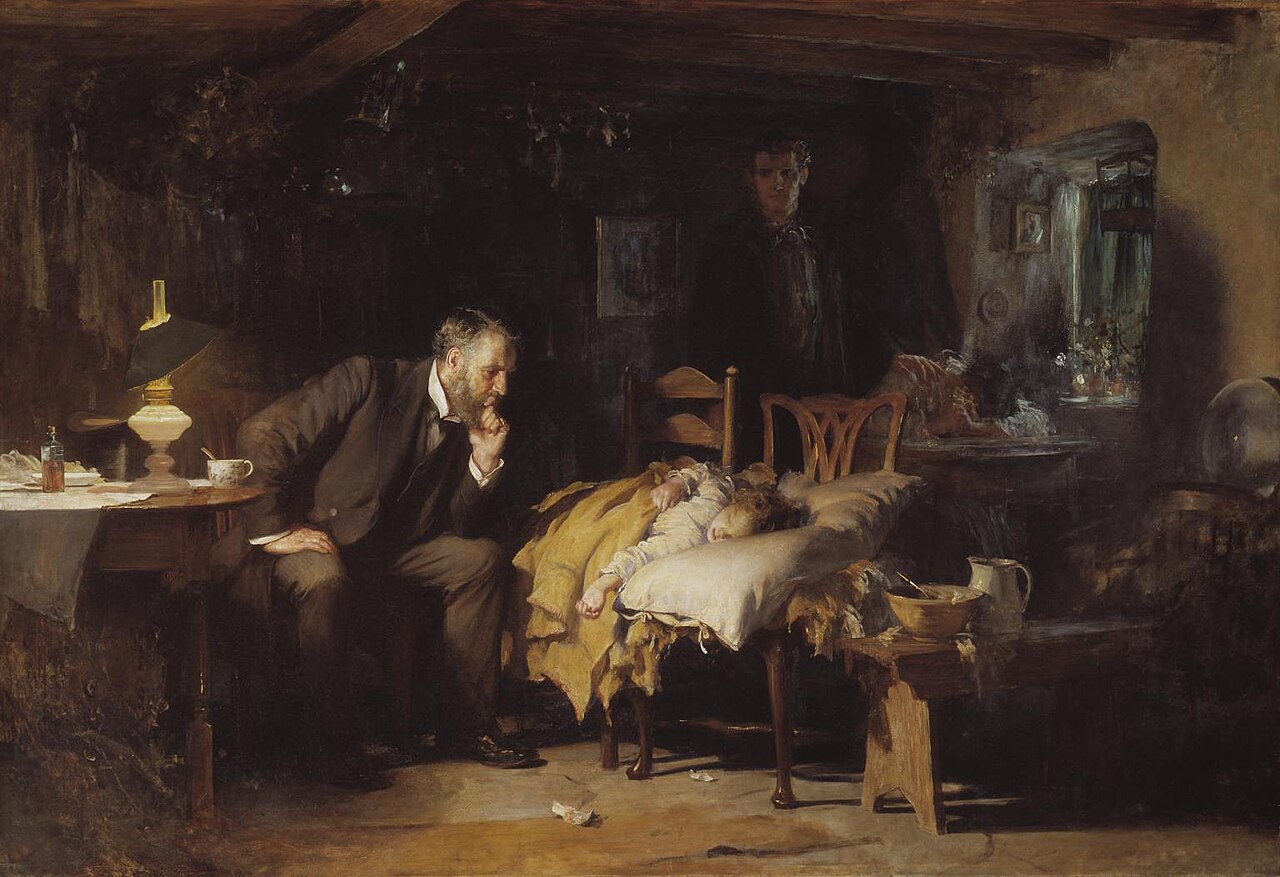
Physicians, also known as medical doctors or medical practitioners, are healthcare professionals who practice medicine to promote, maintain, or restore health. They diagnose, treat, and prevent various diseases, injuries, and physical and mental conditions. Physicians play a vital role in the healthcare system, and their work has a significant impact on the lives of individuals and communities. The World Health Organization recognizes the importance of physicians in achieving global health goals. Physicians work in various settings, including hospitals, clinics, and private practices, to provide essential healthcare services.
👨⚕️ The Role of Physicians in Healthcare
The role of physicians in healthcare is multifaceted. They are responsible for conducting medical research, developing treatment plans, and providing patient care. Physicians also play a crucial role in public health by promoting healthy behaviors, preventing diseases, and responding to public health emergencies. The American Medical Association is a prominent organization that represents the interests of physicians and promotes the art and science of medicine. Physicians work closely with other healthcare professionals, including nurses and pharmacists, to provide comprehensive care to patients.
💊 Diagnosis and Treatment
Diagnosis and treatment are critical components of a physician's work. Physicians use various diagnostic tools, including medical imaging and laboratory tests, to identify diseases and conditions. They then develop treatment plans, which may involve medications, surgery, or other interventions. Physicians must stay up-to-date with the latest medical knowledge and technologies to provide effective care. The National Institutes of Health is a leading organization that supports medical research and innovation. Physicians also work with patients to educate them about their conditions and involve them in the decision-making process.
📚 Medical Education and Training
Medical education and training are essential for physicians to acquire the knowledge, skills, and competencies required to practice medicine. Physicians typically complete a bachelor's degree in a science-related field, followed by four years of medical school. After medical school, they complete a residency program, which provides hands-on training in a specific specialty. The Association of American Medical Colleges is a prominent organization that accredits medical schools and promotes excellence in medical education. Physicians must also obtain a medical license to practice medicine in their state or country.
🏥 Types of Physicians
There are various types of physicians, each with their own area of specialization. Primary care physicians, such as family medicine doctors and internal medicine doctors, provide routine care and manage chronic conditions. Specialist physicians, such as cardiologists and oncologists, provide specialized care for specific diseases and conditions. The American Board of Medical Specialties is a prominent organization that certifies physicians in various specialties. Physicians may also work in academic medicine, where they teach, conduct research, and provide patient care.
👥 Physician-Patient Relationship
The physician-patient relationship is a critical component of healthcare. Physicians must communicate effectively with patients, listen to their concerns, and involve them in the decision-making process. The patient-centered medical home model is a prominent approach that emphasizes patient-centered care and coordination. Physicians must also maintain patient confidentiality and adhere to ethical standards, as outlined by the American Medical Association. The Institute of Medicine is a prominent organization that promotes excellence in healthcare and patient safety.
🤝 Collaboration with Other Healthcare Professionals
Collaboration with other healthcare professionals is essential for physicians to provide comprehensive care. Physicians work with nurses, pharmacists, and other healthcare professionals to develop treatment plans and coordinate care. The interprofessional collaboration model is a prominent approach that emphasizes teamwork and communication. Physicians may also work with social workers and mental health professionals to address the social and emotional needs of patients. The National Alliance on Mental Illness is a prominent organization that promotes mental health awareness and support.
📊 The Impact of Physicians on Public Health
The impact of physicians on public health is significant. Physicians play a critical role in preventing diseases, promoting healthy behaviors, and responding to public health emergencies. The Centers for Disease Control and Prevention is a prominent organization that works with physicians to promote public health and prevent diseases. Physicians may also work in global health, where they address health disparities and promote health equity. The World Health Organization is a prominent organization that promotes global health and coordinates international health efforts.
🚨 Challenges Faced by Physicians
Physicians face various challenges in their work, including burnout, medical liability, and electronic health records management. The American Medical Association is a prominent organization that supports physicians and addresses these challenges. Physicians must also stay up-to-date with the latest medical knowledge and technologies to provide effective care. The National Institutes of Health is a leading organization that supports medical research and innovation. Physicians may also face challenges in rural health and underserved communities, where access to healthcare is limited.
🌎 The Future of Medicine and Physicians
The future of medicine and physicians is rapidly evolving. The digital health revolution is transforming the way physicians practice medicine, with the use of telemedicine, artificial intelligence, and big data. The National Institutes of Health is a leading organization that supports medical research and innovation. Physicians must adapt to these changes and develop new skills to provide effective care. The American Medical Association is a prominent organization that supports physicians and promotes the art and science of medicine.
📈 Conclusion
In conclusion, physicians play a vital role in the healthcare system, and their work has a significant impact on the lives of individuals and communities. Physicians must stay up-to-date with the latest medical knowledge and technologies to provide effective care. The World Health Organization recognizes the importance of physicians in achieving global health goals. As the healthcare landscape continues to evolve, physicians must adapt to new challenges and opportunities to provide high-quality care to patients.
Key Facts
- Year
- 2022
- Origin
- Ancient civilizations, with the first recorded physician being Imhotep in 2600 BCE
- Category
- Healthcare
- Type
- Profession
Frequently Asked Questions
What is the role of physicians in healthcare?
Physicians play a vital role in the healthcare system, and their work has a significant impact on the lives of individuals and communities. They diagnose, treat, and prevent various diseases, injuries, and physical and mental conditions. Physicians also promote healthy behaviors, prevent diseases, and respond to public health emergencies.
What is the difference between a primary care physician and a specialist physician?
Primary care physicians provide routine care and manage chronic conditions, while specialist physicians provide specialized care for specific diseases and conditions. Primary care physicians include family medicine doctors and internal medicine doctors, while specialist physicians include cardiologists, oncologists, and other specialists.
How do physicians stay up-to-date with the latest medical knowledge and technologies?
Physicians stay up-to-date with the latest medical knowledge and technologies through ongoing education and training. They attend conferences, workshops, and seminars, and participate in online courses and training programs. Physicians also read medical journals and stay current with the latest research and guidelines in their field.
What are some of the challenges faced by physicians in their work?
Physicians face various challenges in their work, including burnout, medical liability, and electronic health records management. They must also stay up-to-date with the latest medical knowledge and technologies to provide effective care. Physicians may also face challenges in rural health and underserved communities, where access to healthcare is limited.
How is the future of medicine and physicians evolving?
The future of medicine and physicians is rapidly evolving, with the use of digital health technologies, such as telemedicine, artificial intelligence, and big data. Physicians must adapt to these changes and develop new skills to provide effective care. The National Institutes of Health is a leading organization that supports medical research and innovation, and the American Medical Association is a prominent organization that supports physicians and promotes the art and science of medicine.
What is the importance of the physician-patient relationship?
The physician-patient relationship is a critical component of healthcare. Physicians must communicate effectively with patients, listen to their concerns, and involve them in the decision-making process. The patient-centered medical home model is a prominent approach that emphasizes patient-centered care and coordination. Physicians must also maintain patient confidentiality and adhere to ethical standards, as outlined by the American Medical Association.
How do physicians contribute to public health?
Physicians play a critical role in preventing diseases, promoting healthy behaviors, and responding to public health emergencies. They work with other healthcare professionals, including nurses and pharmacists, to develop treatment plans and coordinate care. Physicians may also work in global health, where they address health disparities and promote health equity. The World Health Organization is a prominent organization that promotes global health and coordinates international health efforts.