
Contents
- 🌎 Introduction to Anti-Slavery International
- 📚 History of Anti-Slavery International
- 👥 Key People and Organizations
- 🌈 Global Reach and Impact
- 📊 Statistics on Modern Slavery
- 🚫 Types of Slavery and Exploitation
- 🤝 Partnerships and Collaborations
- 🌟 Success Stories and Achievements
- 📢 Raising Awareness and Advocacy
- 🚨 Challenges and Controversies
- 🔜 Future Directions and Goals
- Frequently Asked Questions
- Related Topics
Overview
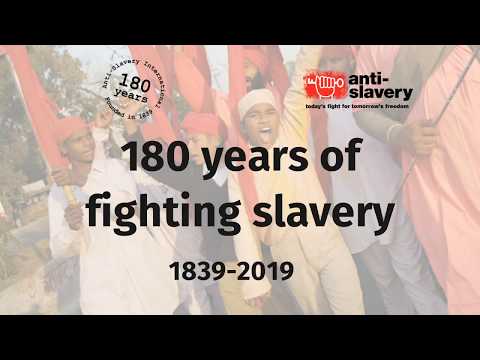
Anti-Slavery International, founded in 1839, is the world's oldest international human rights organization, with a rich history of campaigning against slavery and related abuses. With a vibe rating of 8, the organization has been at the forefront of the global fight against modern slavery, working to protect the rights of vulnerable individuals and communities. According to the International Labor Organization (ILO), an estimated 40.3 million people are trapped in modern slavery worldwide, with 24.9 million in forced labor and 15.4 million in forced marriage. Anti-Slavery International works with local partners, governments, and international organizations to strengthen laws and policies, support survivors, and raise awareness about the issue. The organization has influenced major international agreements, including the 1926 Slavery Convention and the 2015 Sustainable Development Goals, which include a target to end modern slavery by 2030. As the fight against modern slavery continues, Anti-Slavery International remains a key player, with a strong presence in over 20 countries and a network of partners and supporters around the world.
🌎 Introduction to Anti-Slavery International
Anti-Slavery International is the world's oldest international human rights organization, founded in 1839. It is a human rights charity that works to eliminate all forms of slavery and slavery-like practices throughout the world. The organization's mission is to abolish slavery and protect human rights, with a focus on supporting vulnerable communities and marginalized groups. Anti-Slavery International works with local partners and grassroots organizations to provide support and services to victims of slavery and to advocate for policy change. The organization also works to raise awareness about the issue of modern slavery and to mobilize public support for its eradication.
📚 History of Anti-Slavery International
The history of Anti-Slavery International dates back to the 19th century, when it was founded by a group of abolitionists who were committed to ending the transatlantic slave trade. Over the years, the organization has evolved and expanded its mission to address the changing forms of slavery and exploitation. Today, Anti-Slavery International is a leading voice in the global movement to end modern slavery, working closely with governments, civil society organizations, and international institutions to achieve its goals. The organization's work is guided by a strong commitment to human rights and social justice, and it is recognized as a leading authority on the issue of slavery. Anti-Slavery International has worked with notable organizations such as the United Nations and the International Labor Organization.
👥 Key People and Organizations
Anti-Slavery International works with a range of key people and organizations to achieve its mission. The organization's staff and board of trustees include experts in the field of human rights and slavery, as well as experienced advocates and activists. Anti-Slavery International also partners with local grassroots organizations and community groups to provide support and services to victims of slavery. The organization's work is supported by a range of donors and funders, including governments, foundations, and individuals. Anti-Slavery International has collaborated with other prominent organizations, such as the Amnesty International and the Human Rights Watch.
🌈 Global Reach and Impact
Anti-Slavery International has a global reach and impact, working in over 20 countries around the world. The organization's work is focused on supporting vulnerable communities and marginalized groups, including women and children, migrant workers, and indigenous communities. Anti-Slavery International works to address the root causes of slavery and exploitation, including poverty, lack of education, and discrimination. The organization also works to provide support and services to victims of slavery, including counseling, legal assistance, and economic support. Anti-Slavery International has worked with the World Health Organization to address the health impacts of slavery.
📊 Statistics on Modern Slavery
According to the International Labor Organization, there are an estimated 40.3 million people trapped in modern slavery worldwide. This includes 24.9 million people in forced labor and 15.4 million people in forced marriage. Anti-Slavery International works to address the issue of modern slavery through a range of programs and projects, including research and advocacy, community outreach, and support and services for victims of slavery. The organization also works to raise awareness about the issue of modern slavery and to mobilize public support for its eradication. Anti-Slavery International has partnered with the United Nations Development Programme to address the development impacts of slavery.
🚫 Types of Slavery and Exploitation
Anti-Slavery International works to address a range of types of slavery and exploitation, including forced labor, human trafficking, and child labor. The organization also works to address the issue of slavery in supply chains, which is a major concern for many companies and businesses. Anti-Slavery International works with governments, civil society organizations, and international institutions to develop and implement policies and legislation to prevent slavery and exploitation. The organization has collaborated with the iOM to address the migration-related aspects of slavery.
🤝 Partnerships and Collaborations
Anti-Slavery International works in partnership with a range of organizations and institutions to achieve its mission. The organization partners with local grassroots organizations and community groups to provide support and services to victims of slavery. Anti-Slavery International also works with governments, civil society organizations, and international institutions to develop and implement policies and legislation to prevent slavery and exploitation. The organization's partnerships are guided by a strong commitment to human rights and social justice, and a recognition of the importance of collaboration and cooperation in achieving its goals. Anti-Slavery International has partnered with the Global Alliance Against Traffic in Women.
🌟 Success Stories and Achievements
Anti-Slavery International has achieved a range of success stories and achievements in its work to end slavery and exploitation. The organization has worked with governments, civil society organizations, and international institutions to develop and implement policies and legislation to prevent slavery and exploitation. Anti-Slavery International has also provided support and services to thousands of victims of slavery, including counseling, legal assistance, and economic support. The organization's work has been recognized through a range of awards and recognition, including the United Nations Human Rights Award. Anti-Slavery International has been praised by the Human Rights Council.
📢 Raising Awareness and Advocacy
Anti-Slavery International works to raise awareness and advocacy about the issue of modern slavery and to mobilize public support for its eradication. The organization uses a range of tools and tactics to raise awareness and advocate for policy change, including social media, public events, and lobbying and advocacy. Anti-Slavery International also works with media and journalism to raise awareness about the issue of modern slavery and to promote public education and awareness. The organization has collaborated with the BBC to produce documentaries on modern slavery.
🚨 Challenges and Controversies
Despite its many success stories and achievements, Anti-Slavery International faces a range of challenges and controversies in its work to end slavery and exploitation. The organization must navigate complex political and social contexts to achieve its goals, and must often work with limited resources and capacity. Anti-Slavery International must also address the issue of funding and sustainability, as the organization relies on donations and grants to support its work. The organization has faced criticism from some governments and companies for its advocacy work.
🔜 Future Directions and Goals
As Anti-Slavery International looks to the future directions and goals, the organization is committed to continuing its work to end slavery and exploitation. The organization will focus on supporting vulnerable communities and marginalized groups, and on addressing the root causes of slavery and exploitation. Anti-Slavery International will also work to develop and implement new and innovative solutions to the issue of modern slavery, including the use of technology and data analysis. The organization will continue to collaborate with other organizations, such as the World Bank and the International Monetary Fund.
Key Facts
- Year
- 1839
- Origin
- London, UK
- Category
- Human Rights
- Type
- Non-Governmental Organization (NGO)
Frequently Asked Questions
What is Anti-Slavery International?
Anti-Slavery International is a human rights charity that works to eliminate all forms of slavery and slavery-like practices throughout the world. The organization's mission is to abolish slavery and protect human rights, with a focus on supporting vulnerable communities and marginalized groups.
What types of slavery and exploitation does Anti-Slavery International address?
Anti-Slavery International works to address a range of types of slavery and exploitation, including forced labor, human trafficking, and child labor. The organization also works to address the issue of slavery in supply chains, which is a major concern for many companies and businesses.
How does Anti-Slavery International work to end slavery and exploitation?
Anti-Slavery International works to end slavery and exploitation through a range of programs and projects, including research and advocacy, community outreach, and support and services for victims of slavery. The organization also works to raise awareness about the issue of modern slavery and to mobilize public support for its eradication.
What are some of the challenges and controversies faced by Anti-Slavery International?
Despite its many success stories and achievements, Anti-Slavery International faces a range of challenges and controversies in its work to end slavery and exploitation. The organization must navigate complex political and social contexts to achieve its goals, and must often work with limited resources and capacity.
What is the future direction of Anti-Slavery International?
As Anti-Slavery International looks to the future directions and goals, the organization is committed to continuing its work to end slavery and exploitation. The organization will focus on supporting vulnerable communities and marginalized groups, and on addressing the root causes of slavery and exploitation.
How can I get involved with Anti-Slavery International?
There are many ways to get involved with Anti-Slavery International, including donating to support the organization's work, volunteering your time and skills, and spreading the word about the issue of modern slavery. You can also contact the organization directly to learn more about its work and how you can get involved.
What is the impact of Anti-Slavery International's work?
Anti-Slavery International has achieved a range of success stories and achievements in its work to end slavery and exploitation. The organization has worked with governments, civil society organizations, and international institutions to develop and implement policies and legislation to prevent slavery and exploitation.