
Contents
- 🌎 Introduction to Community Groups
- 👥 The Process of Community Organizing
- 💪 The Role of Conflict in Social Change
- 🌈 Building Durable Power for Community Organizations
- 📢 The Importance of Local Leadership Development
- 🤝 Facilitating Coalitions and Campaigns
- 🏛️ Community Organizing and Local Democracy
- 📊 Measuring the Impact of Community Groups
- 🚀 The Future of Community Organizing
- 🌐 Global Examples of Community Organizing
- 📚 Conclusion and Further Reading
- Frequently Asked Questions
- Related Topics
Overview
Community groups have been the driving force behind social movements throughout history, from the Civil Rights Movement to the Women's Suffrage Movement. These groups, such as the NAACP (founded in 1909) and the ACLU (founded in 1920), have played a crucial role in shaping public policy and promoting social justice. With the rise of social media, online community groups have become increasingly influential, with platforms like Facebook and Twitter facilitating the spread of ideas and mobilization of supporters. However, the proliferation of online groups has also raised concerns about echo chambers and the spread of misinformation. As of 2022, a study by the Pew Research Center found that 77% of Americans believe that community groups are essential to creating positive social change. Despite their importance, community groups often face challenges in terms of funding, resources, and sustainability, with many relying on volunteer efforts and donations to survive. As we look to the future, it's clear that community groups will continue to play a vital role in shaping our world, but it's also important to consider the potential risks and challenges associated with their growth and influence.
🌎 Introduction to Community Groups
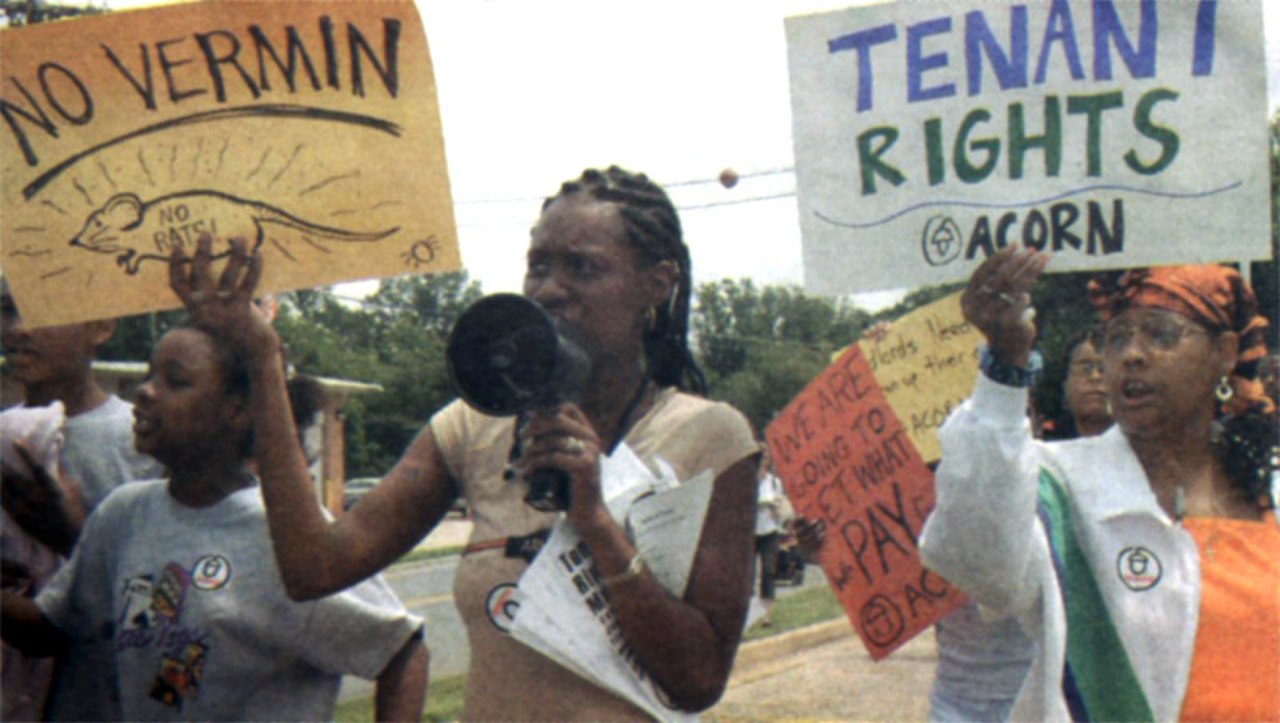
Community groups have long been the pulse of social change, driving movements and advocating for the rights of marginalized communities. Community organizing is a process where people come together to address shared problems and interests, often through grassroots movements. By building collective power, community groups can influence key decision-makers and bring about lasting change. For example, the Civil Rights Movement in the United States was driven by community groups and organizations working together to fight for racial equality. As Saul Alinsky, a prominent community organizer, once said, 'The most important thing in life is to learn how to give out love, and let it come in.'
👥 The Process of Community Organizing
The process of community organizing involves several key steps, including needs assessment, goal setting, and strategy development. Community organizers work to identify the needs and concerns of community members, and then develop strategies to address these issues. This often involves building coalitions with other organizations and groups, as well as developing leadership within the community. As Martin Luther King Jr. once said, 'The ultimate measure of a man is not where he stands in moments of comfort and convenience, but where he stands at times of challenge and controversy.'
🌈 Building Durable Power for Community Organizations
Building durable power for community organizations is a core goal of community organizing. This involves developing strong leadership, building membership, and creating sustainable funding models. By building a robust and organized community, groups can influence key decision-makers and bring about lasting change. For example, the NAACP has been a powerful force for civil rights in the United States, using its membership and resources to advocate for important issues. As Malcolm X once said, 'Power never takes a back step – only in the face of more power.'
📢 The Importance of Local Leadership Development
Local leadership development is critical to the success of community organizing. Community organizers work to identify and develop new leaders within the community, providing them with the skills and resources needed to effectively advocate for their community. This can involve training programs, mentorship, and other forms of support. For example, the Indigenous Peoples Movement has been led by strong local leaders who have worked to protect the rights and interests of their communities. As Winona LaDuke once said, 'The most important thing is to take care of the land and the people, and to make sure that we are not just surviving, but thriving.'
🤝 Facilitating Coalitions and Campaigns
Facilitating coalitions and campaigns is a key part of community organizing. Community organizers work to bring together different groups and organizations to build a strong and unified voice for social change. This can involve coalition building, campaign planning, and other forms of collaboration. For example, the Feminist Movement has been driven by coalitions of women's organizations and community groups working together to advocate for women's rights. As Bell Hooks once said, 'The moment we choose to love, we begin to realize that we are not alone, that we are part of a larger community.'
🏛️ Community Organizing and Local Democracy
Community organizing is closely tied to the development of local democracy. By building strong and organized communities, community groups can influence key decision-makers and bring about lasting change. This can involve participatory budgeting, community land trusts, and other forms of community-led decision-making. For example, the Cooperative Movement has been driven by community groups working together to build cooperative businesses and organizations. As Bernard Marsden once said, 'The most important thing is to build a sense of community and cooperation, and to make sure that we are working together to achieve our goals.'
📊 Measuring the Impact of Community Groups
Measuring the impact of community groups can be challenging, but it is an important part of evaluating the effectiveness of community organizing. Community organizers use a variety of metrics, including membership growth, policy changes, and community engagement. For example, the Sierra Club has used metrics such as carbon emissions reduction and conservation areas established to measure the impact of its community organizing efforts. As Al Gore once said, 'The most important thing is to take action, and to make sure that we are working together to address the critical issues facing our planet.'
🚀 The Future of Community Organizing
The future of community organizing is likely to involve new technologies and strategies, as well as a continued focus on building strong and organized communities. Community organizers will need to be adaptable and innovative, using new tools and approaches to build power and influence. For example, the Black Lives Matter Movement has used social media and other digital tools to build a strong and unified voice for racial justice. As Angela Davis once said, 'The most important thing is to keep pushing forward, and to make sure that we are working together to create a more just and equitable society.'
🌐 Global Examples of Community Organizing
There are many global examples of community organizing, from the Anti-Apartheid Movement in South Africa to the Zapatista Movement in Mexico. These movements demonstrate the power and potential of community organizing, and provide important lessons for community organizers around the world. For example, the Green Movement in Iran has used community organizing to build a strong and unified voice for environmental and social justice. As Arundhati Roy once said, 'The most important thing is to build a sense of solidarity and cooperation, and to make sure that we are working together to create a more just and equitable world.'
📚 Conclusion and Further Reading
In conclusion, community groups have long been the pulse of social change, driving movements and advocating for the rights of marginalized communities. By building collective power, community groups can influence key decision-makers and bring about lasting change. For further reading, see books on community organizing, journals on social movements, and websites on community organizing. As Cynthia Kaufman once said, 'The most important thing is to keep learning, and to make sure that we are working together to create a more just and equitable society.'
Key Facts
- Year
- 2022
- Origin
- Global
- Category
- Social Movements
- Type
- Social Organization
Frequently Asked Questions
What is community organizing?
Community organizing is a process where people who live in proximity to each other or share some common problem come together into an organization that acts in their shared self-interest. Community organizers generally assume that social change necessarily involves conflict and social struggle in order to generate collective power for the powerless. For example, the Civil Rights Movement in the United States was driven by community groups and organizations working together to fight for racial equality. As Saul Alinsky once said, 'The most important thing in life is to learn how to give out love, and let it come in.' Community organizing involves building strong leadership, membership, and creating sustainable funding models.
What is the role of conflict in social change?
Conflict is often a necessary component of social change, as it can help to bring attention to important issues and build momentum for a cause. Community organizers recognize that conflict resolution is not always the primary goal, but rather a means to an end. By embracing conflict and using it as a catalyst for change, community groups can build power and influence. For example, the Labor Movement in the United States used conflict and collective bargaining to win important rights and benefits for workers. As Noam Chomsky once said, 'If we don't believe in freedom of expression for people we despise, we don't believe in it at all.'
How do community organizers build durable power for community organizations?
Building durable power for community organizations involves developing strong leadership, building membership, and creating sustainable funding models. Community organizers work to identify and develop new leaders within the community, providing them with the skills and resources needed to effectively advocate for their community. For example, the NAACP has been a powerful force for civil rights in the United States, using its membership and resources to advocate for important issues. As Malcolm X once said, 'Power never takes a back step – only in the face of more power.' Community organizers also work to build coalitions and facilitate campaigns, using social media and other digital tools to build a strong and unified voice for social change.
What is the importance of local leadership development in community organizing?
Local leadership development is critical to the success of community organizing. Community organizers work to identify and develop new leaders within the community, providing them with the skills and resources needed to effectively advocate for their community. This can involve training programs, mentorship, and other forms of support. For example, the Indigenous Peoples Movement has been led by strong local leaders who have worked to protect the rights and interests of their communities. As Winona LaDuke once said, 'The most important thing is to take care of the land and the people, and to make sure that we are not just surviving, but thriving.'
How do community organizers facilitate coalitions and campaigns?
Facilitating coalitions and campaigns is a key part of community organizing. Community organizers work to bring together different groups and organizations to build a strong and unified voice for social change. This can involve coalition building, campaign planning, and other forms of collaboration. For example, the Feminist Movement has been driven by coalitions of women's organizations and community groups working together to advocate for women's rights. As Bell Hooks once said, 'The moment we choose to love, we begin to realize that we are not alone, that we are part of a larger community.' Community organizers use social media and other digital tools to build a strong and unified voice for social change.