
Contents
- 📚 Introduction to Archivists
- 🔍 The Role of Archivists in Information Science
- 📈 The Importance of Archives in Modern Society
- 📊 The Process of Archiving: Assessment to Access
- 🔑 The Variety of Records Maintained by Archivists
- 📁 The Challenges of Digital Archiving
- 👥 The Skills and Qualifications of Archivists
- 🤝 Collaboration and Outreach in Archival Work
- 📊 The Future of Archiving: Trends and Innovations
- 📈 The Impact of Archivists on Historical Research
- 📚 Case Studies in Archival Practice
- Frequently Asked Questions
- Related Topics
Overview
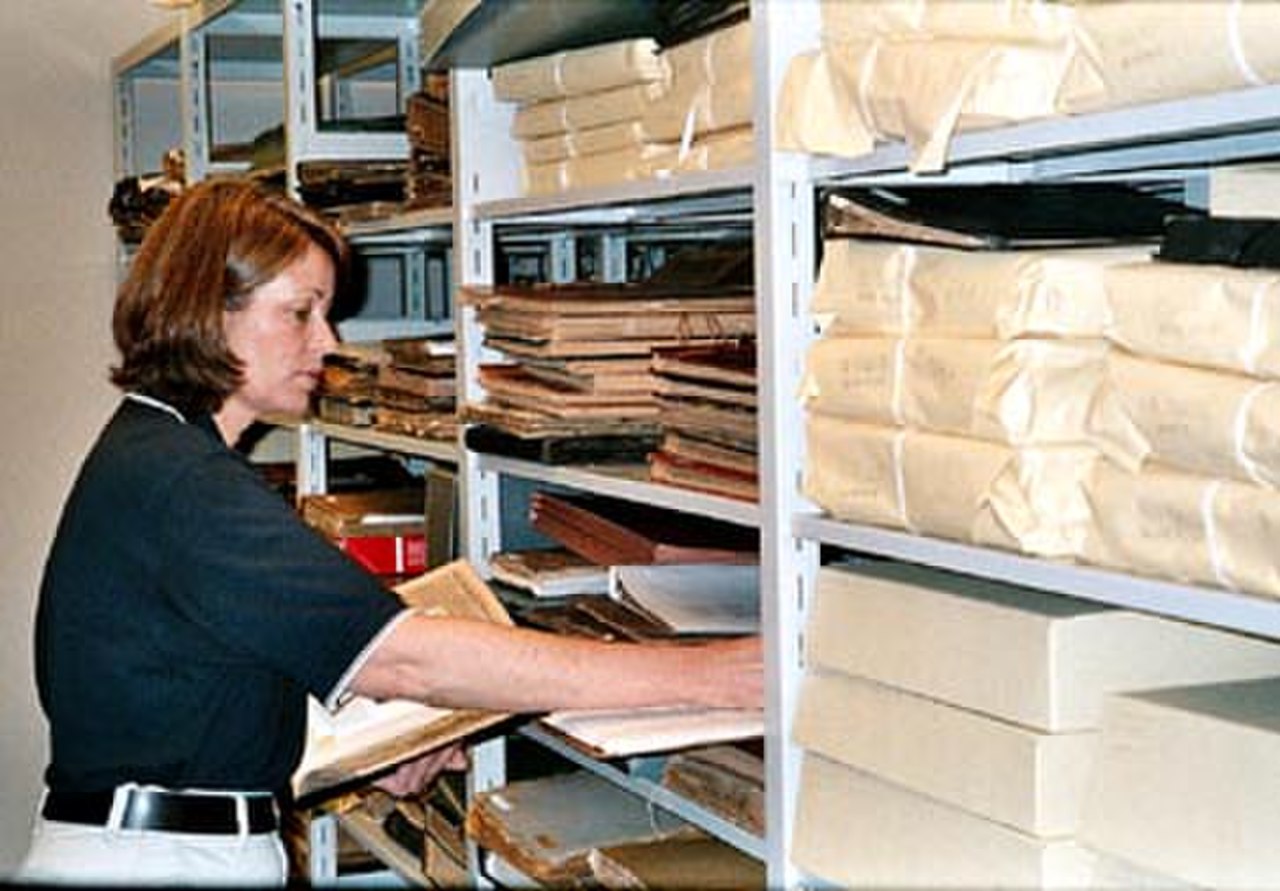
Archivists are the unsung heroes of the information age, tasked with the critical mission of acquiring, appraising, and preserving historical records and cultural artifacts. With the rise of digital technologies, their role has evolved to include the management of vast digital collections, ensuring their accessibility and authenticity for future generations. However, this shift has also introduced new challenges, such as data degradation, copyright issues, and the Cheshire Cat phenomenon of digital ephemera. As of 2022, the archival community has been abuzz with debates over the implications of AI-generated content, blockchain-based preservation methods, and the ethics of digital ownership. The work of archivists like Terry Cook, Joan Schwartz, and Eric Ketelaar has been instrumental in shaping the discipline, with a Vibe score of 82, reflecting their growing influence in the cultural landscape. According to a 2020 survey by the Society of American Archivists, 75% of archivists reported an increase in demand for digital collections, highlighting the need for innovative solutions to these emerging challenges.
📚 Introduction to Archivists
The role of the archivist is a vital one, as they are responsible for preserving and maintaining access to records and archives that have long-term value. As information professionals, archivists must have a deep understanding of information science and record-keeping practices. The work of archivists is closely tied to the field of library science, and many archivists work in libraries and archives around the world. Archivists must also be knowledgeable about digital preservation and the challenges of maintaining access to digital records over time. By preserving and providing access to historical records, archivists play a critical role in supporting historical research and cultural heritage initiatives.
🔍 The Role of Archivists in Information Science
Archivists play a critical role in the field of information science, as they are responsible for assessing, collecting, and preserving records and archives. The work of archivists is closely tied to the principles of information management, and they must be knowledgeable about data curation and digital asset management. Archivists must also be familiar with metadata standards and taxonomies, as these are essential tools for organizing and providing access to archival records. By working to preserve and provide access to historical records, archivists support the work of researchers and scholars in a wide range of fields. Archivists must also be aware of copyright law and intellectual property issues, as these can impact the use and dissemination of archival records.
📈 The Importance of Archives in Modern Society
Archives play a vital role in modern society, as they provide a window into the past and help us to understand the present. By preserving and providing access to historical records, archivists support the work of historians, researchers, and scholars. Archives are also essential for genealogical research, as they often contain records related to family history and ancestry. In addition, archives can provide valuable insights into social justice and human rights issues, as they often contain records related to social movements and activism. Archivists must be knowledgeable about community outreach and engagement, as these are essential for building support for archival programs and initiatives. Archivists must also be aware of funding models and grant writing, as these are often necessary for supporting archival work.
📊 The Process of Archiving: Assessment to Access
The process of archiving involves a range of activities, from assessment and collection to preservation and access. Archivists must first assess the value and significance of records, using criteria such as historical significance and informational value. Once records have been collected, archivists must organize and preserve them, using techniques such as conservation and digitization. Archivists must also provide access to records, using tools such as finding aids and online catalogs. By providing access to historical records, archivists support the work of researchers and scholars, and help to promote cultural heritage and historical awareness. Archivists must also be knowledgeable about digital repositories and cloud storage, as these are increasingly important for archival storage and access.
🔑 The Variety of Records Maintained by Archivists
The records maintained by archivists can consist of a wide range of forms, including letters, diaries, logs, and other personal documents. Archivists may also maintain government documents, sound recordings, picture recordings, and digital files. In addition, archivists may maintain physical objects, such as artifacts and relics. The variety of records maintained by archivists reflects the diversity of human experience and the many different ways in which people create and interact with information. Archivists must be knowledgeable about material culture and tangible heritage, as these are essential for understanding the context and significance of archival records. Archivists must also be aware of provenance and chain of custody, as these are critical for establishing the authenticity and reliability of archival records.
📁 The Challenges of Digital Archiving
The challenges of digital archiving are numerous, and archivists must be knowledgeable about digital preservation and the challenges of maintaining access to digital records over time. One of the main challenges is the rapid pace of technological change, which can make it difficult to ensure the long-term viability of digital records. Archivists must also be aware of file formats and software obsolescence, as these can impact the accessibility and usability of digital records. In addition, archivists must consider issues related to digital rights management and copyright law, as these can impact the use and dissemination of digital records. By working to address these challenges, archivists can help to ensure the long-term preservation and accessibility of digital records, and support the work of researchers and scholars in a wide range of fields. Archivists must also be knowledgeable about cloud computing and artificial intelligence, as these are increasingly important for archival storage and access.
👥 The Skills and Qualifications of Archivists
The skills and qualifications required to be an archivist are varied, and include a strong foundation in information science and record-keeping practices. Archivists must also have excellent communication skills and be able to work effectively with a wide range of stakeholders, including donors, researchers, and community members. In addition, archivists must be knowledgeable about digital technologies and be able to adapt to new tools and systems as they become available. Many archivists hold advanced degrees in library science or a related field, and may also have certifications such as the certified archivist designation. Archivists must also be aware of professional ethics and codes of conduct, as these are essential for maintaining the integrity and trustworthiness of archival programs and initiatives.
🤝 Collaboration and Outreach in Archival Work
Collaboration and outreach are essential components of archival work, as archivists must work with a wide range of stakeholders to build support for archival programs and initiatives. Archivists may collaborate with community organizations, educational institutions, and government agencies to promote cultural heritage and historical awareness. Archivists may also work with donors and funders to secure support for archival programs and initiatives. In addition, archivists must be knowledgeable about marketing and outreach, as these are essential for building awareness and support for archival programs and initiatives. By working collaboratively with stakeholders, archivists can help to build a stronger sense of community and promote a deeper understanding of the importance of archives and cultural heritage. Archivists must also be aware of social media and digital engagement, as these are increasingly important for archival outreach and community-building.
📊 The Future of Archiving: Trends and Innovations
The future of archiving is likely to be shaped by a range of trends and innovations, including the increasing use of digital technologies and the growing importance of digital preservation. Archivists must be knowledgeable about emerging technologies such as blockchain and artificial intelligence, as these may have significant implications for archival practice. In addition, archivists must be aware of sustainability and environmental impact, as these are increasingly important considerations for archival programs and initiatives. By working to address these challenges and opportunities, archivists can help to ensure the long-term preservation and accessibility of archival records, and support the work of researchers and scholars in a wide range of fields. Archivists must also be knowledgeable about funding models and grant writing, as these are often necessary for supporting archival work and initiatives.
📈 The Impact of Archivists on Historical Research
The impact of archivists on historical research is significant, as they provide access to primary sources and other historical records that are essential for understanding the past. Archivists must be knowledgeable about historical methodology and research design, as these are essential for supporting the work of historians and researchers. In addition, archivists must be aware of interdisciplinary research and collaborative research, as these are increasingly important for advancing our understanding of the past. By working to provide access to historical records and support the work of researchers and scholars, archivists can help to promote a deeper understanding of cultural heritage and historical awareness. Archivists must also be knowledgeable about digital humanities and digital scholarship, as these are increasingly important for archival research and practice.
📚 Case Studies in Archival Practice
Case studies in archival practice can provide valuable insights into the challenges and opportunities facing archivists, and highlight the importance of collaboration and innovation in archival work. For example, the National Archives in the United States has developed a range of innovative programs and initiatives to promote cultural heritage and historical awareness. Similarly, the British Library has developed a range of digital initiatives to provide access to historical records and support the work of researchers and scholars. By studying these and other case studies, archivists can gain a deeper understanding of the challenges and opportunities facing the field, and develop new strategies for promoting cultural heritage and historical awareness. Archivists must also be aware of best practices and professional standards, as these are essential for maintaining the integrity and trustworthiness of archival programs and initiatives.
Key Facts
- Year
- 2022
- Origin
- Ancient civilizations, with modern archivists emerging in the 19th century
- Category
- Information Science
- Type
- Profession
Frequently Asked Questions
What is the role of an archivist?
The role of an archivist is to assess, collect, organize, preserve, and provide access to records and archives that have long-term value. Archivists work to ensure the long-term preservation and accessibility of historical records, and support the work of researchers and scholars in a wide range of fields. Archivists must be knowledgeable about information science, record-keeping practices, and digital preservation, and must have excellent communication skills and be able to work effectively with a wide range of stakeholders.
What types of records do archivists maintain?
Archivists maintain a wide range of records, including letters, diaries, logs, and other personal documents, as well as government documents, sound recordings, picture recordings, and digital files. Archivists may also maintain physical objects, such as artifacts and relics. The variety of records maintained by archivists reflects the diversity of human experience and the many different ways in which people create and interact with information.
What are the challenges of digital archiving?
The challenges of digital archiving are numerous, and include the rapid pace of technological change, file formats and software obsolescence, and digital rights management and copyright law. Archivists must be knowledgeable about digital preservation and the challenges of maintaining access to digital records over time, and must work to address these challenges in order to ensure the long-term preservation and accessibility of digital records.
What skills and qualifications are required to be an archivist?
The skills and qualifications required to be an archivist are varied, and include a strong foundation in information science and record-keeping practices, as well as excellent communication skills and the ability to work effectively with a wide range of stakeholders. Many archivists hold advanced degrees in library science or a related field, and may also have certifications such as the certified archivist designation.
What is the impact of archivists on historical research?
The impact of archivists on historical research is significant, as they provide access to primary sources and other historical records that are essential for understanding the past. Archivists must be knowledgeable about historical methodology and research design, and must work to provide access to historical records and support the work of researchers and scholars. By doing so, archivists can help to promote a deeper understanding of cultural heritage and historical awareness.