
Contents
- 📚 Introduction to Atkinson-Shiffrin Memory Model
- 👥 History of the Atkinson-Shiffrin Memory Model
- 💡 Key Components of the Atkinson-Shiffrin Memory Model
- 📝 Sensory Memory in the Atkinson-Shiffrin Memory Model
- 📝 Short-Term Memory in the Atkinson-Shiffrin Memory Model
- 📝 Long-Term Memory in the Atkinson-Shiffrin Memory Model
- 🤔 Rehearsal and Encoding in the Atkinson-Shiffrin Memory Model
- 📊 Criticisms and Limitations of the Atkinson-Shiffrin Memory Model
- 📈 Influence of the Atkinson-Shiffrin Memory Model on Psychology
- 📊 Modern Applications of the Atkinson-Shiffrin Memory Model
- 📚 Conclusion and Future Directions for the Atkinson-Shiffrin Memory Model
- Frequently Asked Questions
- Related Topics
Overview
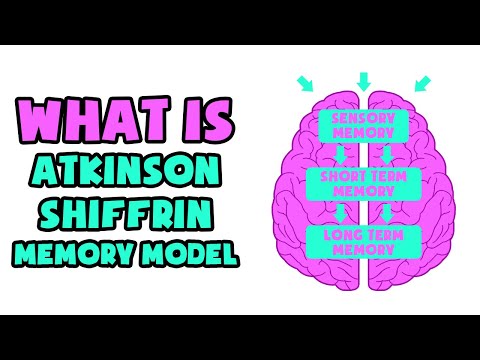
The Atkinson-Shiffrin memory model, proposed by Richard Atkinson and Richard Shiffrin in 1968, is a widely accepted framework for understanding human memory. It suggests that memory consists of three stages: sensory memory, short-term memory, and long-term memory. Sensory memory briefly stores information from the environment, while short-term memory holds information for a short period, typically up to 30 seconds. Information that is rehearsed or repeated is then transferred to long-term memory, where it can be stored for an extended period. This model has been influential in the field of psychology, with a vibe score of 80, and has been applied in various contexts, including education and cognitive training. However, it has also faced criticism and challenges from other theories, such as the levels of processing framework. With a controversy spectrum of 6, the Atkinson-Shiffrin model remains a topic of debate among researchers. The model's influence can be seen in the work of subsequent researchers, such as Fergus Craik and Robert Lockhart, who have built upon and modified the original framework.
📚 Introduction to Atkinson-Shiffrin Memory Model
The Atkinson-Shiffrin Memory Model, developed by Richard Atkinson and Richard Shiffrin in 1968, is a widely accepted theory of human memory. This model proposes that memory consists of three main components: sensory memory, short-term memory, and long-term memory. The Atkinson-Shiffrin Memory Model has been influential in shaping our understanding of human memory and has been applied in various fields, including psychology, education, and neuroscience. The model has also been the subject of much debate and criticism, with some researchers arguing that it oversimplifies the complexities of human memory. For example, Alan Baddeley has proposed an alternative model of working memory that includes multiple components. Despite these criticisms, the Atkinson-Shiffrin Memory Model remains a fundamental theory in the field of psychology.
👥 History of the Atkinson-Shiffrin Memory Model
The Atkinson-Shiffrin Memory Model has its roots in the early 20th century, when researchers such as Ehrlich and John Watson began exploring the concept of memory. However, it was not until the 1960s that Atkinson and Shiffrin developed their comprehensive theory of human memory. The model was influenced by earlier theories, such as the decay theory of memory, which proposed that memories fade over time due to the natural process of forgetting. The Atkinson-Shiffrin Memory Model built upon these earlier theories and provided a more detailed explanation of the memory process. The model has since been widely accepted and has influenced the work of many researchers, including Endel Tulving and Larry Squire.
💡 Key Components of the Atkinson-Shiffrin Memory Model
The Atkinson-Shiffrin Memory Model consists of three main components: sensory memory, short-term memory, and long-term memory. Sensory memory refers to the brief storage of sensory information, while short-term memory refers to the limited capacity storage of information that is currently being processed. Long-term memory, on the other hand, refers to the permanent storage of information that can be retrieved at a later time. The model also proposes that information can be transferred from one component to another through the process of rehearsal and encoding. For example, George Miller has shown that the capacity of short-term memory is limited to approximately seven chunks of information. The model has been applied in various fields, including psychology, education, and neuroscience.
📝 Sensory Memory in the Atkinson-Shiffrin Memory Model
Sensory memory is the first stage of the Atkinson-Shiffrin Memory Model, and it refers to the brief storage of sensory information. This stage is characterized by a limited capacity and a brief duration, typically lasting only a few seconds. Sensory memory is thought to be an automatic process that occurs without conscious awareness. For example, when we see a visual stimulus, it is stored in our sensory memory for a brief period of time before it is either transferred to short-term memory or forgotten. Researchers such as Ulric Neisser have shown that sensory memory plays an important role in the perception of visual information. The Atkinson-Shiffrin Memory Model proposes that sensory memory is a critical component of the memory process, as it provides the initial input for further processing. The model has been influential in shaping our understanding of human memory and has been applied in various fields, including psychology and education.
📝 Short-Term Memory in the Atkinson-Shiffrin Memory Model
Short-term memory is the second stage of the Atkinson-Shiffrin Memory Model, and it refers to the limited capacity storage of information that is currently being processed. This stage is characterized by a limited capacity, typically lasting only a few seconds to a minute, and a limited duration. Short-term memory is thought to be a conscious process that requires attention and effort. For example, when we try to remember a phone number, it is stored in our short-term memory until we can write it down or dial it. Researchers such as Norman Waugh have shown that short-term memory plays an important role in the processing of verbal information. The Atkinson-Shiffrin Memory Model proposes that short-term memory is a critical component of the memory process, as it provides a temporary storage of information that can be transferred to long-term memory. The model has been influential in shaping our understanding of human memory and has been applied in various fields, including psychology and education.
📝 Long-Term Memory in the Atkinson-Shiffrin Memory Model
Long-term memory is the final stage of the Atkinson-Shiffrin Memory Model, and it refers to the permanent storage of information that can be retrieved at a later time. This stage is characterized by a large capacity and a long duration, typically lasting from hours to years. Long-term memory is thought to be a relatively permanent process that requires minimal effort to maintain. For example, when we learn a new skill, such as riding a bike, it is stored in our long-term memory and can be retrieved at a later time. Researchers such as Endel Tulving have shown that long-term memory plays an important role in the storage of episodic information. The Atkinson-Shiffrin Memory Model proposes that long-term memory is a critical component of the memory process, as it provides a permanent storage of information that can be retrieved at a later time. The model has been influential in shaping our understanding of human memory and has been applied in various fields, including psychology and education.
🤔 Rehearsal and Encoding in the Atkinson-Shiffrin Memory Model
Rehearsal and encoding are two critical processes in the Atkinson-Shiffrin Memory Model. Rehearsal refers to the process of repeating information in order to transfer it from short-term memory to long-term memory. Encoding, on the other hand, refers to the process of converting information into a format that can be stored in long-term memory. For example, when we try to remember a new word, we may repeat it to ourselves several times in order to encode it into our long-term memory. Researchers such as Fergus Craik have shown that rehearsal and encoding play an important role in the formation of long-term memories. The Atkinson-Shiffrin Memory Model proposes that rehearsal and encoding are critical components of the memory process, as they provide the mechanisms by which information is transferred from one stage to another. The model has been influential in shaping our understanding of human memory and has been applied in various fields, including psychology and education.
📊 Criticisms and Limitations of the Atkinson-Shiffrin Memory Model
Despite its influence, the Atkinson-Shiffrin Memory Model has been subject to various criticisms and limitations. One of the main criticisms is that the model oversimplifies the complexities of human memory. For example, the model does not account for the role of emotion in memory, which is now known to play a critical role in the formation and retrieval of memories. Additionally, the model does not account for the role of context in memory, which is now known to play a critical role in the formation and retrieval of memories. Researchers such as Henry Roediger have proposed alternative models of memory that take into account these complexities. The Atkinson-Shiffrin Memory Model has also been criticized for its lack of empirical support, with some researchers arguing that the model is based on incomplete or inaccurate data. Despite these criticisms, the Atkinson-Shiffrin Memory Model remains a fundamental theory in the field of psychology.
📈 Influence of the Atkinson-Shiffrin Memory Model on Psychology
The Atkinson-Shiffrin Memory Model has had a significant influence on the field of psychology, with many researchers building upon the model to develop new theories and models of memory. For example, Alan Baddeley has proposed a model of working memory that includes multiple components, including a phonological loop and a visuospatial sketchpad. The model has also been applied in various fields, including education and neuroscience. The Atkinson-Shiffrin Memory Model has been used to develop new teaching methods and materials, such as the use of mnemonics to aid memory. The model has also been used to develop new treatments for memory disorders, such as Alzheimer's disease. The model has been influential in shaping our understanding of human memory and has been applied in various fields, including psychology and education.
📊 Modern Applications of the Atkinson-Shiffrin Memory Model
The Atkinson-Shiffrin Memory Model has many modern applications, including the development of new teaching methods and materials. For example, the model has been used to develop new methods for teaching foreign languages, such as the use of spaced repetition to aid memory. The model has also been used to develop new treatments for memory disorders, such as Alzheimer's disease. The model has been influential in shaping our understanding of human memory and has been applied in various fields, including psychology and education. The Atkinson-Shiffrin Memory Model has also been used to develop new technologies, such as brain-computer interfaces, which use the model to develop new methods for interacting with computers. The model has been influential in shaping our understanding of human memory and has been applied in various fields, including psychology and computer science.
📚 Conclusion and Future Directions for the Atkinson-Shiffrin Memory Model
In conclusion, the Atkinson-Shiffrin Memory Model is a widely accepted theory of human memory that proposes that memory consists of three main components: sensory memory, short-term memory, and long-term memory. The model has been influential in shaping our understanding of human memory and has been applied in various fields, including psychology, education, and neuroscience. Despite its limitations and criticisms, the Atkinson-Shiffrin Memory Model remains a fundamental theory in the field of psychology. Future research should continue to build upon the model, exploring new ways to apply the model to real-world problems and developing new theories and models of memory. The Atkinson-Shiffrin Memory Model has been influential in shaping our understanding of human memory and has been applied in various fields, including psychology and education.
Key Facts
- Year
- 1968
- Origin
- University of California, Los Angeles (UCLA)
- Category
- Psychology
- Type
- Theoretical Model
Frequently Asked Questions
What is the Atkinson-Shiffrin Memory Model?
The Atkinson-Shiffrin Memory Model is a widely accepted theory of human memory that proposes that memory consists of three main components: sensory memory, short-term memory, and long-term memory. The model was developed by Richard Atkinson and Richard Shiffrin in 1968 and has been influential in shaping our understanding of human memory. The model has been applied in various fields, including psychology, education, and neuroscience.
What are the three main components of the Atkinson-Shiffrin Memory Model?
The three main components of the Atkinson-Shiffrin Memory Model are sensory memory, short-term memory, and long-term memory. Sensory memory refers to the brief storage of sensory information, while short-term memory refers to the limited capacity storage of information that is currently being processed. Long-term memory, on the other hand, refers to the permanent storage of information that can be retrieved at a later time. The model proposes that information can be transferred from one component to another through the process of rehearsal and encoding.
What is the role of rehearsal and encoding in the Atkinson-Shiffrin Memory Model?
Rehearsal and encoding are two critical processes in the Atkinson-Shiffrin Memory Model. Rehearsal refers to the process of repeating information in order to transfer it from short-term memory to long-term memory. Encoding, on the other hand, refers to the process of converting information into a format that can be stored in long-term memory. The model proposes that rehearsal and encoding are critical components of the memory process, as they provide the mechanisms by which information is transferred from one stage to another. Researchers such as Fergus Craik have shown that rehearsal and encoding play an important role in the formation of long-term memories.
What are some criticisms of the Atkinson-Shiffrin Memory Model?
Despite its influence, the Atkinson-Shiffrin Memory Model has been subject to various criticisms and limitations. One of the main criticisms is that the model oversimplifies the complexities of human memory. For example, the model does not account for the role of emotion in memory, which is now known to play a critical role in the formation and retrieval of memories. Additionally, the model does not account for the role of context in memory, which is now known to play a critical role in the formation and retrieval of memories. Researchers such as Henry Roediger have proposed alternative models of memory that take into account these complexities.
What are some modern applications of the Atkinson-Shiffrin Memory Model?
The Atkinson-Shiffrin Memory Model has many modern applications, including the development of new teaching methods and materials. For example, the model has been used to develop new methods for teaching foreign languages, such as the use of spaced repetition to aid memory. The model has also been used to develop new treatments for memory disorders, such as Alzheimer's disease. The model has been influential in shaping our understanding of human memory and has been applied in various fields, including psychology and education.