
Contents
- 🌱 Origins & History
- ⚙️ How Autotrophs Work
- 📊 Key Facts & Numbers
- 👥 Key Organisms & Ecosystems
- 🌍 Cultural Impact & Influence
- ⚡ Current State & Latest Developments
- 🤔 Controversies & Debates
- 🔮 Future Outlook & Predictions
- 💡 Practical Applications
- 📚 Related Topics & Deeper Reading
- Frequently Asked Questions
- References
- Related Topics
Overview
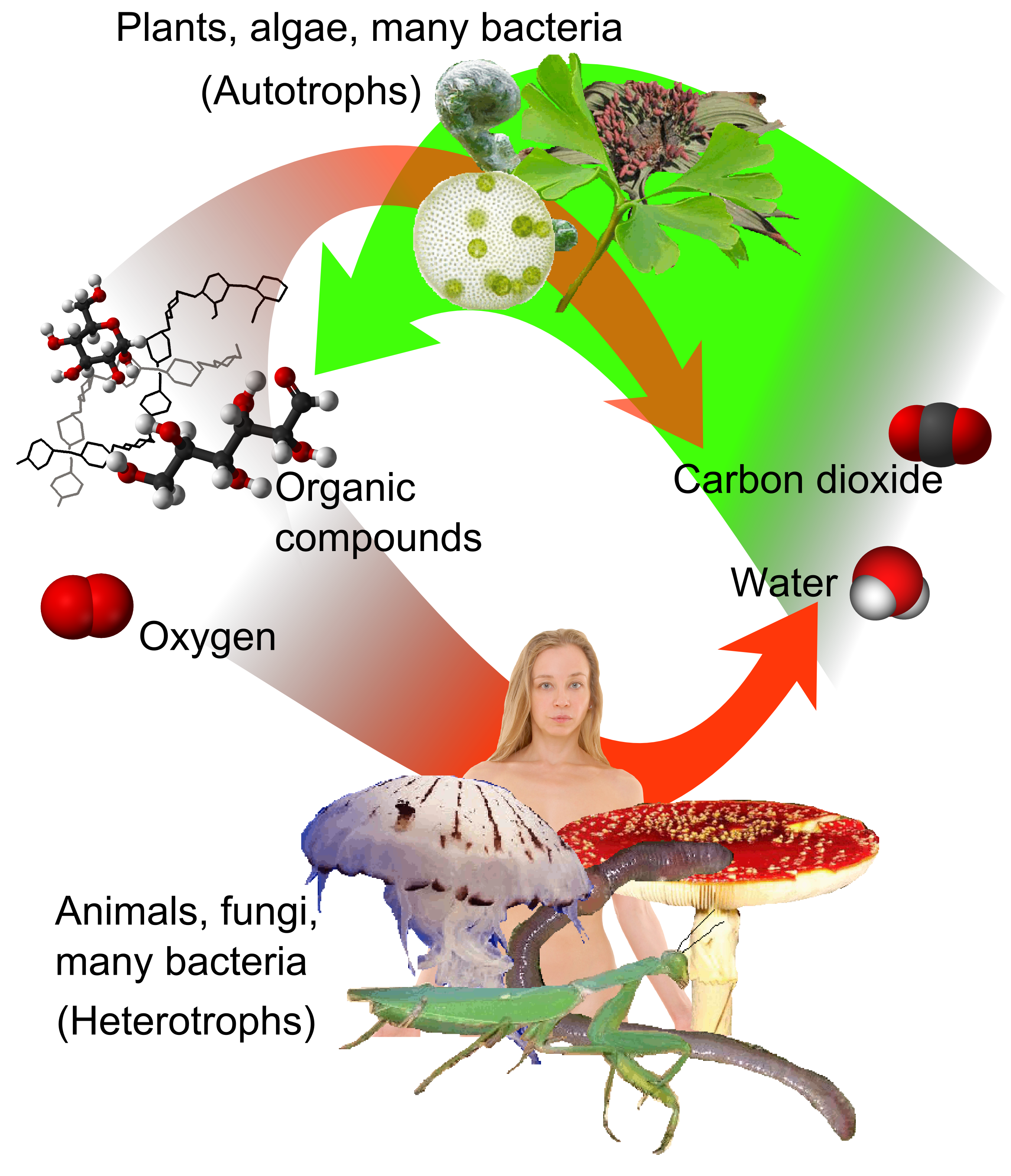
Autotrophs are organisms that can convert abiotic sources of energy into energy stored in organic compounds, serving as the foundation of regenerative ecosystems. These self-sustaining organisms, such as plants and algae, produce complex organic compounds using carbon from simple substances like carbon dioxide, leveraging energy from light or inorganic chemical reactions. By understanding autotrophs, we can better appreciate the intricate web of life and the importance of preserving biodiversity in our pursuit of a sustainable future.
🌱 Origins & History
Autotrophs have been a part of life on Earth, with various forms of autotrophic organisms existing. The evolution of autotrophs is closely tied to the development of the Earth's ecosystem. As we explore the history of autotrophs, we can gain a deeper understanding of the complex relationships between living organisms and their environment. For example, the symbiotic relationship between algae and fungi in lichen communities has allowed these organisms to thrive in even the most inhospitable environments.
⚙️ How Autotrophs Work
Autotrophs can be broadly categorized into two groups: phototrophs, which use light energy to produce organic compounds, and chemotrophs, which use energy from inorganic chemical reactions. This distinction is crucial in understanding the diverse range of autotrophic organisms, from the phytoplankton that form the base of aquatic food webs to the mycorrhizal fungi that facilitate nutrient exchange between plants and soil. By examining the mechanisms by which autotrophs produce energy, we can better appreciate the intricate web of relationships within ecosystems. For instance, the process of photosynthesis in plants is closely tied to the availability of water and nutrients, highlighting the importance of preserving healthy soil and water cycles.
📊 Key Facts & Numbers
The majority of autotrophic biomass is found in forests and oceans. By understanding the quantitative impact of autotrophs on our planet, we can better appreciate the importance of preserving these ecosystems.
👥 Key Organisms & Ecosystems
Key organisms such as plants, algae, and cyanobacteria play a crucial role in maintaining the health of ecosystems. These autotrophs are often found in symbiotic relationships with other organisms, such as mycorrhizal fungi and nitrogen-fixing bacteria, which facilitate nutrient exchange and promote the growth of autotrophs. By examining these relationships, we can gain a deeper understanding of the complex interactions within ecosystems. For instance, the relationship between legumes and rhizobia has been shown to promote soil fertility and reduce the need for synthetic fertilizers.
🌍 Cultural Impact & Influence
The cultural impact of autotrophs can be seen in the many indigenous cultures that have traditionally relied on these organisms for food, medicine, and spiritual practices. For example, the ayahuasca plant has been used for centuries in shamanic rituals in the Amazon region, highlighting the importance of preserving cultural knowledge and traditional practices. By recognizing the cultural significance of autotrophs, we can work to promote a more nuanced understanding of the natural world and our place within it.
⚡ Current State & Latest Developments
Current research on autotrophs is focused on understanding the complex relationships between these organisms and their environment. Recent studies have highlighted the importance of microbiome research in understanding the role of autotrophs in ecosystem health. By examining the interactions between autotrophs and other organisms, we can gain a deeper understanding of the complex web of life and the importance of preserving biodiversity. For example, the discovery of mycorrhizal networks has shown that plants and fungi can communicate and cooperate to promote the growth of autotrophs.
🤔 Controversies & Debates
Autotrophs are facing challenges in the modern world, reportedly due to various environmental factors. By recognizing the controversies and debates surrounding autotrophs, we can work to promote a more nuanced understanding of the natural world and our place within it.
🔮 Future Outlook & Predictions
As we look to the future, it is clear that autotrophs will play a crucial role in shaping the health of our planet. By understanding the complex relationships between autotrophs and their environment, we can work to promote the growth of these organisms and foster more resilient ecosystems.
💡 Practical Applications
The practical applications of autotrophs are numerous and varied. From the use of algae in biofuels to the development of mycorrhizal fungi-based fertilizers, autotrophs are being used to promote sustainability and reduce our reliance on synthetic chemicals. By examining these applications, we can gain a deeper understanding of the potential of autotrophs to shape our world.
Key Facts
- Year
- 2020
- Origin
- Earth
- Category
- environment
- Type
- concept
Frequently Asked Questions
What is the role of autotrophs in ecosystems?
Autotrophs are the primary producers of ecosystems, producing energy through photosynthesis or chemosynthesis and serving as the foundation of regenerative ecosystems. They play a crucial role in maintaining the health of ecosystems
How do autotrophs produce energy?
Autotrophs produce energy through photosynthesis or chemosynthesis, using light or inorganic chemical reactions to produce organic compounds.