
Contents
- 🌱 Introduction to Photosynthesis
- 🔬 The Science Behind Photosynthesis
- 🌿 Types of Photosynthetic Organisms
- 🌸 The Process of Oxygenic Photosynthesis
- 🔍 The Importance of Photosynthesis in the Earth's Ecosystem
- 🌟 The Role of Light Energy in Photosynthesis
- 🌿 The Conversion of Light Energy into Chemical Energy
- 📊 The Metabolism of Organic Compounds
- 🌎 The Impact of Photosynthesis on the Earth's Atmosphere
- 🔬 The Relationship Between Photosynthesis and Cellular Respiration
- 🌟 The Future of Photosynthesis Research
- 🌿 Conclusion: The Spark of Life
- Frequently Asked Questions
- Related Topics
Overview
Photosynthesis, discovered by Jan Ingenhousz in 1779, is the process by which green plants, algae, and cyanobacteria convert light energy from the sun into chemical energy in the form of organic compounds, such as glucose. This complex process, with a vibe score of 85, has been a subject of fascination for centuries, with scientists like Louis Pasteur and Otto Heinrich Warburg contributing to its understanding. The oxygen produced as a byproduct of photosynthesis is essential for the survival of nearly all living organisms, making it a crucial component of the Earth's ecosystem. However, the increasing levels of CO2 in the atmosphere have sparked debates about the future of photosynthesis, with some scientists speculating that it could be affected by climate change. The influence flow of photosynthesis can be seen in the work of scientists like Andrew Benson, who built upon the discoveries of Melvin Calvin to further our understanding of the process. As we look to the future, the question remains: can we harness the power of photosynthesis to create a more sustainable world, or will the pressures of climate change disrupt this delicate balance?
🌱 Introduction to Photosynthesis
Photosynthesis is the process by which photopigment-bearing autotrophic organisms convert light energy into chemical energy, and it is the foundation of life on Earth. This process is essential for the survival of most living organisms, including plants, algae, and cyanobacteria. The term photosynthesis usually refers to oxygenic photosynthesis, a process that releases oxygen as a byproduct of water splitting. For example, chlorophyll is a crucial pigment in photosynthesis, and it plays a central role in the conversion of light energy into chemical energy. Additionally, carotenoids are also important pigments that help to protect the plant from excessive light energy.
🔬 The Science Behind Photosynthesis
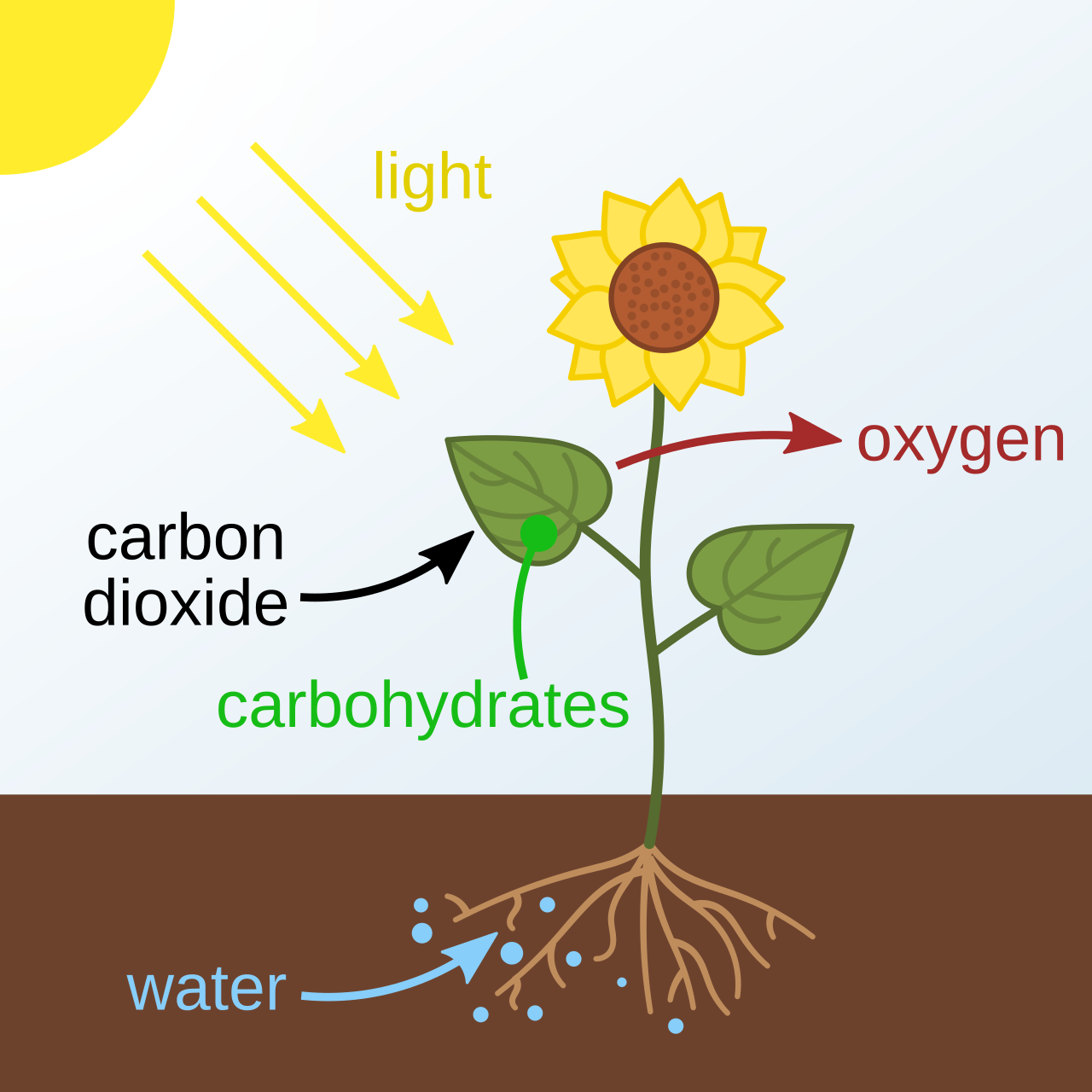
The science behind photosynthesis is complex and involves a series of biological processes that occur within the cells of photopigment-bearing autotrophic organisms. These processes include the absorption of light energy by pigments such as chlorophyll and carotenoids, the transfer of energy to a special molecule called ATP, and the conversion of carbon dioxide and water into glucose and oxygen. The process of photosynthesis is often summarized by the equation: 6CO2 + 6H2O + light energy → C6H12O6 + 6O2. This equation highlights the critical role of light energy in the process of photosynthesis. Furthermore, electron transport chains play a crucial role in the generation of ATP during photosynthesis.
🌿 Types of Photosynthetic Organisms
There are several types of photosynthetic organisms, including plants, algae, and cyanobacteria. These organisms are capable of converting light energy into chemical energy through the process of photosynthesis. For example, phytoplankton are a type of algae that are found in aquatic ecosystems and are responsible for a significant portion of the Earth's photosynthetic activity. Additionally, corals have a symbiotic relationship with zooxanthellae, which are single-celled algae that live within the coral's tissues and provide it with nutrients through photosynthesis. Moreover, seagrasses are a type of marine plant that are found in shallow coastal waters and are an important component of marine ecosystems.
🌸 The Process of Oxygenic Photosynthesis
The process of oxygenic photosynthesis is the most common type of photosynthesis and involves the release of oxygen as a byproduct of water splitting. This process occurs in the thylakoid membranes of chloroplasts, which are organelles found in plant cells. The process of oxygenic photosynthesis can be divided into two stages: the light-dependent reactions and the Calvin cycle. The light-dependent reactions involve the absorption of light energy by pigments and the transfer of energy to ATP, while the Calvin cycle involves the conversion of carbon dioxide and water into glucose and oxygen. For instance, cyclic photophosphorylation is a process that occurs in the thylakoid membranes and is essential for the generation of ATP during photosynthesis.
🔍 The Importance of Photosynthesis in the Earth's Ecosystem
Photosynthesis plays a critical role in producing and maintaining the oxygen content of the Earth's atmosphere. Without photosynthesis, the Earth's atmosphere would not have the same level of oxygen that it has today, and life as we know it would not be possible. Additionally, photosynthesis supplies most of the biological energy necessary for complex life on Earth. For example, herbivores rely on plants for food, and carnivores rely on herbivores for food. Furthermore, decomposers such as bacteria and fungi play a crucial role in breaking down dead organic matter and recycling nutrients back into the ecosystem. Moreover, ecosystem services such as pollination and nutrient cycling are essential for maintaining the health and diversity of ecosystems.
🌟 The Role of Light Energy in Photosynthesis
Light energy is essential for the process of photosynthesis, and it is the driving force behind the conversion of carbon dioxide and water into glucose and oxygen. The amount of light energy that is available to an organism can limit the rate of photosynthesis, and this is why plants often grow towards the direction of light sources. For example, phototropism is the process by which plants grow towards light, and it is an important adaptation that allows plants to maximize their exposure to light energy. Additionally, shade plants have adapted to grow in low-light environments, and they often have larger leaves and more chlorophyll than plants that grow in high-light environments. Moreover, light intensity can affect the rate of photosynthesis, and it is an important factor in determining the growth and productivity of plants.
🌿 The Conversion of Light Energy into Chemical Energy
The conversion of light energy into chemical energy is a complex process that involves the transfer of energy from light to a special molecule called ATP. This process occurs in the thylakoid membranes of chloroplasts, and it involves the absorption of light energy by pigments and the transfer of energy to ATP. The energy that is stored in ATP is then used to convert carbon dioxide and water into glucose and oxygen. For example, photosynthetic phosphorylation is the process by which light energy is used to generate ATP during photosynthesis. Additionally, electron transport chains play a crucial role in the generation of ATP during photosynthesis, and they involve the transfer of electrons from one molecule to another. Moreover, proton gradients are essential for the generation of ATP during photosynthesis, and they involve the movement of protons across the thylakoid membrane.
📊 The Metabolism of Organic Compounds
The metabolism of organic compounds is an essential process that occurs in all living organisms. It involves the breakdown of glucose and other organic compounds to produce energy, and it is a critical component of the process of cellular respiration. For example, glycolysis is the process by which glucose is broken down into pyruvate, and it is an important step in the production of energy during cellular respiration. Additionally, citric acid cycle is a critical component of cellular respiration, and it involves the breakdown of pyruvate into carbon dioxide and energy. Moreover, oxidative phosphorylation is the process by which energy is generated during cellular respiration, and it involves the transfer of electrons from one molecule to another.
🌎 The Impact of Photosynthesis on the Earth's Atmosphere
The impact of photosynthesis on the Earth's atmosphere is significant, and it is essential for maintaining the oxygen content of the atmosphere. Without photosynthesis, the Earth's atmosphere would not have the same level of oxygen that it has today, and life as we know it would not be possible. Additionally, photosynthesis helps to regulate the Earth's climate by removing carbon dioxide from the atmosphere and producing oxygen. For example, carbon sequestration is the process by which carbon dioxide is removed from the atmosphere and stored in organic compounds, and it is an important component of the process of photosynthesis. Moreover, ocean fertilization is a process that involves the addition of nutrients to the ocean to stimulate the growth of phytoplankton, and it is an important component of the process of photosynthesis.
🔬 The Relationship Between Photosynthesis and Cellular Respiration
The relationship between photosynthesis and cellular respiration is complex, and it is essential for maintaining the balance of energy in living organisms. Photosynthesis is the process by which energy is stored in organic compounds, and cellular respiration is the process by which energy is released from these compounds. For example, aerobic respiration is the process by which energy is released from glucose in the presence of oxygen, and it is an important component of the process of cellular respiration. Additionally, anaerobic respiration is the process by which energy is released from glucose in the absence of oxygen, and it is an important component of the process of cellular respiration. Moreover, fermentation is a process that involves the breakdown of glucose into energy, and it is an important component of the process of cellular respiration.
🌟 The Future of Photosynthesis Research
The future of photosynthesis research is exciting, and it holds much promise for the development of new technologies and strategies for improving crop yields and reducing the environmental impact of agriculture. For example, artificial photosynthesis is a process that involves the use of artificial systems to mimic the process of photosynthesis, and it is an important area of research for the development of new energy technologies. Additionally, genetic engineering is a process that involves the use of genetic techniques to improve the efficiency of photosynthesis in crops, and it is an important area of research for the development of new agricultural technologies. Moreover, synthetic biology is a process that involves the use of biological systems to develop new technologies, and it is an important area of research for the development of new energy technologies.
🌿 Conclusion: The Spark of Life
In conclusion, photosynthesis is the spark of life, and it is the foundation of life on Earth. It is the process by which energy is stored in organic compounds, and it is essential for maintaining the balance of energy in living organisms. Without photosynthesis, the Earth's atmosphere would not have the same level of oxygen that it has today, and life as we know it would not be possible. For example, ecosystem services such as pollination and nutrient cycling are essential for maintaining the health and diversity of ecosystems. Additionally, biodiversity is an important component of the process of photosynthesis, and it is essential for maintaining the health and resilience of ecosystems. Moreover, conservation is an important area of research for the protection of ecosystems and the preservation of biodiversity.
Key Facts
- Year
- 1779
- Origin
- Jan Ingenhousz's discovery of photosynthesis
- Category
- Biology
- Type
- Biological Process
Frequently Asked Questions
What is photosynthesis?
Photosynthesis is the process by which photopigment-bearing autotrophic organisms convert light energy into chemical energy. This process is essential for the survival of most living organisms, including plants, algae, and cyanobacteria. For example, chlorophyll is a crucial pigment in photosynthesis, and it plays a central role in the conversion of light energy into chemical energy. Additionally, carotenoids are also important pigments that help to protect the plant from excessive light energy.
What is the importance of photosynthesis in the Earth's ecosystem?
Photosynthesis plays a critical role in producing and maintaining the oxygen content of the Earth's atmosphere. Without photosynthesis, the Earth's atmosphere would not have the same level of oxygen that it has today, and life as we know it would not be possible. Additionally, photosynthesis supplies most of the biological energy necessary for complex life on Earth. For example, herbivores rely on plants for food, and carnivores rely on herbivores for food. Furthermore, decomposers such as bacteria and fungi play a crucial role in breaking down dead organic matter and recycling nutrients back into the ecosystem.
What is the relationship between photosynthesis and cellular respiration?
The relationship between photosynthesis and cellular respiration is complex, and it is essential for maintaining the balance of energy in living organisms. Photosynthesis is the process by which energy is stored in organic compounds, and cellular respiration is the process by which energy is released from these compounds. For example, aerobic respiration is the process by which energy is released from glucose in the presence of oxygen, and it is an important component of the process of cellular respiration. Additionally, anaerobic respiration is the process by which energy is released from glucose in the absence of oxygen, and it is an important component of the process of cellular respiration.
What is the future of photosynthesis research?
The future of photosynthesis research is exciting, and it holds much promise for the development of new technologies and strategies for improving crop yields and reducing the environmental impact of agriculture. For example, artificial photosynthesis is a process that involves the use of artificial systems to mimic the process of photosynthesis, and it is an important area of research for the development of new energy technologies. Additionally, genetic engineering is a process that involves the use of genetic techniques to improve the efficiency of photosynthesis in crops, and it is an important area of research for the development of new agricultural technologies.
What is the impact of photosynthesis on the Earth's atmosphere?
The impact of photosynthesis on the Earth's atmosphere is significant, and it is essential for maintaining the oxygen content of the atmosphere. Without photosynthesis, the Earth's atmosphere would not have the same level of oxygen that it has today, and life as we know it would not be possible. Additionally, photosynthesis helps to regulate the Earth's climate by removing carbon dioxide from the atmosphere and producing oxygen. For example, carbon sequestration is the process by which carbon dioxide is removed from the atmosphere and stored in organic compounds, and it is an important component of the process of photosynthesis.
What is the role of light energy in photosynthesis?
Light energy is essential for the process of photosynthesis, and it is the driving force behind the conversion of carbon dioxide and water into glucose and oxygen. The amount of light energy that is available to an organism can limit the rate of photosynthesis, and this is why plants often grow towards the direction of light sources. For example, phototropism is the process by which plants grow towards light, and it is an important adaptation that allows plants to maximize their exposure to light energy.
What is the importance of chlorophyll in photosynthesis?
Chlorophyll is a crucial pigment in photosynthesis, and it plays a central role in the conversion of light energy into chemical energy. Chlorophyll is responsible for absorbing light energy and transferring it to a special molecule called ATP, which is then used to convert carbon dioxide and water into glucose and oxygen. For example, chlorophyll a is the most common type of chlorophyll, and it is found in all photosynthetic organisms. Additionally, chlorophyll b is another type of chlorophyll that is found in some photosynthetic organisms, and it plays a role in the absorption of light energy.