
Contents
- 🏦 Introduction to Banking
- 💸 History of Banking
- 📈 Banking and the Economy
- 🏢 Types of Banks
- 📊 Banking Operations
- 💰 Lending and Credit
- 📊 Risk Management in Banking
- 🚨 Banking Regulations and Supervision
- 🌎 International Banking
- 🤝 Banking and Technology
- 📊 The Future of Banking
- Frequently Asked Questions
- Related Topics
Overview
Banking is a multifaceted industry with a history dating back to ancient civilizations, such as the Medici family in 15th-century Italy. Today, it encompasses a broad range of services, including retail banking, investment banking, and central banking, with key players like JPMorgan Chase, Goldman Sachs, and the Federal Reserve. The sector has undergone significant transformations, from the introduction of the ATM in 1967 to the rise of digital banking and fintech companies like PayPal and Stripe. However, banking has also been marred by controversies, such as the 2008 financial crisis, which highlighted issues of deregulation and risk management. As the industry continues to evolve, it must balance innovation with stability, and address concerns around inequality, cybersecurity, and environmental sustainability. With a projected global market size of $143.6 trillion by 2025, banking remains a vital component of the global economy, with the potential to shape the future of finance and commerce.
🏦 Introduction to Banking
The banking system is a complex network of financial institutions that play a crucial role in the functioning of a country's economy. At its core, a bank is a financial institution that accepts deposits from the public and creates a demand deposit while making loans, as explained in the Banking 101 guide. The history of banking dates back to ancient times, with early forms of banking emerging in Ancient Civilizations such as Greece and Rome. Today, banking is a global industry, with banks like JPMorgan Chase and Bank of America operating in multiple countries. The Economy relies heavily on the banking system to facilitate transactions, manage risk, and provide access to credit.
💸 History of Banking
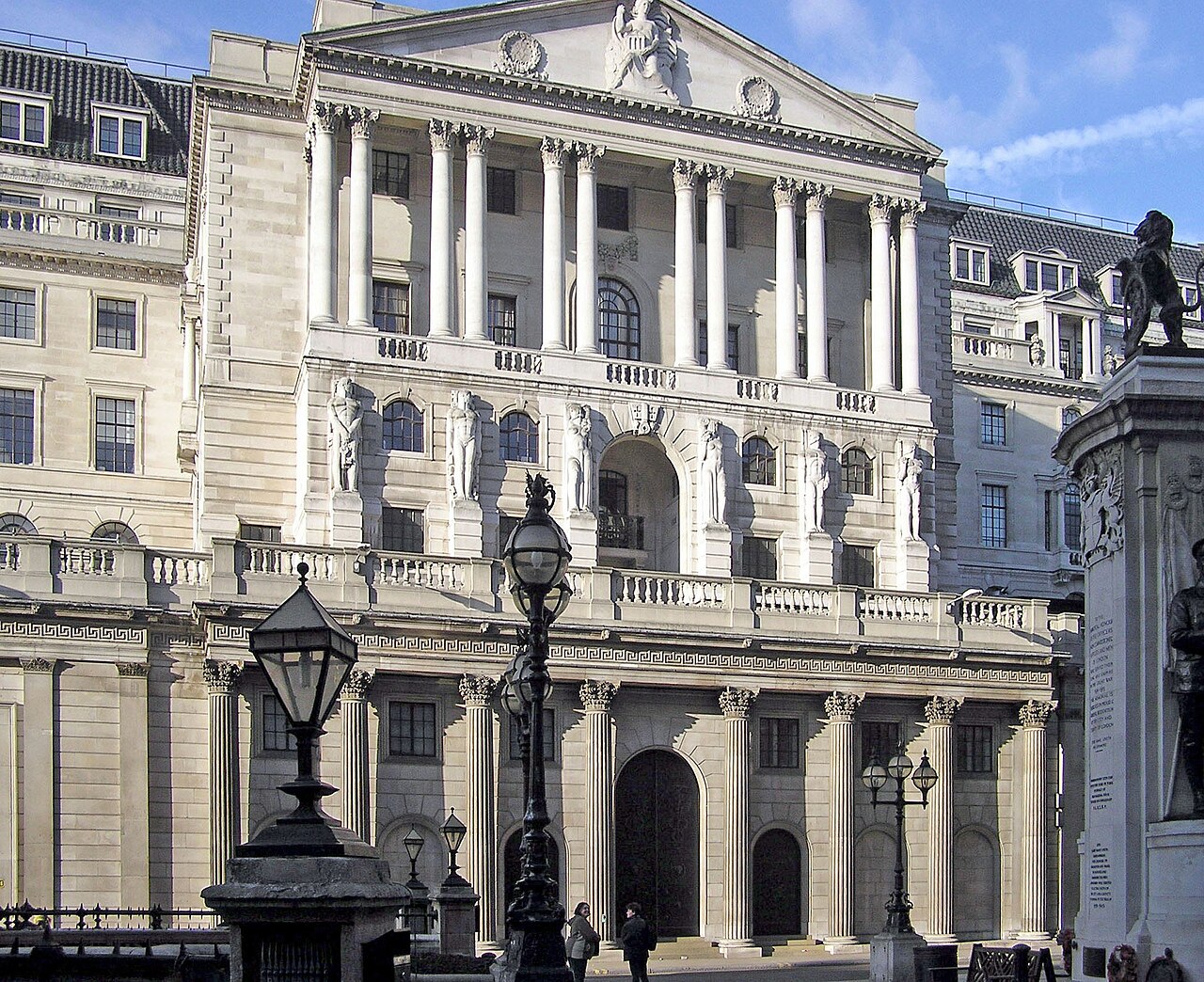
The history of banking is a long and complex one, with various forms of banking emerging over time. The first modern banks emerged in Italy during the Renaissance, with the Medici Bank being one of the most notable examples. The development of banking in United Kingdom and United States was also significant, with the establishment of central banks like the Federal Reserve and the Bank of England. The Gold Standard also played a crucial role in the development of banking, as it provided a stable store of value and facilitated international trade. However, the Great Depression and subsequent World War II led to significant changes in the banking system, with the establishment of new regulatory frameworks and the emergence of new types of banks.
📈 Banking and the Economy
The banking system plays a critical role in the functioning of a country's economy. Banks provide access to credit, facilitate transactions, and manage risk, all of which are essential for economic growth and development. The Monetary Policy implemented by central banks like the European Central Bank and the Federal Reserve also has a significant impact on the economy, as it influences interest rates and the money supply. The Fiscal Policy implemented by governments also interacts with the banking system, as it affects the level of government spending and taxation. The International Trade also relies heavily on the banking system, as it facilitates the exchange of goods and services between countries. However, the Global Financial Crisis highlighted the need for more effective regulation and supervision of the banking system.
🏢 Types of Banks
There are several types of banks, each with its own unique characteristics and functions. Commercial Banks provide basic banking services like deposit accounts and loans, while Investment Banks specialize in investment banking services like mergers and acquisitions and securities trading. Central Banks are responsible for implementing monetary policy and regulating the banking system, while Development Banks provide financing for development projects in countries. Credit Unions are member-owned cooperatives that provide financial services to their members, while Savings Banks specialize in accepting deposits and providing savings accounts. The Banking Industry is also subject to various regulations and standards, such as the Basel III framework.
📊 Banking Operations
Banking operations involve a range of activities, from accepting deposits and making loans to managing risk and providing investment services. Core Banking systems are used to manage the day-to-day operations of a bank, while Online Banking platforms provide customers with access to their accounts and banking services over the internet. Mobile Banking apps also provide customers with access to banking services on their mobile devices. The Banking Technology is constantly evolving, with the use of Artificial Intelligence and Blockchain becoming more prevalent. However, the Cybersecurity of banking systems is also a major concern, as it is essential to protect customer data and prevent cyber attacks.
💰 Lending and Credit
Lending and credit are critical components of the banking system, as they provide access to capital for individuals and businesses. Credit Scoring models are used to assess the creditworthiness of borrowers, while Loan Origination systems are used to manage the loan application process. Credit Risk is a major concern for banks, as it can result in significant losses if not managed properly. The Subprime Lending crisis highlighted the need for more effective regulation and supervision of lending practices. However, the Fintech industry is also providing new opportunities for lending and credit, with the emergence of Peer-to-Peer Lending platforms and Crowdfunding sites.
📊 Risk Management in Banking
Risk management is a critical component of banking operations, as it helps to mitigate potential losses and ensure the stability of the financial system. Risk Assessment models are used to identify and assess potential risks, while Risk Mitigation strategies are used to reduce or eliminate risks. Compliance with regulatory requirements is also essential, as it helps to ensure that banks are operating in a safe and sound manner. The Solvency II framework provides a comprehensive framework for managing risk in the insurance industry, while the Basel III framework provides a comprehensive framework for managing risk in the banking industry. However, the Systemic Risk posed by large and complex financial institutions is also a major concern, as it can have significant implications for the stability of the financial system.
🚨 Banking Regulations and Supervision
Banking regulations and supervision are critical components of the banking system, as they help to ensure the stability and soundness of the financial system. Banking Regulations provide a framework for banking operations, while Banking Supervision involves the monitoring and oversight of banking activities. The Dodd-Frank Act provides a comprehensive framework for regulating the banking industry in the United States, while the EU Banking Union provides a comprehensive framework for regulating the banking industry in the European Union. However, the Regulatory Arbitrage is also a major concern, as it can create opportunities for banks to exploit loopholes and weaknesses in the regulatory framework.
🌎 International Banking
International banking involves the provision of banking services across national borders, and is a critical component of the global financial system. International Banking provides access to capital and financial services for individuals and businesses operating in multiple countries. The Foreign Exchange market is a critical component of international banking, as it provides a platform for the exchange of currencies. However, the Exchange Rate Risk is also a major concern, as it can have significant implications for the profitability and stability of banking operations. The International Monetary Fund provides a framework for international cooperation and coordination on monetary policy and financial stability.
🤝 Banking and Technology
The banking industry is undergoing significant changes, driven by advances in technology and changes in consumer behavior. Digital Banking platforms provide customers with access to banking services over the internet and mobile devices, while Fintech companies are providing new and innovative financial services and products. The Blockchain technology is also being explored for its potential to provide a secure and transparent platform for financial transactions. However, the Cybersecurity of banking systems is also a major concern, as it is essential to protect customer data and prevent cyber attacks. The Banking Technology is constantly evolving, with the use of Artificial Intelligence and Machine Learning becoming more prevalent.
📊 The Future of Banking
The future of banking is likely to be shaped by a range of factors, including advances in technology, changes in consumer behavior, and shifts in the global economic landscape. Banking Innovation is critical to the future of the industry, as it provides a platform for the development of new and innovative financial services and products. The Fintech industry is also likely to play a significant role in shaping the future of banking, as it provides a platform for the development of new and innovative financial services and products. However, the Regulatory Environment is also likely to play a significant role in shaping the future of banking, as it provides a framework for the regulation and supervision of banking activities.
Key Facts
- Year
- 2023
- Origin
- Ancient Civilizations
- Category
- Finance
- Type
- Industry
Frequently Asked Questions
What is the primary function of a bank?
The primary function of a bank is to accept deposits from the public and create a demand deposit while making loans. Banks provide access to credit, facilitate transactions, and manage risk, all of which are essential for economic growth and development. The Banking 101 guide provides a comprehensive overview of the banking system and its functions. The Economy relies heavily on the banking system to facilitate transactions, manage risk, and provide access to credit.
What are the different types of banks?
There are several types of banks, each with its own unique characteristics and functions. Commercial Banks provide basic banking services like deposit accounts and loans, while Investment Banks specialize in investment banking services like mergers and acquisitions and securities trading. Central Banks are responsible for implementing monetary policy and regulating the banking system, while Development Banks provide financing for development projects in countries. The Banking Industry is also subject to various regulations and standards, such as the Basel III framework.
What is the role of risk management in banking?
Risk management is a critical component of banking operations, as it helps to mitigate potential losses and ensure the stability of the financial system. Risk Assessment models are used to identify and assess potential risks, while Risk Mitigation strategies are used to reduce or eliminate risks. The Solvency II framework provides a comprehensive framework for managing risk in the insurance industry, while the Basel III framework provides a comprehensive framework for managing risk in the banking industry. The Systemic Risk posed by large and complex financial institutions is also a major concern, as it can have significant implications for the stability of the financial system.
What is the impact of technology on the banking industry?
The banking industry is undergoing significant changes, driven by advances in technology and changes in consumer behavior. Digital Banking platforms provide customers with access to banking services over the internet and mobile devices, while Fintech companies are providing new and innovative financial services and products. The Blockchain technology is also being explored for its potential to provide a secure and transparent platform for financial transactions. However, the Cybersecurity of banking systems is also a major concern, as it is essential to protect customer data and prevent cyber attacks.
What is the future of banking?
The future of banking is likely to be shaped by a range of factors, including advances in technology, changes in consumer behavior, and shifts in the global economic landscape. Banking Innovation is critical to the future of the industry, as it provides a platform for the development of new and innovative financial services and products. The Fintech industry is also likely to play a significant role in shaping the future of banking, as it provides a platform for the development of new and innovative financial services and products. However, the Regulatory Environment is also likely to play a significant role in shaping the future of banking, as it provides a framework for the regulation and supervision of banking activities.
What is the role of international banking in the global financial system?
International banking involves the provision of banking services across national borders, and is a critical component of the global financial system. International Banking provides access to capital and financial services for individuals and businesses operating in multiple countries. The Foreign Exchange market is a critical component of international banking, as it provides a platform for the exchange of currencies. However, the Exchange Rate Risk is also a major concern, as it can have significant implications for the profitability and stability of banking operations.
What is the impact of regulatory environment on the banking industry?
The regulatory environment has a significant impact on the banking industry, as it provides a framework for the regulation and supervision of banking activities. The Dodd-Frank Act provides a comprehensive framework for regulating the banking industry in the United States, while the EU Banking Union provides a comprehensive framework for regulating the banking industry in the European Union. However, the Regulatory Arbitrage is also a major concern, as it can create opportunities for banks to exploit loopholes and weaknesses in the regulatory framework.