
Contents
- 🚀 Introduction to Battery Electric Vehicles
- 🔋 Battery Technology and Design
- 🚗 History of Electric Vehicles
- 📈 Market Trends and Adoption
- 🚫 Challenges and Limitations
- 💡 Charging Infrastructure and Solutions
- 🔩 Electric Motor and Powertrain
- 📊 Environmental Impact and Sustainability
- 👥 Key Players and Manufacturers
- 🤔 Future Developments and Innovations
- 📊 Economic and Social Implications
- 🚗 Conclusion and Outlook
- Frequently Asked Questions
- Related Topics
Overview
Battery electric vehicles (BEVs) have been gaining traction since the launch of the Tesla Roadster in 2008, with companies like Nissan, BMW, and Volkswagen investing heavily in the technology. As of 2022, over 20 million BEVs are on the road worldwide, with countries like Norway and China leading the adoption. The controversy surrounding range anxiety and charging infrastructure has been somewhat alleviated by advancements in battery technology, such as solid-state batteries, which promise to increase range and reduce charging times. However, the production of BEVs still poses environmental concerns, including the mining of lithium and other rare earth metals. Despite these challenges, BEVs are expected to continue to disrupt the automotive industry, with many countries implementing policies to phase out internal combustion engines. By 2030, it's estimated that over 50% of new car sales will be electric, with companies like Tesla, Rivian, and Lucid Motors leading the charge.
🚀 Introduction to Battery Electric Vehicles
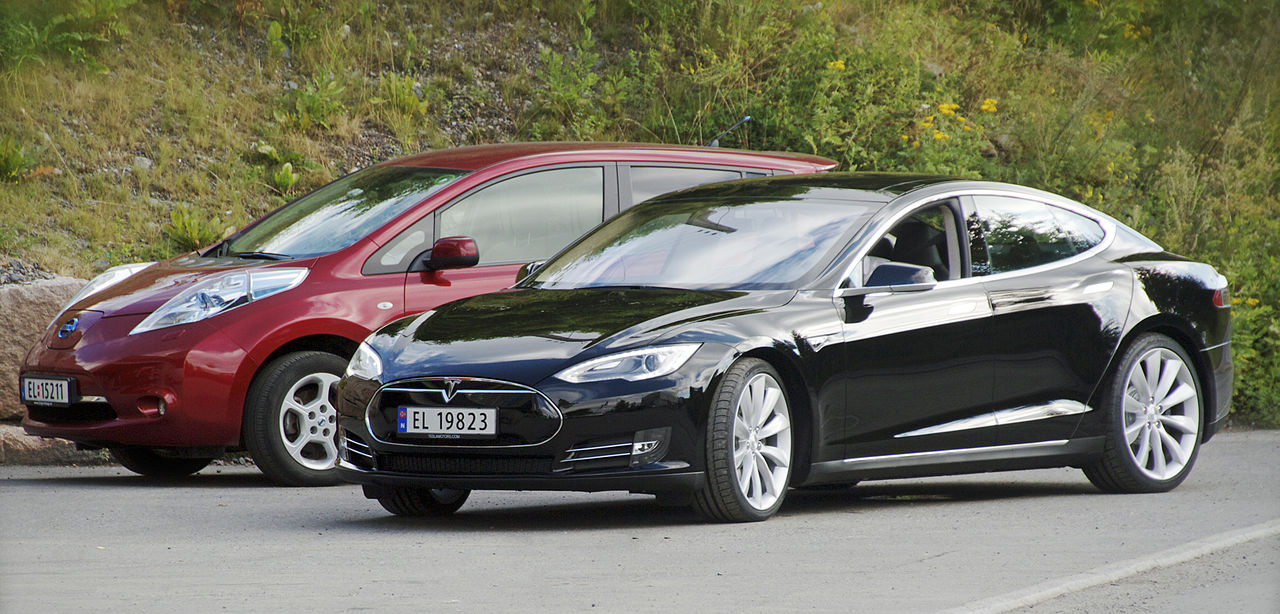
Battery electric vehicles (BEVs) have been gaining popularity in recent years, with many Automakers investing heavily in the development of Electric Vehicles. A BEV uses electrical energy exclusively from an on-board Battery Pack to power one or more Electric Traction Motors, on which the vehicle solely relies for propulsion. This is in contrast to Hybrid Vehicles, which use a combination of electric and Internal Combustion Engines. As the world shifts towards more sustainable and environmentally friendly transportation options, BEVs are becoming an increasingly important part of the Automotive Industry. With the help of Government Incentives and Technological Advancements, BEVs are becoming more affordable and accessible to the general public.
🔋 Battery Technology and Design
The Battery Technology used in BEVs is a crucial component of the vehicle's overall performance and efficiency. The most common type of battery used in BEVs is the Lithium-Ion Battery, which offers a high energy density and long cycle life. However, other types of batteries, such as Sodium-Ion Batteries and Solid-State Batteries, are also being developed and tested. The design of the battery pack is also important, with factors such as Thermal Management and Electrical Architecture playing a critical role in the overall performance of the vehicle. As Research and Development continues to advance, we can expect to see even more efficient and effective battery technologies emerge.
🚗 History of Electric Vehicles
The History of Electric Vehicles dates back to the 19th century, with the first electric vehicles being developed in the 1830s. However, it wasn't until the late 1990s and early 2000s that BEVs began to gain popularity, with the introduction of vehicles such as the Tesla Roadster and the Nissan Leaf. Since then, the Electric Vehicle Market has grown rapidly, with many Automakers investing heavily in the development of BEVs. Today, BEVs are available in a wide range of styles and sizes, from compact City Cars to large Luxury Vehicles. With the help of Government Policies and Technological Advancements, the adoption of BEVs is expected to continue to grow in the coming years.
📈 Market Trends and Adoption
The Market Trends for BEVs are highly positive, with many Analysts predicting that BEVs will become the dominant form of transportation in the coming decades. The Global Electric Vehicle Market is expected to grow from around 2 million units in 2020 to over 14 million units by 2025, with BEVs accounting for the majority of sales. This growth is being driven by a combination of factors, including Government Incentives, Technological Advancements, and increasing Consumer Demand. As the Electric Vehicle Market continues to grow, we can expect to see even more innovative and exciting BEVs emerge. With the help of Data Analytics and Market Research, Automakers are able to better understand Consumer Preferences and develop vehicles that meet their needs.
🚫 Challenges and Limitations
Despite the many advantages of BEVs, there are also several Challenges and Limitations that must be addressed. One of the main challenges is the limited Range and Charging capabilities of BEVs, which can make long-distance travel difficult. Additionally, the high upfront cost of BEVs can be a barrier for many Consumers. However, as Technological Advancements continue to improve the efficiency and affordability of BEVs, these challenges are becoming less significant. With the help of Government Incentives and Private Investment, the Electric Vehicle Industry is working to address these challenges and make BEVs more accessible to the general public. As the Electric Vehicle Market continues to grow, we can expect to see even more innovative solutions to these challenges emerge.
💡 Charging Infrastructure and Solutions
The Charging Infrastructure for BEVs is a critical component of the overall Electric Vehicle Ecosystem. As the number of BEVs on the road continues to grow, there is an increasing need for convenient and efficient charging solutions. This is being addressed through the development of Fast Charging technologies, which can charge a BEV to 80% in under 30 minutes. Additionally, the installation of Public Charging Stations is becoming more widespread, making it easier for BEV owners to charge their vehicles on the go. With the help of Smart Grid Technologies and Renewable Energy Sources, the Electric Vehicle Industry is working to create a more sustainable and efficient charging infrastructure.
🔩 Electric Motor and Powertrain
The Electric Motor is a critical component of a BEV, providing the power and efficiency needed to propel the vehicle. The most common type of electric motor used in BEVs is the Permanent Magnet Motor, which offers high efficiency and reliability. However, other types of motors, such as Induction Motors and Switched Relayuctance Motors, are also being used. The Powertrain of a BEV is also an important consideration, with factors such as Gear Ratio and Torque Vectoring playing a critical role in the overall performance of the vehicle. As Research and Development continues to advance, we can expect to see even more efficient and effective electric motors and powertrains emerge.
📊 Environmental Impact and Sustainability
The Environmental Impact of BEVs is a highly positive one, with BEVs producing zero Tailpipe Emissions and significantly reducing Greenhouse Gas Emissions. Additionally, BEVs are often powered by Renewable Energy Sources, such as Solar Energy and Wind Energy, which further reduces their environmental impact. However, the production of BEVs can have a significant environmental impact, particularly in terms of Resource Extraction and Manufacturing Emissions. As the Electric Vehicle Industry continues to grow, it is essential that Sustainable Practices are adopted to minimize the environmental impact of BEV production. With the help of Life Cycle Assessment and Carbon Footprint Analysis, Automakers are able to better understand the environmental impact of their vehicles and develop more sustainable production methods.
👥 Key Players and Manufacturers
The Key Players in the BEV market are the Automakers that are investing heavily in the development of BEVs. Companies such as Tesla, General Motors, and Volkswagen are leading the charge, with a wide range of BEV models available. Additionally, Technology Companies such as Google and Amazon are also playing a critical role in the development of BEVs, with investments in Autonomous Driving and Electric Vehicle Charging. As the Electric Vehicle Market continues to grow, we can expect to see even more innovative and exciting BEVs emerge from these and other Key Players. With the help of Partnerships and Collaborations, the Electric Vehicle Industry is working to create a more sustainable and efficient transportation system.
🤔 Future Developments and Innovations
The Future Developments in the BEV market are highly exciting, with a wide range of innovative technologies and vehicles on the horizon. One of the most significant developments is the introduction of Solid-State Batteries, which offer improved safety, efficiency, and range. Additionally, the development of Autonomous Driving technologies is expected to have a major impact on the BEV market, with the potential for fully autonomous vehicles to revolutionize the way we travel. With the help of Artificial Intelligence and Machine Learning, the Electric Vehicle Industry is working to create a more sustainable, efficient, and safe transportation system. As the Electric Vehicle Market continues to grow, we can expect to see even more innovative and exciting developments emerge.
🚗 Conclusion and Outlook
In conclusion, the BEV market is a highly exciting and rapidly evolving industry, with the potential to create a more sustainable, efficient, and safe transportation system. As the Electric Vehicle Market continues to grow, we can expect to see even more innovative and exciting BEVs emerge, from Compact Cars to Luxury Vehicles. With the help of Government Incentives, Technological Advancements, and increasing Consumer Demand, the adoption of BEVs is expected to continue to grow in the coming years. As the Electric Vehicle Industry works to create a more sustainable and efficient transportation system, it is essential that Policymakers and Industry Leaders work together to address the challenges and limitations of BEVs and create a more equitable and sustainable transportation system for all.
Key Facts
- Year
- 2022
- Origin
- Norway, where over 70% of new car sales are electric
- Category
- Technology
- Type
- Technology
Frequently Asked Questions
What is a battery electric vehicle?
A battery electric vehicle (BEV) is a type of electric vehicle that uses electrical energy exclusively from an on-board battery pack to power one or more electric traction motors, on which the vehicle solely relies for propulsion. BEVs are also known as pure electric vehicles, only-electric vehicles, fully electric vehicles, or all-electric vehicles. With the help of Electric Vehicle Charging and Battery Management Systems, BEVs are becoming an increasingly popular option for Sustainable Transportation. As the Electric Vehicle Market continues to grow, we can expect to see even more innovative and exciting BEVs emerge.
What are the benefits of battery electric vehicles?
The benefits of battery electric vehicles (BEVs) are numerous, including zero Tailpipe Emissions, reduced Greenhouse Gas Emissions, and lower operating costs. BEVs are also often quieter and smoother to drive than traditional Internal Combustion Engine Vehicles. Additionally, BEVs require less maintenance than traditional vehicles, with fewer moving parts and no oil changes needed. With the help of Government Incentives and Technological Advancements, the adoption of BEVs is expected to continue to grow in the coming years. As the Electric Vehicle Industry works to create a more sustainable and efficient transportation system, it is essential that Policymakers and Industry Leaders work together to address the challenges and limitations of BEVs.
What are the challenges of battery electric vehicles?
The challenges of battery electric vehicles (BEVs) include limited Range and Charging capabilities, high upfront costs, and limited Charging Infrastructure. Additionally, the production of BEVs can have a significant environmental impact, particularly in terms of Resource Extraction and Manufacturing Emissions. However, as Technological Advancements continue to improve the efficiency and affordability of BEVs, these challenges are becoming less significant. With the help of Data Analytics and Market Research, the Electric Vehicle Industry is able to better understand the challenges and limitations of BEVs and develop strategies to address them. As the Electric Vehicle Market continues to grow, we can expect to see even more innovative solutions to these challenges emerge.
How do battery electric vehicles work?
Battery electric vehicles (BEVs) work by using electrical energy from an on-board Battery Pack to power one or more Electric Traction Motors. The battery pack is charged by an external power source, such as a Wall Charger or a Fast Charging Station. The electric traction motors use the electrical energy from the battery pack to propel the vehicle, with the help of a Power Inverter and a Transmission. BEVs also have a Battery Management System that helps to manage the battery's state of charge, voltage, and temperature. With the help of Advanced Materials and Electrical Engineering, the Electric Vehicle Industry is working to create more efficient and effective BEVs.
What is the future of battery electric vehicles?
The future of battery electric vehicles (BEVs) is highly exciting, with a wide range of innovative technologies and vehicles on the horizon. One of the most significant developments is the introduction of Solid-State Batteries, which offer improved safety, efficiency, and range. Additionally, the development of Autonomous Driving technologies is expected to have a major impact on the BEV market, with the potential for fully autonomous vehicles to revolutionize the way we travel. With the help of Artificial Intelligence and Machine Learning, the Electric Vehicle Industry is working to create a more sustainable, efficient, and safe transportation system. As the Electric Vehicle Market continues to grow, we can expect to see even more innovative and exciting developments emerge.
What are the different types of battery electric vehicles?
There are several different types of battery electric vehicles (BEVs), including Compact Cars, Sedans, SUVs, and Luxury Vehicles. BEVs can also be classified by their Range and Charging capabilities, with some vehicles offering longer ranges and faster charging times than others. Additionally, BEVs can be classified by their Powertrain and Electric Motor configurations, with some vehicles using Permanent Magnet Motors and others using Induction Motors. With the help of Data Analytics and Market Research, the Electric Vehicle Industry is able to better understand the different types of BEVs and develop vehicles that meet the needs of different Consumer Segments.
How do I charge my battery electric vehicle?
Charging a battery electric vehicle (BEV) is a relatively simple process, with several different options available. The most common method is to use a Wall Charger, which can be installed in a garage or parking lot. BEVs can also be charged using Fast Charging Stations, which can charge a vehicle to 80% in under 30 minutes. Additionally, some BEVs can be charged using Public Charging Stations, which are available in many cities and towns. With the help of Smart Grid Technologies and Renewable Energy Sources, the Electric Vehicle Industry is working to create a more sustainable and efficient charging infrastructure.