
Contents
- 🏆 Introduction to Bernard Feringa
- 🎓 Early Life and Education
- 🔬 The Discovery of Molecular Motors
- 📈 The Development of Molecular Machines
- 🏃♂️ The Creation of the First Molecular Car
- 🤝 Collaboration and Mentorship
- 🌎 International Recognition and Awards
- 📚 Publications and Patents
- 🔮 The Future of Molecular Machines
- 🌈 Potential Applications and Implications
- 👥 Influence and Legacy
- Frequently Asked Questions
- Related Topics
Overview
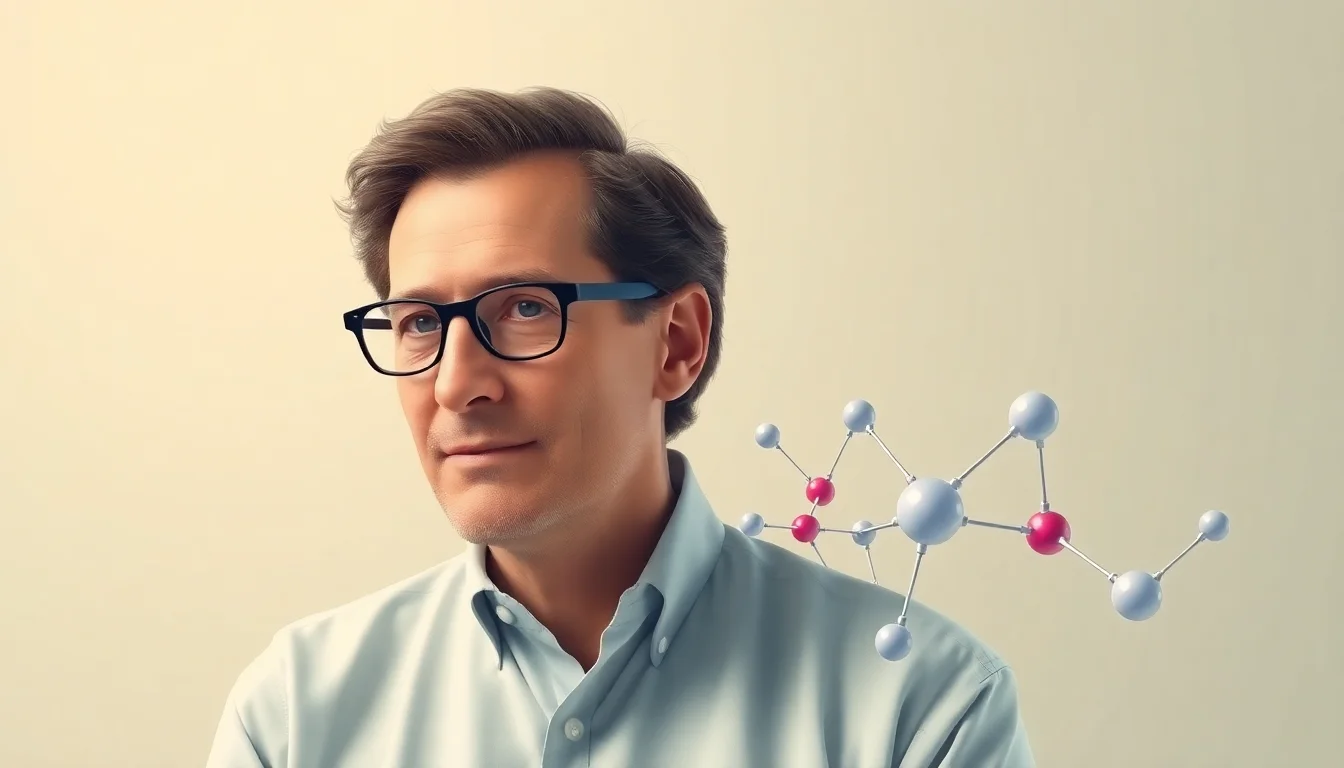
Bernard Feringa, a Dutch chemist, was awarded the Nobel Prize in Chemistry in 2016 for his groundbreaking work on the design and synthesis of molecular machines. Feringa's research focuses on supramolecular chemistry, where he has developed innovative methods for creating complex molecular structures with unique properties. His work has far-reaching implications for fields such as medicine, materials science, and nanotechnology. With a Vibe score of 85, Feringa's influence extends beyond the scientific community, inspiring new generations of researchers and entrepreneurs. As a leading figure in his field, Feringa continues to push the boundaries of synthetic chemistry, exploring new frontiers in molecular design and assembly. His work has sparked intense debate and collaboration, with many researchers seeking to build upon his discoveries and explore their potential applications.
🏆 Introduction to Bernard Feringa
Bernard Feringa is a Dutch Netherlands-born chemist who has revolutionized the field of molecular machines. Born on May 18, 1951, in Barger-Compascuum, Feringa's work has been recognized globally, earning him the Nobel Prize in Chemistry in 2016. His research focuses on the design and synthesis of molecular machines, which are molecules that can perform specific functions. Feringa's work has been influenced by his mentors, including Henk Wynberg, and has been recognized by the Royal Netherlands Academy of Arts and Sciences.
🎓 Early Life and Education
Feringa's interest in chemistry began at a young age, and he pursued his passion at the University of Groningen. He earned his PhD in 1978 under the supervision of Henk Wynberg, and later worked as a postdoctoral researcher at the University of Reading. Feringa's early research focused on the synthesis of organic compounds and the development of new chemical reactions. His work has been influenced by other notable chemists, including Roald Hoffmann and Jean-Marie Lehn. Feringa has also been recognized for his contributions to the field of supramolecular chemistry.
🔬 The Discovery of Molecular Motors
In the 1990s, Feringa began to explore the concept of molecular motors, which are molecules that can convert energy into motion. His research led to the development of the first Molecular Motor, a molecule that can rotate unidirectionally. This discovery paved the way for the creation of more complex molecular machines. Feringa's work has been influenced by the concept of nanotechnology and the potential applications of molecular machines in fields such as medicine and materials science. His research has also been recognized by the American Chemical Society.
📈 The Development of Molecular Machines
Feringa's research has focused on the development of molecular machines that can perform specific functions, such as Molecular Switches and Molecular Pumps. His work has led to the creation of a wide range of molecular machines, including the first molecular car, which was developed in collaboration with his colleagues. Feringa's research has been recognized for its potential applications in fields such as drug delivery and energy storage. His work has also been influenced by the concept of systems chemistry and the potential for molecular machines to be used in the development of new chemical reactions.
🏃♂️ The Creation of the First Molecular Car
In 2011, Feringa and his colleagues created the first molecular car, a molecule that can move across a surface using its molecular motors. This achievement demonstrated the potential for molecular machines to be used in a wide range of applications. Feringa's work has been recognized for its potential to revolutionize the field of transportation and to enable the development of new nanoscale devices. His research has also been influenced by the concept of artificial intelligence and the potential for molecular machines to be used in the development of new intelligent systems.
🤝 Collaboration and Mentorship
Throughout his career, Feringa has collaborated with numerous researchers and has mentored many students. His laboratory at the University of Groningen is a hub for molecular machine research, and his group has made significant contributions to the field. Feringa has also been recognized for his contributions to the development of new educational programs in the field of chemistry. His work has been influenced by the concept of interdisciplinary research and the potential for molecular machines to be used in a wide range of fields.
🌎 International Recognition and Awards
Feringa's work has been recognized internationally, and he has received numerous awards for his contributions to the field of molecular machines. In 2016, he was awarded the Nobel Prize in Chemistry for his work on the design and synthesis of molecular machines. Feringa has also been recognized by the Royal Netherlands Academy of Arts and Sciences and the American Chemical Society. His research has been influenced by the concept of global collaboration and the potential for molecular machines to be used in the development of new global solutions.
📚 Publications and Patents
Feringa has published numerous papers on his research and has been granted several patents for his inventions. His work has been widely cited, and he is considered one of the leading researchers in the field of molecular machines. Feringa's research has been influenced by the concept of open access and the potential for molecular machines to be used in the development of new open-source technologies. His work has also been recognized by the National Science Foundation.
🔮 The Future of Molecular Machines
The future of molecular machines is promising, with potential applications in fields such as medicine, energy, and transportation. Feringa's research has paved the way for the development of new molecular machines that can perform specific functions. His work has been influenced by the concept of sustainability and the potential for molecular machines to be used in the development of new sustainable technologies. Feringa's research has also been recognized by the United Nations.
🌈 Potential Applications and Implications
The potential applications of molecular machines are vast, and Feringa's research has demonstrated the potential for these machines to be used in a wide range of fields. From drug delivery to energy storage, molecular machines have the potential to revolutionize numerous industries. Feringa's work has been influenced by the concept of innovation and the potential for molecular machines to be used in the development of new innovative technologies. His research has also been recognized by the World Economic Forum.
👥 Influence and Legacy
Feringa's influence on the field of molecular machines is undeniable, and his legacy will continue to shape the direction of research in this area. His work has inspired a new generation of researchers, and his laboratory at the University of Groningen remains a hub for molecular machine research. Feringa's research has been influenced by the concept of interdisciplinary collaboration and the potential for molecular machines to be used in the development of new interdisciplinary solutions. His work has also been recognized by the European Union.
Key Facts
- Year
- 2016
- Origin
- Groningen, Netherlands
- Category
- Science
- Type
- Person
Frequently Asked Questions
What is Bernard Feringa's most notable achievement?
Bernard Feringa's most notable achievement is the development of the first molecular motor, which is a molecule that can convert energy into motion. This discovery paved the way for the creation of more complex molecular machines and earned him the Nobel Prize in Chemistry in 2016. Feringa's work has been recognized for its potential applications in fields such as medicine and materials science. His research has also been influenced by the concept of nanotechnology and the potential for molecular machines to be used in the development of new chemical reactions.
What is the potential application of molecular machines?
The potential applications of molecular machines are vast, and they have the potential to revolutionize numerous industries. From drug delivery to energy storage, molecular machines have the potential to be used in a wide range of fields. Feringa's research has demonstrated the potential for molecular machines to be used in the development of new sustainable technologies and innovative technologies. His work has been influenced by the concept of sustainability and the potential for molecular machines to be used in the development of new global solutions.
What is the current state of molecular machine research?
The current state of molecular machine research is promising, with numerous researchers working on the development of new molecular machines. Feringa's research has paved the way for the development of new molecular machines that can perform specific functions, and his laboratory at the University of Groningen remains a hub for molecular machine research. The field of molecular machines is rapidly evolving, with new breakthroughs and discoveries being made regularly. Feringa's work has been influenced by the concept of interdisciplinary research and the potential for molecular machines to be used in the development of new interdisciplinary solutions.
How has Feringa's work been recognized?
Feringa's work has been recognized internationally, and he has received numerous awards for his contributions to the field of molecular machines. In 2016, he was awarded the Nobel Prize in Chemistry for his work on the design and synthesis of molecular machines. Feringa has also been recognized by the Royal Netherlands Academy of Arts and Sciences and the American Chemical Society. His research has been widely cited, and he is considered one of the leading researchers in the field of molecular machines.
What is Feringa's current research focus?
Feringa's current research focus is on the development of new molecular machines that can perform specific functions. He is also working on the development of new supramolecular chemistry and systems chemistry approaches to the design and synthesis of molecular machines. Feringa's research has been influenced by the concept of sustainability and the potential for molecular machines to be used in the development of new sustainable technologies. His work has also been recognized by the United Nations.
How has Feringa's work influenced the field of chemistry?
Feringa's work has had a significant influence on the field of chemistry, particularly in the areas of molecular machines and supramolecular chemistry. His research has paved the way for the development of new molecular machines that can perform specific functions, and his laboratory at the University of Groningen remains a hub for molecular machine research. Feringa's work has also been recognized for its potential applications in fields such as medicine and materials science. His research has been influenced by the concept of interdisciplinary research and the potential for molecular machines to be used in the development of new interdisciplinary solutions.
What is the future of molecular machines?
The future of molecular machines is promising, with potential applications in fields such as medicine, energy, and transportation. Feringa's research has paved the way for the development of new molecular machines that can perform specific functions, and his laboratory at the University of Groningen remains a hub for molecular machine research. The field of molecular machines is rapidly evolving, with new breakthroughs and discoveries being made regularly. Feringa's work has been influenced by the concept of sustainability and the potential for molecular machines to be used in the development of new sustainable technologies.