
Contents
Overview
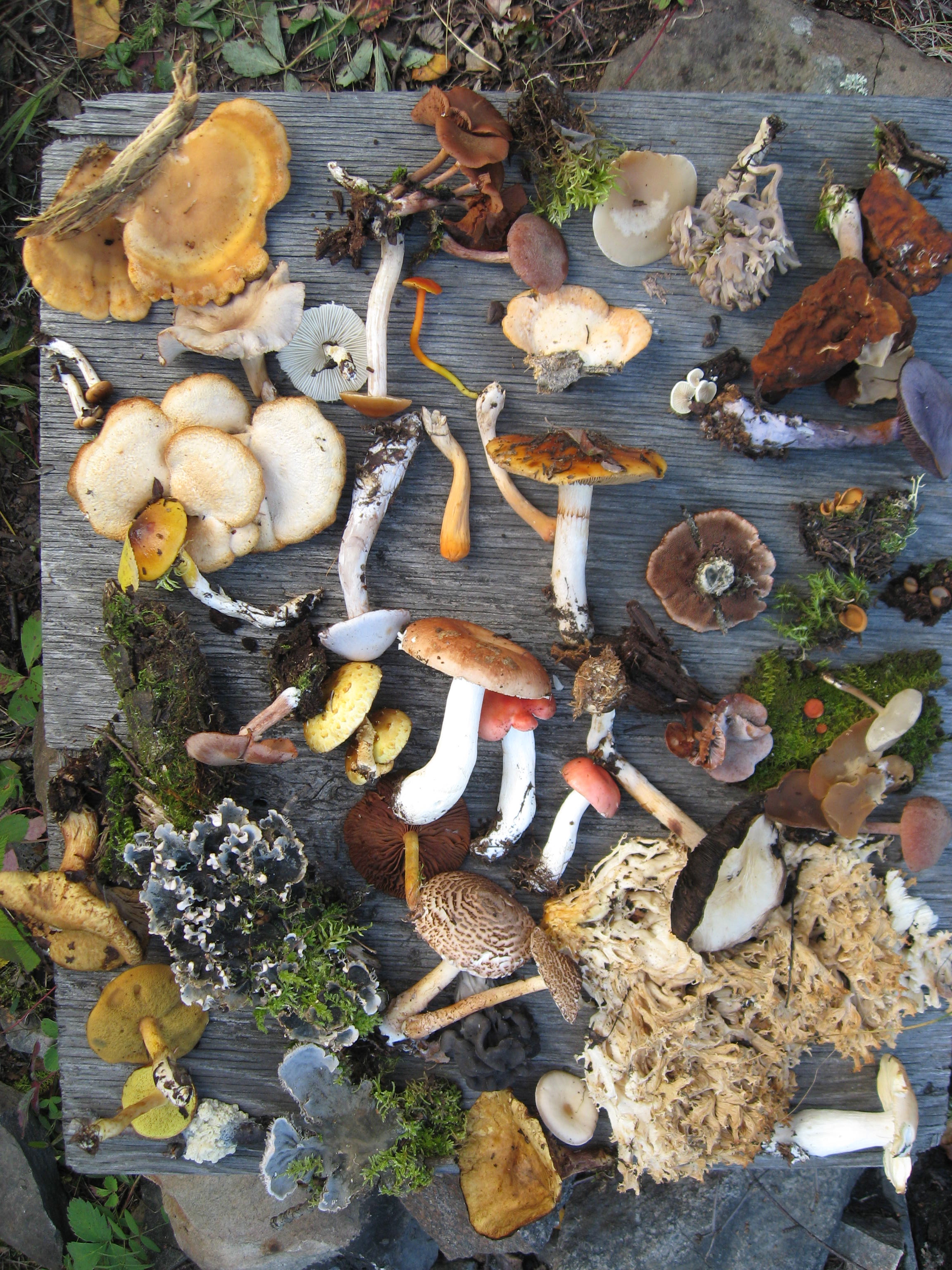
Biodiversity, the degree of variation of life forms, is a fundamental concept in biology, encompassing genetic variability, species diversity, ecosystem diversity, and phylogenetic diversity. Understanding and preserving biodiversity is crucial for maintaining ecosystem services, including air and water purification, soil formation, and climate regulation, which are essential for human well-being and the health of the planet.
🌿 Origins & History
Biodiversity, a concept rooted in biology and ecology, has its origins in the early 20th century. The IUCN has been instrumental in raising awareness about the importance of biodiversity conservation.
🔬 How It Works
Biodiversity can be measured on various levels, including genetic variability, species diversity, ecosystem diversity, and phylogenetic diversity. Genetic variability refers to the differences in the genetic makeup of individuals within a species, while species diversity refers to the number of different species present in an ecosystem. Ecosystem diversity, on the other hand, refers to the variety of ecosystems present in a given area, such as forests, grasslands, and deserts. Phylogenetic diversity refers to the differences in the evolutionary history of species.
📊 Key Facts & Numbers
The IUCN has identified several biodiversity hotspots, including Madagascar and the Galapagos Islands. These areas are home to a wide range of unique and threatened species.
👥 Key People & Organizations
Key people and organizations have played a crucial role in shaping our understanding of biodiversity. charles darwin, for example, is credited with developing the theory of evolution, which laid the foundation for modern biodiversity research.
🌍 Cultural Impact & Influence
Biodiversity has had a profound impact on human culture and society. Many indigenous communities, for example, have traditionally relied on biodiversity for their livelihoods, with forest products, such as timber and non-timber forest products, providing a source of income.
⚡ Current State & Latest Developments
The current state of biodiversity is a concern, with many species facing threats to their survival. The importance of preserving biodiversity cannot be overstated, as it is essential for maintaining ecosystem services and promoting human well-being.
🤔 Controversies & Debates
There are several controversies and debates surrounding biodiversity conservation. One of the main challenges is balancing the need to conserve biodiversity with the need to promote economic development and human well-being.
🔮 Future Outlook & Predictions
Looking to the future, it is clear that biodiversity conservation will require a concerted effort from governments, businesses, and individuals around the world. The use of technology, such as drones and satellite imagery, will be essential for monitoring and managing biodiversity.
💡 Practical Applications
Practical applications of biodiversity conservation include sustainable agriculture, eco-tourism, and forest restoration. Sustainable agriculture, for example, can help to reduce the environmental impact of farming, while also promoting biodiversity.
Key Facts
- Category
- environment
- Type
- concept