
Contents
- 🌟 Introduction to Charles Darwin
- 📚 Early Life and Education
- 🚣♂️ The Voyage of the Beagle
- 🔬 The Development of Evolutionary Theory
- 📊 The Concept of Natural Selection
- 🌿 The Publication of On the Origin of Species
- 👥 The Impact of Darwin's Work on the Scientific Community
- 🏛️ Legacy and Recognition
- 🌎 Global Influence and Controversy
- 📝 Later Life and Works
- 💡 The Modern Relevance of Darwin's Theory
- Frequently Asked Questions
- Related Topics
Overview
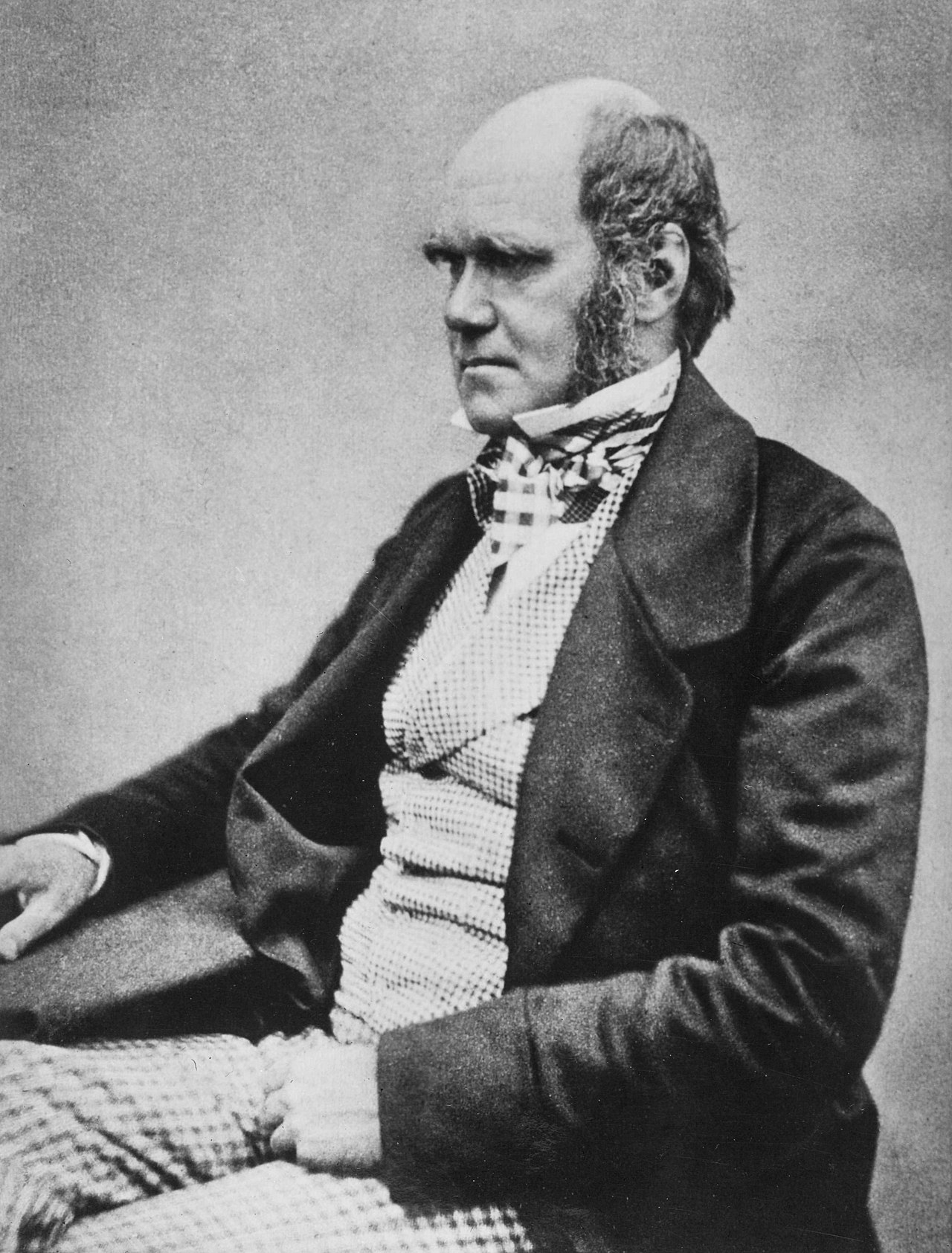
Charles Darwin (1809-1882) was a British naturalist who proposed the theory of evolution through natural selection, fundamentally changing the way we understand the natural world. His groundbreaking book, 'On the Origin of Species' (1859), laid the foundation for modern evolutionary biology. With a Vibe score of 92, Darwin's work has had a profound impact on various fields, including biology, ecology, and anthropology. His influence can be seen in the work of scientists such as Gregor Mendel and Stephen Jay Gould, and his ideas continue to shape our understanding of the natural world. Despite facing controversy and criticism during his lifetime, Darwin's theory of evolution has become a cornerstone of modern science. As we look to the future, Darwin's work serves as a reminder of the power of human curiosity and the importance of challenging established ideas, with potential implications for fields such as genetic engineering and conservation biology.
🌟 Introduction to Charles Darwin
Charles Darwin is widely regarded as one of the most influential scientists in history, and his theory of evolution through natural selection has had a profound impact on our understanding of the natural world. Born on February 12, 1809, in Shrewsbury, England, Darwin was the fifth of six children to Dr. Robert Waring Darwin and Susannah Wedgwood. His family was part of the wealthy and influential Wedgwood family, known for their pottery business. Darwin's early life was marked by a love of nature and the outdoors, which would later shape his career as a biologist and naturalist. He was educated at the University of Cambridge, where he studied theology and developed a strong interest in botany and zoology.
📚 Early Life and Education
Darwin's early life and education laid the foundation for his future work as a scientist. He was a curious and adventurous young man, and his experiences at the University of Cambridge helped shape his interests in science and nature. In 1831, Darwin graduated from Cambridge and was offered a position as a naturalist on the HMS Beagle, a British ship that was embarking on a five-year voyage around the world. This journey would prove to be a pivotal moment in Darwin's life, as it exposed him to a wide range of ecosystems and species that he had never seen before. During the voyage, Darwin collected numerous specimens and made detailed observations of the natural world, which would later inform his theory of evolution. He also developed a close relationship with the ship's captain, Robert FitzRoy, who would later become a prominent figure in the history of science.
🚣♂️ The Voyage of the Beagle
The voyage of the Beagle was a transformative experience for Darwin, and it played a significant role in the development of his theory of evolution. During the journey, Darwin visited numerous locations, including the Galapagos Islands, where he encountered a unique array of species that had adapted to the islands' distinct ecosystems. He also observed the fossil record and the geological history of the regions he visited, which helped him understand the processes that had shaped the natural world over time. Darwin's experiences on the Beagle voyage laid the foundation for his later work as a scientist, and they inspired him to think critically about the natural world and the scientific method. He also developed a strong interest in geology and the work of Charles Lyell, who was a prominent geologist at the time.
🔬 The Development of Evolutionary Theory
The development of Darwin's evolutionary theory was a gradual process that spanned many years. After returning from the Beagle voyage, Darwin began to analyze the data he had collected and think critically about the natural world. He was influenced by the work of Thomas Malthus, who had written about the struggle for existence in human populations. Darwin realized that a similar struggle existed in the natural world, where species competed for resources and adaptation was essential for survival. He also developed the concept of natural selection, which proposed that species evolved over time through a process of variation, mutation, and selection. This idea was revolutionary, as it challenged the traditional view of creationism and offered a new explanation for the diversity of life on Earth.
📊 The Concept of Natural Selection
The concept of natural selection was a key component of Darwin's evolutionary theory, and it has had a profound impact on our understanding of the natural world. Natural selection proposes that species evolve over time through a process of variation, mutation, and selection, where individuals with favorable traits are more likely to survive and reproduce. This idea was influenced by the work of artificial selection in agriculture, where breeders select for desirable traits in crops and livestock. Darwin realized that a similar process occurred in the natural world, where species adapted to their environments through a process of evolution. He also recognized that natural selection was a key driver of speciation, where new species emerge over time through the process of evolution.
🌿 The Publication of On the Origin of Species
The publication of On the Origin of Species in 1859 marked a major milestone in the history of science. The book presented Darwin's theory of evolution through natural selection and provided a comprehensive explanation for the diversity of life on Earth. The book was a bestseller, and it sparked a lively debate about the nature of evolution and the origin of species. Darwin's theory was initially met with skepticism by some members of the scientific community, but it eventually gained widespread acceptance as the evidence mounted. The book also had a significant impact on the development of modern biology and the scientific method, as it introduced a new way of thinking about the natural world and the process of science.
👥 The Impact of Darwin's Work on the Scientific Community
The impact of Darwin's work on the scientific community was significant, and it continues to shape our understanding of the natural world. His theory of evolution through natural selection challenged the traditional view of creationism and offered a new explanation for the diversity of life on Earth. The scientific community was initially divided about the theory, with some scientists supporting it and others opposing it. However, as the evidence mounted, the theory gained widespread acceptance, and it has since become a cornerstone of modern biology. Darwin's work also inspired a new generation of scientists, including Gregor Mendel, who made significant contributions to the field of genetics.
🏛️ Legacy and Recognition
Darwin's legacy and recognition are a testament to the significance of his contributions to science. He was honored by burial in Westminster Abbey, a rare distinction for a scientist. He also received numerous awards and accolades for his work, including the Copley Medal from the Royal Society. Darwin's theory of evolution has had a profound impact on our understanding of the natural world, and it continues to shape the development of modern biology and the scientific method. His work has also inspired new areas of research, including ecology and conservation biology.
🌎 Global Influence and Controversy
Darwin's global influence and controversy are a reflection of the significance of his theory and its impact on society. His theory of evolution has been widely accepted by the scientific community, but it has also been the subject of controversy and debate. Some people have opposed the theory on religious or ideological grounds, while others have seen it as a threat to traditional values. However, the theory has also inspired new areas of research and has had a significant impact on our understanding of the natural world. Darwin's work has also been recognized by the United Nations, which has designated his theory as a key component of sustainable development.
📝 Later Life and Works
Darwin's later life and works were marked by a continued interest in science and a desire to contribute to the development of modern biology. He published several books on botany and zoology, and he continued to work on his theory of evolution. Darwin also became a prominent figure in the scientific community, and he was recognized for his contributions to science. He died on April 19, 1882, at the age of 73, but his legacy continues to shape our understanding of the natural world. His work has inspired new generations of scientists, including Stephen Jay Gould and Richard Dawkins, who have continued to develop and refine the theory of evolution.
💡 The Modern Relevance of Darwin's Theory
The modern relevance of Darwin's theory is a testament to the significance of his contributions to science. His theory of evolution has had a profound impact on our understanding of the natural world, and it continues to shape the development of modern biology and the scientific method. The theory has also inspired new areas of research, including ecology and conservation biology. Darwin's work has also been recognized by the United Nations, which has designated his theory as a key component of sustainable development. As we face the challenges of the 21st century, including climate change and biodiversity loss, Darwin's theory of evolution remains a powerful tool for understanding the natural world and developing solutions to these problems.
Key Facts
- Year
- 1859
- Origin
- England, UK
- Category
- Biography, Science
- Type
- Person
Frequently Asked Questions
What was Charles Darwin's theory of evolution?
Charles Darwin's theory of evolution proposed that all species of life have descended from a common ancestor through a process of variation, mutation, and selection. He introduced the concept of natural selection, which suggests that individuals with favorable traits are more likely to survive and reproduce, leading to the evolution of species over time.
What was the significance of the Beagle voyage in Darwin's life?
The Beagle voyage was a pivotal moment in Darwin's life, as it exposed him to a wide range of ecosystems and species that he had never seen before. The journey helped shape his interests in science and nature, and it laid the foundation for his later work as a scientist.
How did Darwin's theory of evolution challenge traditional views of creationism?
Darwin's theory of evolution challenged traditional views of creationism by proposing a new explanation for the diversity of life on Earth. The theory suggested that species evolved over time through a process of variation, mutation, and selection, rather than being created in their present form by a divine being.
What was the impact of Darwin's work on the scientific community?
Darwin's work had a significant impact on the scientific community, as it challenged traditional views of creationism and offered a new explanation for the diversity of life on Earth. The theory of evolution has since become a cornerstone of modern biology and has inspired new areas of research, including ecology and conservation biology.
How is Darwin's theory of evolution relevant to modern society?
Darwin's theory of evolution remains relevant to modern society, as it provides a powerful tool for understanding the natural world and developing solutions to the challenges we face. The theory has inspired new areas of research, including ecology and conservation biology, and it continues to shape our understanding of the natural world.