
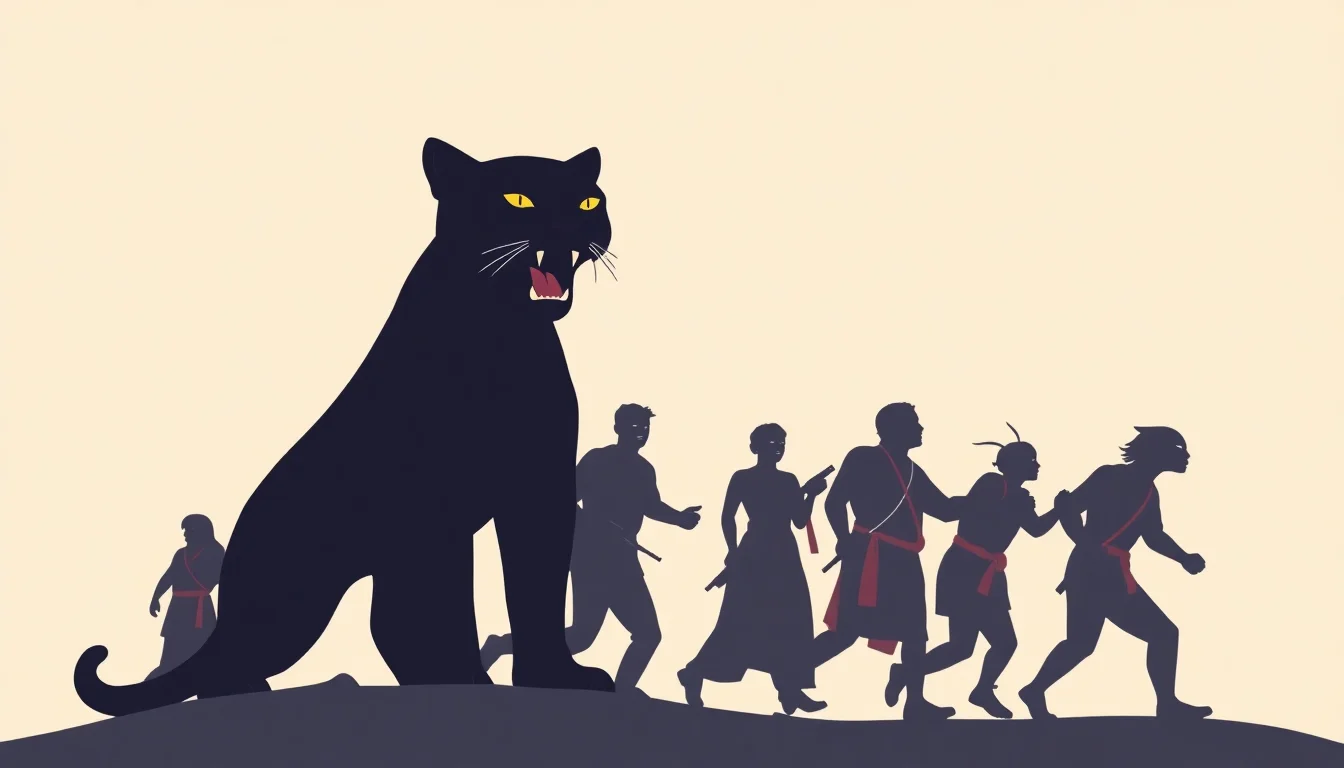
Contents
- 🔥 Introduction to the Black Panther Party
- 📚 History of the Black Panther Party
- 👊 Founding and Early Years
- 🚨 The Ten-Point Program
- 📢 Community Programs and Services
- 📰 Media and Public Perception
- 🚫 FBI Surveillance and Repression
- 🤝 International Connections and Influence
- 📊 Decline and Legacy
- 👑 Contemporary Relevance and Impact
- Frequently Asked Questions
- Related Topics
Overview
The Black Panther Party, founded in 1966 by Huey P. Newton and Bobby Seale, was a radical social and political organization that aimed to empower African American communities through self-defense, education, and social programs. With a vibe score of 8, the party's influence extended beyond its membership, inspiring a generation of activists and artists. The party's controversial tactics, including armed self-defense and confrontations with law enforcement, sparked intense debate and scrutiny. Despite its tumultuous history, the Black Panther Party's legacy continues to shape contemporary social justice movements, with many regarding it as a pioneering force in the fight against systemic racism. The party's influence can be seen in the work of modern-day activists, such as Black Lives Matter, and its iconic imagery and symbolism continue to inspire artists and designers. As the Black Panther Party's history continues to be reexamined and reinterpreted, its impact on American society remains a topic of intense discussion and debate.
🔥 Introduction to the Black Panther Party
The Black Panther Party, founded in 1966 by Huey Newton and Bobby Seale, was a revolutionary social movement that aimed to empower African American communities and challenge systemic racing and oppression. The party's Black Power ideology and community organizing strategies inspired a generation of activists. The Black Panther Party's influence can be seen in various social justice movements, including the Civil Rights Movement and the Feminist Movement. The party's legacy continues to be felt today, with many regarding it as a pioneering force in the fight for human rights. The Black Panther Party's story is also closely tied to the history of Oakland, California, where the party was founded.
📚 History of the Black Panther Party
The Black Panther Party's history is complex and multifaceted, spanning over two decades. The party's early years were marked by a mix of community organizing and militant activism. The party's founders, Huey Newton and Bobby Seale, were influenced by the ideas of Malcolm X and Frantz Fanon. The party's Black Power ideology was also shaped by the experiences of African American communities in the United States. The Black Panther Party's history is closely tied to the Civil Rights Movement and the Anti-War Movement of the 1960s. The party's legacy continues to be felt today, with many regarding it as a pioneering force in the fight for social justice. The Black Panther Party's story is also closely tied to the history of Berkeley, California, where the party had a significant presence.
👊 Founding and Early Years
The Black Panther Party was founded on October 15, 1966, in Oakland, California. The party's founding was a response to the systemic racing and oppression faced by African American communities in the United States. The party's early years were marked by a mix of community organizing and militant activism. The party's founders, Huey Newton and Bobby Seale, were influenced by the ideas of Malcolm X and Frantz Fanon. The party's Black Power ideology was also shaped by the experiences of African American communities in the United States. The Black Panther Party's early years were marked by a series of confrontations with the police, including the infamous Newton vs. the Police incident. The party's legacy continues to be felt today, with many regarding it as a pioneering force in the fight for human rights.
🚨 The Ten-Point Program
The Black Panther Party's Ten-Point Program was a cornerstone of the party's ideology. The program, which was released in 1966, outlined the party's demands for African American communities, including full employment, decent housing, and free healthcare. The program also called for an end to police brutality and the draft. The party's Ten-Point Program was influenced by the ideas of Malcolm X and Frantz Fanon. The program's emphasis on community organizing and self-defense reflected the party's commitment to empowering African American communities. The Black Panther Party's Ten-Point Program continues to be studied by social justice activists today. The program's legacy can be seen in various social movements, including the Feminist Movement and the LGBTQ+ Movement.
📢 Community Programs and Services
The Black Panther Party's community programs and services were a key part of the party's community organizing strategy. The party's Free Breakfast Program, which was launched in 1969, provided free breakfast to thousands of African American children. The party's Free Clinic program, which was launched in 1970, provided free medical care to African American communities. The party's community organizing efforts were also focused on empowering African American communities through self-defense and political education. The Black Panther Party's community programs and services were influenced by the ideas of Malcolm X and Frantz Fanon. The party's legacy continues to be felt today, with many regarding it as a pioneering force in the fight for human rights. The Black Panther Party's story is also closely tied to the history of Oakland, California, where the party was founded.
📰 Media and Public Perception
The Black Panther Party's media and public perception were shaped by the party's militant activism and community organizing efforts. The party's use of symbolism, including the Black Panther logo, helped to create a sense of unity and solidarity among African American communities. The party's media coverage, including the Black Panther Newspaper, helped to spread the party's message and ideology. The Black Panther Party's public perception was also shaped by the party's confrontations with the police, including the infamous Newton vs. the Police incident. The party's legacy continues to be felt today, with many regarding it as a pioneering force in the fight for social justice. The Black Panther Party's story is also closely tied to the history of Berkeley, California, where the party had a significant presence.
🚫 FBI Surveillance and Repression
The Black Panther Party faced intense FBI surveillance and repression, including the infamous COINTELPRO program. The program, which was launched in 1956, aimed to disrupt and neutralize social movements, including the Black Panther Party. The FBI's surveillance and repression efforts included the use of informants, wiretaps, and raids. The Black Panther Party's leaders, including Huey Newton and Bobby Seale, were targeted by the FBI and faced numerous arrests and convictions. The party's legacy continues to be felt today, with many regarding it as a pioneering force in the fight for human rights. The Black Panther Party's story is also closely tied to the history of Oakland, California, where the party was founded.
🤝 International Connections and Influence
The Black Panther Party had significant international connections and influence, including ties to Cuba and North Vietnam. The party's international connections were shaped by the party's anti-imperialist ideology and its commitment to social justice. The party's leaders, including Huey Newton and Bobby Seale, traveled to Cuba and North Vietnam to build alliances and solidarity with other social movements. The Black Panther Party's international influence can be seen in various social movements, including the Feminist Movement and the LGBTQ+ Movement. The party's legacy continues to be felt today, with many regarding it as a pioneering force in the fight for human rights.
📊 Decline and Legacy
The Black Panther Party's decline and legacy are complex and multifaceted. The party's decline was shaped by a combination of factors, including FBI surveillance and repression, infighting, and financial struggles. The party's legacy continues to be felt today, with many regarding it as a pioneering force in the fight for social justice. The Black Panther Party's story is also closely tied to the history of Oakland, California, where the party was founded. The party's legacy can be seen in various social movements, including the Feminist Movement and the LGBTQ+ Movement. The Black Panther Party's influence can also be seen in the work of contemporary social justice activists, including Black Lives Matter and Occupy Wall Street.
👑 Contemporary Relevance and Impact
The Black Panther Party's contemporary relevance and impact are significant. The party's legacy continues to be felt today, with many regarding it as a pioneering force in the fight for social justice. The Black Panther Party's story is also closely tied to the history of Oakland, California, where the party was founded. The party's influence can be seen in various social movements, including the Feminist Movement and the LGBTQ+ Movement. The Black Panther Party's legacy can also be seen in the work of contemporary social justice activists, including Black Lives Matter and Occupy Wall Street. The party's Ten-Point Program continues to be studied by social justice activists today. The program's emphasis on community organizing and self-defense reflected the party's commitment to empowering African American communities.
Key Facts
- Year
- 1966
- Origin
- Oakland, California
- Category
- Social Movement
- Type
- Organization
Frequently Asked Questions
What was the Black Panther Party's main goal?
The Black Panther Party's main goal was to empower African American communities and challenge systemic racing and oppression. The party's Ten-Point Program outlined the party's demands for African American communities, including full employment, decent housing, and free healthcare. The party's legacy continues to be felt today, with many regarding it as a pioneering force in the fight for human rights.
Who were the founders of the Black Panther Party?
The Black Panther Party was founded by Huey Newton and Bobby Seale in 1966. The party's founders were influenced by the ideas of Malcolm X and Frantz Fanon. The party's Black Power ideology was also shaped by the experiences of African American communities in the United States.
What was the Black Panther Party's relationship with the FBI?
The Black Panther Party faced intense FBI surveillance and repression, including the infamous COINTELPRO program. The program, which was launched in 1956, aimed to disrupt and neutralize social movements, including the Black Panther Party. The FBI's surveillance and repression efforts included the use of informants, wiretaps, and raids.
What was the Black Panther Party's legacy?
The Black Panther Party's legacy is complex and multifaceted. The party's legacy continues to be felt today, with many regarding it as a pioneering force in the fight for social justice. The party's influence can be seen in various social movements, including the Feminist Movement and the LGBTQ+ Movement. The party's Ten-Point Program continues to be studied by social justice activists today.
How did the Black Panther Party impact contemporary social justice movements?
The Black Panther Party's legacy can be seen in various contemporary social justice movements, including Black Lives Matter and Occupy Wall Street. The party's influence can also be seen in the work of contemporary social justice activists, who continue to draw on the party's community organizing and self-defense strategies. The party's Ten-Point Program continues to be studied by social justice activists today.
What was the Black Panther Party's relationship with other social movements?
The Black Panther Party had significant relationships with other social movements, including the Civil Rights Movement and the Anti-War Movement. The party's Black Power ideology was also influenced by the ideas of Malcolm X and Frantz Fanon. The party's legacy continues to be felt today, with many regarding it as a pioneering force in the fight for human rights.
How did the Black Panther Party's international connections shape its ideology and activism?
The Black Panther Party's international connections, including ties to Cuba and North Vietnam, shaped the party's anti-imperialist ideology and its commitment to social justice. The party's leaders, including Huey Newton and Bobby Seale, traveled to Cuba and North Vietnam to build alliances and solidarity with other social movements.