
Contents
- 🌿 Introduction to Botanical Gardens
- 🏞️ History of Botanical Gardens
- 🌸 Plant Collections and Conservation
- 🏠 Glasshouses and Shadehouses
- 🌻 Education and Community Engagement
- 🌺 Research and Scientific Studies
- 🌴 Tropical and Exotic Plant Collections
- 🌼 Alpine and Herb Gardens
- 🌻 Challenges and Controversies
- 🌟 Future of Botanical Gardens
- 🌱 Conclusion and Call to Action
- 📚 References and Further Reading
- Frequently Asked Questions
- Related Topics
Overview
Botanical gardens, with a history dating back to the 16th century, have evolved from mere collections of plants to dynamic institutions that play a critical role in conservation, education, and community engagement. The Royal Botanic Gardens, Kew, established in 1759, is a prime example, boasting a collection of over 30,000 different kinds of plants. However, these gardens also face challenges such as funding, climate change, and the ethics of plant collecting. The controversy surrounding the destruction of natural habitats for the creation of botanical gardens, such as the case of the New York Botanical Garden, which was built on a former forest, highlights the need for sustainable practices. With over 2,000 botanical gardens worldwide, including the Singapore Botanic Gardens, which has a vibe score of 85, these institutions attract millions of visitors annually, contributing significantly to local economies. As we look to the future, the integration of technology, such as the use of AI in plant identification, and the incorporation of indigenous knowledge will be crucial in the development of botanical gardens, with potential collaborations between institutions like the Missouri Botanical Garden and the Royal Botanic Gardens, Melbourne, paving the way for a more sustainable and connected world.
🌿 Introduction to Botanical Gardens
Botanical gardens are a vital part of urban ecosystems, providing a peaceful oasis for city dwellers while also serving as a hub for scientific research, conservation, and education. As we explore the world of botanical gardens, we'll delve into their history, plant collections, and the important role they play in preserving biodiversity. For example, the Royal Botanic Gardens, Kew is a renowned institution that has been at the forefront of botanical research and conservation for over 250 years. The New York Botanical Garden is another prominent example, with over one million living plants in its collection. Botanical gardens like these are not only beautiful spaces but also play a critical role in plant conservation and sustainable urban planning.
🏞️ History of Botanical Gardens
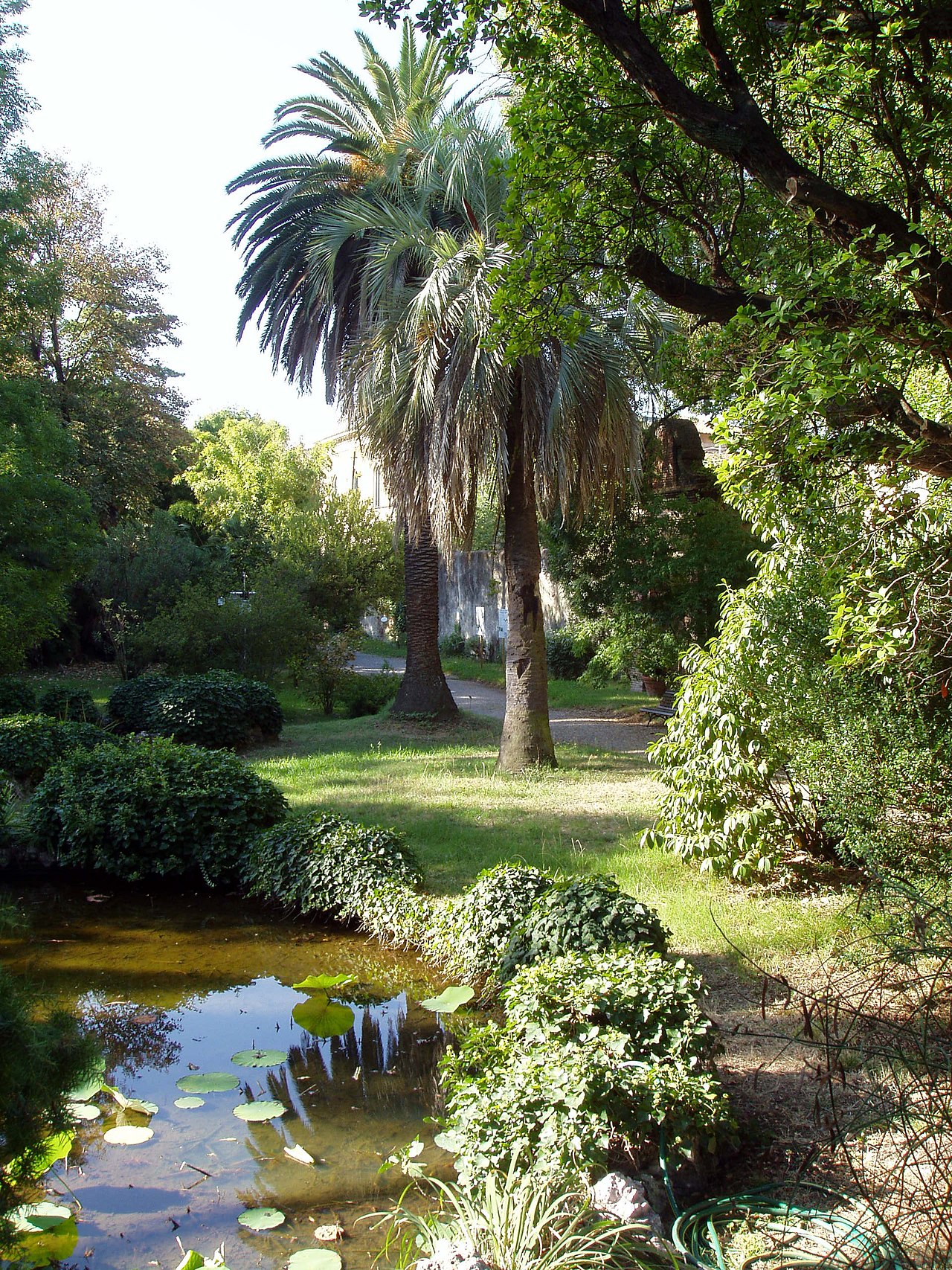
The history of botanical gardens dates back to ancient civilizations, with evidence of gardens dedicated to the cultivation of medicinal plants in ancient Egypt, China, and Greece. The modern concept of a botanical garden, however, emerged during the Renaissance period in Europe, with the establishment of gardens like the Orto Botanico di Pisa in Italy. These early gardens were often attached to universities and served as centers for scientific research and education. As the field of botany evolved, so did the role of botanical gardens, with many becoming major centers for plant taxonomy and horticulture. The University of Oxford's botanical garden, for instance, has been a hub for botanical research and education since the 17th century. Today, botanical gardens continue to play a vital role in environmental education and conservation biology.
🌸 Plant Collections and Conservation
One of the primary functions of a botanical garden is to maintain a documented collection of living plants for the purpose of scientific research, conservation, and education. These collections often include a wide range of plant species, from cacti and succulents to tropical plants and alpine plants. Many gardens also have specialist collections, such as herb gardens or rose gardens, which showcase the diversity of plant life on our planet. The Missouri Botanical Garden, for example, has an extensive collection of orchids and bromeliads. Botanical gardens like these are essential for ex-situ conservation and provide a safe haven for rare and endangered plant species. By supporting botanical gardens, we can contribute to the preservation of biodiversity and the health of our planet. The Xishuangbanna Tropical Botanical Garden in China is another notable example, with its vast collection of tropical plants.
🏠 Glasshouses and Shadehouses
Glasshouses and shadehouses are essential features of many botanical gardens, providing a controlled environment for plants that require specific conditions to thrive. These structures can be used to create a range of different environments, from the hot and humid conditions of the tropical rainforest to the cool and dry conditions of the alpine meadow. The United States Botanic Garden in Washington D.C., for instance, has a stunning glasshouse with a variety of plant species from around the world. By using glasshouses and shadehouses, botanical gardens can extend the range of plants they can grow and provide visitors with a unique opportunity to experience different ecosystems from around the world. The Eden Project in the UK is another notable example, with its massive biomes that simulate various ecosystems. These structures are not only beautiful but also play a critical role in plant propagation and conservation horticulture.
🌻 Education and Community Engagement
Botanical gardens are not just about plants; they also play a vital role in education and community engagement. Many gardens offer a range of educational programs, from guided tours and workshops to lectures and courses, which provide visitors with a deeper understanding of the natural world. The Brooklyn Botanic Garden, for example, offers a variety of educational programs for children and adults, including a children's garden and a botanical illustration program. By engaging with local communities, botanical gardens can promote environmental awareness and inspire people to take action to protect the natural world. The San Francisco Botanical Garden is another notable example, with its community outreach programs and partnerships with local schools. Botanical gardens like these are essential for urban ecology and provide a peaceful oasis for city dwellers. They also support sustainable living and ecological restoration.
🌺 Research and Scientific Studies
Research and scientific studies are at the heart of many botanical gardens, with scientists and researchers working to advance our understanding of the plant kingdom. From the study of plant evolution to the development of new plant breeding techniques, botanical gardens are at the forefront of botanical research. The Royal Botanic Gardens Melbourne, for instance, has a strong research program focused on plant systematics and ecological restoration. By supporting research and scientific studies, botanical gardens can contribute to the development of new technologies and strategies for conservation biology and sustainable agriculture. The National Botanic Garden of Wales is another notable example, with its research program focused on plant conservation and biodiversity.
🌴 Tropical and Exotic Plant Collections
Tropical and exotic plant collections are a popular feature of many botanical gardens, providing visitors with a glimpse into the diverse and often bizarre world of plants from around the globe. From the Amazon rainforest to the Madagascar flora, these collections showcase the incredible range of plant life that exists on our planet. The Fairchild Tropical Botanic Garden in Florida, for example, has an extensive collection of tropical plants from around the world. By maintaining these collections, botanical gardens can help to promote cultural exchange and international cooperation in the field of botany. The Singapore Botanic Gardens is another notable example, with its beautiful gardens and lakes. These gardens are not only beautiful but also play a critical role in ex-situ conservation and provide a safe haven for rare and endangered plant species.
🌼 Alpine and Herb Gardens
Alpine and herb gardens are another popular feature of many botanical gardens, providing a unique opportunity for visitors to experience the beauty and diversity of plants from high-altitude and temperate regions. From the Rocky Mountains to the Himalayas, these gardens showcase the incredible range of plant life that exists in these environments. The Denver Botanic Gardens, for instance, has a stunning alpine garden with a variety of plant species from around the world. By maintaining these gardens, botanical gardens can help to promote sustainable gardening and ecological restoration practices. The Atlanta Botanical Garden is another notable example, with its beautiful gardens and conservation programs. These gardens are essential for urban ecology and provide a peaceful oasis for city dwellers.
🌻 Challenges and Controversies
Despite their many benefits, botanical gardens also face a range of challenges and controversies, from climate change to funding cuts. Many gardens are struggling to maintain their collections and provide the level of service that visitors expect, while also dealing with the impacts of climate change and other environmental factors. The Chicago Botanic Garden, for example, has been working to address the impacts of climate change on its plant collections. By supporting botanical gardens, we can help to ensure the long-term survival of these important institutions and the many benefits they provide to society. The Golden Gate Park in San Francisco is another notable example, with its beautiful gardens and conservation programs. These gardens are not only beautiful but also play a critical role in environmental education and community engagement.
🌟 Future of Botanical Gardens
As we look to the future, it is clear that botanical gardens will continue to play a vital role in promoting sustainability and conservation practices. From the development of new sustainable gardening techniques to the creation of urban ecosystems, botanical gardens will be at the forefront of efforts to create a more sustainable and environmentally conscious world. The High Line in New York City, for instance, is a notable example of an urban ecosystem that has been created on an old elevated rail line. By supporting botanical gardens, we can help to ensure that these important institutions continue to thrive and provide the many benefits they offer to society. The Vancouver Botanical Gardens is another notable example, with its beautiful gardens and conservation programs.
🌱 Conclusion and Call to Action
In conclusion, botanical gardens are a vital part of urban ecosystems, providing a peaceful oasis for city dwellers while also serving as a hub for scientific research, conservation, and education. As we move forward, it is essential that we support these important institutions and the many benefits they provide to society. By doing so, we can help to ensure the long-term survival of botanical gardens and the many plant species they conserve. The Montreal Botanical Garden is a notable example, with its beautiful gardens and conservation programs. We can also support botanical gardens by visiting them, donating to their causes, and spreading awareness about their importance. The Toronto Botanical Garden is another notable example, with its beautiful gardens and community programs.
📚 References and Further Reading
For those interested in learning more about botanical gardens, there are many resources available. The American Public Gardens Association is a great place to start, with its wealth of information on botanical gardens and their role in society. The International Plant Names Index is another useful resource, providing a comprehensive database of plant names and their classification. By exploring these resources and visiting botanical gardens, we can gain a deeper appreciation for the importance of these institutions and the many benefits they provide to society.
Key Facts
- Year
- 2023
- Origin
- Europe
- Category
- Environment and Conservation
- Type
- Cultural Institution
Frequently Asked Questions
What is the purpose of a botanical garden?
The purpose of a botanical garden is to maintain a documented collection of living plants for the purpose of scientific research, conservation, display, and education. Botanical gardens play a vital role in promoting sustainability and conservation practices, and they provide a peaceful oasis for city dwellers. They are also essential for ex-situ conservation and provide a safe haven for rare and endangered plant species. The Royal Botanic Gardens, Kew is a renowned institution that has been at the forefront of botanical research and conservation for over 250 years. By supporting botanical gardens, we can contribute to the preservation of biodiversity and the health of our planet.
What types of plants can be found in a botanical garden?
Botanical gardens often have a wide range of plant species, including cacti and succulents, tropical plants, alpine plants, and herb gardens. Many gardens also have specialist collections, such as rose gardens or orchid collections. The Missouri Botanical Garden, for example, has an extensive collection of orchids and bromeliads. By maintaining these collections, botanical gardens can help to promote cultural exchange and international cooperation in the field of botany.
What is the importance of botanical gardens in urban ecosystems?
Botanical gardens are a vital part of urban ecosystems, providing a peaceful oasis for city dwellers while also serving as a hub for scientific research, conservation, and education. They play a critical role in urban ecology and provide a peaceful oasis for city dwellers. The Brooklyn Botanic Garden, for instance, offers a variety of educational programs for children and adults, including a children's garden and a botanical illustration program. By engaging with local communities, botanical gardens can promote environmental awareness and inspire people to take action to protect the natural world.
How can I support botanical gardens?
There are many ways to support botanical gardens, including visiting them, donating to their causes, and spreading awareness about their importance. You can also support botanical gardens by becoming a member or volunteer, or by participating in their educational programs. The Chicago Botanic Garden, for example, has a variety of membership options and volunteer opportunities. By supporting botanical gardens, we can help to ensure the long-term survival of these important institutions and the many benefits they provide to society.
What is the future of botanical gardens?
As we look to the future, it is clear that botanical gardens will continue to play a vital role in promoting sustainability and conservation practices. From the development of new sustainable gardening techniques to the creation of urban ecosystems, botanical gardens will be at the forefront of efforts to create a more sustainable and environmentally conscious world. The Vancouver Botanical Gardens is a notable example, with its beautiful gardens and conservation programs. By supporting botanical gardens, we can help to ensure that these important institutions continue to thrive and provide the many benefits they offer to society.
What are some notable examples of botanical gardens?
There are many notable examples of botanical gardens around the world, including the Royal Botanic Gardens, Kew, the New York Botanical Garden, and the Missouri Botanical Garden. The Singapore Botanic Gardens is another notable example, with its beautiful gardens and lakes. These gardens are not only beautiful but also play a critical role in ex-situ conservation and provide a safe haven for rare and endangered plant species. By visiting these gardens, we can gain a deeper appreciation for the importance of botanical gardens and the many benefits they provide to society.
What is the role of botanical gardens in environmental education?
Botanical gardens play a vital role in environmental education, providing a unique opportunity for visitors to learn about the natural world and the importance of conservation. Many gardens offer educational programs, including guided tours and workshops, which provide visitors with a deeper understanding of the plant kingdom and the many benefits that plants provide to society. The Atlanta Botanical Garden, for example, offers a variety of educational programs for children and adults, including a children's garden and a botanical illustration program. By engaging with local communities, botanical gardens can promote environmental awareness and inspire people to take action to protect the natural world.