
Contents
- 🦋 Introduction to Caterpillars
- 🌿 The Life Cycle of a Caterpillar
- 🔍 Understanding the Biology of Caterpillars
- 👀 The Unique Characteristics of Caterpillars
- 🌸 The Importance of Caterpillars in Ecosystems
- 🌻 The Role of Caterpillars in Pollination
- 🕷️ Common Misconceptions about Caterpillars
- 🔬 The Future of Caterpillar Research
- 📚 Conclusion: The Unlikely Hero of Metamorphosis
- 👥 Caterpillar Conservation Efforts
- 🌐 The Global Impact of Caterpillars
- Frequently Asked Questions
- Related Topics
Overview
The caterpillar, with its voracious appetite and remarkable adaptability, is the larval stage of a butterfly or moth. With over 180,000 known species, caterpillars can be found in almost every habitat on Earth, from the freezing tundra to the hottest deserts. Despite their often-maligned reputation as pests, caterpillars play a crucial role in pollination and serve as a food source for numerous animals. The caterpillar's life cycle, which includes four distinct stages - egg, larva, pupa, and adult - is a complex and highly regulated process, with some species undergoing dramatic transformations, such as the monarch butterfly's 3,000-mile migration. With a vibe score of 8, the caterpillar is a cultural phenomenon, inspiring countless works of art, literature, and music. As scientists continue to unravel the mysteries of caterpillar development and behavior, we are reminded of the awe-inspiring complexity and beauty of the natural world, with the caterpillar's influence extending to fields such as biotechnology and environmental conservation, with companies like Monsanto and Syngenta developing caterpillar-resistant crops, and conservation efforts focused on protecting the monarch butterfly's habitat.
🦋 Introduction to Caterpillars
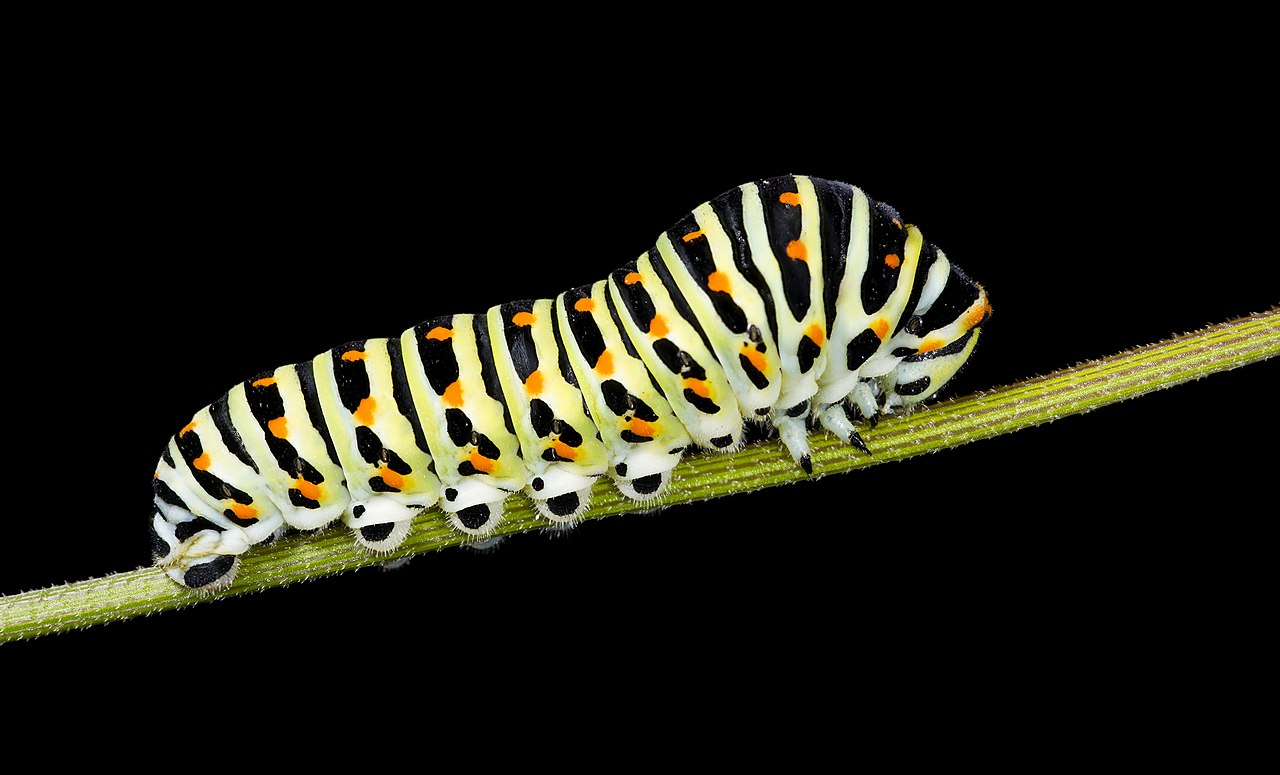
Caterpillars are the larval stage of members of the order Lepidoptera, which includes butterflies and moths. In common speech, any caterpillar-shaped insect larva such as of a sawfly is often called a caterpillar. The term 'caterpillar' is often used to describe the larval stage of other insects, but technically, it only refers to the larvae of Lepidoptera. Caterpillars are known for their unique characteristics, such as their ability to eat constantly and their distinctive body shape. They play a crucial role in the ecosystem, serving as a food source for many animals, including birds, bats, and spiders. For more information on the importance of caterpillars, visit the Ecosystem page.
🌿 The Life Cycle of a Caterpillar
The life cycle of a caterpillar is complex and fascinating. It begins with the egg stage, where the female butterfly or moth lays her eggs on a leaf or stem. The eggs hatch into caterpillars, which then eat constantly to grow and develop. As they grow, they shed their skin several times, a process called molting. This process is crucial for their development, as it allows them to increase in size and prepare for the next stage of their life cycle. For more information on the life cycle of a butterfly, visit the Butterfly page. The caterpillar stage is followed by the pupa stage, where the caterpillar transforms into a butterfly or moth. This process is called metamorphosis.
🔍 Understanding the Biology of Caterpillars
Understanding the biology of caterpillars is essential to appreciating their importance in the ecosystem. Caterpillars have a unique body structure, with a distinct head, thorax, and abdomen. They have six legs and a pair of prolegs, which are used for walking and climbing. Caterpillars also have a range of defense mechanisms, including the ability to produce toxic chemicals and spin silk. For more information on the biology of insects, visit the Entomology page. They are also able to eat a wide range of plants, from leaves and stems to flowers and fruits. This ability to eat constantly is crucial for their growth and development, as it allows them to store energy for the next stage of their life cycle.
👀 The Unique Characteristics of Caterpillars
Caterpillars have a range of unique characteristics that set them apart from other insects. One of the most distinctive features of caterpillars is their ability to eat constantly. They have a large appetite and are able to consume huge amounts of plant material, which is necessary for their growth and development. Caterpillars are also able to spin silk, which they use to create protective cocoons and webs. For more information on the unique characteristics of caterpillars, visit the Caterpillar page. This ability to spin silk is crucial for their survival, as it provides them with protection from predators and harsh weather conditions.
🌸 The Importance of Caterpillars in Ecosystems
Caterpillars play a crucial role in ecosystems, serving as a food source for many animals. They are an important part of the food chain, providing energy and nutrients for birds, bats, and spiders. Caterpillars are also important pollinators, as they feed on nectar and pollen from flowers. For more information on the importance of pollinators, visit the Pollination page. They are also able to disperse seeds, helping to spread plant species and promote biodiversity. This ability to disperse seeds is crucial for the health of ecosystems, as it allows plant species to adapt to changing environmental conditions.
🌻 The Role of Caterpillars in Pollination
Caterpillars are often overlooked as pollinators, but they play a crucial role in the reproduction of many plant species. As they feed on nectar and pollen, they transfer pollen between flowers, allowing plants to reproduce. This process is essential for the production of seeds and fruits, and is crucial for the survival of many plant species. For more information on the role of caterpillars in pollination, visit the Caterpillar Pollination page. Caterpillars are also able to disperse seeds, helping to spread plant species and promote biodiversity.
🕷️ Common Misconceptions about Caterpillars
There are many common misconceptions about caterpillars. One of the most common is that all caterpillars are poisonous or venomous. While some caterpillars are able to produce toxic chemicals, many are harmless to humans. For more information on the misconceptions about caterpillars, visit the Caterpillar Myths page. Another misconception is that caterpillars are only found in certain parts of the world. In reality, caterpillars can be found on every continent, in almost every habitat. They are able to thrive in a wide range of environments, from deserts to rainforests.
🔬 The Future of Caterpillar Research
The future of caterpillar research is exciting and promising. Scientists are currently studying the unique characteristics of caterpillars, including their ability to eat constantly and their distinctive body shape. For more information on the future of caterpillar research, visit the Caterpillar Research page. They are also exploring the potential uses of caterpillars in fields such as medicine and agriculture. Caterpillars have the potential to provide new insights into the development of new medicines and agricultural products, and could play a crucial role in the development of sustainable food systems.
📚 Conclusion: The Unlikely Hero of Metamorphosis
In conclusion, caterpillars are the unlikely heroes of metamorphosis. They play a crucial role in ecosystems, serving as a food source for many animals and promoting biodiversity. For more information on the importance of caterpillars, visit the Ecosystem page. They are also important pollinators, helping to spread plant species and promote the reproduction of many plant species. As we continue to learn more about caterpillars, we are reminded of the importance of preserving and protecting these fascinating creatures.
👥 Caterpillar Conservation Efforts
Caterpillar conservation efforts are essential for preserving and protecting these fascinating creatures. Many species of caterpillars are threatened or endangered, due to habitat loss and fragmentation, as well as the introduction of invasive species. For more information on caterpillar conservation, visit the Caterpillar Conservation page. Conservation efforts are necessary to protect the habitats of caterpillars, and to promote the reproduction and survival of these important insects.
🌐 The Global Impact of Caterpillars
The global impact of caterpillars is significant, with many species playing a crucial role in ecosystems around the world. Caterpillars are found on every continent, in almost every habitat, and are able to thrive in a wide range of environments. For more information on the global impact of caterpillars, visit the Global Caterpillar Impact page. They are an important part of the food chain, providing energy and nutrients for many animals, and are also important pollinators, helping to spread plant species and promote biodiversity.
Key Facts
- Year
- 1758
- Origin
- Sweden, where Carl Linnaeus first described the species
- Category
- Biology
- Type
- Organism
Frequently Asked Questions
What is the life cycle of a caterpillar?
The life cycle of a caterpillar is complex and fascinating. It begins with the egg stage, where the female butterfly or moth lays her eggs on a leaf or stem. The eggs hatch into caterpillars, which then eat constantly to grow and develop. As they grow, they shed their skin several times, a process called molting. This process is crucial for their development, as it allows them to increase in size and prepare for the next stage of their life cycle. The caterpillar stage is followed by the pupa stage, where the caterpillar transforms into a butterfly or moth. For more information on the life cycle of a butterfly, visit the Butterfly page.
What do caterpillars eat?
Caterpillars are able to eat a wide range of plants, from leaves and stems to flowers and fruits. They have a large appetite and are able to consume huge amounts of plant material, which is necessary for their growth and development. For more information on the diet of caterpillars, visit the Caterpillar Diet page.
Are all caterpillars poisonous or venomous?
No, not all caterpillars are poisonous or venomous. While some caterpillars are able to produce toxic chemicals, many are harmless to humans. For more information on the misconceptions about caterpillars, visit the Caterpillar Myths page.
Where are caterpillars found?
Caterpillars are found on every continent, in almost every habitat. They are able to thrive in a wide range of environments, from deserts to rainforests. For more information on the habitats of caterpillars, visit the Caterpillar Habitats page.
What is the importance of caterpillars in ecosystems?
Caterpillars play a crucial role in ecosystems, serving as a food source for many animals and promoting biodiversity. They are an important part of the food chain, providing energy and nutrients for many animals, and are also important pollinators, helping to spread plant species and promote the reproduction of many plant species. For more information on the importance of caterpillars, visit the Ecosystem page.
How can we conserve caterpillars?
Caterpillar conservation efforts are essential for preserving and protecting these fascinating creatures. Many species of caterpillars are threatened or endangered, due to habitat loss and fragmentation, as well as the introduction of invasive species. Conservation efforts are necessary to protect the habitats of caterpillars, and to promote the reproduction and survival of these important insects. For more information on caterpillar conservation, visit the Caterpillar Conservation page.
What is the global impact of caterpillars?
The global impact of caterpillars is significant, with many species playing a crucial role in ecosystems around the world. Caterpillars are found on every continent, in almost every habitat, and are able to thrive in a wide range of environments. They are an important part of the food chain, providing energy and nutrients for many animals, and are also important pollinators, helping to spread plant species and promote biodiversity. For more information on the global impact of caterpillars, visit the Global Caterpillar Impact page.